










icon-account icon-glass

Popular Products

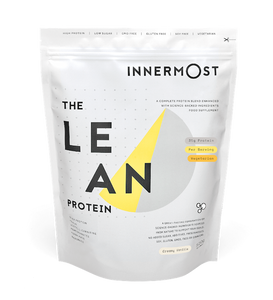
The Lean Protein
Whey protein powder for weight-loss.
The Energy Booster
Pre/intra-workout powder with BCAAs.

Josh Makin

As a graduate of journalism and a seasoned runner, Josh knows exactly what it takes to write a cracking piece of content in the week and run a half marathon on the weekend. Where some might sigh at the idea of running consecutive 5k’s and jumping on the laptop to write about it straight after, Josh relishes such an experience. This makes him a go to source for advice on cardio fitness and nutrition – as well as how to smash a PB or 2.

The Complete Guide To Halal Protein Powder
When it comes to improving your fitness levels, lifestyle and nutrition are key. From the number of hours of sleep you get each night to your daily nutrition and everything in between, each is as important as the other. This extends to finding the right protein powder to fuel your workout routine. Yet today more than ever, what goes into that shaker bottle now goes beyond macros and muscle; more and more people are asking themselves – ‘how does this protein powder align with my religious values and beliefs?’ While we’ve spoken before about our clean, research based and ethically sourced ingredients here at Innermost, this time we want to get a little more specific with a focus on halal and halal protein powder. With so many voices and fluff information around, it can be difficult to know exactly what protein is and isn’t halal friendly. That’s why we’ve put together this nifty guide. We’re going to break down all the myths and everything you need to know about halal protein. What you should be looking out for, what makes proteins like whey halal friendly as well as the benefits that halal friendly protein can offer to your body.  Right, let’s get into it. What is halal protein? I’m sure most of you are already aware of halal, but for the 1% of you that might not be, let’s take a step back and ask: what is halal protein? Halal – meaning ‘permissible’ in Arabic – refers to any food product that complies with Islamic dietary laws as stated within the Qur’an and Islamic jurisprudence. This makes it a core element of Islamic faith and a key cornerstone of their commitment to leading a pure and disciplined life under the guidance of Allah. Some of the key guidelines for halal foods include: Halal friendly ingredients – certain ingredients are not permissible under a halal diet, including pork (and any byproducts), alcohol and blood. Other animal products can be halal as long as they are killed in accordance with the ethical treatment guidelines below. Ethical treatment of animals – For non-pork meats to be considered halal, animals must be treated humanly and responsibly during their life. This includes: Having access to clean water and nutritious food. Being raised in a free-range and stress-free environment. Not being subjected to cruelty, abuse, or unnecessary suffering. The process of killing any animal must also be quick and humane to be considered halal, with any suffering kept to the complete minimum. Importantly, to be considered halal, the name of Allah must be pronounced during the humane killing to ensure the sanctity of life is recognised throughout the process. No cross contamination - During the preparation process, halal foods must never come into contact with non halal foods. This means no cross contamination between preparation surfaces, equipment used, the handling of foods and storage. As such, ingredients such as milk can be halal however it depends on the production process and if additional non-halal additives (such as gelatin) are added. So, what does this mean for protein?  Essentially any animal protein is halal as long as it adheres to the guidelines we’ve mentioned. The best way to tell is that products – such as Innermost proteins - will be certified halal friendly on the packaging. Is protein powder halal? So, with that said you might be wondering: is my choice of protein powder halal? The truth is that protein powder can absolutely be halal, however it entirely depends on the ingredients used as well as the overall production process. Common protein sources like whey, casein, egg white, and plant-based proteins (such as pea, soy, or rice) can all be halal if they are sourced and manufactured in compliance with halal standards. While many of the larger brands do not meet these standards and cannot claim to offer halal protein, our range of Innermost protein powders and supplements are all certified halal, emphasising our dedication to ethical sourcing our use of clean sourcing without additives. From our pea protein fuelled (and vegan) The Health Protein, The Fit Protein, to our whey protein powered The Strong Protein and The Lean Protein, all our products are sourced in a halal-compliant manner. Benefits of halal protein powder You hear it all the time when it comes to ethical and dietary beliefs – ‘a vegan diet isn’t good for you’ or ‘a vegetarian mix can’t possibly have the nutrients you need. The reality is, that adhering to these sorts of values within your fitness routine and diet can have great benefits for the body. Halal protein powders are no different; they offer a range of benefits for individuals who are conscious of both their health and dietary requirements. Just some of the benefits of halal protein powder are: Clean ingredients: With halal protein powders, you can be confident that there will be no harmful or questionable ingredients/ additives such as silica. What does this mean? Your body has an easier job digesting and absorbing all the good stuff, ensuring you get the most out of your supplements. Quality protein: Halal protein powders use complete protein sources, ensuring your body gets all the amino acids it needs for effective muscle repair and growth.  Ethical production: We’ve mentioned plenty of times already, but that’s just how key ethical and clean production is to making protein halal. By avoiding things such as additional additives and cross contamination, your body is fuelled with a safer and more trustworthy supplement. Supports fitness and wellness goals: Whatever your fitness goals; halal protein has you covered. From building muscle to losing weight, to halal collagen skincare, the absence of excess sugars or fillers ensures you are best placed to smash your targets. Common misconceptions about halal protein powders With so much noise and no real answers around halal proteins, we thought it would be helpful to list of some of the key misconceptions regarding the diet and what the actual truths are. All vegan protein powders are halal Given that so much of halal is driven by animals and their ethical treatment, you might just assume every vegan protein powder is halal because it is made of.. well, plants. The reality however is that vegan proteins aren’t necessarily halal – it all comes down to the production process. While Innermost vegan proteins are proudly halal certified, other protein powders can be produced with alcohol-based flavourings, non-halal emulsifiers, or might be processed in facilities that handle haram products – leading to cross contamination – not good! Is whey protein halal? On the other side of the spectrum, whey protein – being a byproduct of milk – is generally considered to be haram. Again, the truth is that whey protein can be halal provided that the milk is taken from cows that were treated ethically and within halal principles. Today, there are many halal-certified whey protein powders that are safe and effective for Muslim consumers. Halal certification doesn’t matter There is often an assumption made that if the ingredients look clean then the protein must be halal – regardless of certification. The truth is that what makes something halal goes beyond ingredients. Production and sourcing our also key factors that many companies do not consider. With halal certification on your favourite protein powders, you can be sure that every step - from sourcing and production to packaging and distribution - has been reviewed and approved according to strict halal standards.  Is Innermost protein powder halal? In short, yes. We at Innermost make it our mission to not only aid in muscle growth and recovery, but also to create protein supplements that are ethically sourced and rigorously tested to ensure individuals of any faith can smash their fitness goals.  Unlike competitors, our proteins are clean and built with the highest quality of ingredients and free from unnecessary additives and artificial ingredients.   We are proud to say that all our products are officially halal certified making them a suitable choice for those following the halal beliefs. This certification ensures that all ingredients and manufacturing processes meet Islamic dietary laws, with no use of haram substances such as pork derivatives or alcohol. With this in mind, why not check out our range of Innermost supplements to find out more about our halal proteins?     Read more
Whey Protein 101: Everything You Need to Know
If you’re at all interested in health, fitness or nutrition, you’ve probably heard about whey protein. It’s one of the most commonly used sources of protein for supplements and it can offer a wide range of benefits to users.  But let’s hit the brakes a second – what exactly is whey protein? And what are these supposed benefits? Let’s break it down.  What is whey protein? Whey protein is a high-quality protein source which comes from whey (no prizes for guessing that) – otherwise known as the watery stuff which separates from the curds when making cheese. Once separated, the whey is processed to remove lactose and other components we don’t need, leaving behind a concentrated whey protein which is then dried into a powder form. Sounds a bit strange, granted, but it’s a real powerhouse. Whey protein is a complete protein, meaning it contains all nine essential amino acids (the ones our bodies can’t make on their own). It’s also quickly absorbed by the body, making it a great choice for a post-workout refuel. Benefits of whey protein With comparisons out the way, what are the benefits of adding whey protein into your workout plan? 1. High nutritional value Whey protein is widely considered the best form of protein supplement because of its superior nutritional profile. Not just a complete protein, whey typically contains more protein per serving and is absorbed by your gut much faster than other types of protein. In short, you get more of the good stuff and you get it faster, too. Win-win. 2. Supports muscle growth and repair Whey protein’s high protein content and broad suite of amino acids makes it perfect for both muscle repair and those looking for gains. Whey contains a high concentration of the BCAA leucine, which is the primary amino acid involved in muscle growth. This makes it a great accompaniment to your workout routine. Regular intake of whey protein has also been shown to help reduce inflammation throughout the body, which is a huge plus for recovery and general wellbeing. 3. Supports weight management and satiety Whey isn’t just a great supplement for muscle growth, it can also be hugely beneficial for those trying to manage their weight. Whey protein has been shown to significantly reduce feelings of hunger, which can make it much easier to stay on track with a healthy diet. For example, Innermost’s The Strong Protein contains just 147 calories for a 40g serving, making it an effective, delicious and convenient solution to keep on deck.  4. Convenient and versatile Speaking of convenience, it doesn’t really get more convenient than whey protein. You can throw together a delicious, nutritious shake in seconds whether you’ve got your favourite milk on hand or just water. Or, if you’re feeling creative, head to the kitchen and bake with it (protein pancakes – yum), or mix it into oats, yoghurts and smoothies for some serious treats that taste and feel good. Whether you’ve got time to cook up a storm or you’ve only got 30 seconds before you need to be out the door, whey protein makes nutrition easy. How can whey protein support your fitness goals?  Whey protein is a great supplement for a range of fitness goals. Let’s take a look at how. If you’re trying to build muscle… Whey alone won’t do the job – you’ve gotta put the work in. When you’re done sweating up a storm, take your whey right after your workout (as soon as possible but definitely within 60 minutes for maximum impact).  Whey helps to repair muscles which are damaged during exercise as well as promoting growth to make you stronger for next time. You know what they say, no pain, no gain… If you want to push your workouts even further with whey on hand to repair the damage, try pairing your protein shake with The Power Booster for an extra hit of power, strength and speed. If you’re focused on fat loss… Swap out the snacks for a whey protein shake to cut down on calories and keep you fuller for longer between meals. The high protein content of whey can also help to preserve muscle mass if you’re in a calorie deficit, which is another big plus.  If you’re training for performance or endurance… When you’re looking to perform at a high level or for an extended period of time, repetition is a key part of the process. However, with repetition comes aches, pains and inevitable recovery time. Whey protein is a great recovery aid which can help to reduce muscle soreness and support your immune system while your body is undergoing physical stress. Work whey into your diet and get back on the grind in no time. How does whey compare to other proteins? When you’re shopping around for the best protein, there are a lot of factors to consider. Let’s take a quick look at how whey protein stacks up against the competition. Whey vs casein protein Both whey and casein are derived from milk, with casein making up around 80% of the total protein content of milk. The question here is: why isn’t casein seen as much on the shelves?  There are a few reasons, one of the main ones being casein is absorbed by the body at a much slower rate. The amino acids in whey protein stay in your bloodstream for around 90 minutes until they’re absorbed, whereas casein amino acids can stay in your system for as long as five hours. If you’re looking for a quick hit, especially after a workout, whey is the way to go.  The branched-chain amino acid (BCAA) profile of whey is also superior to casein, meaning it can be more effective at building muscle.  Whey vs soy protein Soy offers a good alternative option for many as it’s a plant-based source of protein which also contains all nine essential amino acids. While studies have shown little difference in muscle growth and strength development between soy and whey protein, there are other downsides to soy protein which whey doesn’t have. Soy protein contains considerably less leucine and lysine than whey (the amino acids responsible for muscle growth and repair, blood sugar regulation and the production of hormones and energy), which can be a big turn off for many.  As such, whey is widely considered a higher-quality protein source than soy, but soy protein typically comes with a smaller price tag, making it an appealing choice for many. Whey vs pea & rice protein Two other popular sources of protein are pea and rice protein. These are often used together, like in The Fit Protein or The Health Protein, to offer a balanced and well-rounded vegan protein option. Both rice and pea protein contain all nine essential amino acids, albeit in a slightly lower density than whey. To put it plainly, whey retains its crown as the most complete protein source, but for those who can’t or don’t want to have whey, pea and rice protein offer a fantastic option.   It’s the whey to go When it comes to protein supplements, whey is widely considered to be the most complete form you can get your hands on – and for good reason.  With a high concentration of protein per serving, broad range of amino acids and huge variety of ways to enjoy it, whey is an easy way to support your fitness goals, whatever they are. If you can’t have whey, or maybe just don’t want to, check out our range of vegan supplements for some plant-based alternatives.   We’ve shown you the whey (sorry), now go forth and conquer.  References Schoenfeld, B., Aragon, A. (2018) How much protein can the body use in a single meal for muscle-building? Implications for daily protein distribution. Int Soc Sports Nutr. Click here. Zhou, L., Xu, J., Qin, L. (2015) Effect of whey supplementation on circulating C-reactive protein: a meta-analysis of randomized controlled trials. Nutrients. 7(2). Click here. King, N., Slater, G. (2015) The effect of a whey protein supplement dose on satiety and food intake in resistance training athletes. Appetite. Click here. Schoenfeld, B., Aragon, A. (2007) Bovine milk in human nutrition – a review.  Lipids Health Dis. Click here. Lynch, H., Buman, M. (2020) No Significant Differences in Muscle Growth and Strength Development When Consuming Soy and Whey Protein Supplements Matched for Leucine Following a 12 Week Resistance Training Program in Men and Women: A Randomized Trial. Int J Environ Res Public Health. Click here. Read more
Rise Of Community Fitness: The Benefits Of Joining Group Workouts In The UAE
How To Use Your Love Language To Crush Your Fitness Goals
Beginners Guide to the Gym
Beginner Workout Advice Embarking on a new fitness journey can be both exciting and challenging. To get you motivated, we're here to help you understand the science and benefits of joining your local gym or fitness club and to provide you with a basis for a beginner gym workout plan to help you understand how to start working out in the gym. Benefits of getting started in the gym: Regular exercise has many benefits for both the body and mind. On the physical front, getting started at the gym and completing consistent workouts can contribute to enhanced cardiovascular health, promoting a healthy heart and aids blood circulation. Regular exercise is also great for maintaining a healthy weight, managing muscle tone, and strengthening the skeletal system.The cognitive benefits of regular exercise is equally impressive. Scientifically, physical activity of even just 10-30 minutes can stimulate the release of neurotransmitters such as endorphins, which contribute to an improved mood and reduced stress levels. Exercise is also associated with the growth of new neurons in the brain, fostering enhanced cognitive function, sharper memory, and better overall mental power. A basic beginner workout for the gym: Basic Bag Prep: Double check you’ve packed everything you need for your new gym-venture. Think: water, lock, music, towel. Cardio Warm-up (10 minutes): Start with a brisk walk, jog, or cycling to elevate your heart rate and warm up your muscles. As a little hack, this should be at a pace you still feel comfortable to talk at. Follow this up with some basic dynamic stretches, if your stuck on ideas, there’s some great programmes and YouTube content out there. The worlds your oyster! Resistance Training (20-30minutes): Try an incorporate compound exercises like squats, lunges, and bench presses for a full-body workout. Begin with bodyweight exercises if you're new to resistance training and focus on nailing technique. Cardiovascular Exercise (15 minutes): Engage in activities like running, cycling, or rowing to boost your endurance fitness. Choose activities you enjoy to make it more sustainable, and even pair it up with a new gym playlist to help you enjoy getting a sweat on. Cool Down and Stretching (10 minutes): Conclude your first gym session with some additional stretches to improve flexibility and reduce any muscle soreness you may feel the next day. Focus on major muscle groups and hold each stretch for 15-30 seconds.   Things to remember as a beginner working out in the gym: Nervous is normal: Stepping into a gym for the first time can be nerve-wracking. Understand that it's normal to feel a bit anxious, as you're pushing yourself outside your comfort zone. With consistent effort, confidence will naturally grow.Quality over quantity: This is crucial in fitness. Short, focused workouts can be highly effective. Overtraining can lead to burnout and injury, so prioritize consistency and rest for sustainable progress.Motivation fluctuates for everyone: Acknowledge that it's normal to have off-days. Even a lighter workout is better than none. Remember your initial goals and the positive impact exercise has on your well-being.It's Okay to Fail: Failure is an integral part of growth. If a workout doesn't go as planned, view it as an opportunity to learn and improve. Embrace the challenge, for it is through overcoming failures that true progress is made.Gaining a helping hand: Don't hesitate to ask for help from gym staff or fellow gym-goers. Asking for help is a smart way to learn the correct techniques, making your workouts more effective and reducing the risk of injury. Risk, Reduction, Repeat… Making sure we are keeping ourselves safe in the gym is king, especially when getting the most out of our new regime. Begin each session with a dynamic warm-up to increase blood flow, preparing muscles for activity and reducing injury risk. Prioritise technique over weight, ensuring proper form to prevent strain and reduce the risk of injury. Incrementally increase exercise intensity and duration to avoid overexertion and reduce the risk of injury. Follow a structured program that gradually challenges your fitness level, preventing overtraining, and ask your local personal trainer for what this might potentially look like if you’re unsure. Allow adequate time for rest and recovery to prevent overtraining, reducing the risk of injury. Listen to your body, pay attention to early warning signs, and schedule rest days between intense workouts. Remember, consistency is key. Begin with manageable intensity and gradually progress to more challenging workouts. Always consult a fitness professional or healthcare provider before starting a new exercise program, especially if you have pre-existing health conditions. Enjoy the journey to a healthier, stronger, and sharper you! Read more
This Is How Sleep Helps You Recover From Exercise And Injury
We’ve all been there. You go for a hard workout, pushing yourself as far as you can and … by the end your reward is a new personal best and a series of aching muscles (or worse an injury). In these scenarios, it can feel frustrating. After such an exercise high, the first thing you want to do is to beat your record again and yet you’re now stuck with the muscle pain wondering how long it will take to heal. The fact is that regardless of an individual’s workout experience, sport recovery is fundamental to muscle repair. While there are many ways to speed up the recovery process like taking our Innermost Recover Capsules or slowly rebuilding the muscles through light walks, most of us frequently neglect the most important form of recovery which is adequate sleep. While one-night of low sleep alone won’t impact long-term recovery, figures show that 77% of adults are not sleeping the recommended 8 hours a day and as many as 18% sleep less than 6 hours. As we’ve previously written about the benefits that exercise can have on sleep, we feel its only fair to highlight the importance that sleep has on workout recovery. Why is sleep so important in recovery? As frustrating as it can be, it’s nigh-on impossible to quickly recover from muscle pain and continue to smash those PBs without adequate rest. While getting a good amount of sleep can seem like a small afterthought (perhaps even a luxury) when we have to fit it around our busy lives, a decent night’s rest is where the body is best at recovering the soft and neural tissues after an intense workout. But just why is that? How is it your body heals faster during sleep and what is the science behind it?    Increased Blood flow Interestingly, this occurs during Non-Rem Stage 3 of the sleep cycle in which the body is in the deepest part of sleep. During this stage the body priorities the repairing and regrowth of body tissue, as well as building bone and muscle (sounds like a good exercise-recovery plan to me). While it might seem like it should be the opposite, the faster recovery can largely be attributed to the increased blood flow and therefore greater flow of oxygen and nutrients to the damaged muscles during this sleep stage. Recovery Hormones A well-rested sleep - in line with the internal body clock - also plays a part in the production and regulation of several hormones that stimulate muscle recovery. During the deep stages of Non-REM sleep for instance the pituitary gland aids in the repairing of muscles through the release of growth hormones. Evidence also shows that a well-rested night contributes to improved performance and pain sensitivity as the hormone prolactin – released during this process – regulates muscle inflammation and allows the body to heal itself effectively. Faster reflex times Another perhaps overlooked benefit of sleep on an individual’s recovery are the improvements to cognitive response it can bring during the muscle rehabilitation process. A faster reflex time is a good example of this. In truth, during a light workout after injury the last thing you want to do is put unwanted pressure on a muscle. An improved reflex time allows an individual to react faster and with clearer judgment to any potential hazards and avoiding a recovery setback through injury inflammation. Improved Mental Wellbeing We know we’ve mentioned this before, but a key benefit of exercise is the positive impact it can have on mental wellbeing – thanks to our good endorphin friends serotonin and dopamine. That’s just another reason why recovering from any injury can be a tough challenge; you lose the elation of a phenomenon like runners high and suddenly, your mood can begin to dip. Getting into the routine of a good night’s sleep can actually contribute to improved mental clarity and wellness. This is because the brain’s ability to process positive emotional information is improved during REM - which occurs more frequently from longer sleep. How to get the best possible sleep While it’s true that a deep sleep is really important to recovering from injury, all this means nothing if you’re tossing and turning all night. To this end, there are a few changes surrounding sleep conditions that can vastly improve an individual’s quality of sleep. Sleeping Comfort The idea of comfort being tied to good sleep, who would have guessed? But you’d be surprised how often we take comfort for granted, especially during period of muscle fatigue or after an injury. While the Mayo Clinic recommends sleeping on your side to improve airway clearance, you should try and sleep in a position that best accommodates the muscle injury – the last thing anyone wants to do is to strain the muscle further during a night’s sleep. If you’re not sure on the best position to not further aggravate an injury, consider seeking advise from your doctor or a medical professional. It’s also a good idea to try and invest in a quality mattress that offers healthy pressure relief on injury pain points to better optimise sleep recovery.    Sleeping Environment Often times, the environment with which we sleep in can be just as important as the bed itself in getting a good night’s rest and repairing the muscles. We’d recommend trying to create a restful, cool, and dark environment away from any reminders of day stresses. This does also mean not using your phone before going to bed – something we’ve all definitely been guilty of – as the light from the screen can disrupt the production of the hormone melatonin and disrupt the sleep cycle. If you’re finding that you just can’t get good enough sleep, it can be a good idea to plan a sleep schedule each night based around how much rest you think you can get. This can also be tailored to the injury rehabilitation process to ultimately get the most out of sleep recovery. Essentially it’s about balance. Be kind, plan for the days you know you might have impacted sleep and try to avoid any rehabilitation exercises the next day.        How much sleep should I get? The key question here; how much sleep is the right amount to speed up muscle recovery? While it’s recommended that you should aim for at least 7 to 9 hours per night depending on age, the exact time, speed, and extent of muscle repair varies greatly from person to person. For a more definitive answer, we’d recommend contacting your local physiotherapist – or general practitioner – who can give advice more tailored towards your specific injury and rehabilitation requirements.    At the end of all this, we hope this this will help with any current or future muscle injuries you may have. While it might seem strange, the recovery stage of a workout is arguably as important as an individual’s diet and perhaps even the exercise itself. To this end, it can be a good idea to think of the recovery as another stage of the workout process and sleep as the unexplored treasure that will help you smash the next PB.   Interested to learn more about workout recovery? Wondering on the best ways to fuel your next workout? Perhaps you have some amazing and inspired ideas to share? Don’t hesitate to message us over on our Instagram @liveinnermost. Read more