










Sleep is one of the most important parts of the day. Feeling well, training well and moving through the day with enough energy to actually enjoy it, all rely on a good night’s sleep. Yet for many of us, it is also one of the first things to suffer when life gets busy.
Late nights. Early starts. Stress. Screens. Training sessions squeezed into already full days. A mind that seems to become suddenly very active the moment your head hits the pillow.
It is no surprise, then, that magnesium has become one of the most talked-about supplements for sleep. It is often linked with relaxation, recovery and the ability to switch off at night. But as with most things in wellness, the real answer is a little more nuanced than “take this and sleep better”.
So, does research suggest that magnesium helps with sleep? And how do you know whether it is right for you? Let’s take a closer look.
Key takeaways
- Magnesium supports several normal processes linked with rest, including muscle function, nervous system function and energy metabolism.
- Magnesium may help some people sleep better, particularly where poor sleep is connected to stress, low magnesium intake, muscle tension or poor recovery.
- Food should always be the foundation, but magnesium supplements can help support a consistent intake when busy lifestyles, training and irregular meals get in the way.
- Magnesium works best as part of a broader evening routine, alongside sensible caffeine timing, reduced evening stimulation, good nutrition and proper recovery.
What is magnesium and why is it linked to sleep
Magnesium is an essential mineral found in food, water and supplements that is involved in over 300 bodily processes. It acts as a mandatory helper molecule (coenzyme) for your cells. Some of the key biological functions of magnesium include:
- Supports energy production by helping the body convert food into usable cellular energy.
- Contributes to normal muscle function, including the balance between muscle contraction and relaxation.
- Supports normal nervous system function by helping regulate nerve signalling and neurotransmitter activity.
- Contributes to normal bone structure, with a significant proportion of the body’s magnesium stored in bone.
- Supports normal glucose metabolism, with magnesium involved in blood glucose control and insulin-related processes.
While by no means an exhaustive list, this gives a wider sense of how widely it is used throughout the body.
Magnesium’s connection with sleep comes from the way it supports systems involved in relaxation and recovery. As highlighted, magnesium helps regulate nerve signalling and muscle contraction, which is one reason it is often associated with calmness, reduced tension and post-training recovery.
It is also commonly discussed in relation to GABA (or gamma-aminobutyric acid), a neurotransmitter involved in calming nervous system activity. While the relationship between magnesium and sleep is still being studied, the general theory is that healthy magnesium levels may help the body and brain shift away from a heightened, alert state and towards a more relaxed one.
This matters because good sleep rarely begins the moment you get into bed. It starts earlier, as your body and mind begin to downshift. For active, busy people, this can be one of the hardest parts of the day.
If your evening routine looks like finishing work, replying to messages, doing a late workout, eating quickly and then expecting your brain to instantly power down, you are asking a lot from your body. Magnesium may support the relaxation side of that process, but it works best when the rest of your routine is helping too.
Does magnesium help you sleep?
Magnesium may help some people sleep better, but it is not a guaranteed solution for everyone. Its value sits more in supporting the body’s normal relaxation and recovery processes than acting like a direct sleep aid. A 2021 systematic review and meta-analysis published in BMC Complementary Medicine and Therapies looked at oral magnesium supplementation for insomnia in older adults. It found that magnesium may help reduce the time it takes to fall asleep. While the results were promising, the sample size was limited.
Magnesium is most likely to be helpful when poor sleep is linked to factors such as low magnesium intake, stress, muscle tension, a busy nervous system or poor recovery.
Someone who trains several times a week, works long days and struggles to wind down at night may find it more beneficial for sleep specifically than someone whose sleep issue is caused by an untreated medical condition, severe anxiety, chronic insomnia or an inconsistent sleep schedule.
It is also worth remembering that “better sleep” can mean different things to different people.
- Some people want to fall asleep faster.
- Others wake up during the night.
- Some sleep for eight hours but still wake feeling flat.
Magnesium is usually discussed in relation to relaxation and sleep onset, rather than acting as a powerful sleep aid that forces deeper or longer sleep.
A helpful way to think about it is this: magnesium supports the conditions that may make good sleep more likely. It does not replace the foundations of sleep itself (many of which we have discussed before).
Can You Get Magnesium from Food?
Yes, and this is a good place to start.
Magnesium is found in a range of everyday foods, including: leafy green vegetables, nuts, seeds, legumes, wholegrains and dark chocolate. Pumpkin seeds, almonds, spinach, black beans and wholegrain products are all useful sources.
|
Food |
Why it helps |
|
Pumpkin seeds |
Naturally rich in magnesium and easy to add to meals or snacks |
|
Almonds and cashews |
Useful sources of magnesium, healthy fats and plant-based protein |
|
Spinach and leafy greens |
Provide magnesium alongside fibre and other micronutrients |
|
Black beans and lentils |
Support magnesium intake while also adding fibre and slow-release carbohydrates |
|
Wholegrains |
A practical everyday source of magnesium and sustained energy |
|
Dark chocolate |
Contains magnesium, although best enjoyed as part of a balanced diet |
A food-first approach also supports the bigger picture. Your body does not experience nutrients in isolation. A diet rich in magnesium-containing foods is often also higher in fibre, plant compounds and other micronutrients that support overall wellbeing.
That said, busy lives do not always make consistent nutrition easy. Active people may also pay closer attention to magnesium because of its role in muscle function, energy metabolism and recovery. If you train regularly, sweat heavily, experience muscle tension or find yourself relying on convenience meals during busy weeks, your magnesium intake may be worth looking at.
This is where effective supplementation can help, especially when it forms part of a wider routine rather than replacing a balanced diet.
Where magnesium supplements can help
Food should always be the foundation, but supplements can make magnesium intake easier to manage when life is busy.
Rather than trying to rebuild your diet overnight, the right supplement can help you add consistent support around the routines you already have: morning training, post-workout recovery, evening wind-downs, or busy workdays where meals are not always as balanced as you would like.
With Innermost, magnesium is included as part of wider, goal-led formulations rather than as a standalone quick fix.
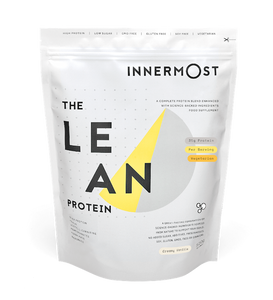
The Fit Protein contains 250mg of magnesium per serving, alongside vegan protein, maca, rhodiola root, cocomineral and Pink Himalayan sea salt, making it well suited to active lifestyles where performance, energy and recovery all matter.
The Strong Protein contains 200mg of magnesium per serving, alongside protein, casein, creatine monohydrate, Montmorency cherries and bilberries. This makes magnesium part of a broader strength and recovery blend, supporting people who train regularly and want their nutrition to work harder around their goals.
For evening recovery, The Recover Capsules are another good supplementation option, with magnesium included as part of a wider recovery-focused formula. This makes them a natural fit for people who want to support recovery at the end of the day, particularly when sleep, training and overall performance are closely connected.
When should you take magnesium for sleep?
Magnesium works best when it becomes part of a routine you can actually stick to.
Because magnesium supports relaxation and recovery rather than acting as a sedative, timing does not need to be overly complicated. The most effective approach is usually the one you can repeat consistently.
For many people, magnesium fits naturally into the evening. That might mean taking it with dinner, after training, or as part of a wider wind-down routine before bed. The aim is not to wait until you feel wired and then expect magnesium to force sleep. It is to give your body steady support at the point in the day when you want to start slowing down.
This is particularly relevant if your days are busy or training-focused. When your body has been under physical or mental demand, sleep is part of the recovery process. Magnesium can support that bigger picture by contributing to normal muscle function, nervous system function and energy metabolism.
Final thoughts: magnesium, sleep and recovery
Magnesium has earned its place in the sleep conversation, but it deserves to be understood properly.
It is an essential mineral with important roles in muscle function, nervous system function and recovery. For some people, particularly those who are active, stressed, low in magnesium-rich foods or struggling to wind down at night, supplementation may be a useful addition to an evening routine.
The key is to keep expectations realistic. Magnesium is not a shortcut to perfect sleep. It is a supportive tool that works best alongside consistent habits: sensible caffeine timing, less evening stimulation, good nutrition, proper recovery and a calm bedtime routine.
For Innermost, the bigger point is that form matters, but formulation matters too. Magnesium works best when it fits into a wider routine. That might mean supporting your intake through a recovery-focused product, taking supplements with food, and using them consistently rather than expecting an instant effect.
References
- Magnesium. National Institute for Health Professionals. Click here.
- Jewett, E., Sharma, S (2023). Physiology, GABA. National Library of Medicine. Click here.
- Mah, J., Pitre, T (2021).Oral magnesium supplementation for insomnia in older adults: a Systematic Review & Meta-Analysis. BMC Complementary Medicine and Therapies. Click here.