








icon-account icon-glass

Popular Products

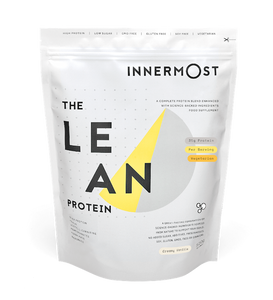
The Lean Protein
Whey protein powder for weight-loss.
The Energy Booster
Pre/intra-workout powder with BCAAs.

How to Start Going to the Gym - A Beginner’s Guide

11th February 2026

11th February 2026

By Josh Makin

Starting to go to the gym is often harder mentally than it is physically.

One of the biggest reasons many beginners struggle to hit the gym is because they’re afraid of being judged and lack the confidence to walk through the door in the first place. As a newcomer to fitness, you’re overwhelmed by choice, conflicting advice, and may have unrealistic expectations. Before you’ve even stepped foot inside, it can feel like you’re already behind.

The truth is, most people don’t need more information to start the gym. They need a clearer way of thinking about it.

This guide focuses on how to approach starting the gym sensibly, confidently, and sustainably, using the same principles experienced coaches rely on when working with beginners.

What most beginners get wrong about the gym

One of the biggest misconceptions about starting the gym is the belief that you need the perfect plan from day one.

Perfect workouts. Perfect motivation. Perfect consistency.

In reality, progress rarely starts that way. Starting the gym doesn’t require perfection; it requires a willingness to show up consistently and to try your best.

There are a few traps many beginners fall into, and it’s really important to avoid:

  • Trying to do too much too soon
  • Following overly complex programmes
  • Jumping between routine
  • Believing soreness or exhaustion equals effectiveness

These often lead to frustration, burnout, or injury, not because the person lacks discipline, but because their expectations are unrealistic. The result is usually giving up, going back to old habits and creating a vicious cycle that prevents any meaningful changes in the long term.

The gym rewards patience far more than intensity.

Kettle workout

The coach approach: how experienced trainers work with beginners 

When experienced coaches work with beginners, their priorities[1] are usually very simple. They want to build confidence in the individual, teach them basic movement patterns and create consistency because these are the pillars of good, sustainable results. They also want to inspire passion and find ways of training that you love, because you’re far more likely to stick at something you enjoy!

Notice what’s missing above: perfection. Establishing good fitness habits isn’t about being perfect, it’s about making small changes over time that add up to something much bigger. Trying to do everything perfectly right away becomes overwhelming very quickly!

A good coach will help new trainees to be realistic in their expectations and also reinforce that, with gym training, you really do get out what you put in. From a coaching perspective, the early phase of training is about building habits that last long enough for results to happen.

Consistent effort over a sustained period of time is key, and beats short, spaced-out periods of perfection in between doing nothing at all, every time.

Strength, fitness, and body composition all improve as a by-product of consistency. Without it, even the best programme fails.

Keep it simple: why complexity slows progress

A useful principle for beginners is the KISS approach[2]. It means Keep It Simple and refers to getting the basics right without overcomplicating things. Often, even for advanced gymgoers, doing the basics well and improving over time is more than enough to keep getting consistent results.

Simple training plans are not inferior. They’re effective because they allow you to learn exercises properly and track your progress with them more easily, which helps to keep you mentally engaged. Often you’ll find your recovery is better too, because you go in with a plan that you know is manageable.

Complexity often creates the illusion of progress without delivering it. Constantly changing exercises, workouts, or goals makes it harder to measure what’s actually improving. As humans we have a deep rooted fear of change[3] and keeping our bodies in a constant state of chaos and uncertainty simply causes them to do all they can to remain in equilibrium.

Simplicity gives your body and mind a chance to adapt. Instead of always changing things up, introducing that change slowly over time, with gradually increasing intensity, allows for meaningful progress that’s much more maintainable.

Workout Bag

Consistency beats motivation every time

Motivation is unreliable[4]. Even the most experienced gym-goers don’t feel motivated all the time. Relying on motivation to get you to the gym is a sure-fire way to sabotage yourself.

What matters far more is consistency. Showing up regularly enough for training to become routine rather than a decision means your sessions become part of your day. Before long, you’ll make time for them without even realising it. It all goes back to that dislike of change; making the gym, or fitness in general, an integrated part of your life means it’s no longer an alien presence and you’ll be much less likely to shy away from it.

In reality, this isn’t always as easy to implement as it sounds. This might mean you need to make adaptations[5], such as shorter sessions split over more days, or fewer, longer workouts each week. Train at a pace that feels manageable and remember, perfection isn’t the goal; consistency is. Progress is built on ‘average’ weeks repeated over time.

There’ll also be times when you really aren’t feeling it, things aren’t ‘clicking’ as they normally do or your training just feels harder than normal. If a session feels difficult, scaling it back is often smarter than skipping it altogether, unless you’re very ill or injured. Off days are completely normal and you should expect them. Learning to deal with them and push through is key!

Confidence, comparison, and gym anxiety

Feeling self-conscious in the gym is extremely common[6], especially at the beginning. It’s easy to assume that everyone else knows exactly what they’re doing, but the reality is that many are in the same boat as you and are just trying to work things out as they go.

It’s also common to feel like everyone is watching you, but that’s never the case! Most people are focused on their own workout, not judging yours. You’ll also find that the most intimidating looking people in the gym are often the most approachable. The enormous bodybuilder in the weights area likely looks that way because of years of hard work born from a lifelong passion for the gym - passion they’re often happy to share with you in the form of advice and guidance if you only ask.

Remember, everyone started somewhere and no one expects a beginner to be an expert. The key to confidence is practice and repetition. Over time, the gym will become a familiar environment rather than an intimidating one.

Safety, progression, and playing the long game

Good training prioritises safety and progression over ego.

That means learning proper technique before chasing bigger weights and increasing the difficulty gradually over time. Always allow sufficient time for rest between sets and, outside of the gym, proper recovery should be a top priority. Listen to early signs of fatigue or discomfort and realise that they are warning signs; back off, recover and play the long game.

Progress in the gym is not linear[7]. Some weeks feel easier than others, that’s normal. The goal is to stay healthy enough to keep training consistently.

In the long run, the safest approach is usually the most productive one.

Supporting your training outside the gym

What you do outside the gym plays a major role in how effective your training becomes.

Sleep, nutrition, stress management, and recovery all influence how well your body adapts to exercise. Adequate protein intake supports muscle repair and adaptation, particularly when learning new movements and building strength.

This is where the same principles of simplicity and evidence-led decision-making apply. Enriching your nutrition with supplements from a brand like Innermost can also help support your training and recovery. Our science-backed formulations are designed to support strength, performance, and recovery without unnecessary ingredients or exaggerated claims. Check out our full range of supplements to find out more. 

Training works best when it’s supported consistently, not optimised obsessively.Build the habit first

Starting the gym doesn’t require perfection[8], advanced knowledge, or extreme motivation. All it requires is a willingness to start simply, show up regularly, and allow progress to unfold over time.

By focusing on mindset, consistency, and sensible decision-making, you give yourself the best possible chance of building a long-term relationship with training, not just a short-lived burst of effort.

The habit comes first. The results follow.

References

[1] https://www.theptdc.com/articles/10-coaching-tips-to-help-beginner-clients-reach-their-fitness-goals

[2] https://thejoyoflifting.com/the-kiss-method-of-maintaining-strength/

[3] https://www.psychologytoday.com/gb/blog/stigma-addiction-and-mental-health/202504/why-we-fear-change-and-why-it-might-be-exactly-what

[4] https://lifeisorganized.com/business/why-motivation-is-overrated-and-what-actually-works/

[5] https://www.trainingpeaks.com/blog/4-habits-to-increase-your-consistency/

[6] https://www.underground-gym.com/community/afraid-of-the-gym-overcoming-common-gym-fears

[7] https://www.fulcrumfitness.com/blog/why-your-fitness-journey-isnt-linear-and-why-thats-actually-better

[8] https://www.puma-catchup.com/sportstyle/consistency-over-perfection/

Product Spotlight

Need Expert Advice?

Other Insights

The Best Gym Exercises for Beginners
Starting out in the gym can feel overwhelming. There’s no shortage of advice telling you what you should be doing, from new exercises to new machines and new programmes. The sources of this advice often promise better results faster than ever if you just buy into their fancy new product and it can all seem a bit complex, especially for a gym newbie. In reality, effective beginner training is far simpler than it looks. For most people new to the gym, the most effective exercises are built around five foundational movements: the squat, deadlift, row, overhead press, and bench press. These movements and their variants form the core of nearly all well-designed training programmes. Whether you’re a bodybuilder, powerlifter, sport focussed or just someone that wants to lose weight and get a bit fitter, these are the exercises that give you the most bang for your buck. They also have real world benefits[1] outside of the gym and learning how to do them safely and effectively is beneficial for everyone. The principles in this guide reflect how experienced strength coaches approach beginner training: prioritising simple, proven movements that build confidence, strength, and long-term resilience. We’ll explain why these exercises matter, how beginners can approach them safely, and how to build an effective training routine around them. How to approach your training as a beginner in the gym One of the biggest misconceptions about beginner training is that progress comes from doing more. More exercises, more variety, more complexity. In practice, the opposite is usually true. Beginners tend to make faster and more sustainable progress by focusing on a small number of well-chosen exercises, learning them properly, and applying progressive overload[2], or the process of steadily increasing the intensity or difficulty of your workouts over time. This might be through increasing weight, more sets/reps, reducing your rest time between sets or even improving your technique and form. Strength, coordination, and confidence are built over time with consistent effort, not through constantly switching things up and never mastering the basics. This approach is about creating a solid foundation for everything else to build on. Be mindful of where your fitness advice comes from The modern fitness space is noisy. Social media, apps, and online programmes offer an endless stream of workouts, hacks, and shortcuts but many these are poorly explained, poorly evidenced, or simply unsuitable for beginners. It can be tough to sort through the static and know what works for you, even for experienced gymgoers! When you’re new to training, it’s especially important to be selective about where your information comes from. Exercises and principles that stand the test of time usually do so for a reason. Movements that are widely used in strength training, rehabilitation, and athletic preparation are typically supported by decades of practical experience and scientific understanding. As a general rule, beginner training works best when it prioritises: Evidence-led principles Exercises that train multiple muscles and joints Gradual progression rather than constant change If something promises dramatic results through complexity alone, it’s rarely the best place to start. In general, be mindful of those who claim they can get you fast results with minimal effort; the reality is that real, sustainable progress comes slowly and consistently over time and learning to enjoy the journey is key! The KISS principle: why simplicity works A useful way to think about beginner training is the KISS principle[3] – it means Keep It Simple Stupid, Sweetie or some other variation of this. The principle applies well throughout your training career, even as you progress into more advanced or challenging training, and relates back to that ideology that the core of your training should always revolve around simple, effective exercises done well in a way that challenges you. It’s easy to think of simplicity as a lack of sophistication, but it’s actually a deliberate strategy. Repeating a small number of key exercises allows beginners to learn core movement patterns quickly and track progress clearly. You’ll find your confidence building and see your physical capabilities in daily life improving too! Rather than jumping between workouts, the KISS approach encourages mastery. Each session reinforces the last, making improvements easier to measure and sustain. The five exercises below aren’t random. Together, they cover the most important movement patterns the body needs to be strong, capable, and resilient. Remember, these exercises aren’t just for beginners Although this guide is written with beginners in mind, the exercises below are not “starter” movements that you leave behind as you progress. The squat, deadlift, row, overhead press, and bench press form the foundation of effective training at every level, from general fitness and bodybuilding to powerlifting and sport-specific performance. What changes over time isn’t the movement itself, but how it’s applied. Load increases, variations become more specific, and training goals evolve. The underlying movement patterns remain the same. Mastering these exercises early on can help to accelerate progress. The time spent building sound technique and strength carries forward into every future phase of training. Free weights vs machines Many people gravitate towards machines when they first join a gym. They can feel safer, more controlled, and easier to use and they absolutely have their place, particularly early on. In fact, studies have found the machines build the same amount of muscle and strength as free weights[4] in many circumstances. That said, free weight exercises offer distinct advantages when introduced appropriately. Unlike machines, free weights require your body to stabilise the load. This leads to: Greater activation of supporting muscles Strengthening of surrounding connective tissue Improved balance, coordination, and body awareness These benefits translate more directly to movements we all perform every day, such as lifting, carrying, pushing, and pulling. For those interested in weightlifting and other sports, free weights are also essential because they directly impact performance improvements. To put this simply: if you want to get better at bench press, you need to be bench pressing! The same applies to other sports too; if you’re going to be using a specific muscle group then using free weight exercises to strengthen it will have huge benefits. In summary, machines can be a useful tool, but learning to control your body and external load in space is a skill that pays dividends long-term. For most beginners, free weight training provides greater carryover beyond the gym. The five foundational gym exercises The exercises below form a simple but powerful framework for training at any level. You don’t need to start with heavy weights or advanced variations; the priority is learning the movement well. Each exercise has accessible variations and clear progression paths, making them suitable for beginners and effective for years to come. The squat The squat is the foundation of overall lower body strength[5] and teaches one of the most fundamental human movements: sitting down and standing up under control. It develops strength in the quadriceps, glutes, hamstrings, and core, while also improving balance and joint coordination. Learning to squat well builds confidence and lays the groundwork for nearly all lower-body training. As a newcomer to the gym, start simple and squat with your bodyweight. Focus on good form and depth, keeping your knees tracking in line with your toes and sitting backwards with your weight distributed evenly[6] over the middle of your feet. Think of it like you’re forming a tripod between the ball of your foot, the area by your pinky toe and your heel. Start with a shoulder width foot placement and together, these two points will give you the most stability. If you’re looking for more advice, we’ve written a full guide on how to squat correctly. Once you’ve mastered the bodyweight squat you can start to try new variations. Natural progressions from here are the goblet squat, where you squat holding a dumbbell, or varying your foot placement to emphasise different muscles (for example, a closer stance places more tension on the quads). When you’re comfortable with this, you can progress to a bar and slowly begin adding more load. The goal early on is control and consistency, not how much weight you can lift. Never sacrifice proper depth or form for more load as this can lead to injury and will actually result in less muscle stimulation and, therefore, less results. The deadlift Often referred to as the king of all movements and for good reason, the deadlift focuses on the hip hinge, a crucial movement pattern for lifting objects from the floor safely. It primarily trains the glutes, hamstrings, and back, while reinforcing good posture and spinal stability, but did you know the deadlift works almost every muscle in the body[7]? Done correctly, it teaches beginners how to generate strength without unnecessary strain. It also has some of the greatest functional benefits and carryover to everyday life of any gym exercise. Think about how often you need to pick things up every day; the deadlift teaches you how to do this safely and efficiently. To deadlift, place your feet around hip-width apart. Keep your chest pushed out to help your back stay straight. Hinge forward at the hips and bend your knees only as far as you need to meet the bar, then grip just outside of your legs. The deadlift is a pulling movement, but it can be helpful to think about pushing the ground away from you by driving through your feet to get the bar moving off the ground. Once you’re past your knees, think about pushing your hips forward into the bar to finish the movement. To lower the weight, simply reverse the movement. The deadlift is an exercise with (quite literally) a lot of moving parts, and it can be hard to execute for those with mobility issues. Fortunately, there are plenty of beginner friendly alternatives if you can’t do the full deadlift right away. You could try a rack pull or raised bar deadlift, where you begin with the weight slightly higher and operate within a reduced range of motion. You can then increase this over time until you can pull from the floor. You could also try deadlifting with a kettlebell, or even attempt the sumo variation, where your feet are placed wider and your hands grip inside of your legs. The row For strength in your upper back and improving posture issues so often caused by working an office job and being sat at a desk all day, the row is the perfect exercise. Rows train the muscles of the upper back and arms, supporting good posture and shoulder health. They also synergise perfectly with the deadlift, and you’ll find that improving in one almost always benefits the other. There are many variations of the row; you could go for the bent over barbell row or use a dumbbell to isolate each side of your body (known as unilateral training[8]). There’s also kettlebells, machines and more – the possibilities truly are endless! One thing these movements all have in common is that they involve pulling something towards you. Whichever variation of the row you choose, focus on retracting your shoulder first as this helps to target the back over the arms. Many gymgoers find their arms tiring first and that’s usually because they haven’t learnt to target their back with the proper movement! Something else that’s important to consider is that rows balance pressing movements and play an important role in long-term joint resilience. For beginners, they help develop control through the shoulder blades and reinforce upper body pulling strength. The overhead press The overhead press, often known as the military press, develops shoulder strength while engaging the core and upper back for stability. It teaches coordination between the upper body and trunk, making it a valuable full-body exercise rather than just a shoulder movement. Pressing from a standing position, especially with a bar, requires good posture and overall body strength to be able to get the weight to the starting position. If you’re struggling with this then there are plenty of variations you can try instead. Beginners may start with seated dumbbell presses, landmine presses, or lighter barbell variations, progressing as technique improves. Whichever variant of the shoulder press you choose, one universally useful tip is to focus on pressing through the shoulders. This helps with maximum muscle activation and therefore gives the most benefit from the exercise. The bench press Ah, the bench press. It’s one of the most well-known gym exercises, most likely because it’s gained a bit of a reputation as being exclusively for men overly concerned about their appearance. In truth, when approached correctly, it’s a highly effective movement that anyone can benefit from. It develops strength in the chest, shoulders, and triceps while teaching control through the upper body. Pressing movements are one of the most common that we do in daily life and the bench press assists with these, but it also improves shoulder mobility and helps us bring our arms across our bodies, meaning being good at the bench press helps with our overall mobility. The premise of the movement itself is fairly simple, though mastering it requires plenty of practice and dedication. To perform the bench press, lay flat on the bench facing upwards and take a comfortable grip, usually somewhere around shoulder width apart. Take the weight, then lower it under control to your chest and press upwards, engaging your chest, shoulders and triceps. Try to get all the way down if your mobility allows. If not, focus on improving this until you’re able to perform the full range of motion. If the bar proves too tough, then try either a dumbbell or machine variant first as these will allow a bit more freedom of movement. Dumbbells can actually be more effective for building strength in the stabilising muscles around your chest. Regardless of the variation you choose, experiment with different levels of incline and decline to shift the focus to different areas of your chest when you feel ready to do so. As with all pressing movements, balanced pulling work (such as rows) is key to keeping shoulders healthy. Honourable mention: the pull-up While not included as one of the above core exercises, the pull up is widely regarded as one of the best indicators of overall upper body strength and is a valuable long-term goal for many beginners. It develops vertical pulling strength and upper-body control. Variations such as lat pulldowns, assisted pull-ups, band-assisted reps, and controlled negatives allow beginners to work towards full pull-ups progressively. Rather than a requirement, the pull-up works best as a milestone and something to build towards over time. When you do your first one unassisted, it feels fantastic and is a great achievement! How to build a beginner programme around these exercises These movements work best when repeated regularly rather than rotated constantly. For most beginners, training three to four times per week[9] is sufficient. Sessions can be structured as full-body workouts or simple upper/lower splits. A typical session might include: One lower-body movement (squat or deadlift) One pushing exercise One pulling exercise This structure keeps training focused, balanced, and sustainable, while making progress easy to track. Common beginner mistakes to avoid Some of the most common barriers to progress include: Changing exercises too frequently – Remember, consistency always wins over constant variation. You’ll sometimes hear the term ‘muscle confusion’ banded around but don’t listen; this isn’t a ‘real’ concept at all. Yes, you need to keep challenging yourself to progress but that’s the point – muscles don’t need confusion[10], they need progression! Doing too much, too soon – The gym can become addictive really fast! And sure, it’s great for you both physically and mentally, but you need to make sure you’re pacing yourself. Overtraining is a very real issue and you need to listen to your body. Take it steady, enjoy the journey and watch as you transform over time! Chasing soreness rather than consistency – This is a big one. A common misconception is that sore muscles means a good workout, it doesn’t! Instead, focus on your progression both inside the gym and in the mirror. If your appearance is changing for the better or your lifts, endurance or technique are improving then this is a much better indicator of good training! Neglecting rest and recovery – Perhaps the most important of all. Growth and progress doesn’t happen in the gym, it happens outside of it. Your training is just the stimulus. It’s what you do to support it that affects the results you get. Ensuring you get enough rest between your sessions and put effort into proper recovery and nutrition is crucial. Strength develops through repetition, patience, and gradual progression. The basics work best when given time to do so. Supporting your training outside the gym Training is only one part of the equation. How you recover, fuel, and support your body outside the gym plays a major role in how well you progress. Adequate protein intake supports muscle repair and adaptation, particularly when learning new movements and building strength for the first time. Sleep, stress management, and overall nutrition all influence energy levels, recovery, and consistency. As with training, the goal isn’t complexity, it’s reliability. Supporting your body consistently allows the work you do in the gym to have its intended effect. Fortunately, at Innermost, we have an entire range of science backed products built solely with your performance and wellbeing in mind. For the ultimate protein for strength, try The Strong Protein and see how its innovative blend of top quality ingredients helps you to make the most of your training and maximise your results. In the market for something else? Check out our other products to find one which is right for you and your goals. Build your foundation Beginner training doesn’t need to be complicated to be effective. By focusing on a small number of proven exercises, filtering out unnecessary noise, and committing to consistency, you give yourself the best possible platform for long-term progress. Master the basics, build patiently, and you’ll carry the benefits of these movements through every stage of your training journey. [1] https://www.bupa.co.uk/newsroom/ourviews/healthy-weightlifting [2] https://health.clevelandclinic.org/progressive-overload [3] https://thejoyoflifting.com/the-kiss-method-of-maintaining-strength/ [4] https://pmc.ncbi.nlm.nih.gov/articles/PMC10426227/ [5] https://www.stonarke.com/blogs/articles/squat-foundation-performance-injury-prevention [6] https://www.garagestrength.com/blogs/news/how-to-squat-technique-improvements-common-mistakes [7] https://www.menshealth.com/uk/building-muscle/a64160698/what-muscles-do-deadlifts-work/ [8] https://hevycoach.com/glossary/unilateral-training/ [9] https://www.riotstrong.com/blog/how-often-should-beginners-work-out [10] https://trainingbyrobyn.com/blog/the-truth-about-muscle-confusion-should-we-constantly-change-our-workoutsbr Read more
Soy Free Protein
Protein supplements have long been the star of the nutrition game and with the market size projected to more than double by 20331, there are more options available than ever before. Gone are the days of whey or the highway (sorry), with a wider range of protein sources than ever before to choose from on today’s shelves. For one reason or another, soy protein isn’t an option for many people - so what are the alternatives and what benefits do they offer? We’ll answer both of those questions, and more, in this blog. Why choose a soy free protein? There are several reasons someone might opt for a non-soy protein option, some of the most common include: Allergies and intolerances - soy is one of the major food allergens and many people choose to avoid it in their diet. Nutritional value - some studies have found soy protein to have less of an impact on body composition2 than some other protein sources. Digestibility - soy can be difficult to digest3, which can cause discomfort, bloating and other gut health issues. Hormones - whilst research doesn’t support these claims, some people have concerns about the possible hormonal effects of soy4 for both men and women. Dietary preferences - aside from allergies and intolerances, some people choose to avoid soy for reasons like taste or texture. Soy free protein powder & nutritional benefits If you’re one of the many people who abstain from soy, fret not. There are many non-soy protein options out there for you, and many of these offer comparable or better levels of nutrition.  Soy free protein amino acid profile Soy is a complete protein - meaning it provides all nine essential amino acids - but there are several other complete proteins out there for you to choose from. Whey, pea and egg white proteins also contain these essential amino acids, albeit in different densities. Digestibility As soy can be hard to digest for some, other ‘gentler’ vegan options such as pea or rice proteins are a popular choice. Micronutrient coverage Aside from the obvious protein content, a lot of soy free options offer a wide range of extra micronutrients which can be a nice bonus. For example, hemp protein offers omega-3s and fibre5, whilst pea protein is a great source of iron6.  Is soy protein gluten-free? Yes! Soy protein is naturally gluten free, but it is not the only GF protein source. Many whey proteins are gluten free, as are other vegan protein blends. Just make sure you check the specific nutritional information for any product you choose, if gluten is a no-go for you.  Comparing soy free protein powder options Whey protein Whey protein is by far the most commonly used protein source for supplements - and for good reason. Whey is a complete protein with a high concentration of protein7 per serving and is typically one of the more affordable options.  It’s so good, in fact, that we use it as the source for both The Strong Protein and The Lean Protein at Innermost - two protein supplements with a bunch of other nutritional goodies packed in.  Pea & brown rice protein Looking at non soy vegan protein options, pea protein and brown rice protein both offer good nutritional value but together they are even stronger. Pea protein is high in BCAAs (especially leucine) and brown rice protein has a little more methionine – together they fill any nutritional gaps the other has to offer a great complete protein option. Our vegan protein powders are powered by pea and brown rice protein, including The Health Protein and The Fit Protein. How to choose the right soy free protein powder Whichever brand or soy free protein product you decide to go with, there’s a few key things to keep in mind before you hit purchase. Check for soy free and allergen free labelling (you can never be too careful if allergies are at play) Look for complete amino acid profiles for best results Consider your goals vs what the product offers Choose transparent, minimal ingredients lists where possible Whichever one you choose, opting for a soy free protein is a great idea if you’re looking for better digestibility, fewer allergens and wider nutritional benefits. If you’re still unsure, take a look at our range of protein powders to find which one might suit you best – we’re confident you’ll find your perfect one. References 1. Grand View Research (2023) Protein supplements market size, share & trends analysis report. Click here. 2. Piri Damaghi M, Mirzababaei A, Moradi S, Daneshzad E, Tavakoli A, Clark CCT, Mirzaei K. Comparison of the effect of soya protein and whey protein on body composition: a meta-analysis of randomised clinical trials. Br J Nutr. 2022 Mar 28;127(6):885-895. doi: 10.1017/S0007114521001550. Epub 2021 May 11. PMID: 33971994. Click here. 3. Nutritional Weight & Wellness (2024) Is Soy Good For You? Click here. 4. Kurzer MS. Hormonal effects of soy in premenopausal women and men. J Nutr. 2002 Mar;132(3):570S-573S. doi: 10.1093/jn/132.3.570S. PMID: 11880595. Click here. 5. Julson E. Hemp Protein Powder: The Best Plant-Based Protein? Healthline. July 2023. Click here. 6. Chin K. Pea Protein Powder: Nutrition, Benefits and Side Effects. Healthline. March 2023. Click here.  7. Davidson K. Plant-Based Protein vs. Whey Protein: Which Is Better? Healthline. August 2024. Click here. Read more