










Protein supplements have long been the star of the nutrition game and with the market size projected to more than double by 20331, there are more options available than ever before.
Gone are the days of whey or the highway (sorry), with a wider range of protein sources than ever before to choose from on today’s shelves.
For one reason or another, soy protein isn’t an option for many people - so what are the alternatives and what benefits do they offer? We’ll answer both of those questions, and more, in this blog.
Why choose a soy free protein?
There are several reasons someone might opt for a non-soy protein option, some of the most common include:
- Allergies and intolerances - soy is one of the major food allergens and many people choose to avoid it in their diet.
- Nutritional value - some studies have found soy protein to have less of an impact on body composition2 than some other protein sources.
- Digestibility - soy can be difficult to digest3, which can cause discomfort, bloating and other gut health issues.
- Hormones - whilst research doesn’t support these claims, some people have concerns about the possible hormonal effects of soy4 for both men and women.
- Dietary preferences - aside from allergies and intolerances, some people choose to avoid soy for reasons like taste or texture.

Soy free protein powder & nutritional benefits
If you’re one of the many people who abstain from soy, fret not. There are many non-soy protein options out there for you, and many of these offer comparable or better levels of nutrition.
Soy free protein amino acid profile
Soy is a complete protein - meaning it provides all nine essential amino acids - but there are several other complete proteins out there for you to choose from.
Whey, pea and egg white proteins also contain these essential amino acids, albeit in different densities.
Digestibility
As soy can be hard to digest for some, other ‘gentler’ vegan options such as pea or rice proteins are a popular choice.
Micronutrient coverage
Aside from the obvious protein content, a lot of soy free options offer a wide range of extra micronutrients which can be a nice bonus.
For example, hemp protein offers omega-3s and fibre5, whilst pea protein is a great source of iron6.
Is soy protein gluten-free?
Yes! Soy protein is naturally gluten free, but it is not the only GF protein source.
Many whey proteins are gluten free, as are other vegan protein blends. Just make sure you check the specific nutritional information for any product you choose, if gluten is a no-go for you.
Comparing soy free protein powder options
Whey protein
Whey protein is by far the most commonly used protein source for supplements - and for good reason.
Whey is a complete protein with a high concentration of protein7 per serving and is typically one of the more affordable options.
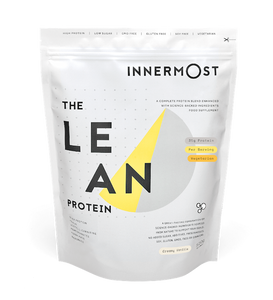
It’s so good, in fact, that we use it as the source for both The Strong Protein and The Lean Protein at Innermost - two protein supplements with a bunch of other nutritional goodies packed in.
Pea & brown rice protein
Looking at non soy vegan protein options, pea protein and brown rice protein both offer good nutritional value but together they are even stronger.
Pea protein is high in BCAAs (especially leucine) and brown rice protein has a little more methionine – together they fill any nutritional gaps the other has to offer a great complete protein option.
Our vegan protein powders are powered by pea and brown rice protein, including The Health Protein and The Fit Protein.
How to choose the right soy free protein powder
Whichever brand or soy free protein product you decide to go with, there’s a few key things to keep in mind before you hit purchase.
- Check for soy free and allergen free labelling (you can never be too careful if allergies are at play)
- Look for complete amino acid profiles for best results Consider your goals vs what the product offers
- Choose transparent, minimal ingredients lists where possible
- Whichever one you choose, opting for a soy free protein is a great idea if you’re looking for better digestibility, fewer allergens and wider nutritional benefits.
- If you’re still unsure, take a look at our range of protein powders to find which one might suit you best – we’re confident you’ll find your perfect one.

References
1. Grand View Research (2023) Protein supplements market size, share & trends analysis report. Click here.
2. Piri Damaghi M, Mirzababaei A, Moradi S, Daneshzad E, Tavakoli A, Clark CCT, Mirzaei K. Comparison of the effect of soya protein and whey protein on body composition: a meta-analysis of randomised clinical trials. Br J Nutr. 2022 Mar 28;127(6):885-895. doi: 10.1017/S0007114521001550. Epub 2021 May 11. PMID: 33971994. Click here.
3. Nutritional Weight & Wellness (2024) Is Soy Good For You? Click here.
4. Kurzer MS. Hormonal effects of soy in premenopausal women and men. J Nutr. 2002 Mar;132(3):570S-573S. doi: 10.1093/jn/132.3.570S. PMID: 11880595. Click here.
5. Julson E. Hemp Protein Powder: The Best Plant-Based Protein? Healthline. July 2023. Click here.
6. Chin K. Pea Protein Powder: Nutrition, Benefits and Side Effects. Healthline. March 2023. Click here.
7. Davidson K. Plant-Based Protein vs. Whey Protein: Which Is Better? Healthline. August 2024. Click here.