









icon-account icon-glass

Popular Products

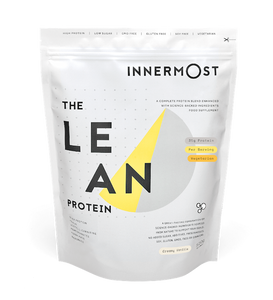
The Lean Protein
Whey protein powder for weight-loss.
The Energy Booster
Pre/intra-workout powder with BCAAs.

Nutrition:

I've Been Taking Creatine Every Day For Six Years
Something happens in March. The people who started strong in January, the ones with the new routine, the new kit, the renewed sense of purpose, are now splitting into two groups. The ones who've lost momentum. And the ones asking sharper questions. Not "what should I take?" but "what actually works?" Creatine keeps coming up. And every time it does, I notice the same pattern: people either swear by it without really understanding why, or they assume it's something bodybuilders use and leave it alone.I've been taking it every single day for six years. So let me tell you what I actually know. Why I started I didn't start taking creatine for the reasons most people assume. I wasn't trying to get bigger. I was training consistently, eating well, and hitting a wall. That frustrating place where effort stops translating into progress. A friend with a sports science background told me creatine was the most researched supplement in existence. More peer-reviewed studies than almost anything else on the market. That got my attention. So I started. And I kept going. What I noticed The first week, nothing dramatic. But over the following three to four weeks, something shifted. I could push a little harder. An extra rep. Slightly more on the bar. Training sessions that didn't end in the usual flat feeling of having nothing left. Those are marginal gains. They don't feel significant in the moment. But they compound. Over months, they're the difference between a plateau and real, measurable progression. The one time I stopped, about two years in, during a stretch of heavy travel where I got lazy about it, I felt the absence more than I expected. Not immediately. But within a few weeks, training felt duller. Less sharp. I put it back in and haven't looked back since. I also noticed something I hadn't anticipated: my thinking felt clearer on the days I trained hard. I assumed it was the exercise. I later learned creatine may have had something to do with that too. What creatine actually does Most people think of creatine as a muscle supplement. That's not quite right. What creatine does is help your body regenerate ATP, adenosine triphosphate, more efficiently. ATP is your cells' primary energy currency. It's what your muscles burn during intense effort. But it's also what your brain runs on. Here's the mechanism: during high-intensity exercise, your body depletes ATP rapidly. Creatine stored in muscle tissue, in the form of phosphocreatine, allows you to replenish that ATP faster. That's why creatine consistently improves performance in short, explosive efforts: weightlifting, sprinting, high-intensity intervals. But the same ATP recycling process happens in the brain. A growing body of research suggests creatine may support cognitive performance, particularly under conditions of stress or sleep deprivation. A 2021 study published in Scientific Reports found meaningful improvements in memory and cognitive function following supplementation. It's not a nootropic in the trending sense of the word. But the evidence is real, and it applies to more people than the gym crowd. The effective dose is well established: 3 to 5 grams per day, taken consistently. No loading phase required. No cycling. Just daily consistency, and that's where most people go wrong. What the industry does instead Creatine monohydrate has been around for decades. That's a problem for brands that need something new to sell. So new formats appear. Creatine HCL. Buffered creatine. Kre-Alkalyn. Creatine ethyl ester. Creatine gummies. Each one marketed as superior: faster absorbing, more bioavailable, easier on the stomach. The evidence doesn't support it. Multiple head-to-head comparisons, including a widely cited review in the Journal of the International Society of Sports Nutrition, found no meaningful performance advantage for alternative creatine forms over monohydrate. In some cases, the alternatives perform worse per gram of active compound. In the case of creatine gummies, several brands including some very large ones have been shown not to contain the creatine concentrations they claim on the label. What you actually want is simple: a clinically relevant dose of creatine monohydrate, taken every day. That's it. What I use The Power Booster is 100% pure creatine monohydrate, nothing added, nothing unnecessary. Five grams per serving, which sits right at the evidence-supported daily dose. It's not complicated because it doesn't need to be. The science on creatine monohydrate is already settled. The job is just to take it consistently. (If you have a friend still on the fence about creatine, forward this their way. It's one of those rare supplements where the evidence is clear enough to just recommend without caveats.) Read more
The Ingredient We Almost Didn't Put In The Energy Booster
There's a question we ask about every ingredient before it goes into a product. Not "is this trending?" Not "does it look good on the label?" Just: does the evidence actually support putting this in? Most of the time, that question is straightforward. Either the research is there or it isn't. But occasionally you land on an ingredient where the science says yes and something else gives you pause. That's where formulation gets genuinely interesting. Beta alanine was one of those decisions. What Beta Alanine Actually Does Most people who've taken a pre-workout have felt beta alanine without knowing it. It's the ingredient responsible for the tingling sensation you get in your face, your neck, your hands. That feeling has a name: paraesthesia. It's harmless. But it's also the reason we nearly left beta alanine out. Before I get to that, the science. Beta alanine is a non-essential amino acid. On its own, it doesn't do very much. But inside muscle tissue, it binds with another amino acid called histidine to form something called carnosine. And carnosine is where the real work happens. During intense exercise, your muscles produce hydrogen ions as a byproduct of energy production. It's the build-up of those hydrogen ions, not lactic acid as most people think, that causes the burning sensation and the drop-off in performance. Carnosine acts as a buffer. It mops up those hydrogen ions and delays the point at which fatigue kicks in. The research on this is substantial. A 2012 meta-analysis published in the journal Amino Acids, covering over 40 studies, found that beta alanine supplementation consistently improved exercise capacity, particularly in high-intensity efforts lasting between one and four minutes. The effect size was meaningful and reproducible. This wasn't a promising pilot study. It was a decade of accumulated evidence pointing in the same direction. In practical terms: more reps before failure. More output before you hit the wall. Sustained performance over a longer window. So why the hesitation? The decision we almost got wrong The tingling. Not because it's dangerous. It isn't. The paraesthesia from beta alanine is a well-understood pharmacological response and there is no evidence of harm at the doses used in supplementation. But we had a real concern: if someone takes The Workout Blend for the first time and feels an unexpected tingling in their face, and nobody told them it was coming, we've just lost their trust. Possibly permanently. The easy path was to leave it out. Plenty of pre-workout formulas do exactly that, either because they're being cautious or because they want a smoother consumer experience. No ingredient, no explanation required. We talked about it a lot. And the conclusion we kept coming back to was this: removing an ingredient with strong evidence because it might confuse people is not how we want to make formulation decisions. That's the same logic that leads brands to include ingredients with weak evidence because they're more familiar, more comfortable, more sellable. The answer wasn't to remove it. The answer was to be upfront about it. The tingling means the beta alanine is working. It's a real physiological response to a real ingredient doing a real thing. If we believe in the science, we include the ingredient and we explain what's happening. That felt like the right standard to hold ourselves to. What the rest of the market does Most pre-workout formulas fall into one of two categories.The first is the stimulant-heavy formula. Stacked with caffeine at doses that produce a short spike, a noticeable crash, and not much else underneath. These sell well because the immediate sensation of energy feels like evidence that something is working. It often isn't, not in any meaningful physiological sense beyond what caffeine alone would do. The second is the proprietary blend. A long list of ingredients with no disclosed amounts, making it impossible to know whether any of them are present at doses that match the research. Proprietary blends let brands list an ingredient without committing to a dose that would actually work. Both approaches optimise for perception. Neither optimises for performance. What I'd recommend The Energy Booster (soon to be renamed to The Workout Blend) contains beta alanine alongside citrulline malate, which supports nitric oxide production and blood flow during training, BCAAs at a 2:1:1 ratio to safeguard lean muscle, and natural caffeine from guarana for sustained energy without the spike you get from synthetic sources. The formulation is built around what the research supports at doses that match the evidence. If you feel the tingling the first time you take it, that's the beta alanine. It's normal, it fades within 20 minutes or so, and it's a sign the formula is doing what it's supposed to do. Read more
Our Top Tips For Maintaining A Healthy Daily Wellness Routine
Muscle: The New Longevity Biomarker
A few years ago, muscle meant one thing - Aesthetics. Size. Definition. Abs in good lighting. But that framing is outdated. Today, muscle is being discussed in medical literature as something very different. Not vanity. Not ego. Not “gym culture.” Muscle is increasingly viewed as a longevity biomarker. And for those of us in our 30s and 40s who still train, still work hard, still want to feel capable as life gets busier, that matters. Because this isn’t about looking 22. It’s about moving well at 32, 42 or 52.   Muscle Is Metabolic Infrastructure Skeletal muscle is not just tissue that contracts. It is one of the body’s primary metabolic organs. It is the largest site of glucose disposal. It plays a critical role in insulin sensitivity. It acts as a reservoir of amino acids during stress. It influences inflammation, hormone balance, and even immune resilience. Multiple large cohort studies have shown that higher lean mass is associated with lower all-cause mortality. Loss of muscle with age, known as sarcopenia, predicts frailty, falls, metabolic dysfunction, and loss of independence. That’s not fitness industry hype. That’s epidemiology. At 22, muscle is impressive. At 42, muscle is protective. That shift in perspective changes everything.   The Reality of Ageing Physiology From our mid-30s onward, muscle protein synthesis becomes less responsive. We need a slightly stronger signal to stimulate growth and repair. Recovery slows. Sleep becomes lighter. Stress has a bigger physiological cost. None of this is dramatic. It is gradual. But gradual decline is still decline. Based on our customer surveys that you kindly complete from time to time, we see that many of us do not train because we’re insecure. We train because we want to stay capable. We want to keep progressing. We want to look athletic, yes, but more importantly, we want to feel strong in meetings, on long-haul flights, on weekend runs, and as we get older. Wellness, for you, is infrastructure. Not identity. Muscle is part of that infrastructure.   The Protein Signal Matters More Than Volume One of the most underappreciated realities of ageing physiology is that protein intake becomes more important, not less. Research suggests that as we age, we require a slightly higher per-meal dose of high-quality protein to maximally stimulate muscle protein synthesis. The amino acid leucine plays a key role in triggering this process. That means: Total daily protein matters Distribution across the day matters Quality and digestibility matter This is not about chasing extreme intake. It is about ensuring the signal is strong enough to maintain and build lean tissue in a body that is no longer 21. For many of you, that is exactly why The Strong Protein exists in your routine. Not because you want to “bulk,” but because you understand that maintaining muscle is a daily habit, not a seasonal goal. It is simple. Behaviour-light. Infrastructure.   Recovery Is Where Muscle Becomes Longevity Building muscle is not just about training stimulus. It is about the recovery environment that allows adaptation to occur. Sleep quality. Electrolyte balance. Stress management. Micronutrient sufficiency. Chronic under-recovery accelerates muscle breakdown. Elevated cortisol, inadequate protein intake, and high life stress create a net catabolic environment. That is where structure becomes powerful. For some of you, that structure includes: Prioritising protein post-training Supporting cellular energy production Managing oxidative stress and inflammation The Power Booster (pure creatine monohydrate) and The Recover Capsules (our unique science-backed recovery supplement) were built around that idea. Not to create dependency. Not to promise miracles. But to support the physiological processes that allow training to compound rather than break you down. Muscle is not built in the gym. It’s built in recovery. And recovery is increasingly what separates the 35-year-old who thrives from the 35-year-old who plateaus. This Is Not Gym Culture The supplement industry still markets protein like it is 2008. Aggressive language. Shredded physiques. Short-term transformations. But that narrative misses the real story. The real story is metabolic resilience. The real story is blood sugar stability during long workdays. The real story is maintaining lean mass during high-stress periods so you do not feel physically diminished when life demands more from you. You are not trying to become someone else. You are trying to sustain who you are becoming. That is a very different motivation. The Compounding Effect Muscle does not protect you overnight. It compounds. Every training session completed.Every protein target met.Every recovery cycle respected. The benefit accrues quietly. Five years from now, you either have more lean mass than you do today, or less. That difference will influence how you move, how you metabolise food, how you respond to stress, and how independent you remain later in life. It is subtle. But it is powerful. Many of us already understand something that trends often ignore. Health is not a six-week challenge. It is a decades-long investment. Muscle is not aesthetic. It’s insurance. Insurance against frailty. Insurance against metabolic dysfunction. Insurance against the quiet erosion of capability. And unlike most insurance policies, this one improves how you feel today while it protects you tomorrow. If you train, you are already sending the signal. The question is whether your nutrition and recovery support that signal strongly enough. Because the goal is not to look young. The goal is to stay capable. Read more
Start Your Day Right; My Morning Routine
There’s one thing I do every morning before coffee, before training, before emails. It’s not a supplement stack or a ritual I’ve copied from someone else. It’s how I hydrate. Most of us have been told the same thing for years.Drink more water. Carry a bottle. Aim for eight glasses a day. And to be fair, that advice isn’t wrong. Being under-hydrated doesn’t help anyone. But here’s the part that rarely gets talked about. A lot of people are drinking plenty of water and still feeling flat. Low energy. Headaches. Muscle cramps. Poor recovery from training. That mid-afternoon slump that no amount of coffee seems to fix. The issue isn’t always how much water you’re drinking. It’s whether your body can actually use it.   Hydration isn’t just about water At a physiological level, hydration is about moving water into cells and keeping it there. That process depends on electrolytes. Sodium, potassium, magnesium and chloride help regulate fluid balance, nerve signalling and muscle contraction. They’re what allow water to be absorbed, distributed and retained where it matters. When those minerals are low, water tends to pass straight through you. You can drink glass after glass and still be functionally under-hydrated at a cellular level. That’s why “drink more water” sometimes feels like advice that never quite lands.   Why this is more common than people realise Modern life quietly stacks the odds against proper hydration. Most of us drink filtered water, which removes contaminants but also strips out naturally occurring minerals. We train hard. We sweat. We drink coffee. We travel. We live under fairly constant cognitive and emotional stress. None of that is a problem on its own. But together, it increases mineral turnover without most people ever consciously replacing what’s lost. The result isn’t dramatic dehydration. It’s low-grade depletion. It shows up subtly, not as thirst, but as things feeling harder than they should.   What this looks like in practice You might recognise some of this: Needing caffeine to feel switched on Headaches despite “hydrating” Tight calves or hamstrings during training Feeling flat or foggy in the afternoon Poor recovery between sessions None of these are red flags on their own. But together they often point to hydration that isn’t quite doing its job.   What I do personally Most mornings, the first thing I drink is water with electrolytes. Not because it’s trendy.Not because I’m trying to biohack anything. But because it works. Over time, I noticed more consistent energy, better training sessions, fewer headaches and improved recovery, especially in hot climates or high-stress periods. It became part of my baseline rather than something I reached for only after sweating buckets. That’s also why we created The Hydrate Blend. Not as a sugary sports drink. Not as something reserved for endurance athletes. But as a clean, balanced electrolyte designed for daily use. No artificial sweeteners. No excessive sugar. No synthetic ingredients. All the 6 electrolytes your body needs (not just magnesium, potassium and sodium), in ratios that make sense.   Hydration as Infrastructure I don’t think of hydration as a supplement. Think of it as infrastructure. Just like protein supports muscle, and sleep supports recovery, hydration underpins pretty much everything else you’re trying to do. Training quality. Focus at work. Mood. Recovery. When hydration is off, everything else feels like more effort. When it’s right, you don’t notice it. Things just run more smoothly. That’s usually the sign you’ve got the basics covered. This isn’t about overthinking things You don’t need to track electrolytes obsessively or turn hydration into another source of stress. For most people, it’s as simple as being intentional at the moments that matter most. First thing in the morning. Before training. After heavy sweating. During travel. Those are the points where supporting hydration tends to have the biggest return.   A Simple Experiment If what I’ve said resonates with, try a small change for a week. Start your day with water plus electrolytes.Then pay attention to your energy, training quality and recovery.Notice how you feel in the afternoon compared to usual. No need to force more water than feels natural. Just hydrate a little smarter. Habit hack: keep your box of The Hydrate Blend on your bedside table so it’s the first thing you reach for when you wake up. Read more
The Best Gym Exercises for Beginners
Starting out in the gym can feel overwhelming. There’s no shortage of advice telling you what you should be doing, from new exercises to new machines and new programmes. The sources of this advice often promise better results faster than ever if you just buy into their fancy new product and it can all seem a bit complex, especially for a gym newbie. In reality, effective beginner training is far simpler than it looks. For most people new to the gym, the most effective exercises are built around five foundational movements: the squat, deadlift, row, overhead press, and bench press. These movements and their variants form the core of nearly all well-designed training programmes. Whether you’re a bodybuilder, powerlifter, sport focussed or just someone that wants to lose weight and get a bit fitter, these are the exercises that give you the most bang for your buck. They also have real world benefits[1] outside of the gym and learning how to do them safely and effectively is beneficial for everyone. The principles in this guide reflect how experienced strength coaches approach beginner training: prioritising simple, proven movements that build confidence, strength, and long-term resilience. We’ll explain why these exercises matter, how beginners can approach them safely, and how to build an effective training routine around them. How to approach your training as a beginner in the gym One of the biggest misconceptions about beginner training is that progress comes from doing more. More exercises, more variety, more complexity. In practice, the opposite is usually true. Beginners tend to make faster and more sustainable progress by focusing on a small number of well-chosen exercises, learning them properly, and applying progressive overload[2], or the process of steadily increasing the intensity or difficulty of your workouts over time. This might be through increasing weight, more sets/reps, reducing your rest time between sets or even improving your technique and form. Strength, coordination, and confidence are built over time with consistent effort, not through constantly switching things up and never mastering the basics. This approach is about creating a solid foundation for everything else to build on. Be mindful of where your fitness advice comes from The modern fitness space is noisy. Social media, apps, and online programmes offer an endless stream of workouts, hacks, and shortcuts but many these are poorly explained, poorly evidenced, or simply unsuitable for beginners. It can be tough to sort through the static and know what works for you, even for experienced gymgoers! When you’re new to training, it’s especially important to be selective about where your information comes from. Exercises and principles that stand the test of time usually do so for a reason. Movements that are widely used in strength training, rehabilitation, and athletic preparation are typically supported by decades of practical experience and scientific understanding. As a general rule, beginner training works best when it prioritises: Evidence-led principles Exercises that train multiple muscles and joints Gradual progression rather than constant change If something promises dramatic results through complexity alone, it’s rarely the best place to start. In general, be mindful of those who claim they can get you fast results with minimal effort; the reality is that real, sustainable progress comes slowly and consistently over time and learning to enjoy the journey is key! The KISS principle: why simplicity works A useful way to think about beginner training is the KISS principle[3] – it means Keep It Simple Stupid, Sweetie or some other variation of this. The principle applies well throughout your training career, even as you progress into more advanced or challenging training, and relates back to that ideology that the core of your training should always revolve around simple, effective exercises done well in a way that challenges you. It’s easy to think of simplicity as a lack of sophistication, but it’s actually a deliberate strategy. Repeating a small number of key exercises allows beginners to learn core movement patterns quickly and track progress clearly. You’ll find your confidence building and see your physical capabilities in daily life improving too! Rather than jumping between workouts, the KISS approach encourages mastery. Each session reinforces the last, making improvements easier to measure and sustain. The five exercises below aren’t random. Together, they cover the most important movement patterns the body needs to be strong, capable, and resilient. Remember, these exercises aren’t just for beginners Although this guide is written with beginners in mind, the exercises below are not “starter” movements that you leave behind as you progress. The squat, deadlift, row, overhead press, and bench press form the foundation of effective training at every level, from general fitness and bodybuilding to powerlifting and sport-specific performance. What changes over time isn’t the movement itself, but how it’s applied. Load increases, variations become more specific, and training goals evolve. The underlying movement patterns remain the same. Mastering these exercises early on can help to accelerate progress. The time spent building sound technique and strength carries forward into every future phase of training. Free weights vs machines Many people gravitate towards machines when they first join a gym. They can feel safer, more controlled, and easier to use and they absolutely have their place, particularly early on. In fact, studies have found the machines build the same amount of muscle and strength as free weights[4] in many circumstances. That said, free weight exercises offer distinct advantages when introduced appropriately. Unlike machines, free weights require your body to stabilise the load. This leads to: Greater activation of supporting muscles Strengthening of surrounding connective tissue Improved balance, coordination, and body awareness These benefits translate more directly to movements we all perform every day, such as lifting, carrying, pushing, and pulling. For those interested in weightlifting and other sports, free weights are also essential because they directly impact performance improvements. To put this simply: if you want to get better at bench press, you need to be bench pressing! The same applies to other sports too; if you’re going to be using a specific muscle group then using free weight exercises to strengthen it will have huge benefits. In summary, machines can be a useful tool, but learning to control your body and external load in space is a skill that pays dividends long-term. For most beginners, free weight training provides greater carryover beyond the gym. The five foundational gym exercises The exercises below form a simple but powerful framework for training at any level. You don’t need to start with heavy weights or advanced variations; the priority is learning the movement well. Each exercise has accessible variations and clear progression paths, making them suitable for beginners and effective for years to come. The squat The squat is the foundation of overall lower body strength[5] and teaches one of the most fundamental human movements: sitting down and standing up under control. It develops strength in the quadriceps, glutes, hamstrings, and core, while also improving balance and joint coordination. Learning to squat well builds confidence and lays the groundwork for nearly all lower-body training. As a newcomer to the gym, start simple and squat with your bodyweight. Focus on good form and depth, keeping your knees tracking in line with your toes and sitting backwards with your weight distributed evenly[6] over the middle of your feet. Think of it like you’re forming a tripod between the ball of your foot, the area by your pinky toe and your heel. Start with a shoulder width foot placement and together, these two points will give you the most stability. If you’re looking for more advice, we’ve written a full guide on how to squat correctly. Once you’ve mastered the bodyweight squat you can start to try new variations. Natural progressions from here are the goblet squat, where you squat holding a dumbbell, or varying your foot placement to emphasise different muscles (for example, a closer stance places more tension on the quads). When you’re comfortable with this, you can progress to a bar and slowly begin adding more load. The goal early on is control and consistency, not how much weight you can lift. Never sacrifice proper depth or form for more load as this can lead to injury and will actually result in less muscle stimulation and, therefore, less results. The deadlift Often referred to as the king of all movements and for good reason, the deadlift focuses on the hip hinge, a crucial movement pattern for lifting objects from the floor safely. It primarily trains the glutes, hamstrings, and back, while reinforcing good posture and spinal stability, but did you know the deadlift works almost every muscle in the body[7]? Done correctly, it teaches beginners how to generate strength without unnecessary strain. It also has some of the greatest functional benefits and carryover to everyday life of any gym exercise. Think about how often you need to pick things up every day; the deadlift teaches you how to do this safely and efficiently. To deadlift, place your feet around hip-width apart. Keep your chest pushed out to help your back stay straight. Hinge forward at the hips and bend your knees only as far as you need to meet the bar, then grip just outside of your legs. The deadlift is a pulling movement, but it can be helpful to think about pushing the ground away from you by driving through your feet to get the bar moving off the ground. Once you’re past your knees, think about pushing your hips forward into the bar to finish the movement. To lower the weight, simply reverse the movement. The deadlift is an exercise with (quite literally) a lot of moving parts, and it can be hard to execute for those with mobility issues. Fortunately, there are plenty of beginner friendly alternatives if you can’t do the full deadlift right away. You could try a rack pull or raised bar deadlift, where you begin with the weight slightly higher and operate within a reduced range of motion. You can then increase this over time until you can pull from the floor. You could also try deadlifting with a kettlebell, or even attempt the sumo variation, where your feet are placed wider and your hands grip inside of your legs. The row For strength in your upper back and improving posture issues so often caused by working an office job and being sat at a desk all day, the row is the perfect exercise. Rows train the muscles of the upper back and arms, supporting good posture and shoulder health. They also synergise perfectly with the deadlift, and you’ll find that improving in one almost always benefits the other. There are many variations of the row; you could go for the bent over barbell row or use a dumbbell to isolate each side of your body (known as unilateral training[8]). There’s also kettlebells, machines and more – the possibilities truly are endless! One thing these movements all have in common is that they involve pulling something towards you. Whichever variation of the row you choose, focus on retracting your shoulder first as this helps to target the back over the arms. Many gymgoers find their arms tiring first and that’s usually because they haven’t learnt to target their back with the proper movement! Something else that’s important to consider is that rows balance pressing movements and play an important role in long-term joint resilience. For beginners, they help develop control through the shoulder blades and reinforce upper body pulling strength. The overhead press The overhead press, often known as the military press, develops shoulder strength while engaging the core and upper back for stability. It teaches coordination between the upper body and trunk, making it a valuable full-body exercise rather than just a shoulder movement. Pressing from a standing position, especially with a bar, requires good posture and overall body strength to be able to get the weight to the starting position. If you’re struggling with this then there are plenty of variations you can try instead. Beginners may start with seated dumbbell presses, landmine presses, or lighter barbell variations, progressing as technique improves. Whichever variant of the shoulder press you choose, one universally useful tip is to focus on pressing through the shoulders. This helps with maximum muscle activation and therefore gives the most benefit from the exercise. The bench press Ah, the bench press. It’s one of the most well-known gym exercises, most likely because it’s gained a bit of a reputation as being exclusively for men overly concerned about their appearance. In truth, when approached correctly, it’s a highly effective movement that anyone can benefit from. It develops strength in the chest, shoulders, and triceps while teaching control through the upper body. Pressing movements are one of the most common that we do in daily life and the bench press assists with these, but it also improves shoulder mobility and helps us bring our arms across our bodies, meaning being good at the bench press helps with our overall mobility. The premise of the movement itself is fairly simple, though mastering it requires plenty of practice and dedication. To perform the bench press, lay flat on the bench facing upwards and take a comfortable grip, usually somewhere around shoulder width apart. Take the weight, then lower it under control to your chest and press upwards, engaging your chest, shoulders and triceps. Try to get all the way down if your mobility allows. If not, focus on improving this until you’re able to perform the full range of motion. If the bar proves too tough, then try either a dumbbell or machine variant first as these will allow a bit more freedom of movement. Dumbbells can actually be more effective for building strength in the stabilising muscles around your chest. Regardless of the variation you choose, experiment with different levels of incline and decline to shift the focus to different areas of your chest when you feel ready to do so. As with all pressing movements, balanced pulling work (such as rows) is key to keeping shoulders healthy. Honourable mention: the pull-up While not included as one of the above core exercises, the pull up is widely regarded as one of the best indicators of overall upper body strength and is a valuable long-term goal for many beginners. It develops vertical pulling strength and upper-body control. Variations such as lat pulldowns, assisted pull-ups, band-assisted reps, and controlled negatives allow beginners to work towards full pull-ups progressively. Rather than a requirement, the pull-up works best as a milestone and something to build towards over time. When you do your first one unassisted, it feels fantastic and is a great achievement! How to build a beginner programme around these exercises These movements work best when repeated regularly rather than rotated constantly. For most beginners, training three to four times per week[9] is sufficient. Sessions can be structured as full-body workouts or simple upper/lower splits. A typical session might include: One lower-body movement (squat or deadlift) One pushing exercise One pulling exercise This structure keeps training focused, balanced, and sustainable, while making progress easy to track. Common beginner mistakes to avoid Some of the most common barriers to progress include: Changing exercises too frequently – Remember, consistency always wins over constant variation. You’ll sometimes hear the term ‘muscle confusion’ banded around but don’t listen; this isn’t a ‘real’ concept at all. Yes, you need to keep challenging yourself to progress but that’s the point – muscles don’t need confusion[10], they need progression! Doing too much, too soon – The gym can become addictive really fast! And sure, it’s great for you both physically and mentally, but you need to make sure you’re pacing yourself. Overtraining is a very real issue and you need to listen to your body. Take it steady, enjoy the journey and watch as you transform over time! Chasing soreness rather than consistency – This is a big one. A common misconception is that sore muscles means a good workout, it doesn’t! Instead, focus on your progression both inside the gym and in the mirror. If your appearance is changing for the better or your lifts, endurance or technique are improving then this is a much better indicator of good training! Neglecting rest and recovery – Perhaps the most important of all. Growth and progress doesn’t happen in the gym, it happens outside of it. Your training is just the stimulus. It’s what you do to support it that affects the results you get. Ensuring you get enough rest between your sessions and put effort into proper recovery and nutrition is crucial. Strength develops through repetition, patience, and gradual progression. The basics work best when given time to do so. Supporting your training outside the gym Training is only one part of the equation. How you recover, fuel, and support your body outside the gym plays a major role in how well you progress. Adequate protein intake supports muscle repair and adaptation, particularly when learning new movements and building strength for the first time. Sleep, stress management, and overall nutrition all influence energy levels, recovery, and consistency. As with training, the goal isn’t complexity, it’s reliability. Supporting your body consistently allows the work you do in the gym to have its intended effect. Fortunately, at Innermost, we have an entire range of science backed products built solely with your performance and wellbeing in mind. For the ultimate protein for strength, try The Strong Protein and see how its innovative blend of top quality ingredients helps you to make the most of your training and maximise your results. In the market for something else? Check out our other products to find one which is right for you and your goals. Build your foundation Beginner training doesn’t need to be complicated to be effective. By focusing on a small number of proven exercises, filtering out unnecessary noise, and committing to consistency, you give yourself the best possible platform for long-term progress. Master the basics, build patiently, and you’ll carry the benefits of these movements through every stage of your training journey. [1] https://www.bupa.co.uk/newsroom/ourviews/healthy-weightlifting [2] https://health.clevelandclinic.org/progressive-overload [3] https://thejoyoflifting.com/the-kiss-method-of-maintaining-strength/ [4] https://pmc.ncbi.nlm.nih.gov/articles/PMC10426227/ [5] https://www.stonarke.com/blogs/articles/squat-foundation-performance-injury-prevention [6] https://www.garagestrength.com/blogs/news/how-to-squat-technique-improvements-common-mistakes [7] https://www.menshealth.com/uk/building-muscle/a64160698/what-muscles-do-deadlifts-work/ [8] https://hevycoach.com/glossary/unilateral-training/ [9] https://www.riotstrong.com/blog/how-often-should-beginners-work-out [10] https://trainingbyrobyn.com/blog/the-truth-about-muscle-confusion-should-we-constantly-change-our-workoutsbr Read more
Group Workout
Soy Free Protein
Protein supplements have long been the star of the nutrition game and with the market size projected to more than double by 20331, there are more options available than ever before. Gone are the days of whey or the highway (sorry), with a wider range of protein sources than ever before to choose from on today’s shelves. For one reason or another, soy protein isn’t an option for many people - so what are the alternatives and what benefits do they offer? We’ll answer both of those questions, and more, in this blog. Why choose a soy free protein? There are several reasons someone might opt for a non-soy protein option, some of the most common include: Allergies and intolerances - soy is one of the major food allergens and many people choose to avoid it in their diet. Nutritional value - some studies have found soy protein to have less of an impact on body composition2 than some other protein sources. Digestibility - soy can be difficult to digest3, which can cause discomfort, bloating and other gut health issues. Hormones - whilst research doesn’t support these claims, some people have concerns about the possible hormonal effects of soy4 for both men and women. Dietary preferences - aside from allergies and intolerances, some people choose to avoid soy for reasons like taste or texture. Soy free protein powder & nutritional benefits If you’re one of the many people who abstain from soy, fret not. There are many non-soy protein options out there for you, and many of these offer comparable or better levels of nutrition.  Soy free protein amino acid profile Soy is a complete protein - meaning it provides all nine essential amino acids - but there are several other complete proteins out there for you to choose from. Whey, pea and egg white proteins also contain these essential amino acids, albeit in different densities. Digestibility As soy can be hard to digest for some, other ‘gentler’ vegan options such as pea or rice proteins are a popular choice. Micronutrient coverage Aside from the obvious protein content, a lot of soy free options offer a wide range of extra micronutrients which can be a nice bonus. For example, hemp protein offers omega-3s and fibre5, whilst pea protein is a great source of iron6.  Is soy protein gluten-free? Yes! Soy protein is naturally gluten free, but it is not the only GF protein source. Many whey proteins are gluten free, as are other vegan protein blends. Just make sure you check the specific nutritional information for any product you choose, if gluten is a no-go for you.  Comparing soy free protein powder options Whey protein Whey protein is by far the most commonly used protein source for supplements - and for good reason. Whey is a complete protein with a high concentration of protein7 per serving and is typically one of the more affordable options.  It’s so good, in fact, that we use it as the source for both The Strong Protein and The Lean Protein at Innermost - two protein supplements with a bunch of other nutritional goodies packed in.  Pea & brown rice protein Looking at non soy vegan protein options, pea protein and brown rice protein both offer good nutritional value but together they are even stronger. Pea protein is high in BCAAs (especially leucine) and brown rice protein has a little more methionine – together they fill any nutritional gaps the other has to offer a great complete protein option. Our vegan protein powders are powered by pea and brown rice protein, including The Health Protein and The Fit Protein. How to choose the right soy free protein powder Whichever brand or soy free protein product you decide to go with, there’s a few key things to keep in mind before you hit purchase. Check for soy free and allergen free labelling (you can never be too careful if allergies are at play) Look for complete amino acid profiles for best results Consider your goals vs what the product offers Choose transparent, minimal ingredients lists where possible Whichever one you choose, opting for a soy free protein is a great idea if you’re looking for better digestibility, fewer allergens and wider nutritional benefits. If you’re still unsure, take a look at our range of protein powders to find which one might suit you best – we’re confident you’ll find your perfect one. References 1. Grand View Research (2023) Protein supplements market size, share & trends analysis report. Click here. 2. Piri Damaghi M, Mirzababaei A, Moradi S, Daneshzad E, Tavakoli A, Clark CCT, Mirzaei K. Comparison of the effect of soya protein and whey protein on body composition: a meta-analysis of randomised clinical trials. Br J Nutr. 2022 Mar 28;127(6):885-895. doi: 10.1017/S0007114521001550. Epub 2021 May 11. PMID: 33971994. Click here. 3. Nutritional Weight & Wellness (2024) Is Soy Good For You? Click here. 4. Kurzer MS. Hormonal effects of soy in premenopausal women and men. J Nutr. 2002 Mar;132(3):570S-573S. doi: 10.1093/jn/132.3.570S. PMID: 11880595. Click here. 5. Julson E. Hemp Protein Powder: The Best Plant-Based Protein? Healthline. July 2023. Click here. 6. Chin K. Pea Protein Powder: Nutrition, Benefits and Side Effects. Healthline. March 2023. Click here.  7. Davidson K. Plant-Based Protein vs. Whey Protein: Which Is Better? Healthline. August 2024. Click here. Read more
Your GLP-1 Survival Kit
January always brings the same conversation back into focus. Weight loss. Discipline. Resetting habits. Doing things “properly” this time. What’s changed this year is how many people are now having that conversation alongside GLP-1 medications. If you haven’t come across them yet, GLP-1s are a class of medications originally developed for type 2 diabetes, now widely prescribed for weight loss. You’ll recognise some of the brand names from headlines, podcasts, and increasingly, from people around you. Depending on which data set you look at, estimates suggest that over one in ten adults are either using, or seriously considering, a GLP-1. That number is rising quickly. So rather than avoiding the topic, I want to address it properly. Our position on GLP-1s Let me be clear about where we stand. GLP-1 medications should not be the first thing people reach for if their goal is fat loss. A healthy diet, regular resistance training, movement, sleep, and consistency still do the heavy lifting for most people. But there are cases where GLP-1s can be helpful. People with significant weight to lose. People with metabolic challenges. People who have genuinely tried to do the right things and still struggled. In those situations, medication can be a tool. The problem is that too many people treat it as the solution. And that’s where things start to unravel. What GLP-1 actually does (in plain English) GLP-1 is a hormone your body already produces. Its job is to: Slow gastric emptying (food stays in your stomach longer) Increase feelings of fullness Reduce appetite and food noise Improve blood sugar control GLP-1 medications amplify this signal. You eat less. You feel full faster. Weight drops. But appetite suppression doesn’t discriminate. It doesn’t just reduce calories. It reduces everything. Protein intake falls. Strength training often drops off. Muscle mass can decline. Skin elasticity is challenged by rapid weight loss. This is why people are now talking about: Muscle loss “Ozempic face” Feeling weak or flat despite the scale moving None of this is inevitable. But it is predictable if you don’t build the right structure around the medication. The GLP-1 Survival Kit If someone is going to use a GLP-1, there are a few non-negotiables I’d want them thinking about from day one. And interestingly, these apply even if you’re not taking one. 1. Protein is no longer optional When appetite drops, protein intake is usually the first casualty. That’s a problem, because protein is what protects lean muscle mass, metabolic rate, and long-term body composition. Research consistently shows that people losing weight without adequate protein lose more muscle alongside fat. On GLP-1s, that risk increases. If you’re eating less overall, protein needs to be prioritised, not left to chance. This is exactly why our protein powders remain the hero products in our system. It’s infrastructure. Not a “fitness add-on”. Take a look at any of our protein powders. 2. Resistance training protects what the scale can’t see Rapid weight loss without resistance training almost guarantees muscle loss. You don’t need to train like an athlete. But you do need to load muscle regularly. Two to four sessions a week. Compound movements. Progression where possible. This isn’t about aesthetics. It’s about staying strong, capable, and metabolically healthy as the weight comes off. 3. Skin needs support during rapid change When weight drops quickly, skin doesn’t always keep up. Collagen intake won’t perform miracles, but it does support skin structure, elasticity, and connective tissue during periods of rapid change. Think of it as helping the body adapt, rather than trying to reverse damage after the fact. Take a look at The Glow Blend. 4. Digestion and tolerance determine whether this works long term GLP-1 medications slow digestion by design. For many people, that shows up as bloating, reflux, nausea, or food simply sitting uncomfortably after meals. When digestion feels off, people start avoiding protein, fibre, or meals altogether. Supporting digestion is about making sure smaller meals are actually broken down, absorbed, and tolerated properly. Digestive enzymes can help reduce discomfort, improve protein tolerance, and support nutrient absorption when digestion is slowed. Take a look at The Digest Capsules. How can I increase my GLP-1 naturally? For those not using medication, there are also ways to support your body’s own GLP-1 production. Protein-rich meals. Fibre from whole foods. Healthy fats. Resistance training. Eating slowly and mindfully. These don’t produce pharmaceutical-level effects, but they move appetite regulation in the right direction without overriding your system. Partnering with Simple Online Healthcare This brings me to something we’ve been quietly working on. We recently partnered with Simple Online Healthcare, one of the fastest-growing digital pharmacies in the UK.  They work with thousands of people using GLP-1 medications and saw a gap. People were losing weight, but not always in a way that supported long-term health, strength, or confidence.  The Lean Protein, The Digest Capsules, and The Glow Blend are now part of their ecosystem to support wrap-around care. Not as a replacement for lifestyle.Not as a shortcut.But as structure. I’m proud of this partnership because it reflects how we think about wellness. Not ideology. Not extremes. Just better decisions, stacked properly. Even if you’re not on GLP-1… Everything above still applies. January isn’t about doing something drastic. It’s about setting up systems that make the next 11 months easier. Protein as a foundation. Training that preserves strength. Support where it actually helps. Noise removed. That’s how progress compounds. Thank you, as always, for trusting us with a small part of your routine. It genuinely matters, and it’s not something I take lightly. Read more
Why Choose Bovine Collagen Supplements
The Complete Guide to Skincare Nutrition
The Benefits of Vitamin E for Long Distance Running
The Complete Guide to Lactose-Free Protein Powders and Their Benefits