










icon-account icon-glass

Popular Products

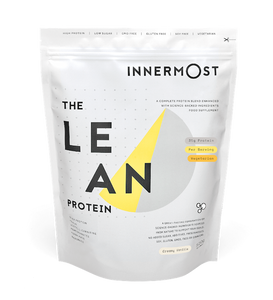
The Lean Protein
Whey protein powder for weight-loss.
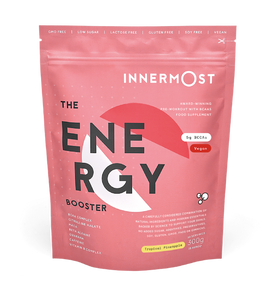
The Energy Booster
Pre/intra-workout powder with BCAAs.

Health:

Beginners Guide to the Gym
Beginner Workout Advice Embarking on a new fitness journey can be both exciting and challenging. To get you motivated, we're here to help you understand the science and benefits of joining your local gym or fitness club and to provide you with a basis for a beginner gym workout plan to help you understand how to start working out in the gym. Benefits of getting started in the gym: Regular exercise has many benefits for both the body and mind. On the physical front, getting started at the gym and completing consistent workouts can contribute to enhanced cardiovascular health, promoting a healthy heart and aids blood circulation. Regular exercise is also great for maintaining a healthy weight, managing muscle tone, and strengthening the skeletal system.The cognitive benefits of regular exercise is equally impressive. Scientifically, physical activity of even just 10-30 minutes can stimulate the release of neurotransmitters such as endorphins, which contribute to an improved mood and reduced stress levels. Exercise is also associated with the growth of new neurons in the brain, fostering enhanced cognitive function, sharper memory, and better overall mental power. A basic beginner workout for the gym: Basic Bag Prep: Double check you’ve packed everything you need for your new gym-venture. Think: water, lock, music, towel. Cardio Warm-up (10 minutes): Start with a brisk walk, jog, or cycling to elevate your heart rate and warm up your muscles. As a little hack, this should be at a pace you still feel comfortable to talk at. Follow this up with some basic dynamic stretches, if your stuck on ideas, there’s some great programmes and YouTube content out there. The worlds your oyster! Resistance Training (20-30minutes): Try an incorporate compound exercises like squats, lunges, and bench presses for a full-body workout. Begin with bodyweight exercises if you're new to resistance training and focus on nailing technique. Cardiovascular Exercise (15 minutes): Engage in activities like running, cycling, or rowing to boost your endurance fitness. Choose activities you enjoy to make it more sustainable, and even pair it up with a new gym playlist to help you enjoy getting a sweat on. Cool Down and Stretching (10 minutes): Conclude your first gym session with some additional stretches to improve flexibility and reduce any muscle soreness you may feel the next day. Focus on major muscle groups and hold each stretch for 15-30 seconds.   Things to remember as a beginner working out in the gym: Nervous is normal: Stepping into a gym for the first time can be nerve-wracking. Understand that it's normal to feel a bit anxious, as you're pushing yourself outside your comfort zone. With consistent effort, confidence will naturally grow.Quality over quantity: This is crucial in fitness. Short, focused workouts can be highly effective. Overtraining can lead to burnout and injury, so prioritize consistency and rest for sustainable progress.Motivation fluctuates for everyone: Acknowledge that it's normal to have off-days. Even a lighter workout is better than none. Remember your initial goals and the positive impact exercise has on your well-being.It's Okay to Fail: Failure is an integral part of growth. If a workout doesn't go as planned, view it as an opportunity to learn and improve. Embrace the challenge, for it is through overcoming failures that true progress is made.Gaining a helping hand: Don't hesitate to ask for help from gym staff or fellow gym-goers. Asking for help is a smart way to learn the correct techniques, making your workouts more effective and reducing the risk of injury. Risk, Reduction, Repeat… Making sure we are keeping ourselves safe in the gym is king, especially when getting the most out of our new regime. Begin each session with a dynamic warm-up to increase blood flow, preparing muscles for activity and reducing injury risk. Prioritise technique over weight, ensuring proper form to prevent strain and reduce the risk of injury. Incrementally increase exercise intensity and duration to avoid overexertion and reduce the risk of injury. Follow a structured program that gradually challenges your fitness level, preventing overtraining, and ask your local personal trainer for what this might potentially look like if you’re unsure. Allow adequate time for rest and recovery to prevent overtraining, reducing the risk of injury. Listen to your body, pay attention to early warning signs, and schedule rest days between intense workouts. Remember, consistency is key. Begin with manageable intensity and gradually progress to more challenging workouts. Always consult a fitness professional or healthcare provider before starting a new exercise program, especially if you have pre-existing health conditions. Enjoy the journey to a healthier, stronger, and sharper you! Read more
Top 3 Benefits of Interval Training
Do you ever feel like your fitness routine is stuck in a rut, or that you're not getting the results you desire? If so, it might be time to shake things up and give interval training a go. This science-backed workout strategy has taken the fitness world by storm in recent years, and for good reason too. Interval training (IT), offers a dynamic and effective way to transform your fitness level, but how do we get the most of this approach and how’s best to use IT to get fit? Understanding the Science of Interval Training: Interval training is all about alternating between short bursts of intense exercise with brief periods of active recovery or rest. This cycle is repeated, and is what makes this training a powerful way to improve physical fitness, physiological functions and cardiovascular disease risk. High-intensity interval training (HIIT), whereby efforts elicit ≥90% of maximal oxygen uptake or >75% of maximal power. Sprint interval training (SIT), a more intense version of HIIT with efforts above VO2 max or maximal power. Repeated-sprint training (RST), characterised by performing a high number of sprints with a shorter recovery interval. The Top 3 Benefits of Interval Training: 1. Fat Burn Furnace: Current research is in favour of the elevated burning of calories in HIIT based exercise to that of its steady-state counterparts, especially if it combines both weight based and aerobic activities. This is thought to stem from the effect of HIIT on our metabolic rate, and it’s pretty neat ability to shift our body’s metabolism to burn fat as opposed to carbs even after we’ve completed the workout. Meaning along with a healthy-balanced diet, the inclusion of this super strategy couldbe the perfect accomplice for weight loss. 2. Cardiovascular Supercharge: Interval training is not just about torching calories; it's also a bonus for your heart health. Those intense intervals help improve your cardiovascular fitness by bettering your heart rate and strengthening your heart's ability to pump blood effectively. This translates to improved cardiovascular function and decreased risk of disease. 3. Time-Efficient Workouts: In today's fast-paced world, time is precious. The beauty of interval training is that it offers these great results in a short amount of time. A typical session can range from just 20 to 30 minutes, making it a highly efficient choice for busy individuals. With it being so short and snappy you are also more likely to get a sense of enjoyment out of this training type, with its constantly changing stimuli and short length. Getting Started with Interval Training: So, how can you harness the power of interval training for your fitness journey? Here's your action plan: 1. Warm Up: Always begin with a thorough warm-up to prepare your muscles and joints for theintensity ahead. A warm-up session of 5-10 minutes can include light jogging, dynamic stretching, or mobility exercises. 2. Choose Your Intervals: Determine the duration and intensity of your high-intensity intervals.These should push you to around 80-90% of your maximum effort. The recovery periods should be less intense, allowing you to catch your breath. 3. Variety is Key: Keep things interesting by mixing up your exercises. Whether it's sprinting, cycling, or bodyweight exercises, the key is to engage different muscle groups to prevent monotony and keep your body challenged. 4. Safety First: Pay attention and listen to your body. While pushing your limits is essential, safetyalways comes first. Ensure proper form and alignment to reduce the risk of injury. 5. Cool Down: Wrap up your session with a cool-down period to gradually lower your heart rate and prevent dizziness or fainting. Stretching and controlled breathing are excellent ways to achieve this. Adding an interval-based training to your weekly workout can revitalise your fitness routine and improve overall wellbeing. The science-backed benefits and the time-efficiency of interval training makes it an ideal choice for today's busy lifestyles. So, gear up, embrace the intensity, and let interval training unlock your fitness potential. Your body will thank you, and you'll be well on your way to achieving your fitness goals.   Read more
What are the Benefits of Electrolytes?
Electrolytes are naturally occurring minerals play a vital role in keeping your body functioning at its best. Whether you're an athlete, a health enthusiast, or simply curious about how to stay hydrated and balanced, understanding electrolytes is essential. What are electrolytes? Electrolytes are electrically charged minerals that regulate various bodilyfunctions, including nerve impulses, muscle contractions, and maintaining proper fluid balance. You may have heard of electrolytes being found in sports drinks, but you may be wondering what foods are high in electrolytes, what their benefits are and how you can maintain your electrolytes naturally. So, what are the key electrolytes you should be familiar with? Types of electrolytes and where you can find them: 1. Sodium: Sodium is essential for regulating blood pressure and ensuringproper muscle and nerve function. It's commonly associated with table salt but can be found in many foods. 2. Potassium: This electrolyte plays a pivotal role in muscle contractions,heart rhythm, and fluid balance. You'll find it in bananas, oranges, andother fruits and vegetables. 3. Calcium: While famous for its role in building strong bones, calcium alsohelps with blood clotting, muscle function, and nerve signals. Dairyproducts like milk and yogurt are excellent sources. 4. Magnesium: Magnesium is vital for muscle and nerve function, as well askeeping your heartbeat steady. It's found in foods like nuts, seeds, and leafy greens. 4. Chloride: Chloride works with sodium to maintain proper fluid balance inand out of your cells. It's often consumed in the form of table salt. The Benefits of Electrolytes: Electrolytes play a vital role in the proper functioning of your nervous system and muscles, in addition to maintaining your body's internal balance by supporting hydration and regulating internal pH levels. So, let's breakdown why maintaining our bodies levels of electrolytes is just so key. Hydration: Electrolytes play a central role in maintaining your body's fluidbalance, helping you stay hydrated. Proper hydration is key to peakphysical performance and overall well-being. Muscle Function: These minerals are essential for muscle contractions.Adequate electrolyte levels prevent muscle cramps and promote smooth,controlled movements.  Nerve Signals: Electrolytes are crucial for nerve impulses, ensuring thatyour brain can communicate with the rest of your body effectively. Theykeep your reflexes sharp and your thoughts lightning-fast. Heart Health: Maintaining the right balance of electrolytes is vital for ahealthy heart rhythm. It keeps your ticker beating steadily and consistently. Bone Health: Some electrolytes, like calcium, are essential for strong bonesand teeth. A diet rich in calcium helps prevent bone-related issues. Blood Pressure Regulation: Electrolytes like sodium and potassium are keyplayers in blood pressure control. An appropriate balance is crucial forcardiovascular health. Why is it important to have a balance of electrolytes? Electrolytes are performance enhancers that can make a significant difference in physical and mental well-being. They may boost athletic performance by ensuring that your muscles and nerves function at their best, providing the stamina and coordination needed for exercise. Additionally, they help maintain optimal hydration levels and regulate the internal pH, which is essential for overall health. However, an electrolyte imbalance can have detrimental effects. It can lead to muscle cramps, decreased energy, and impaired cognitive function, ultimately hindering performance and potentially causing more severe health issues. Striking the right balance of electrolytes is crucial for maintaining peakperformance and overall well-being.Electrolytes are the unsung champions of your body's inner workings, ensuring everything runs smoothly. So, the next time you reach for a snack, consider the electrolyte-rich options that keep you feeling your best and performing at your peak. The Fit Protein The Fit Protein is a great choice for restoring your hydration after a tough workout. It delivers the benefits of powdered coconut water and elevates the body’s potassium levels, a vital electrolyte which is depleted through exercise-induced sweating. This potassium boost combats fatigue and restores your energy levels, allowing you to feel great for the rest of your day! Alongside this electrolyte, The Fit Protein contains magnesium, which helps with the restoration of minerals, including potassium and calcium, and serves as an excellent solution for your body’s electrolyte needs. If you want to level-up your post-exercise rehydration game and keep your electrolytes in optimal balance, grab yourself The Fit Protein from our website! [1] [2] [3] [4] [5] [6] Read more
The Health Benefits Of Coloured Lighting And Chromotherapy
The Only Dairy Alternatives You'll Ever Need
High Protein Foods
Woman relaxing on bed holding a magazine
Innermost best proteins for muscle
Mushrooms growing in the forest
Woman kickboxing with coach
Intermittent Fasting Email Course
The 4 Steps To Take Immediately After A Workout To Aid Recovery
9 Easy Stretching Exercises That Will Increase Flexibility