








icon-account icon-glass

Popular Products

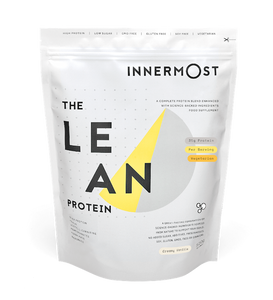
The Lean Protein
Whey protein powder for weight-loss.
The Energy Booster
Pre/intra-workout powder with BCAAs.

What is Biotin? Uses and Health Benefits

9th September 2025

9th September 2025

By Zak Hillard

Biotin isn’t one of the first names you hear when talking about supplements, but it’s a lesser-known weapon a lot of people are stocking their arsenal with these days. You might’ve seen it mentioned by some as a beauty supplement, and it definitely can be, but it’s actually a lot more powerful than just that. 

This guide is your one-stop shop for all things biotin. What it is, what it does, how you can take it, and most importantly, what kind of results you can expect. Let’s go. 

What is biotin?

Like any good secret weapon, biotin actually has a few different names. It’s also known as vitamin B7 or vitamin H – we’ll leave it up to the scholars to decide which name is the best fit – but we don’t mind what they call it as long as it works, and it does. 

Biotin’s role in the body is to metabolise carbs, fats and proteins to keep your engine running smoothly. Biotin isn’t produced by the body naturally, so we need to work it into our diets to ensure we’re getting enough. Depending on your diet, it can be tricky to get enough of this vitamin so many opt for supplements to keep themselves topped up.

Aside from its important role in keeping your body ticking along, biotin also offers a number of other benefits – allow us to share.

Biotin benefits you should know about

As we’ve hinted at, biotin does a lot more than just show up in beauty marketing. Here are some of the top benefits of biotin to be aware of, if you’re thinking about adding this to your supplement stack:

How to add biotin to your diet

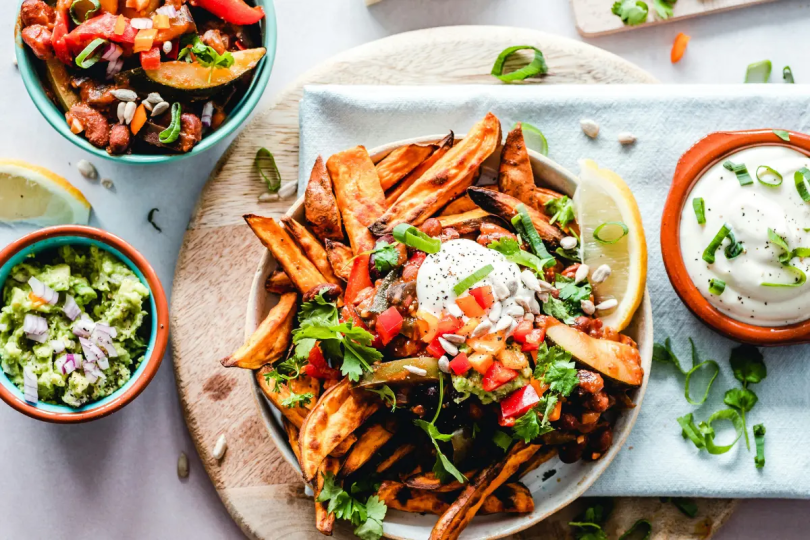
Thankfully, biotin is found in plenty of everyday foods and you’ll likely be consuming a good amount of it in your normal diet already - you can find it in eggs, salmon, pork, sweet potatoes, nuts, seeds and more. 

Salmon and vegetables

However, if you’re looking to increase your intake to meet your specific goals (whether that’s more consistent energy or healthier hair), there are plenty of options out there for you.

Most adults need around 30 mcg of biotin per day2, but most supplements offer a higher dosage for those looking to tackle issues seen with their hair or skin despite already maintaining a steady regular intake. Biotin is a non-toxic, water-soluble vitamin4, which means if your body has an excess it will just ‘flush’ it out. 

One example of a great biotin supplement is The Glow Blend. This combines a range of nutrients and vitamins with biotin to offer a well-rounded nutritional profile designed to support better hair, skin and nails. It’s also extremely easy to work into your routine – just stir a sachet into your favourite drink and voila. 

A single sachet gives you 2,500 mcg biotin, as well as collagen, hyaluronic acid, vitamin C and folate – basically everything you need!

How long does it take for biotin to work?

The million dollar question. Unfortunately, you aren’t likely to see transformative results overnight – but anything that promises this is usually too good to be true! You might experience an uplift in energy in a short period of time, due to the biotin helping to process the macronutrients in your body, but in terms of cosmetic benefits these can take a little longer.

For example, if your reasoning for taking biotin is to repair brittle nails, the vitamin won’t have any impact on your nail as it currently exists. This is because the nail has already formed and is technically ‘dead’, so you would be supporting the development of new cells rather than what you can see currently. It can take anywhere between 4-6 months for a nail to regrow entirely5, so you would likely start seeing significant benefits after a few months. 

Biotin – the verdict

While it’s quite well known in beauty and cosmetic circles, biotin is still one of those lesser known nutrients that can offer a wide range of benefits to many people. From supporting your metabolism and providing sustained energy to strengthening your nails and hair, it’s a real ally in any wellness toolkit. 

To start, try adding some more biotin-rich foods into your diet but if you’re looking for an easy, all-in-one option to add to your daily routine, give The Glow Blend a try or check out some of our other Boosters.

References

  • How Biotin Benefits Your Hair, Nails, Eyes, and More, R Windsor, VeryWellHealth, June 2025. Click here.
  • Biotin, Fact Sheet for Health Professionals, National Institutes of Health, January 2022. Click here.
  • Patel DP, Swink SM, Castelo-Soccio L. A Review of the Use of Biotin for Hair Loss. Skin Appendage Disord. 2017 Aug;3(3):166-169. doi: 10.1159/000462981. Epub 2017 Apr 27. PMID: 28879195; PMCID: PMC5582478. Click here.
  • What Happens When You Take Too Much Biotin? Here's What to Know, According to Experts, Garone, S., health, December 2023. Click here.
  • How Fast Do Your Nails Grow—and How To Make Them Grow Faster, Gordon, S., health, October 2024. Click here.

Product Spotlight

Need Expert Advice?

Other Insights

Our Top Tips For Maintaining A Healthy Daily Wellness Routine
Muscle: The New Longevity Biomarker
A few years ago, muscle meant one thing - Aesthetics. Size. Definition. Abs in good lighting. But that framing is outdated. Today, muscle is being discussed in medical literature as something very different. Not vanity. Not ego. Not “gym culture.” Muscle is increasingly viewed as a longevity biomarker. And for those of us in our 30s and 40s who still train, still work hard, still want to feel capable as life gets busier, that matters. Because this isn’t about looking 22. It’s about moving well at 32, 42 or 52.   Muscle Is Metabolic Infrastructure Skeletal muscle is not just tissue that contracts. It is one of the body’s primary metabolic organs. It is the largest site of glucose disposal. It plays a critical role in insulin sensitivity. It acts as a reservoir of amino acids during stress. It influences inflammation, hormone balance, and even immune resilience. Multiple large cohort studies have shown that higher lean mass is associated with lower all-cause mortality. Loss of muscle with age, known as sarcopenia, predicts frailty, falls, metabolic dysfunction, and loss of independence. That’s not fitness industry hype. That’s epidemiology. At 22, muscle is impressive. At 42, muscle is protective. That shift in perspective changes everything.   The Reality of Ageing Physiology From our mid-30s onward, muscle protein synthesis becomes less responsive. We need a slightly stronger signal to stimulate growth and repair. Recovery slows. Sleep becomes lighter. Stress has a bigger physiological cost. None of this is dramatic. It is gradual. But gradual decline is still decline. Based on our customer surveys that you kindly complete from time to time, we see that many of us do not train because we’re insecure. We train because we want to stay capable. We want to keep progressing. We want to look athletic, yes, but more importantly, we want to feel strong in meetings, on long-haul flights, on weekend runs, and as we get older. Wellness, for you, is infrastructure. Not identity. Muscle is part of that infrastructure.   The Protein Signal Matters More Than Volume One of the most underappreciated realities of ageing physiology is that protein intake becomes more important, not less. Research suggests that as we age, we require a slightly higher per-meal dose of high-quality protein to maximally stimulate muscle protein synthesis. The amino acid leucine plays a key role in triggering this process. That means: Total daily protein matters Distribution across the day matters Quality and digestibility matter This is not about chasing extreme intake. It is about ensuring the signal is strong enough to maintain and build lean tissue in a body that is no longer 21. For many of you, that is exactly why The Strong Protein exists in your routine. Not because you want to “bulk,” but because you understand that maintaining muscle is a daily habit, not a seasonal goal. It is simple. Behaviour-light. Infrastructure.   Recovery Is Where Muscle Becomes Longevity Building muscle is not just about training stimulus. It is about the recovery environment that allows adaptation to occur. Sleep quality. Electrolyte balance. Stress management. Micronutrient sufficiency. Chronic under-recovery accelerates muscle breakdown. Elevated cortisol, inadequate protein intake, and high life stress create a net catabolic environment. That is where structure becomes powerful. For some of you, that structure includes: Prioritising protein post-training Supporting cellular energy production Managing oxidative stress and inflammation The Power Booster (pure creatine monohydrate) and The Recover Capsules (our unique science-backed recovery supplement) were built around that idea. Not to create dependency. Not to promise miracles. But to support the physiological processes that allow training to compound rather than break you down. Muscle is not built in the gym. It’s built in recovery. And recovery is increasingly what separates the 35-year-old who thrives from the 35-year-old who plateaus. This Is Not Gym Culture The supplement industry still markets protein like it is 2008. Aggressive language. Shredded physiques. Short-term transformations. But that narrative misses the real story. The real story is metabolic resilience. The real story is blood sugar stability during long workdays. The real story is maintaining lean mass during high-stress periods so you do not feel physically diminished when life demands more from you. You are not trying to become someone else. You are trying to sustain who you are becoming. That is a very different motivation. The Compounding Effect Muscle does not protect you overnight. It compounds. Every training session completed.Every protein target met.Every recovery cycle respected. The benefit accrues quietly. Five years from now, you either have more lean mass than you do today, or less. That difference will influence how you move, how you metabolise food, how you respond to stress, and how independent you remain later in life. It is subtle. But it is powerful. Many of us already understand something that trends often ignore. Health is not a six-week challenge. It is a decades-long investment. Muscle is not aesthetic. It’s insurance. Insurance against frailty. Insurance against metabolic dysfunction. Insurance against the quiet erosion of capability. And unlike most insurance policies, this one improves how you feel today while it protects you tomorrow. If you train, you are already sending the signal. The question is whether your nutrition and recovery support that signal strongly enough. Because the goal is not to look young. The goal is to stay capable. Read more