








icon-account icon-glass

Popular Products

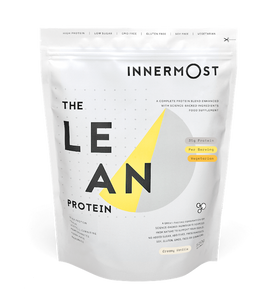
The Lean Protein
Whey protein powder for weight-loss.

Mushrooms: Overhyped or Undervalued?

17th October 2024

17th October 2024

By Shivraj Bassi

You’ve probably seen mushrooms plastered all over Instagram by now, thrown into coffee, smoothies, and just about anything else. But let’s be real, are they actually worth the hype, or just another passing fad in the wellness world?

Fair question. With terms like “superfood” thrown around like confetti, it’s hard to know what’s legit and what’s just marketing fluff. But here’s the thing: mushrooms have been used for centuries in traditional medicine, and now modern science is backing up a lot of what ancient cultures have been saying all along.

Mushrooms in Popular Culture

Mushrooms have become more than just a wellness ingredient — they’ve become a cultural phenomenon. From being plastered all over Instagram to making cameos in documentaries and even fine dining, these fungi are having a serious moment

What do functional mushrooms do for you?

The rise of “functional mushrooms” in wellness circles can be attributed to their ability to support immunity, stress relief, and physical performance. And while they’re trending now, it’s important to remember that mushrooms have been a cornerstone in holistic health for centuries.

With more people turning to natural, science-backed alternatives, mushrooms are making their mark as more than just a passing wellness trend. This new wave of mushroom interest shows no signs of slowing down. From health supplements to skincare, mushrooms have officially crossed over into the mainstream.

A Glimpse Into the Past

Mushrooms aren’t new. Long before they were the star of your favourite influencer’s morning brew, they were a cornerstone in ancient remedies. For example, in China, reishi was hailed as the “Mushroom of Immortality” for its ability to supposedly promote longevity and calm the mind. Meanwhile, chaga, used in Siberia, was brewed as a tea to boost immunity.

Mushrooms have been doing the rounds in different cultures for millennia, which begs the question—why are we only now starting to appreciate them in the West?

What Are Mushrooms Good For?

Mushrooms might have some fancy history behind them, but what does modern science say? Let’s hit some quick facts:

Physical Performance: Ever heard of Cordyceps? These mushrooms were traditionally used by Tibetan herders to combat altitude sickness. Fast forward to today, and studies are showing cordyceps can help improve oxygen uptake during exercise, meaning you can push harder and go longer in your workouts.

Immunity Boosting: Mushrooms like chaga and shiitake are loaded with beta-glucans. These are complex sugars that give your immune system a kick in the right direction by activating immune cells. Some pretty solid research backs this up, including a study published in the Journal of Traditional and Complementary Medicine.

Stress Relief: Feeling a bit frazzled? Reishi is classed as an adaptogen, which means it helps your body manage stress. A study in 2012 found that reishi helped reduce fatigue and improve quality of life in people dealing with chronic stress. Bottom line: reishi is your go-to for a bit of Zen in this chaotic world.

Recovery & Hydration: Heard of tremella? It’s also called the “beauty mushroom,” but it does a lot more than just help with skin. Tremella supports hydration and recovery by boosting your body’s production of hyaluronic acid, which helps with inflammation and overall recovery after a tough workout.

Mushrooms in the Here and Now

Look, some wellness trends come and go (remember the lemon water detoxes?), but mushrooms? They’re here to stay. Mushroom health benefits stretch across so many areas—immunity, stress relief, performance—that it’s no wonder science is getting behind them now.

But let’s be clear: we didn’t jump on the mushroom hype just because it’s trendy. Back in 2017, we were the first in the UK to put mushrooms across a range of our products because we knew these fungi weren’t just a fad.

Which Is the Best Mushroom Supplement to Take? The Wellness Blend.

Fast forward to now, and we’ve gone all-in with The Wellness Blend, our mushroom coffee. Yeah, regular coffee is great, but when you mix it with tremella, chaga, cordyceps, reishi, maitake, and shiitake mushrooms, you’re looking at a drink that’ll not only wake you up but help your mind and body perform at their peak.

What makes The Wellness Blend unique. The fact that it contains ALL six functional mushrooms in one great product. It’s that simple.

Overhyped or Still Undervalued?

It’s easy to be skeptical of anything that gets too much hype, and you’d be right to question the wellness industry’s latest trends. But with mushrooms, I really think what we’re seeing now is the result of centuries of use being validated by science, not just another fleeting craze. These are ingredients that have been trusted for generations and are finally being recognized for their full potential.

Are they undervalued? We think so. It’s great that they’re finally getting the recognition they deserve. Now it’s over to you to decide.

Need Expert Advice?

Other Insights

Bilberry Benefits: What the Science Says
If you’ve spotted bilberries on the ingredients list of one of our protein blends, you might have wondered what they’re doing there. It’s a fair question. While the role and benefits of protein are generally well understood, a small dark berry might need a little more explaining. Bilberries have been part of European diets for generations. Their deep purple colour comes from anthocyanins, plant compounds that have attracted scientific interest in their potential effects on human health. Studies have explored everything from eye comfort during screen work to how the body responds to carbohydrates, with some encouraging findings. At Innermost, we’re interested in understanding what makes an ingredient worth including and how the research applies to everyday life. Bilberries give us plenty to explore, although some of their potential benefits are better understood than others.  Here, we’ll take a closer look at the health and nutritional benefits of bilberries, what the research says, and how you can make them part of the way you eat and train.  What are bilberries? Bilberries are small, dark berries that grow on Vaccinium myrtillus, a low shrub found wild across northern Europe. You’ll find them in Britain too, growing across heathland, moorland and woodland, particularly in the north and west. Depending on where you grew up, you might know them as blaeberries, whinberries or whortleberries. At first glance, they’re easy to mistake for blueberries. Cut one open, though, and the difference becomes clear: bilberries have red-purple flesh, while cultivated blueberries are usually pale inside. Their flavour tends to be sharper and more intense, making them a good addition to porridge or yoghurt. Fresh bilberries can be harder to find in shops, but frozen berries offer a convenient way to enjoy them beyond the picking season. What makes bilberries nutritionally valuable? Bilberries pack a useful amount of nutrition into a small serving. Finland’s national food composition database puts 100g of fresh bilberries at around 65 calories, with 3.3g of fibre and 1.9mg of vitamin E, which is roughly a sixth of the daily reference amount. They also provide a more modest amount of vitamin C, at about 7mg. Much of the scientific interest, though, centres on the anthocyanins behind their deep purple colour. Bilberries contain 15 different types. Laboratory studies suggest these compounds can influence inflammatory signalling and help counter oxidative stress, which occurs when reactive molecules build up beyond the body’s ability to manage them. Only a small proportion of anthocyanins is absorbed intact, while gut bacteria break down much of the rest into smaller compounds that may have effects of their own. Researchers are studying these too, helping us understand how bilberries’ plant compounds behave in the body and what that could mean for our health. What are the potential health benefits of bilberries? So far, human research has given us several reasons to add bilberries to our diet. Here’s a closer look at the main findings and what they could mean for you. Eye health and visual comfort If your working day involves hours at a screen, this is likely to be the most relatable area of research. A 2015 trial studied people who regularly used screens and experienced eye fatigue. After eight weeks, those taking 480mg of bilberry extract daily reported greater improvements in several symptoms following screen tasks than those taking a placebo. These included eye heaviness and discomfort. A later study found improvements in a measure of the eye’s focusing-muscle response after 12 weeks of taking a different standardised extract.  Together, these findings suggest concentrated bilberry extract may support visual comfort during screen-heavy days. Anthocyanins and markers of inflammation Inflammation is a normal part of how the body responds to injury and training, but when it lingers at a low level over time, it's linked with poorer long-term health.  Researchers have also investigated whether consuming bilberries changes the signals associated with inflammation. In a Norwegian trial, 62 adults with at least one risk factor for cardiovascular disease drank either bilberry juice or water every day for four weeks. The bilberry group saw significant falls in several inflammation markers, including C-reactive protein, or CRP and interleukin-6.  Blood sugar Another area of interest is how bilberry compounds might influence the body’s response to carbohydrates. There's early evidence that bilberry extract can soften the rise in blood sugar after a carbohydrate-rich meal. In a small Aberdeen study, eight men with type 2 diabetes or impaired glucose tolerance, managed through diet and lifestyle, took a single capsule of standardised bilberry extract, roughly equivalent to 50g of fresh berries, alongside a carbohydrate drink. Their glucose and insulin responses were significantly lower than with a placebo, most likely because the extract slowed how quickly the carbohydrate was digested and absorbed. If you manage diabetes or take blood-thinning or other regular medication, speak to your GP or pharmacist before trying a concentrated bilberry extract. How do bilberries fit into an active lifestyle? For most people who train, bilberries are at their best as food. A handful stirred through porridge or overnight oats, spooned over Greek yoghurt or blended into a post-workout smoothie adds fibre, colour and a sharp, fruity flavour to meals you're already eating.  Built into a meal with a good source of protein and some slower-digesting carbohydrate, they make an easy breakfast or post-training option. A bowl of porridge made with milk, with a scoop of protein stirred through once it’s off the heat and a handful of bilberries on top, covers all three in about five minutes. The protein supports your muscles, the carbohydrate refuels you, and the berries add fibre, which many adults don't eat enough of. Bilberries in Innermost’s protein blends If you’d like to know where bilberries fit into our range, you have a few options. We include them in three protein blends, so you can choose according to your dietary preferences and what you’re working towards. The Strong Protein contains 250mg of bilberries and 300mg of Montmorency cherries per serving. They sit alongside whey and casein protein, with added creatine and magnesium. The Lean Protein contains 200mg of bilberries per serving, alongside pomegranate in a whey-based formula. The Health Protein provides 250mg of bilberries within a pea and brown rice protein blend. The protein in these blends contributes to the growth and maintenance of muscle mass, with bilberries forming part of the wider formulation. Whether you’re mixing a shake or adding protein powder to breakfast, explore our protein range to find your fit. References Finnish Institute for Health and Welfare. Fineli food composition database: Blueberry, bilberry, Vaccinium myrtillus. Click here. Kosehira, M., Machida, N., Kitaichi, N. (2020). A 12-week-long intake of bilberry extract (Vaccinium myrtillus L.) improved objective findings of ciliary muscle contraction of the eye: A randomized, double-blind, placebo-controlled, parallel-group comparison trial. Nutrients. 12(3). Click here. Vaneková, Z., Rollinger, J.M. (2022). Bilberries: Curative and miraculous – A review on bioactive constituents and clinical research. Frontiers in Pharmacology. 13. Click here. Chu, W.K., Cheung, S.C.M., Lau, R.A.W., Benzie, I.F.F. (2011). Bilberry (Vaccinium myrtillus L.). In: Herbal Medicine: Biomolecular and Clinical Aspects. 2nd edition. Click here. Tian, L., Tan, Y., Chen, G., Wang, G., Sun, J., Ou, S., Chen, W., Bai, W. (2019). Metabolism of anthocyanins and consequent effects on the gut microbiota. Critical Reviews in Food Science and Nutrition. 59(6). Click here. Ozawa, Y., Kawashima, M., Inoue, S., Inagaki, E., Suzuki, A., Ooe, E., Kobayashi, S., Tsubota, K. (2015). Bilberry extract supplementation for preventing eye fatigue in video display terminal workers. Journal of Nutrition, Health and Aging. 19(5). Click here. Karlsen, A., Paur, I., Bøhn, S.K., Sakhi, A.K., Borge, G.I., Serafini, M., Erlund, I., Laake, P., Tonstad, S., Blomhoff, R. (2010). Bilberry juice modulates plasma concentration of NF-κB related inflammatory markers in subjects at increased risk of CVD. European Journal of Nutrition. 49(6). Click here. Hoggard, N., Cruickshank, M., Moar, K.M., Bestwick, C., Holst, J.J., Russell, W., Horgan, G.W. (2013). A single supplement of a standardised bilberry (Vaccinium myrtillus L.) extract (36% wet weight anthocyanins) modifies glycaemic response in individuals with type 2 diabetes controlled by diet and lifestyle. Journal of Nutritional Science. 2. Click here. Read more
The Health Benefits of Montmorency Cherries
After finishing a tough workout - whether it be cardio, strength training or conditioning - it’s easy to think that the job is done. Yet, as the next day arrives, your body has other ideas. If you train regularly, you’ll know that making time for recovery is part of making progress.  Alongside enough sleep and rest between sessions, what you eat plays an important role in that recovery. Protein and carbohydrates are familiar parts of the picture, but researchers have also been exploring how foods such as Montmorency cherries might help. These tart cherries have attracted interest for their potential to support the recovery of muscle strength after demanding exercise, with smaller studies also reporting encouraging findings for sleep. So, what makes them worth a closer look? Here, we’ll explore the benefits of Montmorency cherries, what the research tells us and how they could fit into your routine. What are Montmorency cherries? Montmorency cherries are a variety of sour cherry, Prunus cerasus. You’ll often see them described as tart cherries, which is another name for the same type of fruit. They take their name from Montmorency, a town just north of Paris, and are now grown widely across North America and Europe. They have a sharper flavour than the sweet cherries you might buy fresh and eat straight from the punnet. That tartness works well in cooking and adds a little contrast to sweeter breakfast dishes. You’ll also find them sold frozen, dried or processed into juice, concentrates and powders.  What are the potential health benefits of Montmorency cherries? There’s more to the interest in Montmorency cherries than their nutritional profile. Human studies have explored how they might support recovery and sleep, alongside their potential effects on wider health. Muscle recovery after demanding exercise After a demanding session, your muscles may temporarily struggle to produce their usual level of force. Researchers have been investigating whether tart cherries can help that strength return more quickly.  A 2026 review combining results from 19 trials found that tart cherry supplementation improved recovery of maximal voluntary contraction in trained athletes. This measures the greatest force a muscle can produce, giving researchers a way to assess how well strength has returned after exercise. The review also found reductions in C-reactive protein, a blood marker of inflammation, at some points during recovery. Earlier research from Northumbria University found that marathon runners who consumed Montmorency cherry juice around their race recovered muscle function more quickly. This helped build interest in cherries within sports nutrition. Taken together, these findings suggest tart cherry may have a role around particularly demanding exercise. Sleep duration and quality Between work, training and everything else, getting enough good-quality sleep can be a challenge. Alongside a consistent bedtime and time to wind down, what you eat and drink may also influence how well you sleep. Sleep is one of the main areas of research into Montmorency cherries, with small human trials exploring whether they could help improve sleep duration and quality. In a study involving 20 healthy adults, participants consumed tart cherry concentrate or a placebo for seven days. During the cherry intervention, they experienced improvements in total sleep time and sleep efficiency, the proportion of time in bed spent asleep. Researchers also measured higher levels of a melatonin breakdown product in urine. A separate pilot study in older adults with insomnia reported around 84 minutes more sleep after two weeks of cherry juice. Only eight participants completed the trial, so that figure needs to be kept in context. Blood pressure and other potential benefits Some trials have also found short-term reductions in blood pressure after drinking Montmorency cherry concentrate. In a 2016 study, 15 men with raised blood pressure took a single serving of concentrate, and their systolic blood pressure was lower over the following three hours, by around 7mmHg at its peak. Longer-term results are mixed. Three months of daily concentrate made no difference to blood pressure in middle-aged adults, while a 12-week study in older adults reported lower systolic blood pressure. Tart cherry is also often linked with gout. Concentrate has lowered uric acid in healthy adults over a couple of days, but a trial in people with gout found no effect on uric acid levels or flares over four weeks, at any of the doses tested. The evidence doesn't currently support tart cherry for gout, so if you're managing the condition, follow your GP's advice. How do Montmorency cherries fit around training? People tend to reach for tart cherry when recovery time is short, such as a week with two matches, a tournament weekend or a hard training camp. For a wider look at recovery nutrition, see our guide to the best supplements for muscle recovery. In the recovery trials, the most common approach was around 30ml of concentrate or 240ml of juice twice a day, usually starting several days before the demanding exercise and continuing for a few days afterwards. That routine carries a fair amount of sugar. Going by the concentrates described in one 2025 trial and another from 2022, a 30ml serving provides roughly 19–25g of carbohydrate, most of it sugar, so twice a day comes to around 40–50g. The sugars in juice and concentrate count as free sugars, which the NHS recommends adults keep to no more than 30g a day, and juices and smoothies should be limited to 150ml a day combined. If you're fuelling heavy training, that carbohydrate may be useful. If you're keeping an eye on sugar, it adds up quickly. When choosing a juice or concentrate, look for 100% Montmorency with no added sugar. For capsules and powders, check which form of cherry is used, such as whole-fruit powder, juice powder or extract, and whether the label gives its measured composition. Products vary, so none can be assumed to match a preparation used in a study. Prefer to eat them? Frozen or dried tart cherries work well stirred through porridge or overnight oats, though dried versions are often sweetened, so check the label. Are Montmorency cherries safe? For most people, Montmorency cherries are safe in food amounts, and the concentrates used in research have generally been well tolerated. A few things are worth knowing before you try a concentrate or supplement: Cherries contain high levels of sorbitol and fructose, which can cause bloating or loose stools in larger amounts, particularly if you have IBS. If you take blood thinners, blood pressure medication or diabetes medication, speak to your GP or pharmacist first. Keep the sugar content in mind, too, if you're managing your blood glucose. Avoid them if you have a cherry allergy, and check with your GP before using concentrated products while pregnant or breastfeeding. Montmorency cherries in The Strong Protein We include Montmorency cherries in The Strong Protein, our protein blend developed with strength training in mind. Each serving contains 300mg of Montmorency cherries alongside 250mg of bilberries. They form part of a wider formulation containing whey and casein protein, with added creatine monohydrate and magnesium. The protein contributes to the growth and maintenance of muscle mass, making the blend a convenient way to support your protein intake around regular training. Montmorency cherries are an ingredient with an interesting body of sports nutrition research behind them, although the trials discussed here studied specific preparations and amounts. Whether you prefer a shake after training or a scoop mixed into breakfast, explore The Strong Protein to see how it could fit into your routine. References Daab, W., Bouzid, M.A., Nassis, G.P., Arumugam, A., Ammar, A., Pojskić, H., Abaïdia, A.E. (2026). Effects of tart cherry juice supplementation on recovery from exercise-induced muscle damage in athletes: A systematic review and meta-analysis. Sports Medicine – Open. 12, 40. Click here. Howatson, G., McHugh, M.P., Hill, J.A., Brouner, J., Jewell, A.P., van Someren, K.A., Shave, R.E., Howatson, S.A. (2010). Influence of tart cherry juice on indices of recovery following marathon running. Scandinavian Journal of Medicine & Science in Sports. 20(6). Click here. Howatson, G., Bell, P.G., Tallent, J., Middleton, B., McHugh, M.P., Ellis, J. (2012). Effect of tart cherry juice (Prunus cerasus) on melatonin levels and enhanced sleep quality. European Journal of Nutrition. 51(8). Click here. Losso, J.N., Finley, J.W., Karki, N., Liu, A.G., Prudente, A., Tipton, R., Yu, Y., Greenway, F.L. (2018). Pilot study of the tart cherry juice for the treatment of insomnia and investigation of mechanisms. American Journal of Therapeutics. 25(2). Click here. Keane, K.M., George, T.W., Constantinou, C.L., Brown, M.A., Clifford, T., Howatson, G. (2016). Effects of Montmorency tart cherry (Prunus cerasus L.) consumption on vascular function in men with early hypertension. American Journal of Clinical Nutrition. 103(6). Click here. Kimble, R., Keane, K.M., Lodge, J.K., Howatson, G. (2021). The influence of tart cherry (Prunus cerasus, cv Montmorency) concentrate supplementation for 3 months on cardiometabolic risk factors in middle-aged adults: A randomised, placebo-controlled trial. Nutrients. 13(5). Click here. Chai, S.C., Davis, K., Wright, R.S., Kuczmarski, M.F., Zhang, Z. (2018). Impact of tart cherry juice on systolic blood pressure and low-density lipoprotein cholesterol in older adults: A randomized controlled trial. Food & Function. 9(6). Click here. Bell, P.G., Gaze, D.C., Davison, G.W., George, T.W., Scotter, M.J., Howatson, G. (2014). Montmorency tart cherry (Prunus cerasus L.) concentrate lowers uric acid, independent of plasma cyanidin-3-O-glucosiderutinoside. Journal of Functional Foods. 11. Click here. Stamp, L.K., Chapman, P., Frampton, C., Duffull, S.B., Drake, J., Zhang, Y., Neogi, T. (2020). Lack of effect of tart cherry concentrate dose on serum urate in people with gout. Rheumatology. 59(9). Click here. Sinclair, J., McLaughlin, G., Allan, R., Brooks-Warburton, J., Lawson, C., Goh, S., Desai, T., Bottoms, L. (2025). Health benefits of Montmorency tart cherry juice supplementation in adults with mild to moderate ulcerative colitis: A placebo randomized controlled trial. Life. 15(2). Click here. Kimble, R., Keane, K.M., Lodge, J.K., Cheung, W., Haskell-Ramsay, C.F., Howatson, G. (2022). Polyphenol-rich tart cherries (Prunus cerasus, cv Montmorency) improve sustained attention, feelings of alertness and mental fatigue and influence the plasma metabolome in middle-aged adults: A randomised, placebo-controlled trial. British Journal of Nutrition. 128(12). Click here. Read more