










Every year, the festive period gets blamed for breaking people’s health.
Too many meals out. Too many late nights. Too many “I’ll start again in January” moments.
By the time the New Year arrives, the narrative is already locked in. Damage done. Time to reset, detox, or punish yourself back into shape.
But here’s the truth.
The festive period doesn’t ruin your health.
Losing structure does.
The end of the year is uniquely disruptive. Work schedules loosen. Social plans multiply. Travel, celebrations, and irregular routines blur the days together. Sleep shifts later. Meal timing becomes unpredictable. Hydration drops. Movement becomes sporadic. Stress quietly rises.
Food gets the blame because it’s visible. But the real changes are happening beneath the surface.
Our bodies are built around rhythm. Circadian biology governs hormones, appetite, energy, glucose regulation, and recovery. When sleep timing drifts and meals become inconsistent, insulin sensitivity drops, hunger cues become noisier, and cravings increase. Not because you’ve lost discipline, but because your physiology is responding exactly as it should.
This is why willpower fails so reliably during the festive period.
Willpower is not a plan. It never was.
Behaviour follows environment. And the end-of-year environment is designed to disrupt even the best intentions. More social pressure. More choice. Less routine. Less recovery. Expecting motivation to override that is unrealistic.
Yet the wellness industry loves this moment. January resets. Detoxes. Thirty-day transformations. The implication is always the same. You slipped up. Now fix it.
That framing is wrong.
You didn’t fail. Your anchors disappeared.
So instead of trying to be perfect between now and the New Year, there’s a better approach.
Protect structure. Not outcomes.
I think of this as a Minimum Effective Routine. The smallest set of habits that keep your system regulated when life gets noisy.
You don’t need control all day. You need a few non-negotiables.
First, a morning anchor.
How you start the day sets the tone for everything that follows. Consistent wake times, early light exposure, and hydration matter more than whether you train or not. Even during the festive period, waking within a similar window each day helps stabilise energy, appetite, and sleep later on.
Second, a nutrition anchor.
Health doesn’t unravel because of one rich meal. It unravels when eating becomes random. Skipped meals followed by late, heavy dinners create blood sugar swings that drive overeating. One simple rule makes a difference. Anchor at least one meal per day around protein and fibre. No tracking. No guilt. Just consistency.
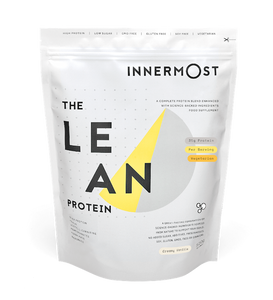
Protein in particular becomes critical when routines loosen. It supports lean mass, regulates appetite hormones like GLP-1, and reduces the likelihood of grazing later in the day.
Third, a movement anchor.
This is not about training hard. It’s about staying active. Walking, light resistance work, mobility, or a short session at home. Ten to twenty minutes counts. Movement improves glucose handling, digestion, mood, and sleep quality. It is one of the most reliable ways to offset stress and irregular eating.
Fourth, an evening wind-down anchor.
Late nights are part of the festive period. That’s normal. What matters is how often they stack. Alcohol, screens, and social stimulation all fragment sleep. A simple wind-down routine most nights helps signal safety to your nervous system. Lower lights. Fewer screens. Breathing. Reading. Repetition matters more than perfection.
These anchors don’t make you “healthy”.
They keep you regulated.
Now, an honest word on supplements.
Supplements won’t rescue a chaotic routine. Anyone promising that is selling shortcuts. But they can support physiology when structure is under pressure.
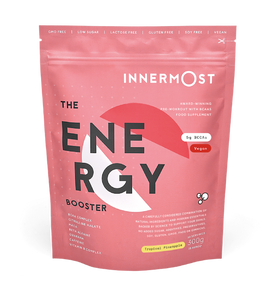
Hydration often drops at this time of year, especially when alcohol intake increases. Electrolytes support fluid balance, nerve signalling, and muscle function. Protein becomes more important when meals are irregular, helping to stabilise appetite and maintain muscle. Micronutrients also matter when sleep, stress, and food quality are inconsistent.
This is how we think about Innermost products. Not as a reset. Not as a fix. But as tools that support the fundamentals when life is busy and routines loosen.
The biggest mistake people make is treating the festive period as a write-off and the New Year as a clean slate. That approach creates a cycle of extremes. If you protect structure now, the New Year doesn’t need repairing. There’s no detox required. No dramatic restart. Just continuity.
Finally, as we close out the year, I want to say thank you.
Thank you for your support. Thank you for trusting us in an industry that often values hype over health. And thank you for being part of a community that cares about doing things properly.
I hope you enjoy the festive period with your friends and loved ones, get some well-earned rest, and step into 2026 feeling steady, not behind.