









icon-account icon-glass

Popular Products

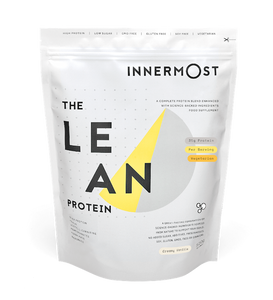
The Lean Protein
Whey protein powder for weight-loss.
The Energy Booster
Pre/intra-workout powder with BCAAs.

Shivraj Bassi

A few years ago, Shiv had an idea to create a wellness brand using principles from science and nature, as well as best practices from Ayurvedic and Asian medicine. Fast forward to today and Innermost is an award-winning brand that's available globally. When he's not writing articles for our Insight blog, you'll find him bouncing around ideas with the team, listening to obscure podcasts, sweating in the gym, or pretending to be a dinosaur for his niece and nephew.

The Protein Mistake That's Holding Back Your Results
I've written at length about creatine. I've written about collagen, electrolytes, the GLP-1 moment, even the science of sleep. But I've never written a personal email about protein. That's a strange omission for someone who built a brand that makes some pretty ground-breaking protein powders. So let me explain why, and then actually say the thing I've been avoiding. Protein is the most foundational supplement in the Innermost range. It's also the hardest subject for me to write about personally, because there's nothing surprising about it. Creatine had a story. Collagen had a story. Protein is well... protein. Everyone knows you should eat more of it. The mechanism is not a secret. Muscle protein synthesis, leucine threshold, net nitrogen balance. If you've been in the fitness space for more than a couple of years, you've read this before. And I think that's the problem. The familiarity makes people stop paying attention. Here's what I actually think about protein, after a decade of working in this space. Most people in their thirties and forties are under-consuming protein and don't know it. Not by a small amount. The gap between what most people eat and what the research supports for muscle maintenance and body composition outcomes is significant. Studies looking at optimal intake for adults prioritising body composition consistently point to between 1.6 and 2.2 grams per kilogram of bodyweight per day. Most people are eating somewhere between 0.8 and 1.2. The difference is not cosmetic. Adequate protein intake directly affects your ability to preserve muscle tissue during a caloric deficit. It supports recovery between sessions. It has a measurable effect on satiety, which means it influences total caloric intake downstream, not just at the point you consume it. There's a subtler point too, and this is the one I've come to think matters most: protein is the nutrient where consistency compounds most directly. The benefits of creatine saturate over time in a relatively predictable way. Collagen has a timeline that research measures in months. But protein's effect on body composition is essentially continuous. Every day you hit your target, you preserve something. Every day you don't, you lose a small amount of ground. Over a summer, that adds up. This is what I've observed personally, and it's backed by the research on muscle protein turnover. The people who maintain their body composition through summer are not, in my experience, the people who train harder during that period. Most of them train less. Their routines are disrupted. They're travelling. Their eating is less structured. The people who come back in September looking broadly the same as they left in June are the ones who kept their protein intake consistent. That's it. That's the variable. Why I take The Lean Protein I’ve been taking The Lean Protein the past few months for a straightforward reason: the protein-to-calorie ratio. Much like our other protein blends, each serving delivers over 30 grams of protein. The calorie count is low relative to that protein yield. When my training is consistent and my eating is structured, I don't think about this very much. But in the periods when those things are less reliable, that ratio becomes the thing that holds the rest together. The formula also includes acetyl-L-carnitine, inulin, pomegranate extract, and yerba mate. These aren't afterthoughts. Acetyl-L-carnitine has a research base in fat metabolism. Inulin supports satiety and gut function. The pomegranate extract is included for its antioxidant contribution to recovery. This means that the formula does more work per serving than a standard whey and just what I need going into summer. The thing the industry gets wrong about protein Most protein marketing leads with taste and price per gram. Both matter. But neither tells you whether the formula will support body composition outcomes over time. The two questions I'd ask before buying any protein powder are: what is the actual protein-to-calorie ratio, and what is the leucine content per serving.  Leucine is the branched-chain amino acid most directly linked to triggering muscle protein synthesis, and there is a threshold dose, roughly 2.5 to 3 grams per serving, below which the anabolic response is blunted. Many protein powders do not disclose this. They just list total protein and move on. The Lean Protein does not have this problem. The formula is transparent. The dose is evidence-based. One thing I'd ask you to consider: if you've never actually checked whether you're hitting your protein targets, try tracking it for three days. Most people find the gap is larger than they expected. If you're not sure which Innermost product fits your specific goal, the quiz on our site is a good place to start. Find the right protein for your goal   Read more
I've Been Taking The Glow Blend For Six Months. Here's What Happened
There's an uncomfortable truth about founders who sell supplements: most of us are too invested in our own products to give you an honest account of what they actually do. I want to try something different with this email. I’ve been taking The Glow Blend every day for six months. What follows is a genuine account of what I expected, what I noticed, what I wasn't sure about, and what I didn't notice at all. I'm telling you this partly because I think you deserve that level of honesty from the person who formulated the product, and partly because the honest account is actually more useful than a testimonial. What the evidence says before I get into my own experience Collagen is the most abundant protein in your body. It gives skin its structure and elasticity. From your mid-twenties, your body produces less of it each year. By the time most people start thinking about skin supplementation, they've already lost a meaningful amount. Hydrolysed collagen peptides, which is what's in The Glow Blend, are different from the collagen your body produces. They're pre-broken into smaller chains, which makes them bioavailable in a way whole collagen protein is not. When you consume them, they circulate in the bloodstream, where studies suggest they signal fibroblasts to produce more collagen. The mechanism is real. The research is there. The timeline The strongest evidence on collagen supplementation shows meaningful changes in skin elasticity and hydration typically at 6-8 weeks minimum, with more substantial effects at 10-12 weeks and beyond. Studies on nail growth and hair strength follow a similar curve. This is not a two-week product. Anyone selling you collagen on a 30-day challenge framework has either not read the research or has chosen to ignore it. Vitamin C as a co-factorVitamin C is not optional in this equation. It's essential for collagen synthesis at a cellular level. Without adequate vitamin C, your body cannot complete the process of building new collagen fibres regardless of how much collagen you're consuming. This is why The Glow Blend includes it, and why most budget collagen products either leave it out or include a token dose that doesn't meet the threshold. The Glow Blend also contains hyaluronic acid, which is a glycosaminoglycan that attracts and holds water within the skin. Biotin (B7) supports keratin production, which is the structural protein in hair and nails. Folic acid (B9) plays a role in cell regeneration. Each of these is in the formulation for a specific, evidence-based reason.  What I noticed and what I didn't I started in December. Six months ago. I'll be honest: December is a difficult month to start an experiment. My diet was inconsistent, my sleep was disrupted, and my skin was already taking a beating from dry air and a bit too much running around. I didn't expect to notice much quickly, and I didn't. By week six, my skin felt more comfortable. Not dramatically different. More comfortable is the right word. Less tight in the morning. Less reactive to changes in temperature. I noticed it most on long-haul flights, where my skin used to feel genuinely awful after landing and increasingly didn't.By month three, I think that my nails were growing a little faster mainly because I was cutting them more often. Whether that's the biotin, the collagen peptides, or the combination, I can't tell you, and the research doesn't give a clean answer either. I keep my nails short anyway, so my nails weren't the thing I was watching most closely (or noticed for that matter). What I was watching was my hair. I'm older now than when I launched Innermost, and density is something I'm acutely aware of. The Glow Blend contains biotin and folate, both of which support hair health, so this is where my attention went. Over these six months: a bit thicker, a bit more resilient. I keep my hair short, so I'm not pointing to length. It's the feel and the density. I'm not going to dress that up into something it isn't. I'll just say it's been one of the more encouraging parts of the experience, and at this stage that counts for a lot.Skin texture improved. This one is harder to quantify because it's subjective. But my skin looks better now than it did in December. Some of that is the improvement in light. Some of it is that I'm trying to sleep better. But I've taken enough data points over six months to think the supplement is contributing something real. Where most products fall short The collagen category is full of underdosed products. The research on skin elasticity uses doses of 2.5g to 10g of collagen peptides per serving. A significant proportion of products on the market deliver less than 1g under the assumption that customers won't check. The Glow Blend delivers 5g of hydrolysed collagen peptides per sachet, alongside the vitamin C that makes the process work. That's where the formulation sits relative to the evidence. It's not arbitrary. My honest recommendation If you're thinking about trying The Glow Blend, I'd say this: give it twelve weeks before you draw any conclusions. The evidence doesn't support a shorter timeline and neither does my personal experience. Take it consistently. The days you forget are the days the benefit doesn't accumulate. Read more
I've Been Taking Creatine Every Day For Six Years
Something happens in March. The people who started strong in January, the ones with the new routine, the new kit, the renewed sense of purpose, are now splitting into two groups. The ones who've lost momentum. And the ones asking sharper questions. Not "what should I take?" but "what actually works?" Creatine keeps coming up. And every time it does, I notice the same pattern: people either swear by it without really understanding why, or they assume it's something bodybuilders use and leave it alone.I've been taking it every single day for six years. So let me tell you what I actually know. Why I started I didn't start taking creatine for the reasons most people assume. I wasn't trying to get bigger. I was training consistently, eating well, and hitting a wall. That frustrating place where effort stops translating into progress. A friend with a sports science background told me creatine was the most researched supplement in existence. More peer-reviewed studies than almost anything else on the market. That got my attention. So I started. And I kept going. What I noticed The first week, nothing dramatic. But over the following three to four weeks, something shifted. I could push a little harder. An extra rep. Slightly more on the bar. Training sessions that didn't end in the usual flat feeling of having nothing left. Those are marginal gains. They don't feel significant in the moment. But they compound. Over months, they're the difference between a plateau and real, measurable progression. The one time I stopped, about two years in, during a stretch of heavy travel where I got lazy about it, I felt the absence more than I expected. Not immediately. But within a few weeks, training felt duller. Less sharp. I put it back in and haven't looked back since. I also noticed something I hadn't anticipated: my thinking felt clearer on the days I trained hard. I assumed it was the exercise. I later learned creatine may have had something to do with that too. What creatine actually does Most people think of creatine as a muscle supplement. That's not quite right. What creatine does is help your body regenerate ATP, adenosine triphosphate, more efficiently. ATP is your cells' primary energy currency. It's what your muscles burn during intense effort. But it's also what your brain runs on. Here's the mechanism: during high-intensity exercise, your body depletes ATP rapidly. Creatine stored in muscle tissue, in the form of phosphocreatine, allows you to replenish that ATP faster. That's why creatine consistently improves performance in short, explosive efforts: weightlifting, sprinting, high-intensity intervals. But the same ATP recycling process happens in the brain. A growing body of research suggests creatine may support cognitive performance, particularly under conditions of stress or sleep deprivation. A 2021 study published in Scientific Reports found meaningful improvements in memory and cognitive function following supplementation. It's not a nootropic in the trending sense of the word. But the evidence is real, and it applies to more people than the gym crowd. The effective dose is well established: 3 to 5 grams per day, taken consistently. No loading phase required. No cycling. Just daily consistency, and that's where most people go wrong. What the industry does instead Creatine monohydrate has been around for decades. That's a problem for brands that need something new to sell. So new formats appear. Creatine HCL. Buffered creatine. Kre-Alkalyn. Creatine ethyl ester. Creatine gummies. Each one marketed as superior: faster absorbing, more bioavailable, easier on the stomach. The evidence doesn't support it. Multiple head-to-head comparisons, including a widely cited review in the Journal of the International Society of Sports Nutrition, found no meaningful performance advantage for alternative creatine forms over monohydrate. In some cases, the alternatives perform worse per gram of active compound. In the case of creatine gummies, several brands including some very large ones have been shown not to contain the creatine concentrations they claim on the label. What you actually want is simple: a clinically relevant dose of creatine monohydrate, taken every day. That's it. What I use The Power Booster is 100% pure creatine monohydrate, nothing added, nothing unnecessary. Five grams per serving, which sits right at the evidence-supported daily dose. It's not complicated because it doesn't need to be. The science on creatine monohydrate is already settled. The job is just to take it consistently. (If you have a friend still on the fence about creatine, forward this their way. It's one of those rare supplements where the evidence is clear enough to just recommend without caveats.) Read more
The Ingredient We Almost Didn't Put In The Energy Booster
There's a question we ask about every ingredient before it goes into a product. Not "is this trending?" Not "does it look good on the label?" Just: does the evidence actually support putting this in? Most of the time, that question is straightforward. Either the research is there or it isn't. But occasionally you land on an ingredient where the science says yes and something else gives you pause. That's where formulation gets genuinely interesting. Beta alanine was one of those decisions. What Beta Alanine Actually Does Most people who've taken a pre-workout have felt beta alanine without knowing it. It's the ingredient responsible for the tingling sensation you get in your face, your neck, your hands. That feeling has a name: paraesthesia. It's harmless. But it's also the reason we nearly left beta alanine out. Before I get to that, the science. Beta alanine is a non-essential amino acid. On its own, it doesn't do very much. But inside muscle tissue, it binds with another amino acid called histidine to form something called carnosine. And carnosine is where the real work happens. During intense exercise, your muscles produce hydrogen ions as a byproduct of energy production. It's the build-up of those hydrogen ions, not lactic acid as most people think, that causes the burning sensation and the drop-off in performance. Carnosine acts as a buffer. It mops up those hydrogen ions and delays the point at which fatigue kicks in. The research on this is substantial. A 2012 meta-analysis published in the journal Amino Acids, covering over 40 studies, found that beta alanine supplementation consistently improved exercise capacity, particularly in high-intensity efforts lasting between one and four minutes. The effect size was meaningful and reproducible. This wasn't a promising pilot study. It was a decade of accumulated evidence pointing in the same direction. In practical terms: more reps before failure. More output before you hit the wall. Sustained performance over a longer window. So why the hesitation? The decision we almost got wrong The tingling. Not because it's dangerous. It isn't. The paraesthesia from beta alanine is a well-understood pharmacological response and there is no evidence of harm at the doses used in supplementation. But we had a real concern: if someone takes The Workout Blend for the first time and feels an unexpected tingling in their face, and nobody told them it was coming, we've just lost their trust. Possibly permanently. The easy path was to leave it out. Plenty of pre-workout formulas do exactly that, either because they're being cautious or because they want a smoother consumer experience. No ingredient, no explanation required. We talked about it a lot. And the conclusion we kept coming back to was this: removing an ingredient with strong evidence because it might confuse people is not how we want to make formulation decisions. That's the same logic that leads brands to include ingredients with weak evidence because they're more familiar, more comfortable, more sellable. The answer wasn't to remove it. The answer was to be upfront about it. The tingling means the beta alanine is working. It's a real physiological response to a real ingredient doing a real thing. If we believe in the science, we include the ingredient and we explain what's happening. That felt like the right standard to hold ourselves to. What the rest of the market does Most pre-workout formulas fall into one of two categories.The first is the stimulant-heavy formula. Stacked with caffeine at doses that produce a short spike, a noticeable crash, and not much else underneath. These sell well because the immediate sensation of energy feels like evidence that something is working. It often isn't, not in any meaningful physiological sense beyond what caffeine alone would do. The second is the proprietary blend. A long list of ingredients with no disclosed amounts, making it impossible to know whether any of them are present at doses that match the research. Proprietary blends let brands list an ingredient without committing to a dose that would actually work. Both approaches optimise for perception. Neither optimises for performance. What I'd recommend The Energy Booster (soon to be renamed to The Workout Blend) contains beta alanine alongside citrulline malate, which supports nitric oxide production and blood flow during training, BCAAs at a 2:1:1 ratio to safeguard lean muscle, and natural caffeine from guarana for sustained energy without the spike you get from synthetic sources. The formulation is built around what the research supports at doses that match the evidence. If you feel the tingling the first time you take it, that's the beta alanine. It's normal, it fades within 20 minutes or so, and it's a sign the formula is doing what it's supposed to do. Read more
Why the Festive Period Breaks Your Habits
Every year, the festive period gets blamed for breaking people’s health. Too many meals out. Too many late nights. Too many “I’ll start again in January” moments. By the time the New Year arrives, the narrative is already locked in. Damage done. Time to reset, detox, or punish yourself back into shape. But here’s the truth. The festive period doesn’t ruin your health. Losing structure does. The end of the year is uniquely disruptive. Work schedules loosen. Social plans multiply. Travel, celebrations, and irregular routines blur the days together. Sleep shifts later. Meal timing becomes unpredictable. Hydration drops. Movement becomes sporadic. Stress quietly rises. Food gets the blame because it’s visible. But the real changes are happening beneath the surface. Our bodies are built around rhythm. Circadian biology governs hormones, appetite, energy, glucose regulation, and recovery. When sleep timing drifts and meals become inconsistent, insulin sensitivity drops, hunger cues become noisier, and cravings increase. Not because you’ve lost discipline, but because your physiology is responding exactly as it should. This is why willpower fails so reliably during the festive period. Willpower is not a plan. It never was. Behaviour follows environment. And the end-of-year environment is designed to disrupt even the best intentions. More social pressure. More choice. Less routine. Less recovery. Expecting motivation to override that is unrealistic. Yet the wellness industry loves this moment. January resets. Detoxes. Thirty-day transformations. The implication is always the same. You slipped up. Now fix it. That framing is wrong. You didn’t fail. Your anchors disappeared. So instead of trying to be perfect between now and the New Year, there’s a better approach. Protect structure. Not outcomes. I think of this as a Minimum Effective Routine. The smallest set of habits that keep your system regulated when life gets noisy. You don’t need control all day. You need a few non-negotiables. First, a morning anchor. How you start the day sets the tone for everything that follows. Consistent wake times, early light exposure, and hydration matter more than whether you train or not. Even during the festive period, waking within a similar window each day helps stabilise energy, appetite, and sleep later on. Second, a nutrition anchor. Health doesn’t unravel because of one rich meal. It unravels when eating becomes random. Skipped meals followed by late, heavy dinners create blood sugar swings that drive overeating. One simple rule makes a difference. Anchor at least one meal per day around protein and fibre. No tracking. No guilt. Just consistency. Protein in particular becomes critical when routines loosen. It supports lean mass, regulates appetite hormones like GLP-1, and reduces the likelihood of grazing later in the day. Third, a movement anchor. This is not about training hard. It’s about staying active. Walking, light resistance work, mobility, or a short session at home. Ten to twenty minutes counts. Movement improves glucose handling, digestion, mood, and sleep quality. It is one of the most reliable ways to offset stress and irregular eating. Fourth, an evening wind-down anchor. Late nights are part of the festive period. That’s normal. What matters is how often they stack. Alcohol, screens, and social stimulation all fragment sleep. A simple wind-down routine most nights helps signal safety to your nervous system. Lower lights. Fewer screens. Breathing. Reading. Repetition matters more than perfection. These anchors don’t make you “healthy”. They keep you regulated. Now, an honest word on supplements. Supplements won’t rescue a chaotic routine. Anyone promising that is selling shortcuts. But they can support physiology when structure is under pressure. Hydration often drops at this time of year, especially when alcohol intake increases. Electrolytes support fluid balance, nerve signalling, and muscle function. Protein becomes more important when meals are irregular, helping to stabilise appetite and maintain muscle. Micronutrients also matter when sleep, stress, and food quality are inconsistent. This is how we think about Innermost products. Not as a reset. Not as a fix. But as tools that support the fundamentals when life is busy and routines loosen. The biggest mistake people make is treating the festive period as a write-off and the New Year as a clean slate. That approach creates a cycle of extremes. If you protect structure now, the New Year doesn’t need repairing. There’s no detox required. No dramatic restart. Just continuity. Finally, as we close out the year, I want to say thank you. Thank you for your support. Thank you for trusting us in an industry that often values hype over health. And thank you for being part of a community that cares about doing things properly. I hope you enjoy the festive period with your friends and loved ones, get some well-earned rest, and step into 2026 feeling steady, not behind. Read more
Why Building Muscle After 30 Matters
I’ve been lifting weights for a long time. My mum first dropped me off at a gym when I was 15. Back then, I was the classic kid who grew up on 90s action movies convinced that if I trained hard enough, I’d eventually look like I was forged in an action film. And in those early years, it honestly felt that simple. I’d look at a dumbbell, and my muscles would grow. Zero science. Zero strategy. Just enthusiasm, youth, and a metabolism that cooperated. Now I’m older. I still lift four times a week, but I approach it differently. These days it takes more intention, better programming, more attention to recovery but the upside is, the results feel more meaningful. And thankfully, muscle memory is very real. When you’ve put in the work for decades, your body remembers how to be strong. I share this because many of you reading this are in the same boat. The early gains aren’t as easy. Life is busier. The goal shifts from “look good for summer” to “stay strong, capable, and healthy for life.” And that’s what this month’s email is really about. Let’s get into it. Muscle is more than something you see.  It’s something that keeps you alive and well Most people still see muscle as something cosmetic, something you train for appearance. But modern research has reframed muscle as one of the most important organs in the body. Muscle is metabolically active.It produces signalling molecules called myokines that influence: Blood sugar regulation Inflammation Immune function Brain health and cognition Mental wellbeing Longevity This is why people with higher muscle mass and strength have dramatically better long-term health outcomes. It’s not “gym bro science”. It’s peer-reviewed, clinical, replicated research. Muscle isn’t just strength.It’s metabolic armour. The decline starts earlier than people realise. Around the age of 30, muscle begins declining. Slowly at first, then more noticeably each decade. By 60, the acceleration is significant. This process is called sarcopenia. And it affects: Strength Mobility Metabolism Bone health Stability Lifespan It’s one of the most important health issues nobody talks about. Here’s the hopeful part: Strength training is one of the few interventions proven to slow, stop, or reverse sarcopenia at literally any age. You can make meaningful strength and muscle gains at 35, 45, 65, even 75. The body responds to resistance training all through life. You can’t stop ageing, but you can absolutely slow the rate at which you lose capability. The overlooked benefits of muscle 1. Better metabolic healthMuscle acts as a major site for glucose disposal. More muscle = better insulin sensitivity. 2. Brain healthStrength is strongly correlated with lower risk of cognitive decline. Myokines interact with the brain in fascinating ways. 3. Joint resilienceMuscle stabilises joints, improves posture, and offsets the consequences of long hours sitting or working. 4. Bone densityLoad-bearing exercise increases bone mineral density — something that becomes crucial with age. 5. Functional freedomFrom carrying shopping bags to keeping up with kids to simply moving without discomfort — muscle is what makes daily life easy instead of effortful. This is why I now see muscle less as a “look” and more as a long-term investment. Something you build for your 60-year-old self as much as your current one. Let’s finally kill the “bulky” myth Especially among women, there’s still a persistent fear that lifting weights equals getting bulky. In reality, building substantial visible muscle is incredibly hard, even when you try. Strength training won’t make most people bulky. It will make you: Leaner More toned Stronger More metabolically efficient More confident The research is unequivocal. The minimum effective dose is smaller than you think Strength training doesn’t require hours in the gym or a complicated routine. The science backs this simple formula: 2–3 strength sessions per week.30–45 minutes each. Focusing on five key movement patterns: Squat Hinge (deadlift or hip thrust) Push Pull Carry If you did only these, consistently, you’d build strength, muscle, functional capacity, and resilience that would last. As someone who’s been training for over three decades, I can tell you: it’s never about doing “everything”. It’s about doing the right things, consistently. Protein: the foundation people overlook One reason people struggle to build or maintain muscle after 30 is simple: they’re not eating enough protein. Optimal intake sits around 1.6–2.2g of protein per kg of bodyweight per day Protein becomes more important with age, not less. This is one of the reasons we take such care with our formulations at Innermost. No fillers, no artificial nonsense, just clean, science-backed blends that actually support muscle, metabolism, and recovery.  The best time to start was 30 years ago. The second best time is today. I’m glad I started lifting at 15 even if the reason back then was “I want arms like Arnie.” But the real value of lifting didn’t reveal itself until much later. Strength training has been one of the constants that’s helped me stay grounded, focused, and resilient, physically and mentally, through every stage of life. And I’m sure I wouldn’t have had the grit and determination to launch and grow Innermost without it. Whether you’re starting at 30, 40, 50, or beyond, biology is on your side. Muscle is not a young person’s game.It’s a lifelong tool.A form of self-respect.A strategy for ageing well.And one of the best investments you can make in your long-term health. Start with what you can. Stay consistent. Your future self will thank you. Read more
The Truth Behind Ozempic
Why Creatine is Having a Moment
If you said “creatine” ten years ago, most people would’ve pictured a guy at the gym, slamming a protein shake the size of a fire extinguisher. Fast forward to today, and creatine is gaining more traction than ever – but not for the reasons you'd expect. It’s not just about size or strength anymore. It’s about mental sharpness. Recovery. Longevity. Hormonal support. Healthy ageing. And while it’s long been the most studied supplement in sports nutrition, new research is changing how we think about it – and who it’s for. Let’s break it down. First: What actually is Creatine? Creatine is a naturally occurring compound your body produces (and you get in small amounts from red meat and fish). It’s stored mostly in your muscles and brain, where it helps regenerate adenosine triphosphate (ATP) – your body’s main energy currency. In plain English? It helps you produce energy faster and more efficiently. That’s why creatine’s been a staple for athletes and weightlifters for decades – because it enhances performance, power, and recovery. But that’s just scratching the surface. Reason 1: The science has evolved The benefits of creatine aren’t limited to physical performance anymore. In recent years, researchers have started to uncover its role in cognitive function, mental fatigue, and neuroprotection – especially under stress or during sleep deprivation. A 2021 systematic review published in Nutrients found that creatine supplementation “may improve short-term memory and intelligence/reasoning” – particularly in people who are sleep-deprived, stressed, or ageing . Another study in Psychopharmacology found that supplementing with creatine significantly improved working memory and information processing speed in healthy adults . We're also seeing promising links between creatine and age-related cognitive decline. There’s emerging evidence suggesting it may support brain health in older adults – acting as a protective buffer against neurological degeneration . In short: creatine is no longer just a “performance” supplement. It’s increasingly viewed as a daily health essential – especially for your brain. Reason 2: Women are in – and rightly so Historically, creatine marketing catered almost exclusively to men. The packaging was aggressive, the messaging all about muscle mass, and there was a persistent myth that creatine would cause bloating or bulkiness. It’s no surprise women stayed away. But now? That narrative is breaking down fast – and the science is doing the talking. Studies show that creatine may be especially important for women – particularly through perimenopause, menopause, and beyond. Research published in Nutrients highlights that creatine supplementation can support muscle strength, bone density, and mood regulation in women during and after menopause . It’s also been shown to help maintain lean muscle mass and support cognitive function during hormonal fluctuations – making it a powerful ally for long-term wellbeing. And no, it won’t make you puffy. The “bloating” myth comes from a misunderstanding: creatine draws water into your muscle cells (where it belongs), which actually supports performance, hydration, and cell integrity. This isn’t about bulking. It’s about feeling energised, strong, and supported in your body – no matter your life stage. Reason 3: It’s not just for the gym anymore The old creatine image was all about barbells and bench presses. But modern life demands more than just gym gains. We want to feel good, stay sharp, move well, and perform in life – not just during workouts. Creatine helps with all of it. Whether you're training hard, working late, chasing your kids around, or trying to keep brain fog at bay – creatine supports energy production, improves recovery, and sharpens your thinking. Even endurance athletes, office workers, and biohackers are getting in on the action. One study found that creatine enhanced oxygen consumption and reduced fatigue during long bouts of aerobic exercise . Put simply: creatine helps you show up as the best version of yourself, wherever life takes you. Reason 4: You’ve got options now Here’s the good news – the supplement industry is finally catching up. Gone are the days of industrial-sized tubs and confusing dosing instructions. At Innermost, we’ve reimagined creatine in a way that’s clean, purposeful, and fits into real life. At innermost, you’ve got two simple options: The Power Booster – our pure, pharmaceutical-grade creatine monohydrate. Zero additives. Just high-quality creatine in its most effective form.The Strong Protein – our intelligent protein blend for strength and recovery, with creatine built-in alongside nootropics, anti-inflammatory ingredients, and functional adaptogens. One blend, multiple benefits. Both options are designed for people who care about their health, performance, and clarity – not just their biceps. FINAL THOUGHTS Creatine isn’t new. But the way we understand it - and who it’s for - absolutely is. It’s not just about muscle. It’s about mood. Memory. Mental sharpness. Movement. And supporting your body through every season of life. Whether you’re lifting, learning, leading, or just looking to feel a little more like yourself again - creatine could be one of the smartest additions to your daily routine. Read more
The Dangers of Silica
Ever opened a sachet of hydration powder, only to have a puff of dust cloud waft up into your nostrils? You're not imagining it. Most electrolyte drinks on the market contain silica - a synthetic anti-caking agent added to keep powders dry, free-flowing, and easy to manufacture at scale. It’s one of those behind-the-scenes ingredients that doesn’t need to be there… unless your priority is speed and profit margins, not people. Let’s break this down. What is silica? Silica (aka silicon dioxide) is a compound found in sand, quartz, those little sachets that come with new shoes, and yes - in many processed foods and supplement powders. In this industry, it’s added to prevent clumping and help powders flow smoothly and zip through high-speed packaging machines. It’s not added for your health. It’s added for efficiency.  And here’s the thing: silica is not inherently dangerous when eaten in small quantities — it occurs naturally in some foods, after all. But when it’s inhaled, it’s a whole different story. Let’s talk about silicosis Silicosis is a serious lung disease caused by breathing in fine particles of silica.  Many of these powders are so bone-dry and ultrafine that you can’t help but inhale a bit when you open a sachet. And while regulators have deemed it “safe” for consumption, they’re not telling you what happens when you’re breathing that dust in day after day. We think it matters. Why it’s used anyway (and why we don’t). Silica makes life easier for big manufacturers. When a powder is dry and ultra-fine, it runs like a dream through industrial machinery. That means more sachets filled per minute, fewer machine stoppages, and higher production yields. In other words: cheaper, faster, more profitable. It’s what most brands do - especially the ones backed by big investors who demand a return on their money. That’s just the way it works. Innermost is proudly independent. Something we don’t talk about often enough is that we’re 100% self-owned. No outside investors. No pressure to cut corners to meet someone else’s margin goals. That means we get to put your health - not shareholder value - first. We created The Hydrate Blend to be 100% natural, functional, and free from synthetic fillers. No nasties. No shortcuts. And absolutely no silica. Yes, it might cost a little more than the cheapest stuff on the market - but it’s better for your body, and your lungs. Let’s call it what it is. Most people will never think twice about inhaling the powder that wafts up out of their electrolyte powder. But we do. Because we know the supplement industry loves to hide behind shortcuts and call it innovation. Loves to throw in cheap ingredients because they’re easier - not because they’re better. Loves to race to the bottom on cost while pretending they’re leading on health. That’s not us. That’s never been us. We’re not here to cut corners. We’re here to raise standards. And sometimes that means doing things the hard way - like formulating a hydration product without any silica in it, knowing full well it’ll be way harder to do. But your health is worth the effort. Read more
Electrolytes 101: What Are They and Why Do We Need Them?
Electrolytes. You’ve seen the word plastered across sports drinks, hydration tablets, and wellness blogs. You know they have something to do with hydration and performance. But do you really need them? Or is this just another overhyped wellness buzzword? Let’s look at what electrolytes are, the benefits they offer and why not all electrolyte supplements are created equal.  What are electrolytes? The answer to this question is quite simple – but the way they work is not.  Electrolytes are essentially minerals which carry an electric charge (not a scary one) when dissolved in water1. They’re like your body’s spark plugs, helping things kick into gear as they should.  The main electrolytes include: Sodium – works to regulate blood pressure and fluid balance. Potassium – supports nerves and muscles to do their job. Magnesium -  helps your cells turn nutrients into energy. Calcium – crucial for muscle contraction. Chloride, phosphate and bicarbonate – work together to regulate fluid and pH balance. You can find these electrolytes in the foods you eat (leafy greens, yoghurt and bananas are great picks), the fluids you drink, or the supplements you enjoy.  Why do we need electrolytes? Without electrolytes, you literally can’t function. It’s that simple. They’re a critical part of proper nutrition.  You could have all the water in the world but it doesn’t mean much if you don’t have electrolytes, too. Too much water without electrolytes can actually cause an imbalance in the body, which can lead to water intoxication – basically where the sodium in your blood is too diluted. This can be very dangerous.  For most of us in our day-to-day lives, the benefits of electrolytes are less about survival and more about optimal performance. Staying adequately topped up on electrolytes helps the water get to where it’s needed in your body, supports your muscles through contraction and relaxation in every move you make, transmits nervous system signals between your brain and body, and keeps your pH in the Goldilocks zone (not too acidic, not too alkaline)2.  Cramp, dizziness, brain fog – all of these things can be explained by an electrolyte imbalance.  Water vs electrolytes: what is hydration? ‘Drink more water’ is usually most people’s answer to any question about why you’re not feeling great. We don’t disagree with the intention but the execution could use some work.  Water is crucial. Hydration is crucial. But water ≠ hydration. Water is a big part of it, but the real equation is water + electrolytes = hydration. Without electrolytes, the water can’t get where it needs to be in the body, and you’ll be missing out on all the different fuels it needs.  When you sweat, you’re not just losing water, you’re losing electrolytes too3. Try chugging a bottle of water after a tough workout, you’ll probably feel bloated and flat. Then, try adding electrolytes into the mix and we’re willing to bet you’ll feel a whole lot better.  Think of it like charging your phone. You can plug it in (the water) but if you don’t turn on the power (electrolytes), you’re not really getting anything.  Why most electrolyte drinks don’t cut it With all this newfound knowledge, you’re probably eager to grab a convenient electrolyte drink from the shop after your next workout – but maybe you should hold off for a minute. Let us elaborate. Stop by any store or gym vending machine and you’ll see countless colourful electrolyte drink options, but are they really giving you what you need? They might contain electrolytes, sure, but in reality they’re just glorified sugar water. Some electrolyte drinks contain almost as much sugar as a can of [insert soda brand here]4, which spikes your blood sugar and leads to crashes later in the day. They’re also rammed with artificial flavours and colours (you didn’t think that neon orange drink was natural, did you?), as well as unbalanced electrolyte profiles.  They might make you feel sporty, but they don’t give you what you really need after a gruelling workout. A smarter way to hydrate – electrolyte supplements In order to properly replenish your body, you need a balanced, unadulterated electrolyte supplement. We were tired of searching the shelves for something which gave us exactly that, so we decided to make one ourselves. Innermost’s The Hydrate Blend is an all-in-one solution for optimal hydration, energy and performance. It’s perfectly balanced with a complete electrolyte spectrum and enhanced with extra vitamins and minerals to work just as hard as you do.  Available in Lemon and Mint, Elderberry or Orange flavours, simply add one sachet into 500ml of cold water and shake (or stir, whatever floats your boat). In seconds you’ve got a clean, hydrating and delicious electrolyte drink to keep you going all day.  Cut the faff, get what you need – nothing else.  Final sip – the benefits of electrolytes Sodium, magnesium, calcium, chloride – electrolytes can sound complicated, but they really aren’t. However scientific you get with it, the end point is they help your body run smoothly. Without them, you’re fighting a losing battle.  Next time you reach for that bottle of water after a workout, throw a sachet of The Hydrate Blend in first and your body will thank you for it. Remember, water can’t do anything if there’s nothing there to help absorb it.  Here’s to balance, hydration and energy. Cheers! References 1.    Electrolytes, Cleveland Clinic, September 2021. Click here. 2.    Shrimanker I, Bhattarai S. Electrolytes. [Updated 2023 Jul 24]. In: StatPearls [Internet]. Treasure Island (FL): StatPearls Publishing; 2025 Jan-. Click here. 3.    Giraldo Cardona, L, What are electrolytes and why do I need them?, Bupa, Aug 2025. Click here. 4.    Sports Drinks, The Nutrition Source, May 2025. Click here.  Read more
Breaking the Plateau: Strategies for Overcoming a Workout Rut and Reaching New Goals
New Year, New Diet?
The new year is here, and with it comes the inevitable question: “What’s the best diet to follow this year?” It’s an exciting thought, isn’t it? A fresh start. A chance to get fit, shed some weight, and hit reset on your health. And while the latest trends and diets promise to be “the one,” let’s take a moment to slow down and look at what really works. The Hard Truth Most diets fail not because they don’t work, but because they don’t fit into real life. Think about it. You’re pumped, you’re excited, and you’re unstoppable — for about two weeks. Then life happens. Motivation fades (statistically, most resolutions crumble by mid-January), the restrictive nature of your new plan starts to feel like a burden, and it all falls apart. Sound familiar? The issue isn’t necessarily the diet itself — it’s that most diets aren’t realistic. You don’t need to overhaul your entire lifestyle or follow extreme rules to get healthier. In fact, sometimes the simplest, most sustainable habits will give you the biggest results. But let’s not completely dismiss diets. Different approaches work for different people. So, let’s take a closer look at some of the most popular diets right now, their pros and cons, and whether they might work for you. Keto (Low Carb, High Fat) Pros: Proven to help with rapid weight loss and can regulate blood sugar levels. For those with insulin sensitivity or certain health conditions, it can be transformative. Cons: Extremely restrictive. Eliminates most carbs, which can be a nightmare if you love bread, rice, or pasta. Social situations? Awkward. Meal planning? Time-consuming. Real Talk: If you’re someone who can commit to a high-fat, low-carb diet, it’s effective. But if your idea of happiness is pizza night, Keto might feel like a punishment. Proceed with caution. Paleo (Eat Like a Caveman) Pros: Encourages whole, unprocessed foods like lean proteins, veggies, and healthy fats. It’s a good way to clean up your eating habits. Cons: Cuts out entire food groups like dairy, grains, and legumes. Goodbye peanut butter sandwiches. Real Talk: Paleo is great if you enjoy simple meals and want to avoid processed foods. But for most people, cutting out grains and dairy forever is a tall order. Intermittent Fasting (Timing Over Calories) Pros: Simplifies eating patterns and can help with weight loss without needing to obsess over calorie counting. Cons: Not ideal for those who experience energy crashes or get “hangry.” Skipping meals isn’t for everyone. Real Talk: If you thrive with structure and enjoy skipping breakfast, intermittent fasting can work. But if skipping meals leaves you cranky or fatigued, it’s probably not the best fit. Mediterranean Diet (The Gold Standard) Pros: Loads of research supports its benefits for heart health, weight maintenance, and longevity. A balanced mix of carbs, fats, and proteins makes it more sustainable long-term. Cons: It’s less trendy, which means it doesn’t always grab the spotlight. Plus, it might require some adjustments if your current diet is heavy on processed foods. Real Talk: This is less of a “diet” and more of a lifestyle change. If you’re looking for something sustainable and flexible, the Mediterranean diet is a great option. So, What’s the Answer? Forget about finding the perfect diet. The truth is the best diet is the one that works for you. Here’s the formula that never fails: Eat nutritious food in balanced portions. Move your body regularly (whatever movement you enjoy!). Prioritise sleep — the underrated superhero of health. Sustainability is key. A diet should fit into your life, not the other way around. If it feels like torture or disrupts every meal with friends or family, it’s not going to last. It’s also worth considering why you’re dieting. If you’re looking for weight loss, remember that consistency beats intensity. Healthy habits — like eating balanced meals and getting regular exercise — will take you farther than any extreme diet ever could. A Word on Motivation Here’s the catch: motivation is temporary. It’s the honeymoon phase of any resolution, but it doesn’t last. What does last is routine. Building habits that work for you — not against you — is the real secret to success. No single diet is the holy grail. The truth is that most diets will work if you stick to them. The challenge is finding something that fits into your life seamlessly. That’s why it’s better to focus on balance and habits rather than perfection. My Diet Advice for 2025 Diets can be useful tools, but they’re not magic. Start small. Incorporate more whole foods and keep your portions in check. Move your body in a way that feels good — not as punishment, but as celebration. And don’t underestimate the power of great sleep. There’s no shame in trying a trendy diet if it motivates you to kickstart your health journey. Just remember, a diet is a tool, not a magic solution. If it doesn’t fit your lifestyle, it’s not you failing — it’s the diet and don’t beat yourself up about it. Focus on building habits you can stick with and remember that health isn’t a sprint, it’s a marathon. Read more
How Innermost Can Help You Conquer the Dubai Fitness Challenge
With the end of the year fast approaching, it’s time to lace up those running shoes and get your bikes ready for your daily 30 minutes. The Dubai Fitness Challenge is back. With rising sedentary lifestyles leading to a plight in global physical and mental wellbeing, our main goal at Innermost has always been to use a science-backed approach to empower individuals to live their healthiest lives. The Dubai Fitness Challenge (also known as the 30x30 challenge) aligns perfectly with this mission. It encourages individuals to prioritise wellbeing through a combination of regular physical activity, a balanced diet, and targeted supplementation. This has the goal of helping people achieve optimal health and vitality. But let's track back. For those not in the loop, what exactly is the Dubai fitness challenge? What is the Dubai Fitness Challenge? The Dubai 30x30 Challenge is a month-long initiative from October 26th to November 24th that aims to encourage a healthier lifestyle among Dubai residents. First launched in 2017 by His Highness Sheikh Hamdan bin Mohammed bin Rashid Al Maktoum, this challenge encourages participants to commit to 30 minutes of exercise for 30 consecutive days. The Challenge offers a variety of group activities that take place throughout the city, catering to all fitness levels. Some of the more popular activities are: Running Cycling Paddleboarding Swimming Pilates Through this event, Dubai aims to transform into one of the most physically active cities in the world, promoting a culture of health and wellness. The growing popularity and success has not only seen the challenge become a major event on the Dubai annual calendar, but individuals from all over the globe will take on the challenge this year. Whether you are a seasoned gym goer or just starting your fitness journey, taking part in the 30x30 challenge is a great way to improve your physical and mental health. Benefits of partaking in the Dubai Fitness Challenge Before deciding to take part in the Dubai Fitness Challenge, it’s important to understand just how 30 minutes of exercise can greatly improve both physical and mental wellbeing: Improved physical health Time is precious - and while it might not seem like much, even just 30 minutes of exercise a day can do wonders for your physical health. Studies show that even short amounts of consistent, “moderate physical activity” can halve the risk of heart disease. Regular 30 x 30 workouts are also a great way to burn calories and boost metabolism as well as build muscle and endurance. Weight-bearing workouts like running and weightlifting also strengthen bone health and reduce the chance of performance injuries. A pretty good list of benefits if you ask us. Improved mental health When it comes to individual health and fitness, Innermost firmly believes that mental wellbeing plays a role just as important as physical health. So how can the Dubai Fitness Challenge enhance wellbeing? Well, studies show that even a short workout each day reduces the release of our stress hormones called cortisol and triggers the release of feel-good chemicals known as endorphins. The International Journal of Innovative Research in Engineering & Management highlights that Exercising for 30 minutes a day can immediately increase mood through greater self-image and confidence. Add to this the community vibe that comes with the 30x30 challenge, and you’ve got yourself the added motivation and support to smash your workout. Lifestyle improvements Last but not least, the Dubai Fitness Challenge can lead participants to develop healthy habits that can last a lifetime. Regular physical activity can boost energy levels, improve sleep quality, and enhance overall wellbeing. Moreover, it can inspire individuals to make healthier choices in their diet and lifestyle. Tips to success in the Dubai Fitness Challenge It all sounds so simple, right? Well before starting your 30x30 journey it’s important to understand just how you can best set yourself up to succeed in the challenge. Below we have included a few of our top tips to ensure you get the most out of the 30 days. Set personal achievable goals Our key tip to get the most out of the challenge? Take on the challenge with a focus on yourself and what you want to achieve. There is no motivation killer greater than setting yourself an impossible goal and falling at the first hurdle. Look to set up a personalised training plan with a focus on workouts you enjoy and set individual goals for yourself that are difficult but achievable. Help your body along the way For great consistent workouts over the 30 days, it’s important to fuel your body correctly. Your body is your vehicle right and you must fuel it properly. Hydration and diet – A healthy diet and hydration during the 30x30 will play a fundamental part in success. Consider plenty of water as well as high-energy foods and healthy fats. Just some of the benefits will be improved energy levels, greater ability to regulate body temperature and better joint lubrication, aiding in faster recovery. Workout supplements – In addition to a balanced diet, supplements can enhance your training performance during the pre-workout, post-workout and workout stages of exercise. Consider our collection of innermost protein supplements, energy boosters and nootropic capsules. Optimal Sleep – While pre-workout routines are important, it’s also important to prioritise sleep, to optimise your body's ability to recover, grow, and perform at its peak. Around 7-9 hours of sleep are recommended by the Mayo Clinic. Celebrate success Again, it might sound simple, but just remember to celebrate your successes – no matter how small.  This will help you maintain a positive mindset and fuel your momentum throughout the challenge. The best way to achieve this is to break down larger goals into smaller, achievable milestones to create a sense of accomplishment. Reward yourself with something you enjoy, such as a new workout outfit or a relaxing massage. Why Innermost products are the perfect partner for the Dubai Fitness Challenge The Energy Booster Innermost The Energy Booster is the ideal supplement to fuel your fitness journey during the 30x30 challenge. This powerful formula is designed to provide sustained energy, enhance performance, and accelerate recovery. The Power Booster Innermost’s The Power Booster is also a key supplement of choice as the pure creatine monohydrate formula is designed to increase your strength, power, and endurance, helping you push your limits and achieve your fitness goals. The Recover Capsules With so many workouts within the month, rest and recovery are key to preventing injury. Innermost’s The Recover Capsules contain research-backed ingredients that support the recovery process, reduce inflammation, and regulate hormone activity allowing you to hit your peak with every workout. Read more