










icon-account icon-glass

Popular Products

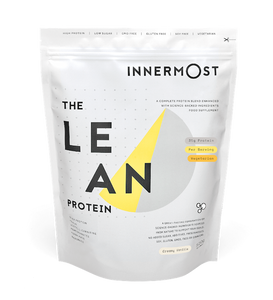
The Lean Protein
Whey protein powder for weight-loss.
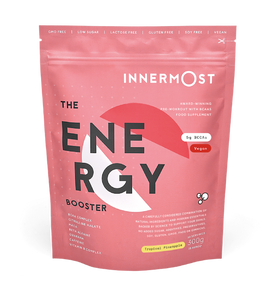
The Energy Booster
Pre/intra-workout powder with BCAAs.

Health:

Gut Health Tests
Let's talk about gut health tests โ€“ you know, those trendy kits that promise to analyze the bacteria in your gut and give you ALL the answers. Seems like everywhere you turn these days, someone's pushing them on you, asking you to mail off your poo for a pricey test. I teamed up with one of Innermost's resident nutritionists, Sophie Gastman, to dig into the truth behind these tests First things first, what are gut health tests? Essentially, theyโ€™re marketed as a way to assess the balance of bacteria in your gut. All you have to do is collect a stool sample, ship it off, and wait for your results to roll in. Companies who offer these tests will most likely offer to sell you a โ€˜'personalisedโ€™' probiotic or prebiotic based on your results, along with some โ€˜'personalised'โ€™ (but what definitely looks like generic) dietary and lifestyle recommendations. It all sounds simple enough, but here's where things get murky. Sophie has been looking into the validity of these tests, and sheโ€™s a bit skeptical.ย  "HERE'S WHY" Accuracy: These tests only give you a snapshot of your gut microbiome at one point in time. Your gut bacteria can change in as little as 24 hours based on what you eat and how you live, so by the time you get your results, they might already be outdated. Plus, different methods to study the same samples can also give wildly different results. So, if you sent your sample off to two different companies, one might say you have a lot of one type of bacteria, while the other says itโ€™s barely there. Lack of Evidence: Despite years of research, we're still in the dark about which gut microbes are linked to specific health outcomes. So, any test claiming to have all the answers is just too good to be true. For example, scientific studies suggest that knowing whatโ€™s in your gut might not actually help with understanding or treating diseases like IBS. Lack of Actionable Insights: Even if these tests could accurately assess your gut, the recommendations they provide are often based on shaky science. Plus, they're so complex that even the experts struggle to make sense of them. Lack of Knowledge: Let's face it, most of us aren't microbiologists. So when these tests dump a ton of complicated info in our laps, it's more likely to leave us scratching our heads than feeling empowered. To make matters worse, these tests can cost a lot of money. We think rather than blowing your hard-earned cash on a gut health test, why not focus on some tried-and-true strategies to support your gut? Cue Sophie with her top six tips to better gut health Diet: Fill your plate with a rainbow of fruits, veggies, whole grains, and legumes to keep your gut happy. Aim for 30 plant points a week (a point for every new plant you eat) - this number seems to be the sweet spot for making the most difference to your gut health. Chill: Stress can wreak havoc on your gut, so find ways to unwind, whether it's through meditation, exercise, or just shooting the breeze with a friend. Hydrate: Keep the water flowing to keep things moving smoothly in your digestive system. Sleep: A good night's sleep does wonders for your gut, so aim for 7-9 hours of shut-eye each night. Ferment: Add some fermented foods like yogurt, kimchi, and sauerkraut to your diet for a boost of gut-friendly probiotics. Supplement: Innermost's The Digest Capsules contain prebiotics and probiotics to keep your gut bacteria thriving, along with digestive enzymes and ginger. Combine them with all the points mentioned above to help your gut bacteria thrive. So there you have it โ€“ supporting your gut health doesn't have to be complicated or break the bank. Just focus on the basics and make some small lifestyle tweaks, and youโ€™ll be well on your way to a healthier gut for a fraction of the price, and without the need to mail your poo off to some complete stranger. Read more
The Real Deal on Continuous Glucose Monitors (CGMs)
Imagine a gadget that gives you real-time insights into how your body reacts to every meal, promising to boost your athletic performance and improve your eating habits.ย Sounds amazing, right?ย But is there enough scientific research to back these claims? I recently sat down with one of Innermost's resident nutritionists, Isabelle Spellissy, to cut through the hype and see what CGMs are really all about and what theyโ€™ve actually been proven to achieve.ย  "What Are CGMs?" Continuous Glucose Monitors track your blood sugar levels around the clock. They use a small sensor typically attached to your arm, and allow you to check your glucose levels on your phone. This tech provides info on how your glucose levels fluctuate based on what you eat, your exercise routines, stress, and sleep patterns.For diabetics, CGMs are a game-changer, helping them maintain their glucose levels within a target range and improving their health outcomes. But now, manufacturers are marketing CGMs to everyone, not just diabetics, with promises of optimising blood sugar for peak physical and mental performance. This trend, pushed by personalised nutrition companies, has sparked a surge in interest from non-diabetics who are eager to try them out. "The Promises of CGMs" For those without diabetes, CGMs are touted with several shiny benefits, all aimed at boosting health, wellness, and performance: Metabolic Health Monitoring: Get a grip on how food, exercise, and lifestyle choices impact your glucose levels. Nutritional Guidance: See how different foods affect you, helping you choose meals that keep your blood sugar stable. Stress and Sleep Insights: Understand how stress and sleep affect your glucose levels, helping you manage both better. Early Detection of Insulin Sensitivity Issues: Spot early signs of insulin resistance or prediabetes, giving you a chance to make changes before itโ€™s too late. "The Reality Check" While CGMs sound amazing, there are some serious caveats: Cost: These devices arenโ€™t cheap, and if youโ€™re not diabetic, insurance probably wonโ€™t cover them. Lack of Clinical Guidelines: No clear or established guidelines exist for non-diabetics using CGMs, which can lead to confusion and misinterpretation. Psychological Impact: Constant monitoring can make you anxious and might lead to obsessive behaviors and excessive self-monitoring. Overemphasis on Glucose Levels: Fixating on glucose can distract from other important health factors like overall nutrition, fitness, and mental well-being. Potential for Misuse: Misreading the data can lead to unhealthy eating habits or extreme diets based on short-term glucose responses. Limited Proven Benefits: The clinical benefits of CGMs are still being studied, with research currently indicating that there isnโ€™t enough evidence to support significant health benefits. ย "What Can You Do?" Instead of parting with your hard earned cash and jumping on the CGM bandwagon, here are some proven alternative strategies to boost your health: Dietary Modifications: Eat whole, nutrient-rich foods. Balance your meals with carbs, proteins, and fats to maintain steady energy levels. Meal Routine and Portion Control: Stick to a meal schedule and watch your portion sizes to avoid energy crashes. Keep Tracking: Use a food journal or app to track what you eat and how it affects you. This can help to make informed choices about your food intake and adjust as needed. Regular Exercise: Mix in cardio, strength training, and flexibility exercises to improve your fitness and mood. Gut Health: Eat fiber-rich and fermented foods to support your gut. Consider prebiotics and probiotics for an extra boost. Feel free to check out The Digest Capsules. Hydration: Drink plenty of water. Proper hydration is essential for overall health, energy levels, cognitive function, and athletic performance. Weโ€™ve got something coming soon that could help with that. Watch this space. By focusing on these holistic lifestyle changes, you can enhance your diet, performance, gut health, mood, and stress levels without needing a CGM. To wrap it up, the buzz around CGMs for non-diabetics is growing, and we might see more benefits and guidelines with further research. But for now, if youโ€™re living a healthy lifestyle, you probably donโ€™t need one of these gadgets. Some people are excited about their potential, but itโ€™s best to approach CGMs cautiously and consult healthcare professionals to make sure youโ€™re using them safely and effectively. Stay smart and keep it simple. References: Beck, R. W., Riddlesworth, T., Ruedy, K., Ahmann, A., Haller, S., Kruger, D. F., ... & Bergenstal, R. M. (2017). Continuous glucose monitoring versus usual care in patients with type 2 diabetes receiving multiple daily insulin injections: a randomized trial. Annals of Internal Medicine, 167(6), 365-374. Basu, A., Dube, S., & Basu, R. (2019). Continuous glucose monitoring: a powerful tool for the non-diabetic population. Expert Review of Medical Devices, 16(11), 903-913. Pettus, J. H., Edelman, S. V., & Price, D. A. (2020). How Patients with Type 1 Diabetes Use Continuous Glucose Monitoring Data and Make Insulin Dosing Decisions. Endocrine Practice, 26(6), 625-630. Read more
Mindful Movement: Incorporating Meditation into Your Training
The Power of Positive Reinforcement: How Encouragement Can Benefit Your Fitness Journey
Fun Workout Activities for Couples: Strengthen Your Bond While Getting Fit Together!
7 Expert Gym Tips to See Faster Results at the Gym
How to Boost Your Sleep Hygiene for a Better Nightโ€™s Rest
Canโ€™t sleep? Youโ€™re not the only one. Research shows that more than one third of adults sleep less, on average, than the recommended seven hours or more per night, with another study suggesting 10% to 15% of people experience chronic insomnia that impacts their day-to-day life.ย  Sleep struggles can feel isolating, lonely and like a never ending challenge, but just a few simple changes to your routine to boost your sleep hygiene could make all the difference and have you snoozing in no time.ย  To help you improve your sleep hygiene for a better nightโ€™s rest, we spoke to Sleep & Health Coach Annika Carroll. Here Annika shares her top tips for building healthy habits that will help you to sleep better. What is sleep hygiene?ย  Sleep hygiene refers to the environment you sleep in and your behaviours. This includes, for example, how hot or cool your bedroom is at night or what you do in the hours before bed. Poor sleep hygiene can include the likes of answering emails in bed late at night or having a bedroom thatโ€™s too bright and impacts the production of your sleep hormones. Drinking caffeine late in the day or eating a heavy meal before bed can also have a negative effect on your sleep.ย  But, itโ€™s not just about what you do in the hours before bed that determines how healthy your sleep routine is. In fact, everything you do from the moment you wake up contributes to your sleep hygiene and will determine how easy you find it to fall asleep each night. โ€œEverything we do throughout the day either adds to our โ€˜sleep accountโ€™ or subtracts from it. What we do one or two hours before bed is important, but it is just one piece of our sleep puzzle,โ€ Annika explains.ย ย  How to boost sleep hygieneย  Set a wind down alarmย  This is your sign to put your phone away and start winding down for the evening. When youโ€™re stressed your nervous system activates your fight or flight response. This causes your stress hormones to be released and your heart rate and breathing rate to increase. Not quite how you want to feel before bed! Instead, focus on calming activities like reading a book, practising a sleep meditation or relaxing under a weighted blanket. These will help to activate the nervous systemโ€™s rest and digest response (aka your relaxation response). If you can, avoid using your phone as you start to wind down. โ€œOur phones emit blue light, which can interfere with the release of our sleep hormone and make it more difficult for us to fall asleep and stay asleep,โ€ explains Annika. โ€œAlso, the content we consume (think: work emails and social media) can trigger the nervous system and raise our stress hormones, which will then make it more challenging to fall asleep.โ€ย  If you find it difficult to wind down and switch off, consider incorporating a sleep supplement into your daily routine. Ourย Relax Capsules contain research-backed ingredients that help reduce stress, promote relaxation and help you get a great night's sleep. An easy way to get a little more chill into your life.ย  Keep your bedroom dark and cool Natural light regulates our body clock and signals to our brain when itโ€™s time to wake up and time to sleep. Melatonin, the hormone that helps us sleep, is released in the absence of light, so itโ€™s important to keep your bedroom as dark as possible with blackout curtains or wear a sleep mask to help you fall asleep and stay asleep. โ€œYou should also cover up lights on smoke detectors, TVs, air conditioners or anything that might disturb your sleep,โ€ Annika says. Itโ€™s also recommended that you keep your bedroom around 16-18ยฐC for the optimal sleep conditions as if youโ€™re too hot or too cold youโ€™ll not only feel restless, but it will impact your body temperature and make it harder to fall asleep.ย  Take breaks throughout the dayย ย  Now you know that everything you do from the moment you wake up until the moment you lay your head on the pillow will impact how you sleep, consider getting outside within the first hour minutes of waking up for a dose of natural sunlight. This will help to regulate the circadian rhythm (aka your sleep-wake cycle) and signal to the body that itโ€™s time to wake up. โ€œThis helps your body set its inner clock, so it will release cortisol - our awake hormone - and set the timer to release melatonin - our sleep hormone - in 14 to 16 hours. That way, you will have more energy throughout the day and fall asleep easier at night.โ€ย  Itโ€™s also important to take regular breaks throughout your day to regulate your stress hormones and give yourself the opportunity to reflect. โ€œIf we don't give our brains a break throughout the day, we start processing experiences and emotions from the day as soon as our head hits the pillow,โ€ Annika explains. โ€œTaking small breaks throughout the day to enjoy the sun or sit for a moment in silence is really helpful.โ€ You donโ€™t have to meditate to take a moment to relax (although we recommend it!), instead you can pick an activity you really enjoy whether thatโ€™s reading, walking or stretching.ย  Cut caffeine after lunchย  We know youโ€™ll have heard this one time and time again, but hear us out, reducing your caffeine intake can do wonders for your sleep. And thereโ€™s a science to it. Let us explain: when you drink a cup of coffee or an energy drink with caffeine, it will help you to feel more awake and alert because it blocks adenosine, a sleep-inducing chemical that builds up in your body throughout the day to ensure you feel sleepy in the evening. However, caffeine has a half-life of around five hours, that means that it takes five hours for the effects of caffeine to wear off and leave your system. โ€œIf you have a cup of coffee at 3pm, about half of that cup could still be in your body at 8pm and a quarter at 1am,โ€ Annika explains. โ€œMoving caffeine intake to earlier in the day is a good idea to help improve your sleep as it will allow its effects to wear off before bed.โ€ย  Want to go caffeine-free but still boost your energy throughout the day? Check out our five top tips for naturally upping your energy levels. You can thank us laterโ€ฆย  Keep your blood sugar stableย  If you find yourself waking up in the night, it could be down to what youโ€™re eating during the day. โ€œNight wakings can indicate your blood sugar is too low,โ€ explains Annika. โ€œIf your blood sugar drops too much overnight, your body releases cortisol to wake you up.โ€ To avoid this happening, make sure you eat balanced meals throughout the day. โ€œEnsure your meals include whole foods, protein, healthy fats, and vegetables, and avoid processed foods and foods high in sugar,โ€ Annika advises.ย  If you struggle to meet your daily protein targets, try our range of protein blends. Each one contains a different combination of research-backed natural ingredients, nootropics and adaptogens. They're also free from soy, gluten, fillers and GMO nasties.ย Whatever your goal, we have a protein blend to help! What to do if you wake up in the middle of the nightย  Weโ€™ve all been there, lying awake at 3am counting down the hours until the alarm goes off. So, what should you do if you wake up in the middle of the night and canโ€™t get back to sleep? Well, it might sound counterproductive but itโ€™s best to get out of bed and leave your bedroom so you can re-set.ย  โ€œDo something thatโ€™s not too stimulating, such as reading a book, journaling or watching a little TV,โ€ suggests Annika. โ€œAvoid turning on bright lights; keep them dim and once you feel tired again, go back to bed. This way, your brain doesn't associate the bed with worrying and being awake.โ€ย  If you find getting out of bed makes you feel even more awake, try a visualisation meditation to help your mind relax and help you drift back off to sleep. Instead of counting sheep, Annika suggests visualising a place that brings you joy in great detail. โ€œFor example, you could see yourself walking on the beach, think about how the sun feels on your shoulders, and how the sand feels on your toes. The more detail, the better. This can help you relax and fall back asleep.โ€ย  Read more
5 Simple Things a Neurologist Does to Protect Their Brain Health
The Science of Post Workout Recovery: How to Maximise Muscle Growth and Repair
Top 5 Benefits of Mushroom Coffee | Meet The Wellness Blend
Introducing The Wellness Blend, a revolutionary mushroom-infused coffee blend designed to elevate your daily coffee ritual. This unique concoction combines premium Arabica coffee with a carefully curated selection of adaptogenic mushrooms, creating a powerful blend that not only boosts energy but also enhances overall wellbeing. Why do you need mushroom coffee?ย  In today's fast-paced world, prioritising optimal health can be challenging. But donโ€™t worry, mushroom coffee is here to help with this. With its unique blend of six adaptogenic mushrooms, chaga, reishi, maitake, shiitake, cordyceps and tremella, The Wellness Blend offers a huge range of health benefits. From immune support and stress reduction to improved cognitive function and athletic performance, mushroom coffee provides a holistic approach to wellness. What makes The Wellness Blend different is its unique ability to provide sustained sustained energy without the typical coffee crash. Thanks to the adaptogenic properties of mushrooms, The Wellness Blend not only provides an energy boost but also helps the body adapt to stress, promoting a more balanced and sustained energy throughout the day. So, whether you need a morning coffee boost or an afternoon pick-me-up, The Wellness Blend can make for a healthier, more practical alternative to your daily coffee. The benefits of using mushroom coffee blends: 1. Immune Support: Chaga and reishi, two mushrooms in our blend, are the dynamic duo behind fortifying your immune system. Chaga mushrooms boost the immune system by activating immune cells. They stimulate antibody production and exhibit anti-inflammatory effects, enhancing the body's ability to defend against invaders. Reishi enhances the immune system. Its bioactive compounds, such as beta-glucans and triterpenes, modulate immune responses, promoting defense against pathogens.ย  2. Stress Reduction: Reishi takes the spotlight when it comes to promoting relaxation and stress reduction. Packed with bioactive compounds such as beta-glucans and triterpenes, reishi has been prized for centuries for its adaptogenic properties. By integrating reishi into your routine, The Wellness Blend provides a natural remedy to navigate the demands of modern life, helping you find your balance and calm amidst the chaos. 3.ย Skin Care Tremella works to support cognitive function. Known for its natural moisture-retaining properties, Tremella contributes to skin health and hydration. It also contains bioactive compounds believed to support the immune system and beneficially impact cognitive health. By including tremella in The Wellness Blend, we've crafted a unique elixir that not only supports better skin but also nurtures brain health. 4.ย Heart Health: Cordyceps, a mushroom known for its incredible health benefits, takes centre stage in promoting cardiovascular health. This mushroom has been renowned for centuries in Eastern medicine for its ability to enhance stamina, endurance, and energy levels. By incorporating Cordyceps into The Wellness Blend, we've harnessed its power to not only improve athletic performance but also to support your cardiovascular system, ensuring your heart stays strong and resilient.ย  5. Gut Health: Certain mushroom varieties, like lion's mane, have been linked to improved gut health, potentially aiding digestion and promoting a healthy microbiome. Benefits of The Wellness Blend: The Wellness Blend offers a myriad of benefits. Chaga and Reishi bolster immune function, Cordyceps enhances athletic performance, while Lion's Mane supports cognitive function. Additionally, the adaptogenic properties of these mushrooms help the body adapt to stress, promoting overall resilience and well-being.Chaga mushrooms are renowned for their immune-boosting properties. Rich in antioxidants, Chaga helps strengthen the body's defense mechanisms, protecting against infections and illnesses. Reishi, often referred to as the "Mushroom of Immortality," is prized for its ability to reduce stress and promote relaxation. Its adaptogenic properties help the body cope with physical and mental stressors, supporting overall well-being.Cordyceps is another key ingredient in the Wellness Blend, known for its performance-enhancing benefits. This mushroom has long been used in traditional medicine to improve stamina and endurance, making it a popular choice among athletes and fitness enthusiasts. By increasing oxygen utilization and energy production, Cordyceps helps boost athletic performance and recovery. How much mushroom blend do you need? The optimal amount of mushroom blend in your coffee depends on personal preference and the specific blend you choose. Mushroom coffee products often come with recommended serving sizes, ensuring you get the right balance of coffee and mushroom goodness. Experimenting with different ratios can help you find the perfect mix that suits your taste buds and health goals. How can you get started with mushroom coffee? Ready to experience the benefits of mushroom coffee for yourself? Head to our product page and discover the Wellness Blend today. With its convenient powder form, it's never been easier to incorporate mushroom coffee into your daily routine. Elevate your coffee experience and embrace a healthier, more balanced lifestyle with The Wellness Blend. Read more
Strength Training 101 Webinar
You may have heard that we recently held a Strength Training 101 webinar. Within this webinar, we talked all things strength training, from its benefits to how to get started with weight training. One thing we touched heavily upon were some common strength training myths and why you should stop believing them. If you missed our webinar and would like to catch up, check out the video below. But if you're short of time, read on for a run down of some of the most common strength training misconceptions.ย  What Is Strength Training? Strength training, also called resistance or weight training, is a type of exercise that aims to make your muscles stronger and improve endurance. It typically involves using weights or resistance to achieve this. The main purpose of strength training is to improve your muscles' ability to produce force. This leads to increased muscle mass, better tone, and improved overall fitness. When you use external resistance like weights or resistance bands, it causes tension in your muscle fibres and microscopic tears. During the recovery phase, your body starts repairing these tears by creating new proteins and muscle fibres, which is what makes your muscles stronger. 4 Common Strength Training Myths: The buzz around strength training doesnโ€™t come without common misconceptions and myths, and Iโ€™m sure you have heard many reasons as to why it might hinder your health or just not be of benefit to you.ย  1. Strength training can make women bulky This myth isย  so prevalent within society but seems to be slowly decreasing. Actually, a balanced strength training programย with a good diet gives you a lean and toned physique. Numerous studies have shown that genetic and hormonal differences between ourselves and our male counterparts, such as testosterone levels, make gaining large amounts of muscle a greater challenge for women. Studies have also shown that strength training in women tends to lead to an increase in lean body mass, which is associated with improved metabolism and fat loss and contributes to a toned and athletic appearance rather than bulkiness. 2. Cardio is better for fat loss Strength training actually plays a significant role in shedding fat by boosting metabolism and promoting lean muscle mass. A 2019 study by the Institute of Sports Sciences found that muscle is more active than fat -ย  a pound of muscle can burn anywhere from 10 to 20 calories a day, while a pound of fat burns only 2 to 5 calories a day. A 2020 study published in the Journal of Sports Science also shows that your metabolic rate is increased for up to 72 hours after strength-training exercise. This means that youโ€™re still burning additional calories hours and even days after your workout. Not to mention, combining strength training with cardio creates a more exciting and enjoyable fitness routine than just doing cardio alone. 3. Strength training isn't for older people: It's commonly believed that strength training can injure older people, but research suggests strength training is actually a great activity for older adults. Research shows that after the age of 30, adults can lose 3-5% of muscle mass per decade, so strength training helps to combat this age-related muscle loss. It also helps to maintain bone density, improve joint health, and enhances overall functional fitness. So strength training could actuallyย help prevent age-related injury and promote a higher quality of life as we age.ย  4. Strength training is time consuming: Lots of people think strength training takes up a lot of time but you can actually achieve effective strength training in short, focused workouts, even 30 to 45 minute workouts can yield significant results. In fact, according to the British Medical Journal, a period of between 30 to 60 minutes of strength training per week is all you need to reap the benefits of strength training. As clichรฉ as it sounds, it's very much quality and consistency over quantity.ย  In terms of needing a gym, strength training can be a very versatile practice that you can do anywhere, living room, local park, or even the garden. The main key is completing more bodyweight exercises, and adding things like resistance bands. Benefits of Strength Training Now that we've unpacked some truths about strength training, we want to turn our attention to the science behind the holistic benefits that strength training provides. 1.Mental health: Regarding our mental health, current research suggests regular strength training sessions reduce symptoms of both anxiety and depression regardless of age or health status. One way this occurs is through the release of hormones called endorphins which act as a natural mood enhancer and stress reliever, and are part of the reason why when you exercise you feel a little buzz. Our mood can also be improved by the feeling of accomplishment you get when you complete your strength-goals- like upping your squat by a few kg, holding a new yoga pose or just pushing yourself to do a few more reps.On top of this, a systematic review that studied 754 adults showed a significant link between strength training and positive body image, including body satisfaction, appearance, and social anxiety around how you look. 2. Cognitive benefits: A lesser known benefit of strength training is improved cognitive function and neuroprotective effects. Those who engage in strength training may have better brain health and protection against age-related cognitive decline. This is because strength training improves blood flow, reduces inflammation, and increases brain-derived neurotrophic factor (BDNF), which is basically whatโ€™s linked to memory and learning. Multiple studies have also pointed to other significant cognitive improvements after participating in strength training, like processing speed, memory, and executive function. Executive function is like the CEO of your brainโ€”it's the boss that helps you plan, organise, manage your emotions and get stuff done. It's what makes sure you remember to grab your keys before leaving the house, helps you follow a recipe, and stick to a schedule without procrastinating or binge-watching TV. 3. Physical strength: It may seem like stating the obvious, but itโ€™s an equally important benefit, and thatโ€™s your physical strength. As Shiv talked about earlier, as you progressively challenge your muscles with resistance, they get better at generating force by bringing in more muscle fibres after those microscopic tears. This allows you to lift heavier weights and perform more challenging exercises. This doesn't only mean the benefit is you can squat more or deadlift more, but also translates to completing more mundane tasks more easily like bringing the shopping in or climbing the stairs at work.ย  Strength training improves posture and reduces lower back pain by enhancing the strength and endurance of core muscles. When the muscles supporting the spine and lower back are strengthened through exercises like squats and deadlifts, they provide better support and stability. This, in turn, helps maintain a more upright posture and reduces the strain on the lower back, which alleviates that pain and improves your spine health. 4. Metabolic and chronic diseases: According to the World Health Organization (WHO), strength training has been associated with a 20-30% reduction in the risk of chronic diseases like cardiovascular disease, type 2 diabetes and arthritis.ย  This is because itโ€™s been shown to improve insulin sensitivity, so your body is able to regulate your blood sugar levels more effectively. Itโ€™s been linked to improvements in blood pressure and cholesterol levels. It also improves joint function and overall mobility.ย  5. Better sleep: Engaging in regular physical activity, including strength training, has been shown in research to improve sleep quality and duration. That research shows that 60% of people who weight train get an average of 7 hours or more of sleep per night. The exertion during workouts, coupled with the positive impact on stress levels, promotes more restful and rejuvenating sleep. ย  In summary,ย there are numerousย myths surrounding strength training and if you're ever confused about anything you hear about it, you should do some research before disregarding weight training entirely, or simply get in touch on our website for some quick advice. Beyond physical benefits, strength training has many benefits for your overall health, from improving cognitive function to reducing the risk of chronic diseases,ย strength trainingย enhances overall well-being. Embrace the power of short, focused workouts and discover the joy of achieving strength goals. Strengthen your body, elevate your mood, and foster a healthier, more fulfilling life through the enduring practice of strength training. Read more
Insider Q&A | What Does It Mean to be Strong?
8 Strength Training Myths You Need to Stop Believing
Let's debunk the myths surrounding strength training and pave the way for a more inclusive and informed approach. From dispelling fears of bulking up to challenging the notion that strength supplements offer a shortcut, we unravel the truths that empower individuals to embrace the transformative benefits of building strength. Whether you're a seasoned enthusiast or a newcomer, understanding the reality behind these myths is the key to unlocking the full potential of strength training. It's time to break free from stereotypes, embrace the versatility of strength exercises, and step into a healthier and stronger lifestyle. 8 Strength Training Myths You Need to Stop Believingย  1. Bulking Up: One common misconception about strength training is the fear of "bulking up." In reality, a well-rounded strength training program, when combined with a balanced diet, contributes to a lean and toned physique. Women, in particular, don't need to worry about becoming 'bulky' or overly muscular, as hormonal differences make it challenging to achieve a bulky appearance without specific training and nutrition protocols. 2. Strength Supplements Are a Shortcut:While strength supplements can be beneficial, they are not a shortcut to success.ย Many people believe that these supplements alone can replace a well-rounded diet and consistent training. The truth is, supplements are meant to complement a solid foundation of nutritious food and proper exercise. It's essential to prioritise a healthy lifestyle over relying solely on shortcuts. 3. Cardio Is Superior for Fat Loss:One prevalent myth is that cardiovascular exercise is the only effective way to lose fat, and strength training is only for building muscle. In reality, strength training can play a significant role in fat loss by increasing metabolic rate and promoting the development of lean muscle mass [1].ย Combining both strength training and cardiovascular exercise creates a well-rounded fitness routine that maximises fat loss and overall health [2]. 4. Strength Training Is Only for the Young People: Some believe that strength training is exclusively for youngerย people and that older individuals should avoid it due to the risk of injury. However, strength training is particularly beneficial for older adults. It helps maintain bone density, improves joint health, and enhances overall functional fitness, promoting independence and a higher quality of life as individuals age [3] [4]. 5. You Can Spot-Reduce Fat:Many people believe that performing specific exercises targeting a particular body part will result in localised fat reduction. Unfortunately, spot reduction is a myth. Fat loss occurs systematically across the entire body through a combination of a calorie deficit and regular exercise [5].ย While strength training can tone and define specific muscle groups, it does not selectively eliminate fat from those areas.6. Heavy Weights Bulk, Light Weights Tone:Another common misconception is that lifting heavy weights will lead to bulking up, while lifting lighter weights with higher repetitions will result in a toned physique. The reality is that both approaches have their place in a well-rounded strength training program. The key is to adjust the training variables, such as volume and intensity, based on individual goals, rather than relying on a one-size-fits-all approach. 7. Strength Training Is Time-Consuming:Some people shy away from strength training because they believe it requires long, gruelling sessions in the gym. In truth, effective strength training can be achieved in relatively short periods. High-intensity, focused workouts that target key muscle groups can yield significant results in as little as 30 to 45 minutes. Quality and consistency are more important than quantity when it comes to strength training. 8. You Need a Gym to Strength Train: Let's set the record straight. You don't need a gym membership to embark on a powerful strength training journey. Effective strength training is not tethered to fancy equipment or elaborate setups, it's a versatile practice that can unfold anywhere โ€“ your living room, a local park, or even the garden. Bodyweight exercises, resistance bands, and creative use of everyday items are your tools to sculpting strength without the need for a gym. To Weigh it Up: By busting these common myths, we pave the way for a more inclusive and informed approach to strength training.ย Ultimately, it's an accessible practice that benefits individuals of all ages and fitness levels. Embrace the diversity of strength training exercises, tailor your approach to your specific goals, and enjoy the numerous physical and mental rewards that come with building strength. Remember, knowledge is power, and understanding the truth about strength training is the first step toward a healthier and stronger you. ย  ย  [1]ย https://pure.bond.edu.au/ws/portalfiles/portal/36134364/AM_The_effect_of_exercise_interventions_on_resting_metabolic_rate.pdf[2]ย https://pubmed.ncbi.nlm.nih.gov/34957791/[3]ย https://www.ncbi.nlm.nih.gov/pmc/articles/PMC6279907/[4]ย https://journals.sagepub.com/doi/10.1177/0269215515610039)[5]ย https://www.termedia.pl/A-proposed-model-to-test-the-hypothesis-of-exerciseinduced-localized-fat-reduction-spot-reduction-including-a-systematic-review-with-meta-analysis,129,45538,0,1.html Read more