








icon-account icon-glass

Popular Products

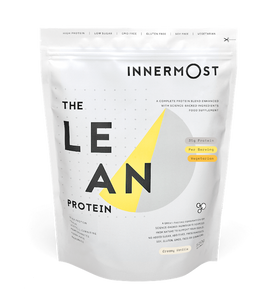
The Lean Protein
Whey protein powder for weight-loss.

IN
SIGHT

INSIGHT. Noun. The capacity to gain an accurate, deep and sometimes sudden understanding of someone or something.

Knowledge is power. We want everyone to have access to the experts in the room. Get to know what’s real and what’s a gimmick with our in-depth articles, and start bossing your health and fitness today.

INSIGHT. Noun. The capacity to gain an accurate, deep and sometimes sudden understanding of someone or something.

Knowledge is power. We want everyone to have access to the experts in the room. Get to know what’s real and what’s a gimmick with our in-depth articles, and start bossing your health and fitness today.
Bilberry Benefits: What the Science Says
If you’ve spotted bilberries on the ingredients list of one of our protein blends, you might have wondered what they’re doing there. It’s a fair question. While the role and benefits of protein are generally well understood, a small dark berry might need a little more explaining. Bilberries have been part of European diets for generations. Their deep purple colour comes from anthocyanins, plant compounds that have attracted scientific interest in their potential effects on human health. Studies have explored everything from eye comfort during screen work to how the body responds to carbohydrates, with some encouraging findings. At Innermost, we’re interested in understanding what makes an ingredient worth including and how the research applies to everyday life. Bilberries give us plenty to explore, although some of their potential benefits are better understood than others.  Here, we’ll take a closer look at the health and nutritional benefits of bilberries, what the research says, and how you can make them part of the way you eat and train.  What are bilberries? Bilberries are small, dark berries that grow on Vaccinium myrtillus, a low shrub found wild across northern Europe. You’ll find them in Britain too, growing across heathland, moorland and woodland, particularly in the north and west. Depending on where you grew up, you might know them as blaeberries, whinberries or whortleberries. At first glance, they’re easy to mistake for blueberries. Cut one open, though, and the difference becomes clear: bilberries have red-purple flesh, while cultivated blueberries are usually pale inside. Their flavour tends to be sharper and more intense, making them a good addition to porridge or yoghurt. Fresh bilberries can be harder to find in shops, but frozen berries offer a convenient way to enjoy them beyond the picking season. What makes bilberries nutritionally valuable? Bilberries pack a useful amount of nutrition into a small serving. Finland’s national food composition database puts 100g of fresh bilberries at around 65 calories, with 3.3g of fibre and 1.9mg of vitamin E, which is roughly a sixth of the daily reference amount. They also provide a more modest amount of vitamin C, at about 7mg. Much of the scientific interest, though, centres on the anthocyanins behind their deep purple colour. Bilberries contain 15 different types. Laboratory studies suggest these compounds can influence inflammatory signalling and help counter oxidative stress, which occurs when reactive molecules build up beyond the body’s ability to manage them. Only a small proportion of anthocyanins is absorbed intact, while gut bacteria break down much of the rest into smaller compounds that may have effects of their own. Researchers are studying these too, helping us understand how bilberries’ plant compounds behave in the body and what that could mean for our health. What are the potential health benefits of bilberries? So far, human research has given us several reasons to add bilberries to our diet. Here’s a closer look at the main findings and what they could mean for you. Eye health and visual comfort If your working day involves hours at a screen, this is likely to be the most relatable area of research. A 2015 trial studied people who regularly used screens and experienced eye fatigue. After eight weeks, those taking 480mg of bilberry extract daily reported greater improvements in several symptoms following screen tasks than those taking a placebo. These included eye heaviness and discomfort. A later study found improvements in a measure of the eye’s focusing-muscle response after 12 weeks of taking a different standardised extract.  Together, these findings suggest concentrated bilberry extract may support visual comfort during screen-heavy days. Anthocyanins and markers of inflammation Inflammation is a normal part of how the body responds to injury and training, but when it lingers at a low level over time, it's linked with poorer long-term health.  Researchers have also investigated whether consuming bilberries changes the signals associated with inflammation. In a Norwegian trial, 62 adults with at least one risk factor for cardiovascular disease drank either bilberry juice or water every day for four weeks. The bilberry group saw significant falls in several inflammation markers, including C-reactive protein, or CRP and interleukin-6.  Blood sugar Another area of interest is how bilberry compounds might influence the body’s response to carbohydrates. There's early evidence that bilberry extract can soften the rise in blood sugar after a carbohydrate-rich meal. In a small Aberdeen study, eight men with type 2 diabetes or impaired glucose tolerance, managed through diet and lifestyle, took a single capsule of standardised bilberry extract, roughly equivalent to 50g of fresh berries, alongside a carbohydrate drink. Their glucose and insulin responses were significantly lower than with a placebo, most likely because the extract slowed how quickly the carbohydrate was digested and absorbed. If you manage diabetes or take blood-thinning or other regular medication, speak to your GP or pharmacist before trying a concentrated bilberry extract. How do bilberries fit into an active lifestyle? For most people who train, bilberries are at their best as food. A handful stirred through porridge or overnight oats, spooned over Greek yoghurt or blended into a post-workout smoothie adds fibre, colour and a sharp, fruity flavour to meals you're already eating.  Built into a meal with a good source of protein and some slower-digesting carbohydrate, they make an easy breakfast or post-training option. A bowl of porridge made with milk, with a scoop of protein stirred through once it’s off the heat and a handful of bilberries on top, covers all three in about five minutes. The protein supports your muscles, the carbohydrate refuels you, and the berries add fibre, which many adults don't eat enough of. Bilberries in Innermost’s protein blends If you’d like to know where bilberries fit into our range, you have a few options. We include them in three protein blends, so you can choose according to your dietary preferences and what you’re working towards. The Strong Protein contains 250mg of bilberries and 300mg of Montmorency cherries per serving. They sit alongside whey and casein protein, with added creatine and magnesium. The Lean Protein contains 200mg of bilberries per serving, alongside pomegranate in a whey-based formula. The Health Protein provides 250mg of bilberries within a pea and brown rice protein blend. The protein in these blends contributes to the growth and maintenance of muscle mass, with bilberries forming part of the wider formulation. Whether you’re mixing a shake or adding protein powder to breakfast, explore our protein range to find your fit. References Finnish Institute for Health and Welfare. Fineli food composition database: Blueberry, bilberry, Vaccinium myrtillus. Click here. Kosehira, M., Machida, N., Kitaichi, N. (2020). A 12-week-long intake of bilberry extract (Vaccinium myrtillus L.) improved objective findings of ciliary muscle contraction of the eye: A randomized, double-blind, placebo-controlled, parallel-group comparison trial. Nutrients. 12(3). Click here. Vaneková, Z., Rollinger, J.M. (2022). Bilberries: Curative and miraculous – A review on bioactive constituents and clinical research. Frontiers in Pharmacology. 13. Click here. Chu, W.K., Cheung, S.C.M., Lau, R.A.W., Benzie, I.F.F. (2011). Bilberry (Vaccinium myrtillus L.). In: Herbal Medicine: Biomolecular and Clinical Aspects. 2nd edition. Click here. Tian, L., Tan, Y., Chen, G., Wang, G., Sun, J., Ou, S., Chen, W., Bai, W. (2019). Metabolism of anthocyanins and consequent effects on the gut microbiota. Critical Reviews in Food Science and Nutrition. 59(6). Click here. Ozawa, Y., Kawashima, M., Inoue, S., Inagaki, E., Suzuki, A., Ooe, E., Kobayashi, S., Tsubota, K. (2015). Bilberry extract supplementation for preventing eye fatigue in video display terminal workers. Journal of Nutrition, Health and Aging. 19(5). Click here. Karlsen, A., Paur, I., Bøhn, S.K., Sakhi, A.K., Borge, G.I., Serafini, M., Erlund, I., Laake, P., Tonstad, S., Blomhoff, R. (2010). Bilberry juice modulates plasma concentration of NF-κB related inflammatory markers in subjects at increased risk of CVD. European Journal of Nutrition. 49(6). Click here. Hoggard, N., Cruickshank, M., Moar, K.M., Bestwick, C., Holst, J.J., Russell, W., Horgan, G.W. (2013). A single supplement of a standardised bilberry (Vaccinium myrtillus L.) extract (36% wet weight anthocyanins) modifies glycaemic response in individuals with type 2 diabetes controlled by diet and lifestyle. Journal of Nutritional Science. 2. Click here. Read more
The Health Benefits of Montmorency Cherries
After finishing a tough workout - whether it be cardio, strength training or conditioning - it’s easy to think that the job is done. Yet, as the next day arrives, your body has other ideas. If you train regularly, you’ll know that making time for recovery is part of making progress.  Alongside enough sleep and rest between sessions, what you eat plays an important role in that recovery. Protein and carbohydrates are familiar parts of the picture, but researchers have also been exploring how foods such as Montmorency cherries might help. These tart cherries have attracted interest for their potential to support the recovery of muscle strength after demanding exercise, with smaller studies also reporting encouraging findings for sleep. So, what makes them worth a closer look? Here, we’ll explore the benefits of Montmorency cherries, what the research tells us and how they could fit into your routine. What are Montmorency cherries? Montmorency cherries are a variety of sour cherry, Prunus cerasus. You’ll often see them described as tart cherries, which is another name for the same type of fruit. They take their name from Montmorency, a town just north of Paris, and are now grown widely across North America and Europe. They have a sharper flavour than the sweet cherries you might buy fresh and eat straight from the punnet. That tartness works well in cooking and adds a little contrast to sweeter breakfast dishes. You’ll also find them sold frozen, dried or processed into juice, concentrates and powders.  What are the potential health benefits of Montmorency cherries? There’s more to the interest in Montmorency cherries than their nutritional profile. Human studies have explored how they might support recovery and sleep, alongside their potential effects on wider health. Muscle recovery after demanding exercise After a demanding session, your muscles may temporarily struggle to produce their usual level of force. Researchers have been investigating whether tart cherries can help that strength return more quickly.  A 2026 review combining results from 19 trials found that tart cherry supplementation improved recovery of maximal voluntary contraction in trained athletes. This measures the greatest force a muscle can produce, giving researchers a way to assess how well strength has returned after exercise. The review also found reductions in C-reactive protein, a blood marker of inflammation, at some points during recovery. Earlier research from Northumbria University found that marathon runners who consumed Montmorency cherry juice around their race recovered muscle function more quickly. This helped build interest in cherries within sports nutrition. Taken together, these findings suggest tart cherry may have a role around particularly demanding exercise. Sleep duration and quality Between work, training and everything else, getting enough good-quality sleep can be a challenge. Alongside a consistent bedtime and time to wind down, what you eat and drink may also influence how well you sleep. Sleep is one of the main areas of research into Montmorency cherries, with small human trials exploring whether they could help improve sleep duration and quality. In a study involving 20 healthy adults, participants consumed tart cherry concentrate or a placebo for seven days. During the cherry intervention, they experienced improvements in total sleep time and sleep efficiency, the proportion of time in bed spent asleep. Researchers also measured higher levels of a melatonin breakdown product in urine. A separate pilot study in older adults with insomnia reported around 84 minutes more sleep after two weeks of cherry juice. Only eight participants completed the trial, so that figure needs to be kept in context. Blood pressure and other potential benefits Some trials have also found short-term reductions in blood pressure after drinking Montmorency cherry concentrate. In a 2016 study, 15 men with raised blood pressure took a single serving of concentrate, and their systolic blood pressure was lower over the following three hours, by around 7mmHg at its peak. Longer-term results are mixed. Three months of daily concentrate made no difference to blood pressure in middle-aged adults, while a 12-week study in older adults reported lower systolic blood pressure. Tart cherry is also often linked with gout. Concentrate has lowered uric acid in healthy adults over a couple of days, but a trial in people with gout found no effect on uric acid levels or flares over four weeks, at any of the doses tested. The evidence doesn't currently support tart cherry for gout, so if you're managing the condition, follow your GP's advice. How do Montmorency cherries fit around training? People tend to reach for tart cherry when recovery time is short, such as a week with two matches, a tournament weekend or a hard training camp. For a wider look at recovery nutrition, see our guide to the best supplements for muscle recovery. In the recovery trials, the most common approach was around 30ml of concentrate or 240ml of juice twice a day, usually starting several days before the demanding exercise and continuing for a few days afterwards. That routine carries a fair amount of sugar. Going by the concentrates described in one 2025 trial and another from 2022, a 30ml serving provides roughly 19–25g of carbohydrate, most of it sugar, so twice a day comes to around 40–50g. The sugars in juice and concentrate count as free sugars, which the NHS recommends adults keep to no more than 30g a day, and juices and smoothies should be limited to 150ml a day combined. If you're fuelling heavy training, that carbohydrate may be useful. If you're keeping an eye on sugar, it adds up quickly. When choosing a juice or concentrate, look for 100% Montmorency with no added sugar. For capsules and powders, check which form of cherry is used, such as whole-fruit powder, juice powder or extract, and whether the label gives its measured composition. Products vary, so none can be assumed to match a preparation used in a study. Prefer to eat them? Frozen or dried tart cherries work well stirred through porridge or overnight oats, though dried versions are often sweetened, so check the label. Are Montmorency cherries safe? For most people, Montmorency cherries are safe in food amounts, and the concentrates used in research have generally been well tolerated. A few things are worth knowing before you try a concentrate or supplement: Cherries contain high levels of sorbitol and fructose, which can cause bloating or loose stools in larger amounts, particularly if you have IBS. If you take blood thinners, blood pressure medication or diabetes medication, speak to your GP or pharmacist first. Keep the sugar content in mind, too, if you're managing your blood glucose. Avoid them if you have a cherry allergy, and check with your GP before using concentrated products while pregnant or breastfeeding. Montmorency cherries in The Strong Protein We include Montmorency cherries in The Strong Protein, our protein blend developed with strength training in mind. Each serving contains 300mg of Montmorency cherries alongside 250mg of bilberries. They form part of a wider formulation containing whey and casein protein, with added creatine monohydrate and magnesium. The protein contributes to the growth and maintenance of muscle mass, making the blend a convenient way to support your protein intake around regular training. Montmorency cherries are an ingredient with an interesting body of sports nutrition research behind them, although the trials discussed here studied specific preparations and amounts. Whether you prefer a shake after training or a scoop mixed into breakfast, explore The Strong Protein to see how it could fit into your routine. References Daab, W., Bouzid, M.A., Nassis, G.P., Arumugam, A., Ammar, A., Pojskić, H., Abaïdia, A.E. (2026). Effects of tart cherry juice supplementation on recovery from exercise-induced muscle damage in athletes: A systematic review and meta-analysis. Sports Medicine – Open. 12, 40. Click here. Howatson, G., McHugh, M.P., Hill, J.A., Brouner, J., Jewell, A.P., van Someren, K.A., Shave, R.E., Howatson, S.A. (2010). Influence of tart cherry juice on indices of recovery following marathon running. Scandinavian Journal of Medicine & Science in Sports. 20(6). Click here. Howatson, G., Bell, P.G., Tallent, J., Middleton, B., McHugh, M.P., Ellis, J. (2012). Effect of tart cherry juice (Prunus cerasus) on melatonin levels and enhanced sleep quality. European Journal of Nutrition. 51(8). Click here. Losso, J.N., Finley, J.W., Karki, N., Liu, A.G., Prudente, A., Tipton, R., Yu, Y., Greenway, F.L. (2018). Pilot study of the tart cherry juice for the treatment of insomnia and investigation of mechanisms. American Journal of Therapeutics. 25(2). Click here. Keane, K.M., George, T.W., Constantinou, C.L., Brown, M.A., Clifford, T., Howatson, G. (2016). Effects of Montmorency tart cherry (Prunus cerasus L.) consumption on vascular function in men with early hypertension. American Journal of Clinical Nutrition. 103(6). Click here. Kimble, R., Keane, K.M., Lodge, J.K., Howatson, G. (2021). The influence of tart cherry (Prunus cerasus, cv Montmorency) concentrate supplementation for 3 months on cardiometabolic risk factors in middle-aged adults: A randomised, placebo-controlled trial. Nutrients. 13(5). Click here. Chai, S.C., Davis, K., Wright, R.S., Kuczmarski, M.F., Zhang, Z. (2018). Impact of tart cherry juice on systolic blood pressure and low-density lipoprotein cholesterol in older adults: A randomized controlled trial. Food & Function. 9(6). Click here. Bell, P.G., Gaze, D.C., Davison, G.W., George, T.W., Scotter, M.J., Howatson, G. (2014). Montmorency tart cherry (Prunus cerasus L.) concentrate lowers uric acid, independent of plasma cyanidin-3-O-glucosiderutinoside. Journal of Functional Foods. 11. Click here. Stamp, L.K., Chapman, P., Frampton, C., Duffull, S.B., Drake, J., Zhang, Y., Neogi, T. (2020). Lack of effect of tart cherry concentrate dose on serum urate in people with gout. Rheumatology. 59(9). Click here. Sinclair, J., McLaughlin, G., Allan, R., Brooks-Warburton, J., Lawson, C., Goh, S., Desai, T., Bottoms, L. (2025). Health benefits of Montmorency tart cherry juice supplementation in adults with mild to moderate ulcerative colitis: A placebo randomized controlled trial. Life. 15(2). Click here. Kimble, R., Keane, K.M., Lodge, J.K., Cheung, W., Haskell-Ramsay, C.F., Howatson, G. (2022). Polyphenol-rich tart cherries (Prunus cerasus, cv Montmorency) improve sustained attention, feelings of alertness and mental fatigue and influence the plasma metabolome in middle-aged adults: A randomised, placebo-controlled trial. British Journal of Nutrition. 128(12). Click here. Read more
The Complete Guide to Carbohydrates
Carbohydrates are one of the three macronutrients your body gets energy from, alongside protein and fat. They're the sugars, starches and fibre found mainly in plant foods and milk, and UK guidance recommends they make up about half of the energy in your diet. They're also the macronutrient people are most likely to cut when they decide to eat better, and probably the most misunderstood. Carbs get blamed for weight gain, sugar gets compared to a drug, and somehow fruit has ended up on lists of foods to avoid. A proper look at the evidence disproves nearly all of this, although some of it starts from a grain of truth that's been stretched a very long way. I've spent more than 12 years in and around the gym, and in that time I don't think any nutrient has picked up more misinformation than carbohydrate. In some way, people generally tend to ‘get’ why protein is important. They know they usually need more of it. So, when they’ve realised a calorie deficit is the way to lose weight, carbs tend to be what gets sacrificed to get there. There’s not necessarily anything wrong with that, but when you’re starting a diet on under 1000 calories a day (a separate issue!), eating barely any carbs at all and then wondering why you’ve got no energy and feel awful all the time, clearly something needs to change. So, in this guide I'll cover what carbohydrates are, the different types and how your body digests and uses them. We'll look at how much you need, where the best sources come from, how to fuel your training and how carbs fit into popular diets such as low carb, keto and carb cycling, before finishing with what the research actually says about the most common carb and sugar myths. I'll give it to you straight throughout and stick to the science, even when it’s perhaps not as interesting as the headlines. Before we start, there’s one key concept to understand: Whether a carbohydrate helps or hinders you comes down to three things: what it comes packaged with, how much of it you eat, and what you're doing at the time. Let's get into it. Key takeaways Carbohydrates are one of the three macronutrients and your body's preferred fuel, especially for higher-intensity exercise. Scientists classify them by size, as monosaccharides, disaccharides, oligosaccharides and polysaccharides. In food, that means sugars, starches and fibre. Quality matters more than quantity. Wholegrains, potatoes, pulses, fruit, vegetables and dairy bring fibre, vitamins and minerals along with their carbohydrate. UK guidance recommends about half your energy from carbohydrate, at least 30g of fibre a day and no more than 30g of free sugars. Most UK adults struggle to get enough fibre but go over on free sugars. If you're active, think in grams per kg of body weight, from 3 to 5g per kg for light activity up to 8 to 12g per kg for very heavy endurance training. For lifting, total calories and protein matter more than carbohydrate, although carbs help most with high-volume, fasted or twice-daily training. Low-carb and keto diets work for weight loss when they cut calories, and no better than other diets when calories are matched. Keto also holds back endurance performance. Carbs don't make you fat on their own, sugar isn't toxic and whole fruit isn't the problem. Energy balance and food quality are what count. What are carbohydrates? Carbohydrates are compounds made of carbon, hydrogen and oxygen that your body uses mainly for energy. They're one of the three macronutrients, along with protein and fat, and digestible carbohydrates provide 4 kcal per gram. Most carbohydrates follow the same chemical pattern, fitting the general formula Cx(H2O)y: roughly one carbon atom for every molecule of water. That's where the name comes from. Carbo-hydrate means hydrated carbon. Glucose, with the formula C6H12O6, is one of the most common examples you’ve probably heard of. The basic building block is a single sugar unit called a saccharide. Some carbohydrates are just one of these units, while others are chains of thousands. How many units are joined together is how scientists classify carbohydrates, and it explains a great deal about how different foods behave once you've eaten them. Plants make carbohydrates through photosynthesis, which is why grains, potatoes, pulses, fruit and vegetables supply most of the carbohydrate in our diets. Milk is the main exception from the animal world, thanks to its natural sugar, lactose. On UK food labels, fibre is counted at 2 kcal per gram rather than 4, because your body can only partly use it. Protein is built in a similar way to carbohydrate, from chains of smaller units called amino acids. The main difference in chemical composition is that proteins also contain nitrogen. We explain this in more detail in our complete guide to amino acids. What do carbohydrates do in the body? Carbohydrates supply energy to your cells, fuel your brain and fill the glycogen stores in your muscles and liver. They also spare protein from being burned as fuel, and the fibre they contain feeds the bacteria in your large intestine. Energy for your cells and your brain Glucose is the body's most readily used fuel. Almost every cell can burn it, and as exercise gets harder your muscles rely on it more and more, because carbohydrate releases energy faster than fat can. Your brain is a particularly heavy user. At rest it needs around 120g of glucose a day, which is most of the glucose your whole body uses. It can adapt to run partly on ketones during prolonged fasting or very low-carbohydrate eating, but glucose is its default fuel. The role of glycogen Glucose you don't need straight away is stored as glycogen, a branched chain of glucose units packed into your liver and muscles. A typical adult holds around 500g in muscle and around 80g in the liver, and well-trained athletes tend to have higher glycogen stores. The two stores do different jobs. Liver glycogen keeps your blood glucose steady between meals and overnight. Muscle glycogen stays put and fuels the muscle it's stored in, which is why it matters so much for training. Each gram of glycogen is stored with at least 3g of water. Understanding this also helps explain the rapid weight change many people see during the first few days of a low-carb diet; that weight is simply the water retained with glycogen in the body being lost. Sparing protein When carbohydrate is scarce, your liver makes its own glucose through a process called gluconeogenesis, using amino acids, glycerol from fat and lactate as raw materials. Eating enough carbohydrate means less protein is diverted into making fuel, leaving more available for building and repairing tissue. Feeding your gut bacteria Fibre is the carbohydrate your small intestine can't digest. It travels on to the large intestine, where bacteria ferment much of it into short-chain fatty acids, compounds the cells lining your colon use as fuel. Insoluble fibre, which isn't fermented as readily, adds bulk instead. Are carbohydrates essential? I'd rather give you the honest answer than the convenient one here: strictly speaking, no. Nutrition scientists call a nutrient essential when your body can't make it, and your liver can produce all the glucose you need from other sources. That's how people follow very low-carbohydrate diets for long periods. Essential and useful are different things, though. Making glucose from scratch is a fallback rather than the body's preference, high-intensity exercise runs best on carbohydrate, and carbohydrate foods are the only source of fibre. The more useful question is which carbohydrates you eat, and how much. What are the different types of carbohydrates? Carbohydrates are classified by size. Monosaccharides are single sugar units and disaccharides are two joined together. Oligosaccharides are short chains of three to nine units, and polysaccharides are long chains of ten or more. In food, these appear as sugars, starches and fibre. It helps to picture them as beads on a string: one bead, two beads, a short string or a very long one. This is the classification set out by the Food and Agriculture Organization and World Health Organization and confirmed in a later scientific update on carbohydrate terminology, and it's actually very useful to know. A carbohydrate's size, and the way its units are linked, decides how quickly you digest it, or whether you digest it at all. Class Sugar units Examples Common sources How your body handles it Monosaccharides 1 Glucose, fructose, galactose Fruit, honey, some vegetables Absorbed directly into the blood Disaccharides 2 Sucrose, lactose, maltose Table sugar, milk, malted grains Split into single units by enzymes in the gut lining, then absorbed Oligosaccharides 3 to 9 Raffinose, stachyose, fructo-oligosaccharides Beans, lentils, chickpeas, onions, garlic Mostly not digested; fermented by gut bacteria and counted as fibre Polysaccharides 10 or more Starch, glycogen, cellulose, pectin, beta-glucan Grains, potatoes, pulses, oats, fruit and vegetable skins Starch is digested to glucose; non-starch polysaccharides pass through undigested as fibre Monosaccharides Monosaccharides are the single sugar units that every other carbohydrate is built from. The three that matter in your diet are glucose, fructose and galactose. Glucose is the one your body runs on, and it's what a blood sugar reading measures. Fructose, found in fruit and honey, is handled mainly by the liver, which converts much of it to glucose. Galactose rarely appears on its own in food. Most of it comes from lactose, the sugar in milk. Disaccharides Disaccharides are two monosaccharides joined together. Sucrose, the white sugar in your cupboard, is glucose plus fructose. Lactose is glucose plus galactose. Maltose, made of two glucose units, forms as starch is broken down and is found in malted grains. Your gut can't absorb disaccharides whole, so enzymes in the lining of the small intestine split them first. When one of those enzymes runs short, problems follow. People with lactose intolerance produce too little lactase, so undigested lactose reaches the large intestine, where bacteria ferment it and cause wind, bloating and discomfort. Together, monosaccharides and disaccharides are what nutrition scientists mean by sugars. So yes, sugar is a carbohydrate. UK guidance separates free sugars from the sugars naturally present in whole foods. Free sugars are those added to food and drink by manufacturers, cooks or you, plus the sugars in honey, syrups and fruit juice. The sugars in milk and in whole fruit and vegetables don't count, because they arrive packaged with water, fibre, protein or other nutrients. It's free sugars that the UK's Scientific Advisory Committee on Nutrition recommends limiting. Oligosaccharides Oligosaccharides are short chains of three to nine sugar units, and they behave very differently from sugars. Most can't be broken down by human enzymes at all. Raffinose and stachyose, found in beans, lentils and chickpeas, are the most common. Your small intestine can't digest them, so they reach the large intestine intact, where gut bacteria ferment them and produce gas. This is why beans and lentils in particular are known for causing wind. Fructo-oligosaccharides, found in onions, garlic, leeks and chicory root, are fermented in the same way, as is inulin, a closely related compound whose chains can run longer than nine units. Because they escape digestion, most oligosaccharides count towards your fibre intake. Polysaccharides Polysaccharides are long chains of ten or more sugar units. Sometimes, the chains can even be thousands of units long! In terms of your diet, there are three main ones to be aware of. Starch is how plants store glucose, and it's the main carbohydrate in grains, potatoes and pulses. It comes in two forms. Amylose is made of long, straight chains that pack tightly together and digest relatively slowly. Amylopectin is heavily branched, which gives digestive enzymes more places to work, so it breaks down faster. The balance between the two is one reason some starchy foods raise blood glucose more quickly than others. Some starch goes completely undigested. This resistant starch is found in pulses and slightly underripe bananas, and more of it forms when starchy foods such as potatoes, rice and pasta are cooked and then cooled. It behaves much like fibre. If you're cooling rice to eat later, the NHS advises cooling it within an hour, keeping it in the fridge, eating it within 24 hours and reheating it only once, because rice can carry bacteria whose toxins survive cooking. Glycogen is the animal equivalent of starch: the glucose store in your liver and muscles described earlier. Very little of it reaches you through food, so the glycogen in your body is built from the carbohydrate you eat. Non-starch polysaccharides include cellulose, hemicellulose, pectin and beta-glucan. They form the cell walls of plants, your enzymes can't break them down, and they make up the bulk of dietary fibre. Where does fibre fit? Fibre is an umbrella term for various different carbohydrates rather than a single type. It covers any carbohydrate your small intestine can't digest, which includes non-starch polysaccharides, resistant oligosaccharides and resistant starch. Since SACN's 2015 report, the UK has used this broader definition, counting carbohydrates of three or more units that reach the large intestine undigested. Fibre is often split into two groups. Soluble fibre, found in oats, barley, pulses and many fruits, dissolves in water to form a gel. Insoluble fibre, found in wholegrains, nuts, seeds and the skins of fruit and vegetables, doesn't dissolve and adds bulk. Most fibre-rich foods contain both. Fibre is a carbohydrate, even though it provides far less usable energy than starch or sugar. Simple vs complex carbohydrates Simple carbohydrates are sugars, meaning monosaccharides and disaccharides. Complex carbohydrates are the larger oligosaccharides and polysaccharides, mainly starch and fibre. These are broad terms and can be useful shorthand, but they're a poor guide to how a food behaves. An apple is mostly simple sugars, yet it comes with fibre and water that slow down how quickly you eat and absorb it. White bread is mostly complex carbohydrate, yet its finely milled, amylopectin-rich starch is digested almost as fast as sugar. In my honest opinion, how processed a carbohydrate source is tells you far more than what it’s made up of. Refined vs wholegrain carbohydrates Refined carbohydrates are grains that have had their bran and germ stripped away, along with sugars extracted from their original plant source. White flour, white rice and table sugar are the obvious examples that have probably just come to your mind. The bran and germ carry most of a grain's fibre and a good share of its vitamins and minerals, so refining trades nutrition for texture and shelf life. Wholegrains keep all three parts of the grain. That's why wholemeal bread, brown rice, oats and wholewheat pasta are the most sensible choice on paper, and why research on carbohydrates and long-term health points so consistently towards them. Refined doesn't automatically mean poor, though. White rice is easy to digest both before and after a hard session, and lower-fibre options are often the better choice before a race, when a gut full of fibre is the last thing you want. Glycaemic index and glycaemic load The glycaemic index, or GI, ranks carbohydrate foods by how quickly they raise blood glucose compared with pure glucose, which scores 100. Foods scoring 55 or less are low GI, 56 to 69 is medium and 70 or above is high. Glycaemic load, or GL, builds on this by taking the amount of carbohydrate in a typical portion into account. Low-GI foods are what people usually mean by slow-release carbohydrates. They're digested and absorbed more gradually, so blood glucose rises less sharply after eating them. Fibre, fat, protein, acidity and a higher share of amylose all slow digestion down, while ripeness, processing and longer cooking tend to speed it up. Pasta cooked al dente has a lower GI than the same pasta boiled until soft. GI is a useful tool, but it's a bit of a blunt one. It's measured on a single food eaten on its own after an overnight fast, which isn't how most people eat, and adding protein, fat or vegetables to a meal changes the response. It also says nothing about nutritional value. Crisps and chocolate can have a lower GI than boiled potatoes, simply because their fat slows digestion. Glycaemic load is a useful measure because it goes a long way towards fixing this blind spot. For example, watermelon has a high GI, but a typical slice contains so little carbohydrate that its glycaemic load is low. Used sensibly, GI is a rough guide that points towards minimally processed, fibre-rich carbohydrates most of the time. It shouldn't override the bigger picture of what a whole meal contains, and it's never a reason to fear a single food. How does your body digest carbohydrates? Your body breaks digestible carbohydrates down into single sugar units, mainly glucose, which are absorbed through the wall of the small intestine into your bloodstream. Digestion starts in the mouth and finishes in the small intestine, while fibre carries on to the large intestine undigested. In the mouth, an enzyme in saliva called salivary amylase starts cutting starch into shorter chains. Chew a piece of bread for long enough and it begins to taste sweet, which is amylase at work. Stomach acid then pauses the process. In the small intestine, pancreatic amylase picks up where saliva left off and breaks starch down into maltose and short chains. Enzymes on the intestinal lining, called disaccharidases, then split disaccharides into single units: sucrase handles sucrose, lactase handles lactose and maltase handles maltose. Absorption happens only once carbohydrates are single sugar units. Glucose and galactose share one transporter in the gut wall, known as SGLT1, while fructose uses another, GLUT5. Because the two routes are independent of each other, eating glucose and fructose together lets you absorb more carbohydrate per hour than glucose alone. For endurance athletes, this is important to know! In the bloodstream, fructose and galactose travel to the liver, which converts most of them into glucose. Rising blood glucose prompts your pancreas to release insulin, which helps move glucose into cells to be used for energy or stored as glycogen. In the large intestine, fibre, resistant starch and most oligosaccharides are fermented by gut bacteria, having skipped everything above. Our complete guide to digestive enzymes covers these enzymes in more detail. So, this all means that digestible carbohydrates do turn into sugar, in the form of glucose. You might hear that and then worry that carbs are the enemy, given the amount of misinformation about them, but they’re not. That's just the system working as designed, not a problem you need to avoid. Carbohydrate turning into fat is a different story. Your body can convert carbohydrate into fat through a process called de novo lipogenesis, but in humans it contributes very little unless carbohydrate intake exceeds your total energy needs. What happens far more often is subtler. When you eat more than you need, your body burns the extra carbohydrate first, so more of the fat you eat ends up stored. Weight gain still comes down to total energy intake, just by a less direct route than "carbs turning to fat". Calories in vs calories out will always be the ultimate decider here, regardless of your macronutrient intake. How many carbohydrates do you need a day? UK guidance recommends that carbohydrates make up around half of your daily energy intake, mostly from starchy, fibre-rich foods. On food labels, the Reference Intake for an average adult is 260g a day. If you're active, a target based on your body weight is more useful than either. The Scientific Advisory Committee on Nutrition sets three benchmarks for adults: Total carbohydrate should provide around 50% of your energy intake. Fibre intake should reach 30g a day. Free sugars should make up no more than 5% of your energy intake, which the NHS translates as no more than 30g a day for adults. In real terms, this is roughly seven sugar cubes. The Eatwell Guide puts this into food terms, with starchy foods making up just over a third of what you eat and fruit and vegetables another third. Most people in the UK aren't short of carbohydrate overall. The gaps are in their quality. The latest National Diet and Nutrition Survey found that adults aged 19 to 64 ate an average of 16.4g of fibre a day, barely half the 30g target. Free sugars made up 10.4% of their energy intake, around twice the recommended maximum, and only 17% stayed within the 5% limit. Carbohydrate needs if you're active For anyone who trains regularly, grams per kilogram of body weight is a more useful measure than percentages. The ranges below come from the joint position stand on nutrition and athletic performance published by the American College of Sports Medicine, the Academy of Nutrition and Dietetics and Dietitians of Canada. Training load Daily carbohydrate For a 70kg adult Light: low-intensity or skill-based activity 3 to 5g per kg 210 to 350g Moderate: around an hour of exercise a day 5 to 7g per kg 350 to 490g High: endurance training of 1 to 3 hours a day 6 to 10g per kg 420 to 700g Very high: 4 to 5 hours or more of training a day 8 to 12g per kg 560 to 840g   These ranges are built for athletes fuelling heavy training. If you lift weights or train for an hour three or four times a week, the lower bands are the most relevant ones, which is why these numbers probably look quite high. Low-carbohydrate and ketogenic diets sit well below these ranges, and we cover how they work further down. If you're managing diabetes, your carbohydrate intake is best worked out with your healthcare professional, especially with the potential additional factor of insulin dosages to manage. The best sources of carbohydrates The best sources of carbohydrate are minimally processed foods that bring other nutrients along with them: wholegrains, potatoes with their skins, pulses, fruit, vegetables and dairy. Each supplies carbohydrate alongside fibre, protein, vitamins or minerals rather than on its own. Wholegrains and starchy foods Oats, wholemeal bread, wholewheat pasta, brown rice, barley, quinoa and buckwheat are all good everyday choices. Oats stand out because they’re a source of beta-glucan, a soluble fibre, which is one reason porridge makes such a reliable breakfast. For an even more complete meal, add some yoghurt and fruit for overnight oats! Potatoes deserve more credit than they get. They don't count towards your 5 A Day because they're the starchy part of a meal, but leaving the skins on keeps more of their fibre and vitamins. Pulses Beans, lentils, chickpeas and peas are unusual because they provide carbohydrate, fibre and a meaningful amount of protein together. They count towards your 5 A Day, although only once however much you eat. Fruit and vegetables Whole fruit provides carbohydrate mostly as natural sugars, together with water and fibre. Vegetables vary widely. Starchy ones such as sweetcorn, parsnips and peas contain a fair amount of carbohydrate, while leafy greens contain very little. Milk and yoghurt Milk and natural yoghurt supply carbohydrate as lactose, alongside protein and calcium. Cheese contains almost none, because most of the lactose is lost with the whey during cheesemaking. Is it a carb? A quick reference Food Mostly Carbohydrate per 100g Fibre per 100g White rice, long grain, boiled Carbohydrate 31g 0.5g Wholemeal bread Carbohydrate 42g 7.0g White bread, sliced Carbohydrate 46g 2.5g White spaghetti, boiled Carbohydrate 32g 1.7g Porridge oats, raw Carbohydrate 71g 7.8g New potatoes, boiled with skins Carbohydrate 15g 1.8g Banana Carbohydrate 20g 1.4g Apple, with skin Carbohydrate 12g 1.2g Red lentils, boiled Carbohydrate, with protein 17g 6.3g Chickpeas, canned and drained Carbohydrate, with protein 18g 7.1g Plain white flour Carbohydrate 81g 4.0g Cheddar cheese Protein and fat 0.1g 0g   Values per 100g from the UK's Composition of Foods Integrated Dataset. CoFID expresses carbohydrate as monosaccharide equivalents, so figures can read slightly higher than on food labels. Fibre is measured using the AOAC method that UK recommendations are based on. Rice, bread, pasta, porridge oats, potatoes and flour are all carbohydrate foods, as are sugar and fruit. Cheese isn't. It's mostly protein and fat, with barely any carbohydrate at all. Easy ways to improve your carbohydrate quality Swap white bread for wholemeal or seeded, or mix white and brown rice half and half if you're changing gradually. Leave the skins on potatoes. Add a tin of beans or lentils to a chilli, curry or soup. Choose whole fruit over juice, and keep juice to the NHS limit of 150ml a day. Start the day with oats. Our overnight oats and creamy chocolate porridge with figs are good places to start. Carbohydrates for training and performance Carbohydrate is the main fuel for moderate and high-intensity exercise. How much you need depends on what you're training for: endurance athletes need far more than people lifting weights, and timing matters most when sessions are long, frequent or done on an empty stomach. Endurance training In long, hard efforts, muscle glycogen is usually what depletes first. As it drops, the pace you can hold drops with it, which is the feeling endurance athletes call hitting the wall. That's why they need the higher ranges in the table above, and why fuelling during long sessions makes a real difference. Strength training This one might surprise you. For people lifting weights, carbohydrate matters less than gym folklore would have you believe. A 2022 systematic review found that carbohydrate intake is unlikely to affect strength training performance in a fed state, in workouts of up to about 10 sets per muscle group. Higher-volume sessions, training fasted and training twice a day were the situations where carbohydrate was more likely to help. The same picture holds for muscle growth. A 2026 meta-analysis of 11 randomised controlled trials found no significant effect of carbohydrate intake on muscle growth when energy and protein needs were met, though the certainty of the evidence was low. The authors did note that low-carbohydrate diets can blunt appetite, which makes the calorie surplus needed to build muscle harder to sustain. In practice, that means total energy and protein must be your priority if you're resistance training, and carbohydrate is a matter of preference and practicality as long as both are covered. That said, if your carbs are very low and your sessions feel flat, your lifts stall or your recovery suffers, adding some carbohydrate around training is one of the simplest fixes there is. This all adds up to one solid piece of advice: you need to find what works for you when it comes to carbs. As the old saying goes, there really is more than one way to skin a cat, and none of the approaches are inherently ‘better’ than the others. One thing I would say from personal experience, however: if you’re doing an especially heavy session then I find it best not to go in completely fasted. For example, if you’re about to attempt a personal best for a heavy compound movement like a deadlift, it’s best to have at least something in your stomach beforehand. That’s almost certainly purely psychological, but I definitely find it better! You may do too, or you may not. The only way to find out is to try for yourself. Before, during and after training Before: for sessions longer than an hour, the position stand recommends 1 to 4g of carbohydrate per kg of body weight in the one to four hours beforehand, with larger amounts further out from the session. During: for sessions lasting more than about an hour, 30 to 60g of carbohydrate an hour helps maintain performance. For events beyond two and a half hours, up to 90g an hour can be used, as long as it comes from a mix of glucose and fructose. That's the two-transporter system from the digestion section at work, and it's why many sports drinks and gels combine the two. After: if your next session is less than eight hours away, aim for 1.0 to 1.2g per kg of body weight per hour for the first four hours to refill glycogen quickly. With a day or more to recover, timing matters much less and your total daily intake will refill your stores. Either way, pairing carbohydrate with protein covers refuelling and repair together. Our guide to the best supplements for muscle recovery goes into more detail on this. Hydration matters too, especially in long or hot sessions. The Hydrate Blend provides electrolytes with zero sugar and no carbohydrate, so for long sessions your carbohydrate needs to come from food, a gel or a sports drink alongside it. How carbohydrates fit into different diets Most popular diets differ mainly in how they handle carbohydrate: how much you eat, which kinds and when. Strip away the branding and you'll find most of them come back to the same principles. Here's how four common approaches work, what the evidence says about each, and who they tend to suit. Approach Typical carbohydrate intake Main aim Main trade-off High carbohydrate Over half of daily energy, or 6 to 12g per kg for endurance athletes Fuelling high training volumes Large amounts of food, and quality still needs to be considered Low carbohydrate Under about 130g a day Easier appetite and calorie control for some people Harder to fuel intense training, and fibre can drop Ketogenic Usually under 50g a day or 10% of total calories Running mainly on fat and ketones Very restrictive, and high-intensity performance suffers Carb cycling Varies with the day's training Matching fuel to the work you're doing Takes more planning   High-carbohydrate diets A high-carbohydrate diet gets more than half of its energy from carbohydrate. The UK's recommended intake of around 50% already sits close to that line, so in practice "high carb" usually describes athletes eating well above it to fuel heavy training. This is where the case for carbohydrate is strongest. Endurance athletes training for several hours a day need the 6 to 12g per kg covered earlier to keep their glycogen stores topped up. Before endurance events lasting longer than about 90 minutes, many also use carbohydrate loading, eating 10 to 12g per kg a day for the 36 to 48 hours beforehand, as set out in the joint position stand. The catch is volume and quality. Eating 500g or more of carbohydrate a day takes a lot of food, and lower-fibre choices often become a practical necessity around training. Outside of heavy training, a very high intake built on refined foods isn't the goal: the large mortality study covered in the myths section of this article found that risk rose at the very highest carbohydrate intakes as well as the lowest. Low-carbohydrate diets There's no single agreed definition, but low-carbohydrate diets are usually taken to mean less than 130g of carbohydrate a day, or roughly a quarter of your total calories. In practice that means cutting back on bread, rice, pasta, potatoes and sugar, and eating more protein, fat and non-starchy vegetables. The first thing most people notice is how quickly the scales move, at least at first. That’s a big clue; with less carbohydrate coming in, glycogen stores fall and the water stored alongside them goes too. Much of that early drop is glycogen and water rather than fat, which is why it comes back when you increase your carbohydrate intake again. This is genuinely one of the most common issues I see with people dieting. They see the drop, immediately think the fat is falling off them (and less water retention often makes them feel that way too) so the diet must be working. Then progress inevitably stalls and they panic, leading to the snap reaction of dropping their calories. What follows is a severe energy deficit that leaves them feeling awful, demotivated and puts them at a much higher risk of lean tissue loss. Arguably the best thing you can do is arm yourself with the knowledge of what to expect ahead of time. That way, when the initial loss and subsequent slowing down happen, you know exactly what’s really going on. Over the longer term, low-carb diets work about as well as other approaches. In the DIETFITS trial, 609 adults followed either a healthy low-fat or a healthy low-carbohydrate diet for a year. Both groups lost similar amounts, an average of 5.3kg on the low-fat diet and 6.0kg on the low-carbohydrate diet, and the difference between them wasn't statistically significant. Studies that control exactly what participants eat have found no fat-loss advantage for low-carbohydrate diets when calories are matched. Where low carb helps, it's usually because some people find it easier to eat less this way. The trade-offs with low carb are worth knowing before you do it. Hard training on low glycogen feels harder, proper fibre intake is harder to hit which can cause digestion issues, and the quality of whatever replaces the missing carbohydrate is crucial, as the myths section covers. If you take medication for diabetes, speak to your diabetes team before cutting carbohydrate significantly, because some medicines can cause low blood sugar when intake drops. Ketogenic diets A ketogenic, or keto, diet cuts carbohydrate low enough, usually below about 10% of your total intake per day, that the liver starts turning fat into ketones, which the brain and muscles can use as fuel. Fat supplies most of the day's energy, with moderate protein. Keto is a recognised medical therapy, still used under specialist supervision for drug-resistant epilepsy. As a weight-loss diet, it shares the strengths and limits of other low-carb approaches. It can curb appetite for some people, but it hasn't been shown to burn more body fat when calories are matched. For endurance performance, the evidence is clearer. In a study of elite race walkers, three weeks on a low-carbohydrate, high-fat diet sharply increased how much fat they burned during exercise but made them less economical at race pace. Walkers on high-carbohydrate and periodised-carbohydrate diets improved their 10km race times by around 5 to 7%, while the low-carb group didn't improve at all. For lifting, muscle can still be built on keto if protein and calories are high enough, although the appetite effect can make that harder. The first week or two can be rough. In an analysis of online reports of so-called keto flu, the most common symptoms were flu-like feelings, headaches, fatigue, nausea and dizziness, mostly reported in the first week and usually fading within a month. Zero-carb or carnivore diets go further still, cutting out plant foods entirely. There's very little research on them, and they remove every source of fibre. Carb cycling Carb cycling means varying your carbohydrate intake from day to day to match your training: more on hard or long training days, less on rest or light days, with protein staying roughly constant. It's popular for fat loss and body composition, and it often works because it lowers your average intake while keeping enough fuel for the sessions that need it. Sports scientists use the same idea under a different name. Carbohydrate periodisation, or fuel for the work required, plans carbohydrate intake around the intensity and length of each session. Some endurance athletes go further with "train low" sessions, deliberately training with reduced glycogen to amplify the muscle's response to training. Those changes can be seen quite clearly in controlled testing environments but don't always translate into better performance, so train-low sessions are best kept away from the sessions where quality matters most. Done well, carb cycling is simply a practical way to put carbohydrate where it does the most good. There's little research on it as a named diet, and it’s not a magic trick. Like every other diet, its success in terms of your weight still comes down to your weekly energy intake. The above being said, carb cycling is one of my personal favourite approaches to dieting and one I’ve seen the most success with, both for clients and myself. One of the great things about it is it’s not anywhere near as restrictive as it might sound and there are a few ways to go about it. You could simply do a high day and a low day for training and non-training days respectively or high, medium and low days for more variance. Total calories can also be adjusted on these days for even more control if you need it. By slightly increasing your calories along with your carbohydrate intake on your heavier or more intense training days, you not only supply yourself with a bit more energy, you may also help suppress some of the body’s responses to a calorie deficit which helps with how you might be feeling during a dieting phase. Which approach is right for you? Like so much in fitness, the honest answer is that it depends. The best approach is the one that covers your energy and protein needs, fuels the training you do, and that you can keep up for months rather than weeks. I can't stress that last part enough. A perfect plan you follow for three weeks will lose out to a sensible one you follow for a year. If you're training for endurance events, carbohydrate is hard to do without. If you lift weights a few times a week and find a lower-carb diet easier to stick to, the evidence suggests you'll do fine, as long as your protein and fibre intake don't suffer. If you're pregnant, managing a medical condition or taking regular medication, speak to your GP before making big changes to how you eat. Carbohydrate and sugar myths: what the evidence says Now for the part I've been looking forward to. Here's what the research actually shows on six of the most common carbohydrate and sugar myths. Myth: carbs make you gain weight Weight change follows energy balance. Eat more energy than you use over time and you gain weight, whether that energy comes from carbohydrate, fat or protein. As the trials in the low-carbohydrate section above show, cutting carbs leads to weight loss when it cuts calories, and does no better than other diets when calories are matched. The quick drop in the first week is glycogen and water, not a sign that carbohydrate was the problem. You may also come across the carbohydrate–insulin model, the idea that carbs drive weight gain by raising insulin and pushing the body to store fat. Its supporters and its critics still debate it, but controlled feeding studies haven't found the fat-loss advantage it predicts when calories are equal. Myth: cutting carbs is the healthiest way to eat Generally, severely restricting or eliminating a food group is rarely ever healthy. In the case of carbs, the research points to quality mattering far more than quantity. A large study published in The Lancet Public Health linked both very low and very high carbohydrate intakes with higher mortality, with the lowest risk at moderate intakes of around 50 to 55% of your total intake. Replacing carbohydrate with animal fat and protein was linked to higher risk, while plant sources were linked to lower risk. A series of meta-analyses commissioned by the World Health Organization found that people eating the most fibre and wholegrains had consistently lower rates of heart disease, stroke, type 2 diabetes and bowel cancer than those eating the least, with the greatest benefit at around 25 to 29g of fibre a day. More recently, a 2025 study of more than 47,000 women linked a higher intake of good-quality carbohydrate, from wholegrains, fruit, vegetables and pulses, with better odds of ageing without major chronic disease. These are observational studies, which show associations rather than proving cause and effect. Taken together, though, they give no support to the idea that the less carbohydrate you eat, the healthier you'll be. Myth: eating carbs at night makes you store fat Your body doesn't switch into fat-storing mode after a certain hour. Over a day or a week, total energy intake decides whether you gain or lose weight. In one six-month trial, people who ate most of their carbohydrate at dinner lost more weight than those who spread it through the day, although it was a small study of 78 people. I’d advise you to structure your carbohydrate intake around your training times, especially if you’re doing a particularly intense session. For those training in the evening, that naturally means you’ll be eating more carbs later. For weight, and particularly fat loss, this has no meaningful impact whatsoever. If anything, it might even have a slight positive effect if you can exert yourself more, as that means more calories burned and therefore a bigger deficit. Remember, the clock doesn’t reset itself at midnight, so you’re better off looking at your carbs, and calories overall, weekly rather than daily. Myth: sugar is toxic and addictive Sugar isn't a poison, and the evidence that it's addictive in the same way drugs are is weak. A review of the research found little evidence to support sugar addiction in humans. Addiction-like behaviour in animal studies tends to appear only when access to sugar is restricted to short bursts, which isn't how people eat. That doesn't make sugar harmless in any amount. Free sugars are easy to eat in large quantities, particularly in drinks, they bring little else nutritionally, and they're a major cause of tooth decay. The UK advice to keep free sugars under 30g a day for adults is valid and something you should consider tracking alongside your overall calories and macros. Myth: fruit has too much sugar The sugar in whole fruit isn't a free sugar under the UK definition, because it comes with fibre and water inside intact plant cells. Eating whole fruit is linked with a lower risk of type 2 diabetes, while drinking fruit juice is linked with a higher one. Juice and smoothies are where the free sugar limit applies. Juicing and blending break down the fruit's structure and release its sugars, which is why the NHS counts juice as only one of your 5 A Day and caps it at 150ml. Myth: white carbs are always the worst choice Colour is a blunt way to judge a food. Potatoes are a nutritious staple, especially with the skins left on. White rice and other lower-fibre carbohydrates have a real place before and around training, when you want fuel that digests easily. Wholegrains are still the better everyday default for fibre, but a meal of white rice, vegetables and a good source of protein is a perfectly healthy one. Our sweet chilli chicken rice is a good example. How to read carbohydrates on a UK food label On UK food labels, the carbohydrate figure covers sugars, starch and polyols but not fibre, which is listed separately. The "of which sugars" line shows all the sugars in the product, whether added or naturally present. Why "net carbs" don't apply in the UK On American labels, total carbohydrate includes fibre, which is why "net carbs", total carbohydrate minus fibre, became popular online. On UK and European labels, fibre has already been taken out of the carbohydrate figure, so subtracting it again when tracking your food would mean underestimating the total amount of carbohydrate you're eating. What "of which sugars" means on UK food labels "Of which sugars" counts every sugar in the product, including lactose in milk and the natural sugars in fruit, not only added sugar. A plain yoghurt can carry a few grams of sugar per 100g with none added at all. To find added sugars, check the ingredients list for sugar, glucose syrup, honey, dextrose, invert sugar syrup and fruit juice concentrate. As a rough guide, front-of-pack labels class more than 22.5g of total sugars per 100g as high and 5g or less as low. The Reference Intakes printed on labels are 260g of carbohydrate and 90g of total sugars a day for an average adult. Polyols Polyols, also called sugar alcohols, are sweeteners such as erythritol, xylitol and sorbitol. They're counted within the carbohydrate figure at 2.4 kcal per gram and may be listed on a line of their own. You'll find them in protein bars and "no added sugar" products, and foods containing more than 10% added polyols must carry a warning that excessive consumption may have a laxative effect. The same habits apply to supplements. A 40g serving of The Lean Protein, for example, contains 2.0g of carbohydrate, of which 1.1g is sugar. Our guide to what makes a healthy protein powder covers what else to look for on the label. Building carbohydrates into a healthy diet Build most meals around a minimally processed carbohydrate, pair it with a source of protein and plenty of vegetables, and adjust the portion to how active you are that day. Making this a habit covers quality, quantity and context, and you don't need to overhaul everything at once to start. Small changes you can repeat every day will carry you a lot further than a dramatic plan you start on a Monday (we all do!) and abandon by Friday. In practice, that might mean a fist-sized portion of wholegrains or potatoes at most meals, with a little more on training days and a little less on rest days. Pulses can fill both the carbohydrate and the protein slot. Whole fruit makes an easy snack, and any especially high sugar foods should be eaten in moderation rather than as staples of your diet. Breakfast is an easy place to start. Porridge and overnight oats give you wholegrain carbohydrate and soluble fibre, and stirring in a scoop of protein turns them into a more complete meal. Innermost's two proteins are built around different goals: The Strong Protein if you're focused on building strength and muscle, and The Lean Protein if you're eating in a calorie deficit to lose fat. Either works well in both. If you're taking a GLP-1 medication and your appetite is smaller than usual, our complete guide to diet, training and lifestyle on a GLP-1 covers how to build meals around that. Frequently asked questions about carbohydrates What are carbohydrates? Carbohydrates are one of the three macronutrients, alongside protein and fat. They're made of carbon, hydrogen and oxygen and include sugars, starches and fibre. Your body digests most of them into glucose, its main source of energy, and they provide 4 kcal per gram. UK guidance recommends they make up about half of your daily energy intake. Is rice a carbohydrate? Yes. Rice is a starchy carbohydrate food, with around 31g of carbohydrate in 100g of boiled white long-grain rice. Brown rice contains more fibre than white because it keeps the bran layer, but both are good sources of carbohydrate. White rice digests more easily, which makes it a practical choice before training. Is sugar a carbohydrate? Yes. Sugars are the simplest carbohydrates, made of one or two sugar units. Glucose, fructose and galactose are single units, while sucrose, lactose and maltose are pairs. UK guidance advises limiting free sugars, the sugars added to food plus those in honey, syrups and fruit juice, to no more than 30g a day for adults. What's the difference between simple and complex carbohydrates? Simple carbohydrates are sugars, made of one or two sugar units. Complex carbohydrates, such as starch and fibre, are longer chains. The labels are a rough guide only. White bread is complex but digests quickly, while fruit is simple but comes with fibre. Whether a food is wholegrain or refined tells you more. How many grams of carbohydrates should I eat a day? UK guidance suggests about half your energy should come from carbohydrate, and the Reference Intake on food labels is 260g a day for an average adult. Active people need more. Sports nutrition guidelines range from 3 to 5g per kg of body weight for light activity up to 8 to 12g per kg for very heavy endurance training. Do carbohydrates make you fat? Not on their own. Weight gain comes from eating more energy than you use, whatever its source. Trials comparing healthy low-carbohydrate and low-fat diets find similar weight loss over a year. The fast early drop on a low-carb diet is mostly glycogen and water, which returns when carbohydrate is reintroduced. Is a low-carb diet better for weight loss? Not on its own. In a year-long trial of 609 adults, people on a healthy low-carbohydrate diet lost a similar amount of weight to those on a healthy low-fat diet. Low-carb diets help some people because they find it easier to eat less, but when calories are matched, they don't lead to more fat loss. What is carb cycling? Carb cycling means eating more carbohydrate on hard or long training days and less on rest or light days, while keeping protein roughly the same. It's a practical way to match fuel to training. There's little research on it as a named diet, and weekly calorie intake still determines whether your weight changes. How many calories are in a gram of carbohydrate? A gram of digestible carbohydrate provides 4 kcal, compared with 4 kcal for protein and 9 kcal for fat. On UK food labels, fibre is counted at 2 kcal per gram and polyols, or sugar alcohols, at 2.4 kcal per gram, because your body can only partly use them. Is fibre a carbohydrate? Yes. Fibre is the carbohydrate your small intestine can't digest, including non-starch polysaccharides such as cellulose, resistant starch and many oligosaccharides. It reaches your large intestine intact, where gut bacteria ferment some of it. UK guidance recommends adults eat 30g a day, and fewer than one in twenty UK adults manages it. References Tymoczko, J., Berg, J., Stryer, L. Biochemistry: A Short Course. W. H. Freeman. Click here Murray, B., Rosenbloom, C. (2018). Fundamentals of glycogen metabolism for coaches and athletes. Nutrition Reviews. 76(4), 243–259. Click here FAO/WHO (1998). Carbohydrates in human nutrition. Report of a Joint FAO/WHO Expert Consultation. FAO Food and Nutrition Paper 66. Click here Cummings, J., Stephen, A. (2007). Carbohydrate terminology and classification. European Journal of Clinical Nutrition. 61(Suppl 1), S5–S18. Click here Scientific Advisory Committee on Nutrition (2015). Carbohydrates and Health. London: TSO. Click here Hellerstein, M. (1999). De novo lipogenesis in humans: metabolic and regulatory aspects. European Journal of Clinical Nutrition. 53(Suppl 1), S53–S65. Click here National Diet and Nutrition Survey (2025). National Diet and Nutrition Survey 2019 to 2023: report. GOV.UK. Click here Thomas, D., Erdman, K., Burke, L. (2016). American College of Sports Medicine Joint Position Statement. Nutrition and Athletic Performance. Medicine & Science in Sports & Exercise. 48(3), 543–568. Click here McCance and Widdowson’s Composition of Foods Integrated Dataset (CoFID). GOV.UK. Click here Henselmans, M., Bjørnsen, T., Hedderman, R., Vårvik, F. (2022). The effect of carbohydrate intake on strength and resistance training performance: a systematic review. Nutrients. 14(4), 856. Click here Henselmans, M., Vårvik, F., Izquierdo, M. (2026). The effect of carbohydrate intake on muscle hypertrophy: a systematic review and meta-analysis. Sports Medicine. 56(3), 691–702. Click here Jeukendrup, A. (2014). A step towards personalized sports nutrition: carbohydrate intake during exercise. Sports Medicine. 44(Suppl 1), S25–S33. Click here Scientific Advisory Committee on Nutrition (2021). Lower carbohydrate diets for adults with type 2 diabetes. GOV.UK. Click here Gardner, C., Trepanowski, J., Del Gobbo, L., et al. (2018). Effect of low-fat vs low-carbohydrate diet on 12-month weight loss in overweight adults and the association with genotype pattern or insulin secretion: the DIETFITS randomized clinical trial. JAMA. 319(7), 667–679. Click here Hall, K., Guo, J. (2017). Obesity energetics: body weight regulation and the effects of diet composition. Gastroenterology. 152(7), 1718–1727. Click here Burke, L., Ross, M., Garvican, L., et al. (2017). Low carbohydrate, high fat diet impairs exercise economy and negates the performance benefit from intensified training in elite race walkers. The Journal of Physiology. 595(9), 2785–2807. Click here Bostock, E., Kirkby, K., Taylor, B., et al. (2020). Consumer reports of “keto flu” associated with the ketogenic diet. Frontiers in Nutrition. 7, 20. Click here Impey, S., Hearris, M., Hammond, K., et al. (2018). Fuel for the work required: a theoretical framework for carbohydrate periodization and the glycogen threshold hypothesis. Sports Medicine. 48(5), 1031–1048. Click here Ludwig, D., Aronne, L., Astrup, A., et al. (2021). The carbohydrate-insulin model: a physiological perspective on the obesity pandemic. American Journal of Clinical Nutrition. 114(6). Click here Hall, K., Farooqi, I., Friedman, J., et al. (2022). The energy balance model of obesity: beyond calories in, calories out. American Journal of Clinical Nutrition. 115(5), 1243–1254. Click here Seidelmann, S., Claggett, B., Cheng, S., et al. (2018). Dietary carbohydrate intake and mortality: a prospective cohort study and meta-analysis. The Lancet Public Health. 3(9), e419–e428. Click here Reynolds, A., Mann, J., Cummings, J., et al. (2019). Carbohydrate quality and human health: a series of systematic reviews and meta-analyses. The Lancet. 393(10170), 434–445. Click here Ardisson Korat, A., Duscova, E., Shea, M., et al. (2025). Dietary carbohydrate intake, carbohydrate quality, and healthy aging in women. JAMA Network Open. 8(5), e2511056. Click here Sofer, S., Eliraz, A., Kaplan, S., et al. (2011). Greater weight loss and hormonal changes after 6 months diet with carbohydrates eaten mostly at dinner. Obesity. 19(10), 2006–2014. Click here Westwater, M., Fletcher, P., Ziauddeen, H. (2016). Sugar addiction: the state of the science. European Journal of Nutrition. 55(Suppl 2), 55–69. Click here Muraki, I., Imamura, F., Manson, J., et al. (2013). Fruit consumption and risk of type 2 diabetes: results from three prospective longitudinal cohort studies. BMJ. 347, f5001. Click here Read more
The Complete Guide to Diet, Training and Lifestyle on a GLP-1
There’s no official GLP-1 diet. What changes once you start a medication like Mounjaro or Wegovy is your relationship with food. Their job is to reduce your appetite and therefore your calorie intake, and it’s that deficit that causes weight loss. When your hunger is reduced that means your portions shrink, and a full plate can start to feel like hard work. How you eat, train and live around that change is what determines your end result, how you feel along the way and how much of it lasts. In ten years of coaching, nothing has changed the questions clients bring me as quickly as these medications. A few years ago it was how to break a plateau or add a bit of muscle. Now, more often than not, it’s what to eat when you’re never hungry, why training suddenly feels so hard, and what happens when you stop taking weight loss medication. Most people start treatment with a prescription and a patient leaflet, and not much else. A 2025 joint advisory from four leading US nutrition and obesity organisations noted that most people prescribed these medicines receive little nutritional or behavioural support. This guide is an attempt to help fill that gap. It covers what GLP-1 medications do, how to eat and train while taking one, the side effects that food and habits can help with, the risks worth planning for, and what the research shows happens when you stop. Remember though: this should sit alongside your prescriber’s advice, not replace it. Key takeaways Put protein first. Guidance for people on GLP-1 medications suggests 1.2–1.6g per kilogram of body weight a day during weight loss, or around 80–120g for most adults, spread across three or four meals. Strength training is the clearest signal your body gets to keep muscle while weight comes off. Eating less means getting less of everything. Don’t neglect fibre, fluid and micronutrients because your calories are lower. Most digestive side effects are mild, settle with time and respond well to smaller, slower meals. Weight tends to return after stopping. The habits and muscle you build during treatment are the part you keep. Supplements can fill specific gaps in a smaller diet. None of them change how the medication works. What GLP-1 medications do (and what they don’t) GLP-1 medications are prescription medicines that mimic glucagon-like peptide-1, a hormone your gut releases after you eat. They act on the appetite centres in the brain, slow the rate at which the stomach empties and help regulate blood sugar. For most people, this means they feel full sooner, think about food less and eat considerably less, without the constant tug of hunger that can make extended dieting so hard. In the UK, the main medicines used for weight management are semaglutide, sold as Wegovy, and tirzepatide, sold as Mounjaro, which also acts on a second hormone pathway called GIP. In June 2026 the MHRA approved the first GLP-1 tablet for weight loss, an oral form of semaglutide. All are prescription-only, and all are licensed for use alongside a reduced-calorie diet and increased physical activity rather than instead of them. In plain English, think of them as a support mechanism for healthier habits rather than a replacement for them. If you’d like to understand the hormone your body makes itself, and why food can’t replicate what these medicines do, we’ve covered that in our guide to how to increase GLP-1 naturally. The medication changes how much you eat. What you eat, how you train and how you live decide what that weight loss is made of, how well you feel during it, and how much of it stays after treatment. That’s what the rest of this guide is about. Why what you lose matters as much as how much Weight loss on these medicines can be substantial. The question that gets less attention is what that weight is made of. Body composition scans from the major trials give a useful picture. In a substudy of STEP 1, the landmark semaglutide trial, roughly 39% of the weight participants lost registered as lean mass on DEXA scans. In the equivalent analysis of SURMOUNT-1, the tirzepatide trial, the figure was closer to 25%. However, those numbers don’t mean anything without context. “Lean mass” on a DEXA scan means everything that isn’t fat or bone, so it includes water, stored carbohydrate and organs as well as muscle. The liver, which often shrinks as excess fat clears from it, is counted too. Not all of that lean mass loss is muscle, and because fat fell faster than lean tissue in both trials, lean mass made up a larger share of participants’ bodies by the end. Some muscle loss does happen, though, and it’s important to understand what that might mean for you. Muscle keeps you strong and mobile, plays a large part in how the body handles blood sugar, and gets harder to rebuild with age. The people who should pay closest attention are older adults, anyone starting with relatively little muscle, and anyone losing weight very quickly while eating little protein and doing no resistance training. The two biggest levers you can use to minimise protein and strength training, are entirely within your control. We go into the muscle side in depth in our guide to maximising muscle mass on a GLP-1. How to eat on a GLP-1 Build each meal around a source of protein, add vegetables, pulses or wholegrains for fibre, keep portions small and eat slowly, and drink steadily between meals rather than with them. That’s the short answer to what to eat on Mounjaro or any other GLP-1 medication. The sections below explain each part in more detail. How much should you eat? There’s no single calorie target that suits everyone on a GLP-1, and it’s worth being wary of anyone who offers you one without knowing your history. Remember that your target calorie intake is unique to you and should consider your starting weight, level of activity and personal goals. If in doubt, it’s worth using an online calculator for a starting point and then going from there. What changes on these medicines is the direction of the risk. For most people trying to lose weight, the challenge is eating less. On a GLP-1, the medication does much of that for you, and the more common problem becomes eating too little to meet your protein needs, fuel your training and get enough vitamins and minerals. NICE treats diets of 800 calories a day or fewer as very-low-calorie diets that need clinical supervision. If you find you’re regularly eating at or near that level simply because you aren’t hungry, mention it to your prescriber or ask about a referral to a dietitian. Eating a little more of the right foods will usually serve you better than eating as little as possible. Make protein the first thing on the plate Protein contributes to the growth and maintenance of muscle mass, and it’s the nutrient most likely to fall short when your appetite drops. The 2025 joint advisory suggests 1.2–1.6g of protein per kilogram of body weight a day during active weight loss, compared with the standard reference of 0.8g/kg. It also acknowledges an awkward detail. For people with a higher body weight, it isn’t clear whether that figure should be calculated from total weight or from something closer to lean mass, and working from total weight can produce targets that are hard to reach. As a practical alternative, the advisory suggests an absolute target of around 80–120g a day, which is a sensible range for most adults to aim for. How you spread it matters as much as the total. Three or four meals spread evenly throughout the day, with around 25–40g of protein each, is easier to manage on a small appetite, and supports muscle protein synthesis more consistently than leaving most of it until dinner. With clients on a GLP-1, protein is the first thing I look at, and it’s almost always lower than they think. A few habits make a real difference: Eat the protein on your plate first, before your appetite runs out. Choose dense sources such as Greek yoghurt, cottage cheese, eggs, fish, chicken, tofu, and lentils. Build protein into snacks rather than relying on main meals alone. On days when solid food feels like hard work, a protein shake is often easier to finish than a meal. That’s where a good protein powder earns its place. The Strong Protein provides 34g of protein per serving from whey and casein, The Lean Protein provides 31g at under 150 calories, and The Health Protein is a vegan blend of pea and brown rice protein. A shake won’t replace a balanced diet, but it can close a gap that food alone often can’t when you’re barely hungry at all. For more on what makes a good protein source, see our guide to whey protein. Fibre, and why you probably need more of it Constipation is one of the most common side effects of GLP-1 medications, and fibre is one of the most useful ways to manage it. The difficulty is that most of us were short of fibre before treatment began. Adults in the UK average 16.4g a day, according to the latest National Diet and Nutrition Survey, against a recommendation of 30g. Only around 4% of adults reach that target. Eating less food usually means eating less fibre, so it pays to be deliberate: Choose wholegrain versions of bread, pasta and rice. Add beans, lentils or chickpeas to soups, stews and salads. Keep the skins on potatoes and fruit where you can. Snack on fruit, nuts and seeds. Increase fibre gradually and drink more as you do. Fibre draws water into the gut, and a sudden jump without extra fluid can make constipation worse. Very bulky, high-fibre meals can also add to that early feeling of fullness, so spread fibre across the day rather than loading a single meal. If food alone isn’t enough, a plain fibre supplement such as psyllium husk can help. Check with your pharmacist first, because fibre supplements can affect how some medicines are absorbed and may need to be taken at a different time of day. Our guide to the benefits of a high-fibre diet has more ideas. Micronutrients: eating less means less of everything When you eat significantly less, you take in fewer vitamins and minerals along with fewer calories. A 2026 review in the journal Nutrients described this as a form of hidden malnutrition, where weight comes down but nutrient intake can fall with it. The authors are clear that direct evidence of widespread deficiency on GLP-1 medications is still limited, so this is a risk to manage rather than a certainty. The joint advisory lists iron, calcium, magnesium, zinc and vitamins A, D, E, K, B1, B12 and C as nutrients to watch. In practice: Prioritise nutrient-dense foods: oily fish, eggs, dairy or fortified alternatives, leafy greens, pulses, nuts and seeds. Consider a good quality A to Z multivitamin and mineral as a safety net, which the advisory also suggests. Follow the NHS advice that everyone in the UK should consider supplementing with 10 micrograms of vitamin D a day during autumn and winter. If you’re on treatment long term, ask your prescriber whether routine blood tests make sense for you. The Recover Capsules provide vitamin D, which contributes to the maintenance of normal muscle function, alongside magnesium and zinc. They’re a convenient way to cover vitamin D through the darker months, particularly if you’re also training regularly. Hydration and electrolytes There’s no specific water target for people on GLP-1 medications. The NHS general guide is 6 to 8 cups or glasses of fluid a day, with more in hot weather, when exercising and when you’re unwell. On a GLP-1, there are good reasons to aim for the upper end. Thirst can quieten along with appetite. Eating less also means taking in less water, because food normally supplies a meaningful share of daily fluid. Vomiting or diarrhoea, particularly in the early weeks, add to the losses, and the MHRA notes that dehydration linked to these side effects can occasionally be severe enough to need hospital treatment. The simplest check is the colour of your urine: clear, pale yellow suggests you’re drinking enough. Sip steadily through the day rather than drinking large volumes with meals, which can add to the feeling of fullness. If you’ve been unwell or are sweating heavily during training, replacing electrolytes as well as water can help. The Hydrate Blend contains six electrolytes and no sugar, including magnesium, which contributes to electrolyte balance. Building meals that sit well How you eat affects how you feel on a GLP-1 almost as much as what you eat. Because the stomach empties more slowly, large or rich meals tend to sit heavily. A few simple changes help most people: Eat smaller portions and stop at the first sign of fullness, rather than finishing the plate. Slow down. Fullness signals take time to register, and of all the habits I suggest to clients, eating more slowly is the one nobody has ever regretted. Go easy on fried, greasy, and very sugary foods, which commonly make nausea worse. Avoid lying down straight after eating, and leave a gap between your last meal and bed. When you’re not sure where to start, this simple plate template helps: Part of the plate What to include Why it matters Protein (eat it first) Fish, chicken, eggs, Greek yoghurt, tofu, lentils Protects muscle; the nutrient most likely to fall short Vegetables and fibre Leafy greens, beans, wholegrains, fruit Supports regular digestion and nutrient intake A modest carbohydrate Oats, wholegrain rice, potatoes with skins Fuel for training and daily activity A little fat Olive oil, avocado, nuts, seeds Flavour and fat-soluble vitamins, in small amounts Managing common side effects through food and habits Most side effects of GLP-1 medications are digestive. The MHRA describes most as mild to moderate in severity or short in duration, and many people find they’re most noticeable in the first few weeks and for a while after each dose increase, before settling as the body adjusts. If side effects don’t ease or are affecting your daily life, speak to your prescriber or pharmacist, and don’t stop or change your medication without their advice. Side effect What tends to help When to get advice Nausea Smaller, slower meals; bland foods on difficult days; avoiding greasy food Persistent vomiting, or you can’t keep fluids down Constipation More fluid, a gradual increase in fibre, daily movement No improvement after a few days, or severe pain Diarrhoea Replacing fluid and electrolytes; smaller meals Lasting more than a few days, or signs of dehydration such as dizziness or dark urine Reflux and indigestion Smaller portions; not eating late or lying down after meals Symptoms that persist Does a GLP-1 make you tired? Tiredness is listed by the NHS as a common side effect of both semaglutide and tirzepatide, and it’s often worst early on and after dose increases. Some of it may come from the medication itself, but the most common contributors are things you can act on. A sudden, large drop in food intake, too little protein, not drinking enough and poor sleep can all leave you feeling flat. Before assuming it’s something you just have to live with, check whether you’re eating regular meals, even small ones, with protein at each; whether you’re drinking enough through the day; and how well you’re sleeping. Gentle activity often helps more than rest. If tiredness doesn’t lift as your dose settles, or it’s affecting your daily life, talk to your prescriber. Can a GLP-1 cause hair loss? Hair loss is also listed by the NHS as a common side effect of both medicines. It’s usually down to a temporary condition called telogen effluvium, where a physical stress pushes more hair follicles into their resting phase at once. Rapid weight loss is a recognised trigger, as is a sustained low intake of protein, iron or calories. The shedding typically appears a couple of months after the trigger and usually settles once weight stabilises. The most useful things you can do are to avoid crashing your nutrient intakes, keep protein at the levels outlined above, and include iron-rich foods such as red meat, pulses and leafy greens. If hair loss is patchy, continues for a long time or worries you, see your GP. When to get help urgently Contact NHS 111 or your GP urgently if you have: Severe stomach pain that won’t go away, which may spread to your back (a possible sign of pancreatitis) Pain in the upper right of your tummy, a high temperature, or yellowing of the skin or whites of the eyes (possible gallbladder problems) Sudden changes to your vision Signs of severe dehydration, or you can’t keep fluids down In an emergency, call 999. How to train on a GLP-1 If you add one thing to your routine alongside the medication, make it strength training. It gives your body a clear reason to hold on to muscle while weight comes off, which cardio alone doesn’t do to the same extent. I’ve watched a lot of people lose a lot of weight over the years, with and without medication. The ones who come out the other side strongest, and who tend to feel best about the result, are almost always the ones who kept lifting throughout. Not heavily, and not every day. Consistently. The UK Chief Medical Officers recommend muscle-strengthening activity on at least two days a week, plus 150 minutes of moderate activity such as brisk walking. The 2025 joint advisory goes further for people on GLP-1 medications, suggesting strength training at least three times a week. You don’t need a complicated programme: Build sessions around compound movements: squats or leg presses, hinges such as deadlifts or hip thrusts, and pushing and pulling exercises. Aim to do a little more over time, whether that’s slightly more weight, an extra rep or better control. Progressive overload is still key! Start where you are. Two short sessions you’ll keep doing beat an ambitious plan you can’t maintain. Keep walking. Daily movement helps with constipation and energy as well as overall activity. Fuelling that activity is the part people forget. Training on very little food can leave you light-headed and flat, and a small snack containing protein an hour or two beforehand often helps. Creatine is one of the most researched supplements for anyone doing strength training. In adults performing high-intensity exercise, creatine increases physical performance in successive bursts of short-term, high-intensity exercise, with the benefit seen at 3g a day. The Power Booster provides 5g of pure creatine monohydrate per serving, and there’s 3g in every serving of The Strong Protein. If you have a kidney condition, check with your prescriber before starting creatine. For a full training playbook, read our guide to maximising muscle mass on a GLP-1, or start with our beginner’s guide to weight lifting. Alcohol, sleep and social eating Can you drink alcohol on a GLP-1? There’s no outright ban, but the NHS advises that it’s best not to drink alcohol while taking semaglutide or tirzepatide, because it can make nausea and vomiting worse. The joint advisory adds that alcohol can worsen reflux and recommends keeping it to a minimum. There are other reasons for caution too. Many people find alcohol hits harder when they’re eating much less. It adds calories without any protein, and it’s dehydrating at a time when side effects may already be costing you fluid. If you do choose to drink, ensure it’s in moderation, have it with food, alternate with water, and avoid the days when side effects are usually at their strongest, such as just after a dose increase. If you have diabetes and take other medicines that lower blood sugar, ask your prescriber specifically about alcohol and the risk of low blood sugar. Sleep, stress and social eating Sleep affects appetite, food choices and how well you recover from training. Short or broken sleep makes healthy eating and exercise harder to sustain, with or without medication. Our guide to magnesium for sleep covers some of the basics. Eating out can feel awkward when you’re full after a few mouthfuls. Ordering a starter as a main, eating the protein first and leaving what you don’t want are all fine. Nobody else is keeping score. It’s also worth keeping an eye on your relationship with food. Very low appetite can make it easy to skip meals entirely, and for some people that can quickly spiral into unhealthy habits. If eating has started to feel difficult to manage, talk to your GP. If your weight loss slows down Almost everyone on a GLP-1 hits a stretch where the scale stops moving. It’s normal, and it rarely means something has gone wrong. Weight loss is never a straight line. Early losses include a fair amount of water, which flatters the first few weeks, and your energy needs fall as you get lighter. If you’ve started strength training, holding on to or building muscle can also mask fat loss on the scale. A tape measure around the waist and the fit of your clothes are useful second opinions here, but it’s how you look in the mirror that should matter most. When a client tells me the scale has stalled, I ask them to write down everything they eat and drink, as well as their training and sleep, for three days before we change anything. That usually provides the answer and it’s commonly one of these: Liquid calories from milky coffees, juices, smoothies and alcohol Frequent grazing on small, high-calorie snacks Decreased protein intake Less or worse-quality sleep and increased stress levels Activity that has dropped off as energy has dipped Under-eating can backfire as well, leaving you too tired to train and more likely to lose muscle. If your weight has stalled for several weeks despite these checks, raise it with your prescriber. Decisions about your dose are for them to make with you, so don’t change it yourself. The risks you should be aware of, and how to reduce them GLP-1 medications are effective and well tolerated by most people. Like any medicine they carry risks, and most of the ones worth knowing about can be reduced with a little planning. Risk Why it happens What reduces it Muscle and strength loss A large calorie deficit, low protein and no resistance training Meeting your protein target and strength training at least two or three times a week Low protein intake Appetite suppression makes protein-rich meals harder to finish Protein-first meals and protein-rich snacks or shakes Micronutrient shortfalls A smaller, often less varied diet Nutrient-dense foods, a multivitamin, and vitamin D in autumn and winter Dehydration Lower thirst, less water from food and fluid lost to side effects Steady fluid intake and electrolytes during sickness or diarrhoea Pregnancy while on treatment GLP-1 medicines should not be taken in pregnancy, and Mounjaro may make the contraceptive pill less effective Effective contraception throughout. With Mounjaro and the pill, the MHRA advises adding a barrier method such as condoms for four weeks after starting and after each dose increase or switching to a non-oral method. Stop treatment before trying to conceive at least two months beforehand for semaglutide and at least one month for tirzepatide Fake or unregulated products Medicines sold through social media, beauty salons or unregulated websites Only use a medicine prescribed by a healthcare professional and supplied by a registered pharmacy Interactions with supplements Some supplements and herbal products interact with medicines Tell your prescriber or pharmacist about everything you take None of this is a reason to avoid treatment if it’s right for you. It’s a reason to start with a plan. What happens when you stop taking a GLP-1? This is the conversation I have with clients most often now, and there’s no real way to soften this, so I’ll just state it bluntly: the weight tends to come back. A 2026 systematic review and meta-analysis in The BMJ, led by researchers at the University of Oxford, pooled 37 studies involving more than 9,000 adults. After stopping weight-management medicines, people regained an average of around 0.4kg a month. At that rate they were projected to return to their starting weight within about 1.7 years, and improvements in markers such as blood pressure, cholesterol and blood sugar were projected to reverse within about 1.4 years. Weight also returned faster than it did after people finished diet and exercise programmes. There is one finding that deserves an honest mention. In that analysis, behavioural support during treatment was linked to greater weight loss but didn’t slow the rate of regain afterwards. So no particular diet or training plan can promise to hold everything in place. Appetite does return when the medication stops, though, and the habits and muscle you’ve built are what you’ll have to meet it with. The clients I worry about least at this point are the ones for whom the gym and a protein-first plate already feel normal, because there’s nothing new to start when the injections stop. How to keep weight off after stopping weight loss treatment Keep strength training. The muscle you’ve built and the habit of training are two of the most valuable things to carry forward. Keep protein at the centre of your meals. It’s among the most satiating nutrients, which matters more once appetite returns. Expect hunger to come back, and plan regular meals for it rather than reacting to it. Weigh yourself regularly, so small changes are noticed early. Ask your prescriber what follow-up support is available. How to come off a GLP-1 Don’t stop suddenly without speaking to your prescriber first. Both the NHS and the MHRA advise discussing any change with your doctor, and for people with type 2 diabetes, stopping can affect blood sugar. Your prescriber may recommend reducing the dose gradually. Where supplements fit, and where they don’t Supplements can’t change how a GLP-1 medication works, and they shouldn’t be marketed as if they can. What they can do is fill specific gaps that a much smaller diet leaves behind. This is the same list I’d give a client, in roughly the order I’d give it. Useful when they fill a real gap: Protein powder, when food alone can’t get you to your daily target Creatine, if you’re doing regular strength training Vitamin D in autumn and winter, in line with NHS advice for everyone Electrolytes, during bouts of sickness, diarrhoea or heavy sweating A standard multivitamin and mineral, if your diet has become small or repetitive Situational: A plain fibre supplement, if food isn’t enough, taken with plenty of water and after checking the timing with your pharmacist Best avoided: Anything marketed as a “GLP-1 booster” or “natural Ozempic”, or berberine sold as an alternative to medication. None of these work like a GLP-1 medicine, and some, berberine included, can interact with other medicines. We explain why in our guide to how to increase GLP-1 naturally. Whatever you take, tell your prescriber or pharmacist so they have the full picture. What a day of eating can look like Here’s one example of a small-appetite day built around protein. It’s a guide rather than a meal plan, and portions will vary with your size, activity and appetite.   Meal Example Approx. protein Breakfast 200g Greek yoghurt with berries and a tablespoon of mixed seeds 22g Lunch Two-egg omelette with spinach and a slice of wholegrain toast 16g Snack Protein shake made with water or milk 31–34g Dinner 100g salmon with roasted vegetables and a few new potatoes 22g Evening (optional) 150g cottage cheese 16g Total   Around 105–110g   The bottom line A GLP-1 medication changes how much you want to eat. It doesn’t decide what your weight loss is made of, how you feel along the way or what happens once you stop. Those parts come down to the protein on your plate, the strength training you do, the fluid you drink and the habits you build. Start with the basics: make protein the core part of every meal, get your strength training in at least twice a week, keep your hydration steady and ensure you get enough fibre. Use supplements to fill genuine gaps rather than as shortcuts, and keep your prescriber in the loop on anything that affects your treatment. If getting enough protein is the hardest part, The Strong Protein, The Lean Protein and The Health Protein each make a high-quality serving easy to manage on a small appetite, and protein contributes to the maintenance of muscle mass. If you’d like help working out what fits your goals, book a free consultation with one of our nutritionists. This article is for general information and isn’t medical advice. It doesn’t replace the guidance of the doctor, pharmacist or prescriber responsible for your treatment. Frequently asked questions What should you eat on a GLP-1 like Mounjaro? A good GLP-1 diet is built around protein at every meal, plenty of fibre from vegetables, pulses and wholegrains, and small portions eaten slowly. Go easy on greasy, fried and very sugary foods, which tend to worsen nausea, and drink steadily between meals. Most adults should aim for around 80–120g of protein a day. Can you drink alcohol on Mounjaro? You can, but the NHS advises it’s best not to. Drinking alcohol while taking tirzepatide (Mounjaro) or semaglutide can make nausea and vomiting worse. If you do drink, keep it small, have it with food, alternate with water and avoid the days just after a dose increase. Does Mounjaro make you tired? Tiredness is a common side effect of tirzepatide and is usually worst early on and after dose increases. Eating too little, low protein intake, dehydration and poor sleep often contribute. Regular small meals with protein and steady hydration can help. If it doesn’t ease, speak to your prescriber. Can Mounjaro cause hair loss? Yes. Hair loss is listed by the NHS as a common side effect. It’s usually temporary shedding linked to rapid weight loss or a low intake of protein, iron or calories, and tends to settle as weight stabilises. Keep protein and iron intake adequate, and see your GP if the loss is patchy or ongoing. How much protein do you need on Mounjaro? Guidance for people taking GLP-1 medications suggests 1.2–1.6g of protein per kilogram of body weight a day during weight loss, or roughly 80–120g a day for most adults. Spread it across three or four meals of around 25–40g each, and eat the protein first while your appetite lasts. How much water should you drink on Mounjaro? There’s no medicine-specific target. The NHS recommends 6 to 8 cups or glasses of fluid a day for most people, with more in hot weather, during exercise and when you’re unwell with sickness or diarrhoea. Clear, pale yellow urine is a good sign you’re drinking enough. How do you keep weight off after stopping Mounjaro? Research shows weight tends to return after stopping weight-loss medicines, and the habits you build during treatment are your main defence against this. Keep strength training, keep protein at the centre of your meals, plan for your appetite returning and weigh yourself regularly. Always agree a plan to stop with your prescriber rather than stopping suddenly. References Mozaffarian, D., Agarwal, M., Aggarwal, M., Alexander, L., Apovian, C., Bindlish, S., et al. (2025). Nutritional priorities to support GLP-1 therapy for obesity: a joint Advisory from the American College of Lifestyle Medicine, the American Society for Nutrition, the Obesity Medicine Association, and The Obesity Society. American Journal of Clinical Nutrition. 122(1), 344–367. Click here. West, S., et al. (2026). Weight regain after cessation of medication for weight management: systematic review and meta-analysis. BMJ. 392, e085304. Click here. Wilding, J., Batterham, R., Calanna, S., Davies, M., Van Gaal, L., Lingvay, I., et al. (2021). Once-weekly semaglutide in adults with overweight or obesity. New England Journal of Medicine. 384(11), 989–1002. Click here. Look, M., et al. (2025). Body composition changes during weight reduction with tirzepatide in the SURMOUNT-1 study of adults with obesity or overweight. Diabetes, Obesity and Metabolism. Click here. Hidden malnutrition in the GLP-1 era: micronutrient status, protein adequacy, and lean mass as emerging nutritional considerations. A narrative review. (2026). Nutrients. 18(17), 2757. Click here. Medicines and Healthcare products Regulatory Agency (2026). GLP-1 medicines for weight loss and diabetes: what you need to know. Click here. Medicines and Healthcare products Regulatory Agency (2026). First GLP-1 tablet for weight loss approved in the UK. Click here. NHS (2026). Semaglutide: a medicine to manage type 2 diabetes or treat obesity. Click here. NHS. Tirzepatide: a medicine to manage type 2 diabetes and treat obesity. Click here. NHS. Water, drinks and your health. Click here. NHS. Vitamin D. Click here. Office for Health Improvement and Disparities. National Diet and Nutrition Survey 2019 to 2023 report. Click here. UK Chief Medical Officers (2019). UK Chief Medical Officers’ Physical Activity Guidelines. Click here. National Institute for Health and Care Excellence (2025). Overweight and obesity management (NG246). Click here.
Read more
Shitake Blog Image
Shiitake mushrooms have been part of everyday cooking in East Asia for centuries. Their rich, savoury flavour adds depth to broths and noodle dishes, while their firm texture makes them a popular addition to stir-fries. More recently, they have found their way into mushroom coffees and supplement blends, bringing a growing list of health claims with them. Search for shiitake mushroom benefits, and you’ll find them credited with everything from supporting immunity to strengthening bones. While some claims draw on human studies, others come from laboratory experiments or animal research, making it difficult to work out what the findings actually mean for you.  Below, we look at shiitake mushroom nutrition, what research says about their benefits, where the evidence is limited, and how the form you eat them in affects their nutritional value. What are shiitake mushrooms? Shiitake mushrooms, scientifically known as Lentinula edodes, are edible fungi associated with East Asian cooking. They have brown, umbrella-shaped caps and a firm texture that becomes pleasantly meaty when cooked. The name comes from Japanese: take means mushroom, while shii refers to a tree related to oak and beech on which shiitake were traditionally grown. Today, growers also cultivate them on blocks made from sawdust, rather than relying solely on hardwood logs. Their distinctive savoury flavour comes partly from naturally occurring glutamate, a compound associated with umami. Dried shiitake have a particularly concentrated flavour, making them a favourite for adding depth to stocks and braises. You’ll find shiitake fresh in supermarkets or dried in Asian grocers and larger food shops. They also appear as powders and extracts in supplements. These formats differ in how they are prepared and what they provide nutritionally, so it helps to know which form you’re buying. Shiitake mushroom nutrition Shiitake are low in calories and fat. Most of their energy comes from carbohydrate, and a good share of that is fibre. What makes them nutritionally interesting is what comes alongside: several B vitamins, plus copper. Nutrient Fresh, raw, per 100g Fresh, per 80g portion Dried, per 100g Dried, per 15g (about 4 mushrooms) Energy 34kcal 27kcal 296kcal 44kcal Protein 2.2g 1.8g 9.6g 1.4g Fibre 2.5g 2.0g 11.5g 1.7g Riboflavin (B2) 0.22mg 0.17mg 1.27mg 0.19mg Niacin (B3) 3.9mg 3.1mg 14.1mg 2.1mg Pantothenic acid (B5) 1.5mg 1.2mg 21.9mg 3.3mg Copper 0.14mg 0.11mg 5.17mg 0.78mg Potassium 304mg 243mg 1,534mg 230mg Vitamin D 0.4µg 0.3µg 3.8µg 0.6µg *Source: USDA FoodData Central, entries 169242 (raw) and 168436 (dried). An 80g serving is the standard UK portion of vegetables. Nutrient content varies with strain, growing medium, light exposure and drying method. The fresh and dried figures also come from different samples, so they aren't a direct before-and-after comparison. Figures are rounded. The raw values describe mushrooms before cooking and are not a recommendation to eat them uncooked. B vitamins and minerals in shiitake Per 100g, fresh shiitake provide at least 15% of the nutrient reference value for niacin, pantothenic acid and riboflavin, which makes them a source of all three. Each contributes to normal energy-yielding metabolism. In practice, that means they play a part in releasing energy from the food you eat, rather than providing the immediate lift you might associate with caffeine. Shiitake also contain minerals, including potassium and copper. Their contribution depends on the amount you eat and how the mushrooms are prepared. The same principle applies to protein: they contain some, but a serving should not be treated as equivalent to a protein-rich meal. How drying and cooking change the figures The dried column can make shiitake look like a completely different food. Much of the difference comes from removing water. Fresh shiitake are around 90% water. Drying removes most of it, so everything left behind is concentrated into less weight. That's why dried shiitake look calorie-dense and nutrient-rich per 100g, even though the mushroom itself hasn't changed much. Cooking introduces further variables. Mushrooms can lose water in a pan or absorb it in a broth, while added oil changes the nutritional profile of the finished dish. Compare equivalent preparations and realistic portions rather than choosing whichever per-100g figure looks most impressive.  Shiitake and vitamin D Mushrooms contain ergosterol, a compound that converts into vitamin D2 when exposed to ultraviolet light, much as your skin produces vitamin D3 in sunshine.  Vitamin D content depends on light exposure during growing and processing. The fresh shiitake figures in the table show a relatively small amount: around 0.3µg in an 80g portion. Mushrooms exposed to sunlight or deliberately treated with UV light can contain considerably more. Check for a stated amount on the packaging rather than assuming all shiitake provide the same quantity.  For UK readers, the NHS advises considering a daily supplement containing 10 micrograms of vitamin D during autumn and winter. A mushroom ingredient should not be assumed to cover that amount unless the nutritional information confirms it. Shiitake mushroom benefits: what the research shows The benefits of shiitake mushrooms start with their nutritional value. They contribute fibre and useful nutrients to meals, while their rich flavour makes them an enjoyable addition to a varied diet. Research is also exploring how compounds within shiitake could influence immune function and cholesterol metabolism. Some findings are encouraging, although the strength of the evidence differs between these areas.  Providing B vitamins that help release energy from food Shiitake contain niacin, also known as vitamin B3, and pantothenic acid, or vitamin B5. Both help the body release energy from food, giving them an established role in everyday nutrition. Including shiitake in meals can contribute to your intake of these nutrients. Their role is to support normal energy metabolism, rather than provide the immediate lift you might associate with caffeine. Adding fibre to support healthy digestion Fresh shiitake count as a source of fibre, and most of us could do with more of it. UK guidance recommends around 30g of fibre a day for adults, ideally from a variety of foods. A serving of shiitake provides a modest contribution towards that total. Adding them to a dish with brown rice or beans is an easy way to build on it, while bringing extra flavour to the meal. Improved immune function Shiitake contain beta-glucans, complex carbohydrates found in fungal cell walls that researchers are studying for their interactions with the immune system. One human study offers an encouraging example. Over four weeks, 52 healthy adults consumed either 5g or 10g of whole dried shiitake daily. Researchers observed increased activity in certain immune cells and higher levels of a salivary antibody involved in immune defence. A marker associated with inflammation, C-reactive protein, also fell. Together, these findings suggest that regularly eating shiitake could influence aspects of immune function. They provide a useful basis for further research into a food that is already easy to include in everyday meals. Improved heart health Another compound found in shiitake, eritadenine, has been studied for its effects on cholesterol metabolism. This has prompted scientists to explore whether shiitake could contribute to cardiovascular health beyond their nutritional value. Animal studies have reported changes in blood lipids with shiitake-containing diets, offering clues about how their compounds may interact with the body. Research has also highlighted the importance of the wider diet, with different dietary fats influencing the results. It is an interesting area of investigation, although stronger human evidence is needed before shiitake can be recommended specifically for lowering cholesterol. How to include shiitake mushrooms in your routine Shiitake come in several formats, each offering a different way to fit them into your day. The form you choose affects how you prepare them and what you get per serving. Fresh shiitake – These work well in a hot pan or simmered in soup. Remove tough stems and cook the mushrooms thoroughly before eating. Their savoury flavour pairs particularly well with noodles and rice dishes. Dried shiitake – Dried mushrooms are handy to keep in the cupboard and offer a concentrated mushroom flavour. Rehydrate them according to the pack instructions, then cook them as part of your dish. Remember that dried nutrition figures describe the mushrooms before soaking; the added water changes their weight. Shiitake powders - Powders generally contain dried mushroom material that has been ground down. Some are cooking ingredients, while others appear in supplement blends. Check the intended use and amount per serving, as a small quantity in a blend differs from a whole-mushroom portion. Shiitake extracts - These are processed to concentrate selected compounds, so their composition depends on the extraction method. Look for information about what the extract contains and follow the finished product’s directions. On supplement labels, you may also see fruiting body or mycelium. The fruiting body is the recognisable mushroom, while mycelium is the network of fungal threads that grows through its food source. Neither term alone establishes quality. A clear ingredient description and testing information are more useful when assessing what a product provides. Side effects and precautions Shiitake are well tolerated by most people, with one unusual exception. Shiitake dermatitis is an itchy rash of whip-like streaks, typically appearing a day or two after eating raw or undercooked mushrooms. It's thought to be linked to lentinan, which cooking breaks down. The rash usually clears on its own within a few weeks, but it's worth seeing a pharmacist or GP if you're concerned. Cooking shiitake thoroughly is the simple way to avoid it. As with any food, anyone with a known mushroom allergy should avoid shiitake. The shiitake used in Innermost products are cooked during processing, so the advice about preparing raw or undercooked whole mushrooms does not apply to these blends. Simply follow the directions on the packaging. Where shiitake fits into Innermost’s products At Innermost, shiitake is one ingredient within a wider formulation. The amount provided and the other ingredients in the product matter when deciding how it fits your routine. The Health Protein contains 250mg of shiitake per serving, alongside maitake, reishi and cordyceps mushrooms. It also provides 31g of pea and brown rice protein. That protein comes from the pea and rice ingredients, rather than the mushrooms, and makes the blend a practical option for adding protein to a shake or porridge. The Rise Blend combines 1.5g of Arabica coffee with a six-mushroom blend, including 250mg of shiitake per serving. It comes in single-serve sticks that can be stirred into hot water, with milk added to taste. For someone who enjoys coffee, it offers a straightforward way to include a mushroom blend in an existing habit. Are shiitake mushrooms worth adding to your diet? If you enjoy them, yes absolutely! Shiitake mushrooms offer nutritional value, and research into their compounds provides further reasons to be interested in them. When choosing a supplement, though, the word “shiitake” on the label only tells you part of the story. The ingredient’s form and the amount provided affect what you are actually getting. A clearly labelled formulation makes that choice easier. Look for information about the mushroom ingredient and its quantity per serving, alongside an explanation of what the wider blend is designed to support. This helps you choose something relevant to your goals rather than relying on the mushroom’s reputation alone. Taste matters too. A supplement that fits comfortably into your day and is enjoyable to take is one you’re more likely to use consistently. Explore Innermost’s supplement range to find a formulation that suits your needs, with an everyday routine you can look forward to. References USDA FoodData Central. Mushrooms, shiitake, raw (169242) and dried (168436). Data reproduced by WhatYouEat: raw shiitake and dried shiitake. Dai, X. et al. (2015). Consuming Lentinula edodes (Shiitake) Mushrooms Daily Improves Human Immunity: A Randomized Dietary Intervention in Healthy Young Adults. Journal of the American College of Nutrition, 34(6), 478–487. Click here. Asada, N. et al. (2019). Effects of Shiitake Intake on Serum Lipids in Rats Fed Different High-Oil or High-Fat Diets. Journal of Dietary Supplements, 16(3), 345–356. Click here. Ultraviolet Irradiation Increased the Concentration of Vitamin D2 and Decreased the Concentration of Ergosterol in Shiitake Mushroom (Lentinus edodes) and Oyster Mushroom (Pleurotus ostreatus) Powder in Ethanol Suspension. (2020). ACS Omega. Click here.
Read more
Amino Acids Feature
Ask anyone who trains about protein and you'll usually get a confident answer. How much they eat, which powder they use, whether they have a shake straight after the gym. Yet if you ask what that protein is actually made of, things tend to go quiet. Case in point, amino acids. Amino acids are the building blocks of protein, the small molecules your body strings together to make everything from muscle fibre to the enzymes that digest your lunch. Every gram of protein you eat is really a collection of amino acids, and which ones it contains, in what amounts, shapes how useful that protein is to you. If you already pay attention to your protein intake, you are thinking about amino acids too, even if you have never checked an amino acid profile. They are part of the protein in your breakfast and the shake you might have after training. This comprehensive guide explains everything you need to know about amino acids, including the different types, what they do in the body, where to find them in food, how much you need, and the benefits they provide. Key takeaways Amino acids are the building blocks of protein. Your body uses them to build and repair tissues, and to make proteins such as enzymes and antibodies. Nine amino acids are essential, meaning you must get them from food. Your body can make the others, although some become conditionally essential when demand exceeds production. Focus on getting enough protein for your activity level. Most people can meet their amino acid needs through a varied diet without tracking each one individually. A vegan diet can supply all nine essential amino acids. Include a variety of protein sources across the day, such as soya, pulses, grains, nuts and seeds. Leucine helps trigger muscle protein synthesis, but building new muscle protein requires all nine essential amino acids. BCAAs provide only three. Supplements can help close a gap in your diet. A complete protein powder is a convenient option when food alone makes it difficult to meet your protein needs. Total daily protein intake has more influence on muscle growth than precise supplement timing. Spread protein across your meals and build a routine you can maintain. What are amino acids? Amino acids are the molecules your body links together to make protein. While more than 500 amino acids have been identified in nature, your body uses 20 different standard amino acids to build every protein it needs. 9 of these are categorised as essential. These must come from your diet as the body does not naturally produce them. 11 are classed as non-essential or conditional. These are produced by your body on its own. Every amino acid shares the same basic frame. A central carbon atom holds an amino group, an acid group, and a side chain, and it's that side chain that makes each one different. Some are tiny. Some contain sulphur. Some are drawn to water. All these variables affect how the finished protein folds into shape. Amino acids join together in chains, and the order they sit in is written into your genes. That sequence decides the shape of each protein and with it, the job it does. Protein makes up roughly 15–20% of your body weight, so there's a great deal of this going on. Your body gets amino acids in two ways. It produces them itself. It obtains them from the rest of the protein you eat and by recycling existing body proteins. During digestion, proteins are broken into smaller peptides and amino acids, which can be absorbed and used by the body. Our complete guide to digestive enzymes covers this stage in more detail. Once absorbed, amino acids join what's known as the amino acid pool, a circulating supply your body draws on whenever it needs to build something. That demand never really switches off. Your body breaks down and rebuilds its own proteins around the clock, turning over somewhere in the region of 250–300g of protein a day in an adult. Most of it is recycled, and the protein you eat replaces what's lost. What are the different types of amino acids? Amino acids are grouped by whether your body can actually make them. There are three categories: essential, non-essential, and conditionally essential. Essential amino acids Essential amino acids are the nine your body has no way of producing, so they must come from food. If your diet runs short of any one of them for long enough, your body can't make the proteins that depend on it. The daily requirements for essential amino acids, set by the World Health Organization, are smaller than most people expect. The figures below are minimums for a 70kg adult. Amino acid What it's known for Daily requirement (70kg adult) Histidine Precursor to histamine; combines with beta-alanine to form carnosine in muscle. 0.7g Isoleucine One of the three branched-chain amino acids (BCAAs), concentrated in muscle protein. 1.4g Leucine BCAA and the main trigger for muscle protein synthesis. 2.7g Lysine Needed to build collagen and carnitine; often the limiting amino acid in grains. 2.1g Methionine Sulphur-containing; the first amino acid in almost every new protein. Often limiting in pulses. 1.1g* Phenylalanine Converted into tyrosine. People with the inherited condition PKU can't process it. 1.8g* Threonine Found in collagen, elastin and the protective mucus layer of the gut. 1.1g Tryptophan The scarcest amino acid in most proteins; precursor to serotonin and melatonin. 0.3g Valine The third BCAA, found in the same foods as leucine and isoleucine. 1.8g *Methionine figure includes cysteine; phenylalanine figure includes tyrosine. Source: WHO/FAO/UNU (2007), based on 39mg leucine per kg of body weight per day and equivalent values for each amino acid. Leucine, isoleucine, and valine are also known as branched-chain amino acids, or BCAAs, after the forked shape of their side chains. They get a lot of attention in sports nutrition, and we'll come back to them in the supplements section. Non-essential amino acids  Non-essential amino acids can be made by the body under normal circumstances. They are also present in food, so dietary intake contributes alongside that internal production. The 11 standard amino acids classed as non-essential are: Non-essential amino acid What to know Alanine Involved in glucose metabolism and transporting nitrogen between tissues. Arginine Used to make nitric oxide, which helps regulate blood vessel relaxation. Asparagine Used in protein production and involved in nitrogen metabolism. Aspartic acid Contributes to energy metabolism and the production of other compounds. Cysteine A sulphur-containing amino acid used to make glutathione, an important antioxidant. Glutamic acid Also known as glutamate, it acts as a major signalling chemical in the nervous system. Glutamine Transports nitrogen and provides fuel for certain cells, including intestinal and immune cells. Glycine A component of collagen, also involved in nerve signalling and creatine production. Proline An important component of collagen, helping support its structure. Serine Involved in producing cell membrane components and other molecules. Tyrosine Used to make thyroid hormones and signalling chemicals such as dopamine. Some of these can become conditionally essential in particular circumstances. That is why you may see the same name discussed under more than one category. Conditionally essential amino acids Conditionally essential amino acids are those your body can usually produce itself, but may need to obtain in greater amounts from the diet under particular circumstances. During significant illness or injury, for example, the body’s requirements can exceed its ability to make enough. Some amino acids also become essential at certain stages of growth and development. Conditionally essential amino acid What to know Arginine Used to make nitric oxide, which helps regulate blood vessel relaxation. Requirements can increase during growth or significant illness. Cysteine Used to make proteins and the antioxidant glutathione. Its production depends partly on the availability of methionine. Glutamine Provides fuel for intestinal and immune cells. Requirements can exceed the body’s production during severe illness or injury. Glycine An important component of collagen, also involved in creatine production. Its availability may become limiting under certain physiological conditions. Proline Helps form collagen’s structure. It is sometimes classified as conditionally essential during growth or tissue repair. Serine Involved in producing cell membrane components. It may become conditionally essential in specific metabolic circumstances. Tyrosine Used to make thyroid hormones and signalling chemicals such as dopamine. It becomes essential when the body cannot adequately convert phenylalanine into tyrosine. What do amino acids do, and what are their benefits? Amino acids take part in almost every process in your body. It's worth separating two ideas before going further, though. What amino acids do as part of normal body function is one thing. Whether taking extra amino acids, beyond what a balanced diet provides, adds any benefit is a separate question, and usually a narrower one. The sections below cover the first and flag the second where it comes up. Muscle growth and maintenance Your muscles are constantly being rebuilt. Muscle protein synthesis lays down new muscle protein while muscle protein breakdown clears the old, and whether your muscles grow, hold steady or shrink depends on the balance between the two over weeks and months. Protein contributes to the growth and maintenance of muscle mass, and amino acids are the form in which it does that work. Resistance training provides a stimulus for muscle adaptation, while adequate dietary protein supplies amino acids to support that response. Leucine contributes to muscle growth and maintenance both as a building block of protein and as a signal that helps activate muscle protein synthesis. The International Society of Sports Nutrition recommends that a serving of protein provide 700mg–3g of leucine alongside a balanced supply of the other essential amino acids. The amount needed to maximise the response varies with factors such as age and the protein source. Leucine’s signal depends on the availability of the other essential amino acids to build new muscle protein. A complete protein source supplies all nine, providing both the signal and the materials needed to support the process. The response to protein can also change with age. Older muscle may become less sensitive to a given amount of protein, a phenomenon known as anabolic resistance. An analysis of studies in healthy older and younger men estimated that muscle protein synthesis reached a plateau at approximately 0.4g of protein per kilogram of body weight in older men, compared with 0.24g/kg in younger men. For someone weighing 75kg, those amounts equate to roughly 30g and 18g of protein respectively. These figures describe the response measured in the studies, rather than a fixed requirement for everyone at each meal. Exercise recovery and tissue repair Training causes small amounts of damage to muscle fibres, and the repair process that follows is part of how muscle adapts. That repair relies on amino acids, as does the ongoing maintenance of tendons, ligaments, skin and bone. Collagen is a good illustration. It gives structure to all of those connective tissues, and it has an unusual make-up, rich in glycine, proline and hydroxyproline. Your body produces collagen continuously, using amino acids from the pool. Recovery, though, depends on more than amino acids. Sleep, total energy intake, hydration and how your training is structured all play a part, and eating plenty of protein across the day does more for repair than any single amino acid taken in isolation. We cover the evidence in detail, including which supplements are worth considering and which aren't, in our guide to the best supplements for muscle recovery. Other roles in the body While muscle impacts are the most talked about benefit, amino acids are involved in a remarkable range of other work. Enzymes are proteins built from amino acids. Every chemical reaction your body depends on, from digesting food to producing energy, relies on them. Hormones such as insulin are proteins too. Others are built from a single amino acid: your thyroid hormones start life as tyrosine. Neurotransmitters, the chemical messengers of the brain and nervous system, often begin as amino acids. Tryptophan is converted into serotonin, which the body later uses to make melatonin. Tyrosine is the starting point for dopamine and noradrenaline. Glutamate and glycine act as neurotransmitters in their own right. Transport and immunity rely on proteins as well. Haemoglobin carries oxygen in your blood, and antibodies help your immune system recognise infections. This is where the difference between normal function and supplementation is important. It's tempting to assume that eating more tryptophan means making more serotonin, but these pathways are tightly regulated, and amino acids compete with one another to cross into the brain. Knowing an amino acid is involved in a process doesn't mean taking more of it will change that process. Which foods contain amino acids? Any food that contains protein contains amino acids. Both animal and plant foods contribute, so there are plenty of ways to meet your needs without building every meal around the same ingredients. Choose sources you enjoy and can prepare consistently. Your usual shopping basket is a better place to begin than an elaborate meal plan you are unlikely to follow. Animal sources of amino acids Animal foods provide complete protein, with all nine essential amino acids, and they tend to be rich in leucine. Useful everyday options include: Dairy – Greek yoghurt, cottage cheese, milk and cheese. Around 10g of protein in 100g of Greek yoghurt. Eggs – roughly 6–7g of protein per large egg, and an easy addition to most meals. Fish – salmon, tuna, cod and prawns, with around 20–25g of protein per 100g. Meat and poultry – chicken breast provides around 30g of protein per 100g cooked, with lean beef and turkey close behind. Dairy proteins deserve a particular mention. Whey and casein, the two proteins in milk, score among the highest of any food for protein quality, and whey is especially high in leucine. Plant-based sources of amino acids Plant foods provide plenty of protein too, though amounts and amino acid profiles vary more. Soya – tofu, tempeh, edamame and soya milk. Soya is one of the few plant proteins that are complete on their own. Pulses – lentils, chickpeas, beans and peas, with around 7–9g of protein per 100g cooked. They're rich in lysine but lower in methionine. Nuts and seeds – peanuts, almonds, pumpkin seeds, and hemp seeds. Pumpkin and hemp seeds contain around 30g of protein per 100g, and a tablespoon or two adds up over the day. Grains – oats, wholegrain rice, and wholewheat bread contribute more than people expect, although they tend to be low in lysine. Quinoa and buckwheat are exceptions, providing complete protein. Complete and incomplete proteins A complete protein contains all nine essential amino acids in amounts that meet your body's needs. An incomplete protein is low in at least one. Whichever essential amino acid is in shortest supply is called the limiting amino acid, and it caps how much of that protein your body can put to use. Most plant foods are incomplete on their own, but their gaps don't overlap. Pulses are short on methionine and well supplied with lysine, while grains are the reverse. Eat both and they cover for each other. You may have come across the advice that people on plant-based diets need to combine proteins at every meal, rice with beans or hummus with pitta. The principle is sound, but the timing is stricter than it needs to be. Because your body draws from its amino acid pool, eating a variety of protein sources across the day is enough. Protein quality is measured using the Digestible Indispensable Amino Acid Score, or DIAAS, recommended by the Food and Agriculture Organization of the United Nations since 2013. It rates proteins on both their essential amino acid profile and how well they're digested. Dairy, eggs and meat score highest. Individual plant proteins tend to score lower, and research on commercial plant protein isolates has found that blending them produces amino acid profiles much closer to animal sources. How much protein do you need to get enough amino acids? For most people, total protein intake is the most valuable number to focus on. If you eat enough protein from reasonably varied sources, you'll meet your requirement for every essential amino acid without having to think about them individually. How much that is depends on how active you are and what you're aiming for. UK guidance sets the reference nutrient intake for protein at 0.75g per kg of body weight per day, around 53g for a 70kg adult. It's designed to cover the needs of almost everyone in the general population, so for anyone who trains regularly, it's best treated as a minimum. For people doing resistance training, the evidence points higher. A 2018 meta-analysis of 49 trials, published in the British Journal of Sports Medicine, found that gains in muscle mass levelled off at around 1.6g of protein per kg per day, with some people benefiting up to about 2.2g/kg. The International Society of Sports Nutrition recommends 1.4–2.0g/kg for most people who exercise. How you spread consumption across the day is also important. Around 20–40g of protein per meal, across three or four meals, supports muscle protein synthesis more consistently than most of the day's protein arriving at dinner. Older adults may benefit from the upper end of that range at each meal. Do you need amino acid supplements? If you're eating enough protein for your activity level, from complete sources or a varied mix of plant proteins, you're already getting every amino acid you need. For most people, that's the whole answer. A supplement becomes worth considering if there's a gap you're finding hard to close with food. Some useful questions to ask yourself: Am I regularly falling short of my protein target? Is my appetite small, or am I eating less than usual? Do I avoid dairy, or follow a plant-based diet with limited protein variety? Am I older and finding it harder to get a meaningful amount of protein at each meal? Do I train fasted, or long enough that eating beforehand is impractical? If none of these apply, extra amino acids are unlikely to add much. If one or two do, it's worth thinking about which kind of supplement fits. Amino acid supplements vs protein powder A protein powder provides a convenient source of dietary protein, which your body breaks down into amino acids during digestion. Choosing a complete protein powder supplies all nine essential amino acids and can help you meet your daily protein needs when food alone falls short. Whey protein is naturally complete and high in leucine. Plant protein powders vary, and the best ones blend sources so their gaps cancel out. The Health Protein, for instance, combines pea protein, which is low in methionine, with brown rice protein, which is low in lysine, for a complete profile. Grams of protein on a label only tell part of the story, so we publish the essential amino acid, BCAA and leucine content of each of our protein blends. Per 40g serving Essential amino acids BCAAs Leucine The Strong Protein 14.4g 6.9g 3.0g The Fit Protein 14.1g 6.8g 3.0g The Lean Protein 13.9g 6.6g 2.9g The Health Protein 13.2g 6.2g 2.8g Each provides around 3g of leucine per serving, at the top of the range associated with maximising muscle protein synthesis. Amino acid supplements, by contrast, provide individual amino acids without the rest of the protein. They're lighter, digest quickly and contain very few calories, which suits some situations. But they're a narrower tool, and for most people a protein powder does more of the job. BCAAs vs EAAs: what's the difference? BCAAs are three essential amino acids: leucine, isoleucine and valine. EAAs are all nine essential amino acids, including those three.   BCAAs EAAs What's included Leucine, isoleucine, valine All nine essential amino acids Can support muscle protein synthesis alone? Not in a sustained way Yes Most relevant for Use during training sessions Filling protein gaps when whole protein isn't practical Needed if you already take protein powder? Rarely Rarely BCAAs supply only three of the nine essential amino acids needed to build muscle protein. A review by Wolfe (2017) explains that, without a dietary supply of the remaining six, the body must rely on existing amino acid pools and protein breakdown to provide them. This limits the ability of BCAAs alone to support net muscle protein gain. EAA supplements provide all nine essential amino acids, avoiding that particular limitation. When should you take amino acid supplements? Timing depends on the product and exactly why you are using it. A meta-analysis on protein timing found no significant benefit for muscle growth or strength from consuming protein close to a workout after accounting for differences in total protein intake. Total protein intake was the strongest predictor of muscle growth in the analysis, suggesting that meeting your daily needs deserves more attention than getting the timing exactly right. That said, some timings can make it easier to fit protein into your routine: Around training – a serving of protein or EAAs within a couple of hours either side of a session is a sensible habit, especially if you haven't eaten for a while. During long sessions – this is where BCAAs are most often used. Alongside low-protein meals – if breakfast or lunch tends to be light on protein, that's where a supplement can do the most good. Treat timing as a way to make good intake easier, not as a substitute for it. Are amino acid supplements safe? For healthy adults, amino acid and protein supplements taken at the amounts used in research are generally well tolerated. The most common side effects are digestive, such as bloating or nausea, and are more likely at large doses. A few groups should take more care. People with the inherited condition phenylketonuria (PKU) must avoid phenylalanine. If you're pregnant, breastfeeding, have a kidney or liver condition, or take regular medication, speak to your GP or pharmacist before starting a supplement. Very large doses of a single amino acid can also compete with others for absorption, so staying close to studied amounts is sensible. Making sense of amino acids in your everyday diet Amino acids can look complicated on paper, with twenty building blocks, three categories and a long list of jobs. Day to day, looking after them is fairly simple. Eat enough protein for how active you are and spread it across your meals. Include complete sources where you can, or a varied mix of plant proteins if you don't eat animal products. As you get older, make sure each meal carries a worthwhile amount rather than saving most of it for the evening. Supplements are there to fill gaps rather than replace food. For most people who train, a complete protein such as The Strong Protein, or The Health Protein on a plant-based diet, is the most useful place to start. It covers every essential amino acid in a single serving and fits easily around meals and training. Frequently asked questions How many amino acids are there? There are more than 500 amino acids that exist in nature, but the human body uses 20 to build protein. Nine are essential and must come from food, and 11 are non-essential because your body can make them. Some scientists count selenocysteine as a 21st, as it appears in a small number of human proteins. Does whey protein contain all nine essential amino acids? Yes. Whey is a complete protein, containing all nine essential amino acids, and it's naturally high in leucine, the amino acid that signals muscle protein synthesis. A 40g serving of The Strong Protein, which combines whey and casein, provides 14g of essential amino acids and 3g of leucine. Can you get enough amino acids on a vegan diet? Yes. Soya, quinoa and buckwheat are complete proteins, and eating a variety of pulses, grains, nuts and seeds across the day covers all nine essential amino acids. Blended plant protein powders, such as those combining pea and brown rice, are designed to provide a complete profile in each serving. Do you need BCAAs if you already take protein powder? Usually not. A single serving of a quality protein powder already contains several grams of BCAAs, around 7g in a serving of The Strong Protein, alongside the other essential amino acids your muscles need. BCAAs are most often used during long training sessions rather than as a protein replacement. References Kerksick, C. M. et al. (2017). International society of sports nutrition position stand: nutrient timing. Journal of the International Society of Sports Nutrition, 14, 33. Click here. Food and Agriculture Organization of the United Nations (FAO). (2013). Dietary protein quality evaluation in human nutrition: Report of an FAO Expert Consultation. FAO Food and Nutrition Paper 92. Rome: FAO. Click here. World Health Organization, Food and Agriculture Organization of the United Nations and United Nations University (WHO/FAO/UNU). (2007). Protein and amino acid requirements in human nutrition. WHO Technical Report Series, 935. Geneva: WHO. Click here. Morton, R. W. et al. (2018). A systematic review, meta-analysis and meta-regression of the effect of protein supplementation on resistance training-induced gains in muscle mass and strength in healthy adults. Click here British Journal of Sports Medicine, 52(6), 376–384. Click here. Jäger, R. et al. (2017). International Society of Sports Nutrition Position Stand: protein and exercise. Journal of the International Society of Sports Nutrition, 14, 20. Click here. Moore, D. R. et al. (2015). Protein ingestion to stimulate myofibrillar protein synthesis requires greater relative protein intakes in healthy older versus younger men. The Journals of Gerontology: Series A, 70(1), 57–62. Click here. Wolfe, R. R. (2017). Branched-chain amino acids and muscle protein synthesis in humans: myth or reality? Journal of the International Society of Sports Nutrition, 14, 30. Click here. Schoenfeld, B. J., Aragon, A. A. and Krieger, J. W. (2013). The effect of protein timing on muscle strength and hypertrophy: a meta-analysis. Journal of the International Society of Sports Nutrition, 10, 53. Click here.
Read more
What Happened To My Training Over Summer (Honestly)
I did not train well this summer. A holiday to spend time with my family, a run of work trips, a couple of injuries I was trying to cope with (left shoulder and right forearm for those who are interested). If you'd asked me in June how consistent I'd be over the summer, I'd have said very. I was wrong. Most people quietly assume the founder of a wellness brand has this figured out. The truth is I run a brand, I try to have a life outside it, and summer is the season where routine goes to die for almost everyone I know. I don't think that's a personal failing. I think it's just what a normal year looks like. What I want to talk about is what actually happens to your body when this happens, because the research here is more reassuring than you might expect. What detraining research actually shows There's a real body of science on this. Strength and cardiovascular fitness don't decline at the same rate, and they don't decline anywhere near as fast as people fear. Cardiovascular fitness is the first thing to soften. Your VO2 max starts drifting down within a couple of weeks of stopping structured training, because your heart and blood vessels adapt to demand quickly in both directions. Strength is a different story. Studies that track people through a few weeks off training consistently find that measurable strength loss is small, often barely noticeable, for the first three to four weeks. The muscle itself takes even longer to shrink in any meaningful way. Several studies looking specifically at detraining periods found that visible loss of muscle protein and structure often doesn't show up until somewhere between five and eight months without any training at all. A summer of patchy sessions is nowhere near that. The reassuring partThe part I find genuinely reassuring is what's called muscle memory, and it's not just a phrase people use to feel better about a break. When you train, your muscle cells add nuclei, essentially more control centres for building protein. Research shows those nuclei stick around for months after you stop training, well past the point where the muscle itself has started to shrink. When you come back, you're not starting from zero. You're reactivating machinery that never actually left. That's a large part of why people who return to training after a long break tend to regain lost strength and size far faster than it took to build in the first place, often within four to eight weeks depending on how long the layoff was. Some of you might remember this happening post-Covid. So if you had a summer like mine, the honest scientific answer is that you probably lost less than it feels like, and you'll get it back faster than you think. What I'm actually doing this month Nothing dramatic. I'm not doing a reset week or a punishing comeback programme. I'm just going back to five structured sessions a week, prioritising the compound lifts I know well, and being honest that the first couple of sessions will feel harder than they did in June.  Don’t forget your proteinThe other thing I'm paying more attention to is protein, simply because it's the one lever that makes the rebuilding phase more efficient. Adequate protein intake supports the muscle protein synthesis that's doing the actual work of restoring what softened over summer. I've been leaning on The Health Protein for this. It's plant-based, built around pea and brown rice protein for a full amino acid profile, with glutamine in there to support recovery. If you'd rather stick with a whey based option, that's a completely reasonable choice too, and The Strong Protein remains built for exactly that. If you had a messy summer, you're not behind. You're just at the start of a normal, unremarkable return to routine, and the research says that's a far shorter road back than most people assume. Forward this to anyonre you know who is dreading their first session back. I'd genuinely like to know what generally works for you post-summer. Structured plan, just showing up once, anything. Reply and tell me. Even if it’s a one-liner, I’d love to hear from you. Read more
Time To Get Back to Work(out)
Your inbox is about to fill up with a very specific kind of email. "Back to training." "Reset your routine." If you've been on a supplement brand's newsletter list for more than a year, you've seen this before.  September is the industry's second run at January. Slightly quieter, but just as calculated. Gyms fill back up, summer holidays end, and every brand in this category knows there's a window where people are motivated and slightly guilty about the last two months. So before you see any of it, here's what I think is actually worth paying attention to when you're getting back into training after a break. Progressive overload is still the name of the game Your body adapts to load over time. If you're coming back after a few weeks or a couple of months off, the temptation is to jump back in at your old numbers. Don't. The evidence shows that a short break doesn't erase your progress, but going back in too hard, too fast is how people get injured (speaking from experience). Start below where you left off and let the load build over two weeks. It’ll come back faster than it left. Protein quality matters more than protein hype Every September, protein marketing gets louder and less precise. Here's the mechanism worth remembering: muscle protein synthesis responds to leucine, and you need roughly 2 to 3 grams of it per meal to properly trigger the response. That means spreading protein across the day, three or four servings of 20 to 40 grams each, does more for you than one enormous shake after training and nothing else.  Creatine: maintain, don't reload If you took creatine before your break and stopped, you do not need to reload. That's a hangover from old protocols designed to saturate muscle stores quickly for research purposes, not something you need for a training restart. A standard maintenance dose, 3 to 5 grams a day, gets you back to full saturation within about two to three weeks on its own. No loading phase, no timing games. Just consistency. Where I'd put my money For protein, my recommendation is to try The Health Protein or The Fit Protein. Both are plant-based, built on a full amino acid profile rather than a single source, and formulated for exactly the kind of consistent, unglamorous daily use that actually moves the needle. If you prefer whey, The Strong Protein and The Lean Protein are still exactly what they've always been, and there's nothing wrong with that choice either. The key is picking one and being consistent with it. For the training side specifically, this is where The Power Blend does its job: creatine at a proper maintenance dose as your training volume climbs back up. It's built for exactly the return-to-training window this email is about. One thing worth saving from this email if nothing else: creatine maintenance dose is 3 to 5 grams a day, no reload needed, and it takes about two to three weeks to fully resaturate. That's genuinely useful whether you buy anything from us or not. If you've got a return-to-training routine that's worked for you, or a question about any of this, just hit reply. Read more
The Best Supplements for Muscle Recovery
Nobody has ever asked me which supplements are best for muscle recovery. Instead, they ask how to build muscle. They ask how to tone up without getting bulky. Recovery is a big part of the answer to both, but one that nobody goes looking for. Which is a shame, because it's where an enormous amount of good training goes to waste. It's also where a lot of money gets wasted. Your local supplement shop or preferred online retailer is almost certainly full of products that either duplicate something you're already taking or do a completely different job to the one implied on the label. Neither makes them bad products, but it does make them a poor use of your budget. The short version is like the rest of the fitness industry – there’s a ton of misinformation out there and it’s easy to get lost in the noise. So this is the list I'd give you if you asked. Nine supplements that are well worth considering, three that are probably worth giving a miss, and how to put them together without paying twice for the same thing. Key takeaways Protein, creatine and tart cherry have the strongest evidence behind them. If you only ever buy three things, buy these. Magnesium, zinc and vitamin D don't speed recovery up so much as lessen the things that hold it back. Vitamin D is crucial, especially through a British winter where there’s not as much sun. Omega-3 and curcumin help manage the inflammatory response. These are useful during heavy training blocks, but not something you want to suppress all year round. Carbohydrate and electrolytes only become a priority when your recovery turnaround is short: think two sessions a day, endurance work, or training in heat. BCAAs aren't a recovery supplement. EAAs work but they usually duplicate your protein powder if it’s high quality. Glutamine's evidence in trained, well-fed people is weak. Tart cherry appears to help you produce force again sooner rather than make you feel less sore, which is the more useful of the two anyway. No supplement compensates for poor sleep, insufficient protein or badly managed training load. What recovery actually involves Before we get to the list, we should take a moment to understand what we're asking these supplements to do. It’ll also start to explain why some of them work and why others never really had a chance. After a hard session, you need three things to happen. Your muscles need repairing, which requires a steady supply of amino acids (the building blocks of new muscle tissue). The inflammation that follows training needs to run its course and resolve; it isn't the enemy here, it's part of how you adapt, but it does need managing rather than leaving to run wild. And your body needs to refuel and reset: your muscle glycogen needs replenishing, hydration restored, and your hormones and nervous system brought back to baseline, most of which happens whilst you're asleep. Which means a supplement can really only do one of three jobs. Supply raw materials. Moderate the inflammatory response. Or support the systems doing the actual repair work. If it doesn't fit into one of those three categories, it's an expensive maybe at best. Keep that in mind as we go, because it's the quickest way to work out whether something belongs in your stack. We've covered the science of post-workout recovery and what's actually happening when you get DOMS in more detail elsewhere. This piece is about what to take to aid things. The non-negotiables These three have the strongest evidence behind them and the biggest practical effect. If you only ever buy three things, make it these. Protein powder (the type matters less than you think) Protein is the raw material. It’s the headliner of recovery and anything muscle related as a whole. Everything else here is a supporting act. You can't build a house without bricks, and you can't rebuild muscle without amino acids. The research points fairly consistently to 1.6g to 2.2g of protein per kilogram of bodyweight per day if you're training seriously, spread across the day in servings of roughly 0.3g per kilogram. For most people that's 25g to 40g at a time. Powder isn't magic. It's simply the most convenient and cost-effective way to close the gap between what you eat and what you need. Where it gets interesting is which type, because that's where you hear a lot of marketing noise. Firstly, should you choose whey concentrate or isolate? Isolate is filtered further, so it comes in around 90% protein by weight against roughly 70-80% for concentrate, with less lactose and less fat. But here's the part the labels tend to skip: when your total daily protein is matched, isolate has no meaningful advantage for muscle growth or recovery. Choose it if lactose bothers you, or if you're on a tight calorie budget and want the nutrient density. Don't pay extra expecting more muscle. It pays (literally) to know what you’re getting. Casein digests more slowly and gives a sustained release of amino acids over several hours, which makes it quite useful before bed or across a long gap between meals. The better protein blends usually include at least some casein for exactly that reason. Egg protein is excellent, and one of the best options if you're avoiding dairy. But it's worth clearing up a myth that refuses to die: egg is not the most bioavailable protein you can buy. On DIAAS, the current gold standard for measuring protein quality, whey and milk protein score at or above whole egg. Egg is very good. It just isn't the winner it's usually sold as. You deserve a straight answer about beef protein too. It’s often marketed as a cleaner, lower calorie alternative to whey, but a significant proportion of beef protein products are made from hydrolysed collagen or gelatin rather than muscle meat, and collagen has a poor amino acid profile for our purposes. Very little leucine, and no tryptophan at all. It simply can't drive muscle protein synthesis the way whey does. The same applies to collagen powders generally: collagen is a protein, but it isn't a muscle-building one. For most people, a blend covering both fast and slow digesting sources is the most sensible choice. The Strong Protein gives you 34g per serving from whey concentrate, whey isolate and casein together, so you get the immediate spike and the sustained release without managing two tubs. Creatine monohydrate Creatine is the most researched supplement in sports nutrition, and it still gets filed under "strength and size" rather than recovery. That's a mistake. People view creatine purely for its ability to enhance performance, and it definitely does, but it also has value for recovery. That value lies in how quickly you can produce force again. By topping up the phosphocreatine system that fuels high-intensity effort, creatine helps restore performance between hard sessions, and it plays a role in glycogen resynthesis alongside carbohydrates. I do need to provide one honest caveat though. The evidence on whether creatine actually reduces markers of muscle damage is genuinely mixed. One systematic review is titled, without a hint of irony, The Paradoxical Effect of Creatine Monohydrate on Muscle Damage Markers. So I won't tell you it lowers your creatine kinase. What it reliably does is get you back to training hard sooner, which, being honest, is the outcome that really matters to many of the people taking it. Take 3-5g daily, every day, rest days included. Timing is irrelevant. Consistency isn't. You don't need to load, and you want plain monohydrate; the more expensive forms have never convincingly beaten it. If you want a proven, science-backed source of quality creatine, you can find that right here on the Innermost site. The Power Booster is 5g of German-sourced creatine monohydrate and nothing else. There's also 3g built into The Strong Protein if you'd rather not manage another tub. Tart cherry (montmorency) Most articles on the subject of tart cherry get it slightly wrong, so let’s be precise and clear things up. You'll usually see tart cherry described as a soreness remedy. A 2026 systematic review and meta-analysis of 19 trials found something more interesting. There were significant improvements in the recovery of maximal voluntary contraction (your ability to produce force), and the effect grew over the days following exercise. There were also reductions in C-reactive protein, a marker of inflammation. What there wasn't was a significant pooled effect on muscle soreness itself. So tart cherry appears to help you perform again sooner rather than help you feel less sore. If you're training or competing to a schedule, that's comfortably the more useful of the two. The authors of the review do flag low to moderate certainty and a lot of variation between studies, so treat it as promising evidence rather than set in stone fact. There's one other thing worth adding. Inflammation is part of the signal that drives adaptation, so suppressing it aggressively all year round may cost you some of the progress you're training for. Use tart cherry when recovering quickly genuinely matters more than adapting maximally. That might be during competition weeks, a congested fixture list, or perhaps a hard training camp. Then take it back out. The Strong Protein includes 300mg of Montmorency cherry alongside 250mg of bilberry, both for their anthocyanin content. The supporting cast These four won't transform your recovery on their own. What they do instead is help to lessen the things that might be holding it back, which for a lot of people is where the real gains are hiding. Magnesium Magnesium is involved in hundreds of enzymatic reactions, including muscle contraction and relaxation, energy production and protein synthesis. It's also one of the more reliable influencers of sleep quality, which makes it a recovery supplement twice over. It's worth paying attention to because UK intakes are frequently below the recommended daily amount, particularly among younger adults, and hard training increases what you lose through sweat. Form matters more than dose here. Magnesium glycinate or citrate are far better absorbed than the cheap magnesium oxide you'll find in most supermarket products. Aim for 200-400mg daily. There's 200mg in The Strong Protein, and magnesium appears again as part of the ZMA in The Recover Capsules. Zinc Zinc supports immune function, protein synthesis and hormone production, and like magnesium you lose it through sweat, so heavy training weeks are sure to increase the amount you need. We need to be precise about the hormonal claim here, because this is one of the most oversold supplements going. Zinc supports normal testosterone production if you're deficient. It will not push your levels above normal if you're already topped up, and no amount of fancy packaging will ever change that. Correcting a genuine shortfall is worth doing. Chasing a hormonal edge you don't have isn't. Don't megadose either, because sustained high zinc intakes interfere with copper absorption. Around 10-15mg a day is plenty for most people. The Recover Capsules include zinc as part of their ZMA content if you’re looking for a supplement to cover multiple bases in one. Vitamin D If you train in the UK, Vitamin D is one of the things that’s likely to be limiting you without you even realising it. Between roughly October and March, the sun doesn't climb high enough at our latitude for your skin to make meaningful amounts of vitamin D, no matter how much time you spend outside. The NHS advice is that everyone should consider a daily supplement through autumn and winter for exactly that reason. For recovery specifically, vitamin D is involved in muscle function and force production, and low levels have been linked to reduced strength and higher injury risk in athletes. It's also the least exciting item on this list, which is probably why it gets skipped over. Our Recover Capsules provide 1000IU per serving, which is 500% NRV. Whether you choose them or not, make sure you’re getting enough Vitamin D! I truly can’t stress that enough. Omega-3 (EPA and DHA) Omega-3 fatty acids help resolve your body’s inflammatory response rather than simply blunting it, and there's reasonable evidence for reduced soreness and better retention of muscle function after damaging exercise. Look for around 2g of combined EPA and DHA daily, and read the label properly. Plenty of fish oil products advertise an impressive capsule size whilst delivering a fraction of that in actual EPA and DHA. Third-party testing for purity is worth paying for if you’re unsure, and algal oil is an equivalent option if you don't eat fish. Worth it in specific situations These two aren't for everyone. In the right context, though, they're excellent. Curcumin Curcumin, the active compound in turmeric, has built up a reasonable body of meta-analytic evidence for reduced muscle soreness, lower creatine kinase and better retention of functional strength after damaging exercise. It's doing the same job as tart cherry: managing the inflammatory response rather than supplying raw materials. Bioavailability is the main thing to consider here. Curcumin on its own is poorly absorbed, so adding more turmeric to your cooking won't achieve anything useful. Look for a formulation enhanced with piperine (a natural compound found in black pepper), or a phytosome or liposomal preparation. Apply the same caveat as tart cherry. This is a tool for congested periods, not a year-round default. Carbohydrate and electrolytes Refuelling is the third job, and it's the one most lifters can happily ignore. If you train once a day and eat properly, your normal meals will restore glycogen comfortably before your next session. It becomes a real priority when the turnaround is short. If you’re doing two sessions in a day, lots of endurance work, compete in tournament formats, or are training in heat, you might need some additional support. In those cases the research points to roughly 1.0-1.2g of carbohydrate per kilogram of bodyweight per hour in the first few hours after finishing, which is difficult to hit through solid food alone. Hydration belongs here too. Sweat costs you fluid and sodium, and turning up to your next session dehydrated will take more from you than most supplements can give back. The Hydrate Blend covers the electrolyte side with sodium, potassium, magnesium and calcium. It’s well worth considering if you’re in the market for a top tier electrolyte blend. What about BCAAs, EAAs and glutamine? This is where a lot of people spend too much money, so let's be direct. BCAAs Branched-chain amino acids aren't a recovery supplement, and the reason is simple. They're three of the nine essential amino acids, and you can't build a complete muscle protein from an incomplete set. If your daily protein is adequate, adding BCAAs on top adds nothing to the repair process. That's a separate question from whether they do anything at all. Taken before or during training they have a role in perceived exertion and central fatigue, helping the session feel more manageable rather than helping you recover from it afterwards. That's a legitimate job, and it's why you'll find 5g of BCAAs in The Workout Blend, sitting alongside citrulline, beta-alanine and caffeine in a pre-workout formula. Just don't buy them expecting a recovery benefit they were never designed to deliver. EAAs Essential amino acids do work. All nine are present, so unlike BCAAs they can genuinely fuel muscle protein synthesis. The problem is redundancy. If you're already hitting 1.6-2.2g/kg of protein a day from food and a protein powder, you're paying a second time for something you've already bought. There are real cases where they earn their place. Poor appetite. Avoiding dairy without a good alternative. Training fasted first thing in the morning. Older trainees dealing with anabolic resistance, where the leucine threshold is genuinely harder to reach. Outside of those, sort your total protein out first and pay close attention to your diet overall. L-Glutamine Glutamine has a strong reputation and a weak evidence base, at least for the people usually buying it. In trained, well-fed individuals it has repeatedly failed to produce meaningful improvements in soreness, strength recovery or body composition. The gut and immune benefits people cite are real enough, but they come largely from research in extreme endurance loads and clinical settings. Those are states of physiological stress that lifting three to five times a week simply doesn't replicate. If you're training hard and eating enough protein, you're almost certainly getting plenty of glutamine already. You’d be better off spending that money on protein or creatine. How to build your recovery stack Rather than buying everything at once, build it in layers. The Foundation: protein, creatine, vitamin D. This is the version almost nobody regrets. Raw materials, force restoration, and the deficiency most likely to be holding you back. If budget is tight, stop here. You're already in a really strong position and are capturing the majority of the benefits available from supplements when it comes to muscle recovery specifically. Complete: add magnesium, zinc and omega-3. Worth it once you're training four or more times a week and the basics are consistent. These address what accumulates with volume, and the sleep quality everything else depends on. Hard block: add tart cherry, curcumin, carbohydrate and electrolytes. Reserve these for periods where recovering fast genuinely matters more than adapting maximally. Then take them back out, save your money and rely on your diet, which should always be the foundation of everything you put into your body anyway. Notice that the list gets shorter as your budget gets tighter, not longer. That's deliberate. The most important recovery tool isn't a supplement It would be strange to write all of this without saying the obvious thing. Sleep is the single biggest recovery variable you have, and no combination of capsules compensates for consistently getting six hours or more of sleep a night. Your total daily protein matters far more than which powder you choose. And managing your training load, programming deloads before you need them rather than after, will do more for how you feel and perform than anything on this list. Supplements are worth taking. They're worth taking because they close specific, identifiable gaps, not because they replace the fundamentals. They're the final few percent, and the foundations have to be there first. If sleep is where you're struggling, The Reset Capsules combine reishi, L-glycine, lemon balm and chamomile for exactly that. But the habits come first. Read more
Acai Berries: Health Benefits, Nutrition and How to Use Them
Few foods have been sold to us harder than the acai berry. In the space of about a decade, it went from an Amazonian staple almost nobody outside Brazil had heard of, to a miracle cure plastered across the internet.  Somewhere in all that noise, the actual facts and benefits around the fruit got lost. There are some good reasons to be interested in acai. The fruit contains fibre, naturally occurring fats and a range of polyphenols, including anthocyanins. Researchers have also started exploring how consuming acai could influence cholesterol, blood sugar, oxidative stress and inflammation in humans. With this in mind, our blog will provide research-backed answers on what acai berries actually are, their potential health benefits and how can you realistically include them in your diet? Let’s get into it. What are acai berries? Acai berries are the fruit of the acai palm, Euterpe oleracea, which grows in the floodplains of the Amazon basin. The fruit is small, round and deep purple, roughly 1 to 2cm across, and it grows in heavy drooping clusters that can hold hundreds of individual fruits. Traditionally it is eaten unsweetened and often savoury, served alongside fish or cassava. The name itself is a bit of a misnomer as acai it is not really a berry at all. It is a drupe, the same type of fruit as an olive or a cherry, with a fleshy outer layer surrounding a hard stone. The edible part is a thin layer of pulp around the seed, often no more than a millimetre or two thick. Get through a kilo of acai fruit and you are left with a fairly modest amount of anything you can actually eat. How we consume acai outside the Amazon is largely dictated by its short shelf life.  Acai spoils within about a day of harvest, so it essentially never travels fresh. Everything sold outside the Amazon has been either:  Pulped and frozen Freeze-dried into powder Pressed into juice Or turned into the sweetened sorbet that forms the base of most acai bowls.  Which form you buy makes an enormous difference to the nutritional value you get from the fruit Acai berry nutrition Acai has a genuinely unusual nutritional profile compared to other berries and fruits. While most fruit is mainly water and sugar acai is the opposite.  It contains very little sugar, a notable amount of fat and a decent quantity of fibre. The fibre contributes to healthy digestion, while much of the fat is unsaturated, with oleic acid making up a particularly large proportion. Oleic acid is the same monounsaturated fat that dominates olive oil and can form part of a heart-healthy dietary pattern. The purple colour comes from anthocyanins, a group of plant pigments found across dark fruits, with cyanidin-3-glucoside and cyanidin-3-rutinoside making up much of the acai profile. Acai also supplies smaller amounts of calcium, potassium and vitamin A, nutrients involved in areas including normal muscle function, bone health and vision.  Below is a table comparing the nutritional characteristics of acai with other berries:   Acai Blueberry Bilberry Blackcurrant Sugar content Very low Moderate Moderate Moderate Fat content Relatively high Negligible Negligible Negligible Anthocyanins High Moderate Very high Very high Usual form sold Frozen pulp, powder, sorbet Fresh, frozen Extract, supplement Fresh, juice, extract Taste Earthy, low sweetness, faint cocoa Sweet Tart Sharp, tart *Anthocyanin concentrations vary by variety, growing conditions and processing method, so these comparisons are indicative rather than like-for-like measurements. The superfood label and where it came from Few foods are as closely associated with the word “superfood” as acai. Its Amazonian origins, deep purple appearance and high polyphenol content made it particularly attractive to the wellness industry. The acai boom was built on ORAC scores. ORAC, or Oxygen Radical Absorbance Capacity, was a laboratory measure of how well a substance mopped up free radicals in a test tube. Acai scored well, and marketers ran with it. The trouble is that a test tube is not a person. The USDA withdrew its ORAC database in 2012, explicitly because the values had been misused in marketing and did not translate into anything meaningful about health once a food was eaten and digested. That doesn't mean there is nothing interesting behind the label. Acai contains a collection of bioactive compounds that have attracted genuine scientific attention, particularly in relation to antioxidant defence and metabolic health. The important part is separating that research from some of the much broader claims made around the fruit. Frozen acai pulp: useful for smoothies and acai bowls and one of the closest formats to the traditionally processed fruit. Look for unsweetened versions if you want more control over the final recipe. Acai powder: a convenient, shelf-stable option that can be added to smoothies, porridge or yoghurt. Check the serving size rather than assuming every powder contains the same amount. Acai juice: easy to consume, but worth checking whether acai is the main ingredient or one part of a wider fruit juice blend. Added sugars can also vary considerably. Acai berry supplements: available as powders, capsules or as one ingredient within a wider formulation. Look beyond the front of the pack at the actual quantity provided and the other ingredients included. Are acai berries worth adding to your routine?  Acai has probably been both overhyped and underestimated as a nutritional fruit. It isn't the miracle food its superfood reputation sometimes suggests, but that doesn't make it nutritionally uninteresting. Acai contains anthocyanins and other polyphenols alongside fibre and naturally occurring fats, while human studies provide some encouraging evidence around antioxidant defence and oxidative stress. It's better to think of acai as one useful ingredient within a varied diet rather than expecting one berry to transform your health. We take a similar approach with The Health Protein. Each serving contains 250mg of acai berries alongside 250mg of bilberries, 250mg of camu camu and a blend of shiitake, maitake, reishi and cordyceps mushrooms. The formula also provides 31g of pea and brown rice protein per serving. Acai isn't there to carry the entire formulation. It forms one part of a wider blend designed to support everyday nutrition alongside repair and recovery — the same reason it's worth looking at acai within the context of your diet as a whole. So, are acai berries worth eating?  If you enjoy them, absolutely. Add them to a smoothie, rotate them alongside other berries or choose a formulation that includes them. References Laurindo, L.F., Barbalho, S.M., Araújo, A.C., Guiguer, E.L., Mondal, A., Bachtel, G., Bishayee, A. (2023). Açaí (Euterpe oleracea Mart.) in health and disease: A critical review. Nutrients. 15(4). Click here. Matta, F.V., Xiong, J., Lila, M.A., Ward, N.I., Felipe-Sotelo, M., Esposito, D. (2020). Chemical composition and bioactive properties of commercial and non-commercial purple and white açaí berries. Foods. 9(10). Click here. Harnly, J. (2016). Importance of accurate measurements in nutrition research: Dietary flavonoids as a case study. Adv Nutr. 7(2). Click here. Pala, D., Barbosa, P.O., Silva, C.T., de Souza, M.O., Freitas, F.R., Volp, A.C.P., Maranhão, R.C., de Freitas, R.N. (2018). Açaí (Euterpe oleracea Mart.) dietary intake affects plasma lipids, apolipoproteins, cholesteryl ester transfer to high-density lipoprotein and redox metabolism: A prospective study in women. Clin Nutr. 37(2). Click here. Kim, H., Simbo, S.Y., Fang, C., McAlister, L., Roque, A., Banerjee, N., Talcott, S.T., Zhao, H., Kreider, R.B., Mertens-Talcott, S.U. (2018). Açaí (Euterpe oleracea Mart.) beverage consumption improves biomarkers for inflammation but not glucose- or lipid-metabolism in individuals with metabolic syndrome in a randomized, double-blinded, placebo-controlled clinical trial. Food Funct. 9. Click here.
Read more
Is Creatine Halal? What to Know About Creatine Monohydrate
Creatine has become a staple in many strength and fitness routines. It is one of the most extensively researched ingredients in sports nutrition and is widely used by people looking to support their performance in the gym. Creatine is a compound your body produces naturally and stores mostly in your muscles. It is also found in food, with red meat and fish being the richest dietary sources. This association with meat is exactly why so many people take a second to pause; asking, is creatine halal? Below, we take a closer look at what creatine is, whether creatine monohydrate is halal and what to check before choosing a supplement. Is creatine halal? Yes, creatine can be halal. But as always, no supplement should be assumed halal simply because supplemental creatine is usually manufactured synthetically. While your body produces creatine naturally - with smaller amounts obtained through foods - commercial creatine supplements are produced differently. Creatine monohydrate for instance is typically manufactured through a controlled synthesis process before being purified and crystallised into the familiar white powder used in supplements. One misconception you will commonly find online is that creatine supplements are made by extracting the compound from meat. Creatine was first identified in meat in 1832, but scientists later developed methods of synthesising the compound chemically. Long before creatine became a mainstream sports supplement in the early 1990s, chemical synthesis offered a way of producing creatine without extracting it from animal tissue. However, the source of the creatine ingredient is only part of the picture. A finished supplement may contain additional ingredients or be produced using processes that also need to meet halal requirements. What is creatine and what does it do? Creatine is a compound produced naturally in the body from the amino acids arginine, glycine and methionine. This internal production is thought to provide around half of the body's daily creatine needs, with the remainder typically obtained through dietary sources such as red meat and fish. During short, intense efforts, muscle cells use adenosine triphosphate, or ATP, faster than they can replace it. Phosphocreatine helps rapidly regenerate ATP, providing an immediate source of energy when demand suddenly increases. This is why creatine is most closely associated with brief, repeated bouts of high-intensity exercise such as lifting, sprinting and explosive movements. Creatine supplementation can increase the amount of creatine and phosphocreatine stored within muscle, giving the body greater capacity to rapidly regenerate ATP during these efforts. Of the different forms available, creatine monohydrate is by far the most extensively researched, with more than three decades of studies examining its effects on exercise performance, strength and supplementation. Is creatine monohydrate halal?  Creatine monohydrate can be halal when its ingredients and manufacturing process meet the appropriate requirements. Monohydrate simply means creatine bound to a single molecule of water, which works out at roughly 88 per cent creatine by weight. It is not a proprietary formulation or a processing method. It is the base form of the ingredient, and it is what the overwhelming majority of published creatine research has used.  Commercial creatine monohydrate is commonly produced through chemical synthesis rather than being extracted from animal tissue. One established manufacturing route uses sodium sarcosinate and cyanamide before the resulting creatine monohydrate is purified and crystallised. This makes its sourcing relatively straightforward compared with ingredients such as whey, where animal-derived processing aids can directly influence halal status. That does not mean every creatine monohydrate supplement should automatically be assumed halal. The source of the raw materials, manufacturing controls and the complete finished formulation still need to be considered. Are other types of creatine halal While it is the most commonly used, monohydrate is one of several creatine types found in supplementation. The others are worth understanding, both for halal purposes and because the marketing around them can be misleading: Micronised creatine monohydrate: this is still creatine monohydrate but milled to a smaller particle size so it disperses more readily in liquid. Creatine HCl: is creatine bound to hydrochloric acid. It dissolves more readily, which is often marketed as allowing a smaller dose, though the evidence for that is considerably thinner than the evidence behind monohydrate. Buffered creatine: is monohydrate combined with an alkaline powder that is sold under names such as Kre-Alkalyn. The premise is that it resists conversion to creatinine in the stomach. Head-to-head trials have not shown it to outperform standard monohydrate. Creatine ethyl ester: is creatine that has been reacted with ethanol to form an ester. All of these are produced synthetically, so as a general rule the form does not determine whether a product is halal or not.  What makes creatine halal? To assess whether a creatine supplement meets your halal requirements, there are several areas worth checking: The source and manufacturing Even where creatine itself is produced through a well-established manufacturing process, a supplement brand should still understand where its raw material comes from and how it has been handled before reaching the finished product. These sourcing factors can all help establish whether a creatine product meets halal requirements.  When assessing a creatine supplement, we would recommend checking: Where do the raw materials come from? What manufacturing process is used? Are any processing aids involved in production? What quality and purity specifications does the ingredient meet? Is the finished supplement halal-certified? Halal-compliant added ingredients Halal status applies to the finished formula rather than to any single ingredient within it. A compliant creatine ingredient sitting inside a formula with a non-compliant flavour carrier does not produce a halal product. Anything added during formulation needs assessing, including: Flavourings Sweeteners Colours Gelling agents Anti-caking agents Any additional active ingredients blended alongside the creatine.   It is a longer list than most people expect, and it is why a plain single-ingredient powder is so much simpler to evaluate than a flavoured blend. Prevention of cross-contamination Much like with whey halal compliance, certification also extends to the prevention of cross-contamination between halal and non-halal sources.  Depending on the facility and certification requirements, this can include: Cleaning and validation between production runs Production controls and scheduling designed to prevent cross-contact with non-halal materials. Segregated storage for raw materials. Sufficient handling procedures before ingredients reach the blender. How to check whether creatine is halal At this point, the obvious question is: how do you know if a creatine supplement is halal? Most consumers won’t have access to the full manufacturing process, but there are still several practical checks you can make before buying. Look for recognised halal-certification It may seem obvious, but certification is probably the best way to determine whether your creatine powder is halal. The wording around this that brands use can be deceptive however so it’s important to know the language distinctions: "Halal-certified" generally means an independent body has assessed the finished product across sourcing, formulation and manufacturing. "Made with halal ingredients" refers to the inputs only, and says nothing about the production environment. "Suitable for halal diets" is a manufacturer's own assessment rather than an external one. Use official brand sources When checking whether a creatine supplement is halal, start with the product packaging, the manufacturer’s current website and any certification information provided by a recognised halal body. Third-party marketplaces, comparison sites and older product listings can quickly become outdated as ingredients, suppliers and manufacturing processes change. Review the format Format is an important element to review because it tells you how many additional ingredients may need checking beyond the creatine itself. Unflavoured powders are the simplest case. A single-ingredient monohydrate powder leaves you with the creatine itself and the manufacturing facility to consider. Flavoured powders add an additional consideration. Flavour systems can use carriers that are not obvious from the label, alongside sweeteners, colours and acidity regulators. Certification is sometimes granted flavour by flavour rather than across a whole range, so confirm that the variant you are buying is covered.  Capsules introduce the shell. Gelatine capsules are common, and that gelatine is usually bovine, occasionally porcine, and frequently listed only as "capsule shell" with no source given. Plant-derived alternatives such as HPMC or pullulan are normally stated explicitly, because manufacturers know consumers look for them. Gummies are the format that catches people out most often, and they have grown quickly in the creatine category. Unless a gummy is specifically pectin or starch based, gelatine is the default gelling agent. Finding halal creatine you can trust  Creatine is one of the more straightforward supplements to assess from a halal perspective. Commercial creatine is typically synthesised rather than extracted from animal tissue, while creatine monohydrate is both the most extensively researched form and one of the simplest to formulate. At Innermost, there are two ways to add creatine monohydrate to your routine: The Power Booster provides 5g of creatine monohydrate per serving in a simple, unflavoured, single-ingredient formula. With no added flavourings, sweeteners, fillers or capsule shells to assess, it is a straightforward option for anyone looking to try a standalone halal creatine supplement. The Strong Protein provides 3g of creatine monohydrate per serving alongside whey protein, giving you the option to combine your daily protein and creatine in one halal-certified shake. Both offer an evidence-backed way to incorporate creatine monohydrate into your routine, whether you prefer a standalone powder or creatine alongside your daily protein. Explore The Power Booster or Innermost’s wider halal range to find the option that best fits your goals.  References Kreider, R., Stout, J. (2021). Creatine in health and disease. Nutrients. 13(2). Click here. Kreider, R., Kalman, D., Antonio, J., Ziegenfuss, T., Wildman, R., Collins, R., Candow, D., Kleiner, S., Almada, A., Lopez, H. (2017). International Society of Sports Nutrition position stand: safety and efficacy of creatine supplementation in exercise, sport, and medicine. J Int Soc Sports Nutr. 14(18). Click here. Jäger, R., Purpura, M., Shao, A., Inoue, T., Kreider, R. (2011). Analysis of the efficacy, safety, and regulatory status of novel forms of creatine. Amino Acids. 40(5). Click here. Kreider, R., Jäger, R., Purpura, M. (2022). Bioavailability, efficacy, safety, and regulatory status of creatine and related compounds: A critical review. Nutrients. 14(5). Click here. Jagim, A., Oliver, J., Sanchez, A., Galvan, E., Fluckey, J., Riechman, S., et al. (2012). A buffered form of creatine does not promote greater changes in muscle creatine content, body composition, or training adaptations than creatine monohydrate. J Int Soc Sports Nutr. 9(43). Click here. Spillane, M., Schoch, R., Cooke, M., Harvey, T., Greenwood, M., Kreider, R., Willoughby, D. (2009). The effects of creatine ethyl ester supplementation combined with heavy resistance training on body composition, muscle performance, and serum and muscle creatine levels. J Int Soc Sports Nutr. 6(6). Click here.
Read more
The Glow Blend: A Confession
I need to tell you something I've never said publicly, and it's not flattering. When our product team first brought me a plan for a collagen supplement, my honest reaction was no. Not "let me think about it." A flat no. And if I'm being fully honest about why, it wasn't the science. It was that collagen felt, in my head, like a beauty category. Something for someone else's brand. Not ours. I built Innermost around performance and evidence. Protein, creatine, mushrooms, electrolytes. Things I could point to a study for and feel comfortable talking about at a dinner table full of people who workout regularly. Collagen sat in a different mental folder. Skincare aisle. Jars with gold lids and brand sponsorship by one of the Kardashians. I'd absorbed a version of what "beauty" meant without ever examining it. The argument in the room So we had the argument internally. A proper one. A few people on the team pushed back hard, and rightly so. One of them put it to me plainly: we started Innermost to follow the evidence wherever it goes, not to follow it everywhere except the places that feel awkward. That line stuck with me. Here's what changed my mind, and it wasn't a feeling. It was the research. What the evidence actually says Collagen is the most abundant protein in your body. It's structural, it's in your skin, your joints, your gut lining, and production declines steadily from your mid-twenties onward. That's not a marketing claim, that's basic physiology. The question was never whether collagen matters. It was whether supplementing it actually does anything, and that's where most of the category falls apart. Most collagen products on the market use whole collagen molecules, which are too large to be absorbed effectively when you drink them. The ones that do use hydrolysed peptides, which are broken down into smaller chains your body can actually take up, still run into a second problem: dose. A lot of labels list collagen content that sits well below the 2 to 10 grams used in the trials that show measurable effects on skin elasticity and hydration. You're paying for a placebo with good branding. The ingredient most brands leave out The third problem is the one that convinced me completely. Vitamin C isn't a nice-to-have alongside collagen. It's a required co-factor for your body to actually synthesise collagen at the cellular level. Without adequate vitamin C, the enzymes responsible for stabilising collagen structure don't function properly. You can take a perfectly dosed hydrolysed peptide and still get a fraction of the benefit if the product doesn't include enough vitamin C alongside it. Most don't. They sell you the raw material and leave out the one thing your body needs to use it. Once I saw the category clearly, laid out like that, the decision stopped being about how I felt and started being about what the evidence supported. That's the whole operating principle of Innermost. I couldn't defend saying no to a legitimate, well-evidenced product category. What we built So we built The Glow Blend properly. Hydrolysed collagen peptides at a dose that reflects the research, alongside vitamin C, hyaluronic acid for hydration, biotin and folic acid for hair and nail health. Nothing in it that doesn't earn its place. What surprised me after launch The part I didn't expect was the response once we launched it. A good number of the messages came from women, as you'd expect, and they were generous and specific about what they'd noticed. But a surprising number came from men. Customers writing in to say they'd felt exactly what I'd felt, that awkward little flinch at "collagen," and had quietly bought it anyway because the ingredient breakdown made sense to them. That response told me more about why this category needed an honest voice in it than any research paper did. I'm not going to pretend I have this fully figured out. I still catch myself, occasionally, hesitating slightly before I mention it in a room. Old habits sit deeper than good evidence sometimes. But I take it, and increasingly a lot of men I respect take it too, quietly, without needing to make a thing of it. If this sounds familiar If any part of this resonated, and you've felt that same small resistance to a category you assumed wasn't for you, hit reply and tell me. I'd genuinely like to know I'm not the only one who had to get over it. And if you know someone, a friend, a partner, who could use this exact reasoning rather than a tesimonial, forward it on. It might do more good coming from someone else's honesty. Read more
The Health Benefits of Camu Camu
Have you heard of camu camu?  In recent years the fruit has started appearing in everything from smoothie powders to daily wellness blends. Yet, outside nutrition circles, this small Amazonian fruit remains relatively unknown. It is best known for containing a high concentration of vitamin C, but that is only part of its nutritional profile. Camu camu also provides polyphenols, carotenoids and other naturally occurring plant compounds that have attracted growing scientific interest. So, what is camu camu, what can it genuinely do for your health and how strong is the research behind its growing reputation? Let’s get into it! What is camu camu? Camu camu, scientifically known as Myrciaria dubia, is a small fruit native to the Amazon rainforest, particularly the flooded river regions of Peru and Brazil. It grows on a shrub and looks a little like a large red or purple cherry when ripe. Fresh camu camu has an intensely sharp, acidic taste. Because of this, it is rarely eaten like an everyday berry. It is more commonly turned into juice, pulp, powder or a concentrated ingredient for use in food supplements. The fruit’s main nutritional claim to fame is its vitamin C content. Camu camu is widely regarded as one of the richest known natural sources of the vitamin, although the precise amount varies considerably. The variety of the plant, growing conditions, ripeness, storage and processing method can all affect the final concentration. Beyond vitamin C, camu camu contains several groups of plant compounds, including polyphenols, flavonoids, anthocyanins and carotenoids. Researchers are interested in how these compounds may work alongside vitamin C, rather than viewing the fruit as a source of isolated ascorbic acid alone. What makes camu camu different from other sources of vitamin C? Vitamin C is found in many everyday foods, including citrus fruits, berries, peppers and leafy vegetables. Camu camu stands out because it can provide a particularly concentrated natural source of the vitamin. A relatively small amount may provide considerably more vitamin C than the same amount of many familiar fruits, although the precise concentration depends on how it has been grown, harvested and processed. Vitamin C source Common format Vitamin C context Other nutritional compounds What to consider Camu camu Powder, pulp, juice or supplement blend Naturally rich, although the amount varies with ripeness and processing Polyphenols, flavonoids, carotenoids and anthocyanins Check the actual vitamin C provided per serving Orange Whole fruit or juice A familiar dietary source with a more moderate concentration Flavonoids, water and fibre when eaten whole Easy to include in the diet, but juice contains less fibre Acerola cherry Powder, juice or extract Another highly concentrated natural source Carotenoids and polyphenols Nutrient levels also vary between formats Isolated vitamin C Tablet, capsule or powder Standardised and straightforward to measure Usually contains few or no whole-fruit compounds Useful for a precise dose, but less nutritionally complex Camu camu also contains plant compounds that would not normally be found in a standard isolated vitamin C supplement. However, that does not automatically mean it produces better results. The most useful comparison is the amount of vitamin C provided per serving and the quality of the wider formulation. What are the health benefits of camu camu? When it comes to the health benefits of camu camu, there is an interesting body of ongoing research. Many of camu camu’s clearest health benefits come from its vitamin C content. Researchers are also studying whether its wider collection of plant compounds may offer additional effects, although much of that evidence is still developing. Supports normal immune function Vitamin C contributes to the normal function of the immune system. It supports several cellular processes involved in the body’s immune response and helps maintain normal immune function during and after intense physical exercise. This does not mean that camu camu can prevent everyday illness by itself. Sleep, nutrition, stress levels and physical activity all influence immune health, but an adequate intake of vitamin C helps the immune system function normally. Supports collagen formation and skin health Collagen is a structural protein found throughout the body, including in the skin, bones, cartilage and blood vessels. The vitamin C found in camu camu contributes to collagen formation for the normal function of the skin. This is one reason camu camu has become a popular ingredient in beauty and wellness formulas. The vitamin C it provides supports the biological processes involved in normal collagen production. Helps protect cells from oxidative stress Oxidative stress occurs when there is an imbalance between free radicals and the body’s ability to manage them. Free radicals are naturally produced during processes such as metabolism and exercise, but they can also be influenced by smoking, pollution and other environmental factors. Vitamin C contributes to the protection of cells from oxidative stress. Camu camu also contains polyphenols and other compounds that have demonstrated antioxidant activity in laboratory studies. To clarify, antioxidants should not be viewed as a way to “cancel out” an unhealthy lifestyle. Their role is part of the body’s wider defence system, which also depends on a varied diet and sufficient recovery. Contributes to energy and reduced tiredness Camu camu is sometimes described as an energy ingredient, although it does not behave like caffeine. This is a result of the vitamin C, which contributes to a normal energy-yielding metabolism and the reduction of tiredness and fatigue. Energy-yielding metabolism is the process through which the body releases and uses energy from food. What does emerging research say about camu camu? While the vitamin C content is a clear driver for the benefits of camu camu, there is an emerging area of research that is starting to look beyond this. Scientists are now looking at whether the fruit’s wider mixture of polyphenols and other plant compounds could influence inflammation, gut bacteria and metabolic health. One small human study compared camu camu juice with tablets containing the same amount of vitamin C. Researchers observed reductions in certain markers of oxidative stress and inflammation in the camu camu group, suggesting that compounds beyond vitamin C may have contributed. However, the study involved only 20 male smokers and lasted seven days, so larger trials are needed. One frequently referenced study found that camu camu extract altered the gut microbiota and limited weight gain in mice consuming a high-fat, high-sugar diet. The animals also showed changes in energy expenditure and markers associated with metabolic health. These results have led to suggestions that camu camu could eventually have a role in research around the relationship between plant compounds and the gut microbiome. Further research is needed however before definitive conclusions can be made. How much camu camu should you take? There is no universally established daily dose of camu camu. Powders, extracts, juices and blended supplements can vary considerably in concentration, so the appropriate serving depends on the individual product. Follow the serving instructions provided by the manufacturer and check how much vitamin C the recommended quantity contains. Remember to account for other supplements you may be using, particularly multivitamins or immune-support products. Is camu camu worth adding to your routine? On balance, camu camu can be a useful addition to your routine, provided your expectations are realistic. Camu camu is a particularly rich source of vitamin C, and vitamin C's contributions to immune function, collagen formation, protection of cells from oxidative stress and normal energy metabolism are among the best-established in nutrition. These are the benefits supported by the strongest and most established evidence. You can find camu camu in our vegan protein powder The Health Protein. It is developed to support everyday health alongside repair and recovery, containing 31g of pea and brown rice protein, together with camu camu, bilberries, acai berries and a blend of mushrooms. The formula provides 250mg of camu camu per serving and can be mixed into a shake, smoothie or porridge. References García-Chacón, J., Marante, F., Boix-Castejón, M., Campanella, O., López-Nicolás, J. (2023). Camu Camu (Myrciaria dubia (Kunth) McVaugh): An Amazonian Fruit with Biofunctional Properties: A Review. ACS Omega. 8(6). Click here. Azevedo, L., Ribeiro, P., Oliveira, J., Correia, M., Ramos, F., Oliveira, E., Barros, F., Stringheta, P. (2019). Camu-camu (Myrciaria dubia) from commercial cultivation has higher levels of bioactive compounds than native cultivation (Amazon Forest) and presents antimutagenic effects in vivo. Journal of the Science of Food and Agriculture. 99(2). Click here. EFSA Panel on Dietetic Products, Nutrition and Allergies (NDA). (2015). Vitamin C and contribution to the normal function of the immune system: Evaluation of a health claim pursuant to Article 14 of Regulation (EC) No 1924/2006. EFSA Journal. 13(11). Click here. EFSA Panel on Dietetic Products, Nutrition and Allergies (NDA). (2010). Scientific opinion on the substantiation of health claims related to vitamin C and reduction of tiredness and fatigue, contribution to normal psychological functions, regeneration of the reduced form of vitamin E, contribution to normal energy-yielding metabolism, maintenance of the normal function of the immune system and protection from oxidative damage. EFSA Journal. 8(10). Click here. Anhê, F., Nachbar, R., Varin, T., Trottier, J., Dudonné, S., Le Barz, M., Feutry, P., Pilon, G., Barbier, O., Desjardins, Y., Roy, D., Marette, A. (2019). Treatment with camu camu (Myrciaria dubia) prevents obesity by altering the gut microbiota and increasing energy expenditure in diet-induced obese mice. Gut. 68(3). Click here.
Read more