








icon-account icon-glass

Popular Products

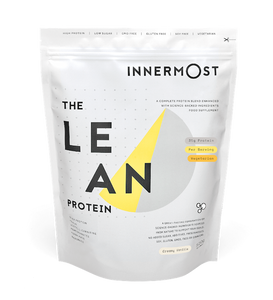
The Lean Protein
Whey protein powder for weight-loss.
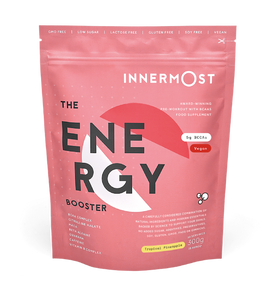
The Energy Booster
Pre/intra-workout powder with BCAAs.

What Are The Best Running Supplements?

23rd January 2023

23rd January 2023

By Adele Webb

Running is a passion of consistency – dedication and discipline are two of the key ingredients in improving your stamina, form and enjoyment of the activity, but sheer force of will can only take you so far. While every running style is different, if you find yourself hitting the ‘wall’ with progress stagnating and recovery feeling slow, perhaps it’s time to consider taking supplements to boost performance? 

Sprinting your way to victory every day can be both physically and mentally draining…not to mention challenging, especially in the midst of a heatwave or the deep of winter! Maybe you’re a casual runner and lace up for a mile or two, or maybe you are training for an up-and-coming half-marathon or marathon? Either way, stamina is required for both of these and taking care of your body is vital. 

Alongside a healthy diet, you can utilise supplements to your advantage to give you that extra spring in your step either as a pre-workout treat, or to replenish your system after a taxing run. Hopefully, it goes without saying but you shouldn’t use these as a food replacement – after all, you need to be making sure you consume enough calories. However, here at Innermost, we have some of the best supplements for running on the market - full of all the good vitamins to help you go that extra mile! Without further ado, let’s introduce you to them…

When to take running supplements

Before we get into which supplements to choose to help boost your performance, it’s important to consider something just as influential – when to take them

There are two main times to take running supplements, either before your workout to fuel up or after you’ve finished to help your body to recover and wind down. As such, you can separate many performance supplements into two groups – pre-workout and post-workout. Take them the wrong way round and you might find yourself struggling through your run and wide awake all evening. 

So, to prepare your supplement arsenal you might want to find one of each kind that work best for you – let’s dig into some options for each now. 

Pre-workout running supplements

Some of you may quickly grab the nearest snack bar you can find as you head out the door – but is that really helping you reach your top level of performance? Running can be high-intensity, especially if you are frequently taking on steep terrains. Well, fear not – quality pre-workout supplements will ensure you gain enough energy, power, and stamina to easily tackle the toughest environments. Generally speaking, these are best taken about half an hour to an hour before your run to really allow the ingredients to set in. Looking for a new pre-workout supplement? Discover our very own The Energy Booster powder. Not only is it vegan, cruelty-free, gluten-free, and lactose-free (not to mention award-winning), but it is also full of the essential active ingredients needed to increase endurance and stamina, and reduce the stress caused by an intense running session. The active ingredients include:

•    BCCA Complex: There are nine essential amino acids of the twenty, and three of these are called branched-chain amino acids or otherwise known as BCAAs. The most important ones, taking these will improve muscle growth.
•    Citrulline Malate: This is another amino acid but this time it is combined with an organic salt called malic acid. Once consumed, it can enhance performance by reducing tiredness and increasing the body’s nitric oxide. In return, oxygen is pumped more thoroughly through the body due to heightened blood flow.
•    Maca: Maca has a rich history, with its roots spanning back to Peru. Fast forward to today, and it is now being used to reduce physical and mental workout stress.
•   Guarana: This ingredient has a whole host of benefits – not only does it have a caffeine content to keep you prepped, but it also is known to improve memory, mood, performance, and reaction time. A real Amazonian gem!
•    Caffeine: Now we all know what caffeine can do to the body, but have you ever thought that it can also work as a pre-run supplement too? Best taken black without the extra dairy and caffeine – a cup of this will give you that extra buzz of energy to perform for longer and harder.
   Vitamin B Complex: The complex vitamin B – we won’t list out all the different b’s here. However, these eight essential vitamins are not only great for combating workout fatigue, but also improve both hair and skin health. A win-win situation.

For those who are eager to try this tasty supplement, we suggest adding about 10g to 300-400ml of cold water, shaking to your heart’s content in a shaker – or our Innermost shaker, and enjoy!

Post-run supplements

You don’t just have to consider your pre-workout fuel when running, as when your body finishes its gruelling exercise, it needs something to bring it back from its exhausted state. Yes, after an intense workout, it is always vital to gradually wind down with a soothing stretch, but you need to consider that many of the calories you consumed before have now been used up in the process. Fuel, fuel, fuel. Yes, your stomach may instantly rumble and all you can think about is a takeaway, chocolate, or crisps…but this will get you nowhere. Ignore your brain, and instead combat this thought with a nice plate of wholesome protein and veggies whilst rehydrating with our The Fit Protein powder. Again, this protein-packed supplement is suitable for many dietary needs, not only is it vegan but it is also GMO-free, gluten-free, palm oil-free, and soy free. 

Available in a variety of flavours, the following active ingredients work to replenish lost energy whilst repairing and supporting muscles:

•    Vegan Protein: Protein is important for recovery – it accelerates muscle growth and also helps to rebuild muscle fibres from the stressful nature of the run. So, for those runners who consume high amounts of the stuff, in the long run (pardon the pun) they are less likely to experience a sprinting-induced injury.
•    Cocomineral: We need a lot of water to keep our bodies functioning, and this powdered coconut water will ensure you get the right amount of rehydration. This tasty powder contains copious amounts of potassium which is great for toping up those essential electrolytes lost through sweating.
•    Magnesium: Another key mineral, magnesium keeps the heart healthy and beating steady, improves bones strength…and helps to reduce blood pressure. In general, it balances and normalises the body.
•    Rhodiola Root: This flowering plant has been known to relieve the effects of exertion whilst reducing the amount of stress and tiredness in the body. Mentally it is also great for the brain as in a study it was known to improve both learning and memory function. Body and mind are in check here.
•    Pink Himalayan Salt: It is like normal salt…but pink, and better! Interestingly enough, this small piece of rock actually contains an incredible 84 traces of minerals – who would have thought huh? Some of these include magnesium, calcium, and potassium.

To consume this, we suggest doing so within 45 minutes of finishing your run. Add 40g of this powder to 250-350ml of water or milk (if you prefer a milkshake) and shake. Aside from a post-run snack, this convenient protein supplement can also be a tasty addition to your porridge to liven up your morning routine, or even baked into your healthy protein bars.

Other running supplements for recovery

We’re not done there. At Innermost, we have some other supporting supplements to ensure you get the most out of your run and spring back faster afterwards:

•    The Power Booster – Use for high-intensity runs, and great for sprinters!
•    The Recovery Capsules – What it says on the tin, for those wanting a fast, effective recovery.
•    The Health Protein – This supports overall health and will ensure your body is prepped and raring to go!
•    The Focus Capsules – To combat the blues and get your mind in the right head space for exercise, fix this with these nifty capsules. 

Summary – Which supplement is best for running?

There’s no defeat in admitting that we all need a little help along the way – right? At Innermost, we stand behind those wanting to commit wholeheartedly to a running plan, and that’s why we support the use of supplements to ensure these sessions are combated head-on and with full force. 

But please remember, don’t take pre- and post-workout supplements in place of your daily meals. When consumed in the right way the results can be game-changing, so put your best foot forward, fuel your body with the right nutrients and vitamins, and start stomping concrete (or grass, or sand – you get the idea). 

Check out our range of Innermost supplements to find the right one for you. We are behind you every step of the way.

References

•    Ma GP, Zheng Q, Xu MB, Zhou XL, Lu L, Li ZX, Zheng GQ. Rhodiola rosea L. Improves Learning and Memory Function: Preclinical Evidence and Possible Mechanisms. Front Pharmacol. 2018 Dec 4;9:1415. doi: 10.3389/fphar.2018.01415. PMID: 30564123; PMCID: PMC6288277. Click here. 
•    Lee MC, Hsu YJ, Shen SY, Ho CS, Huang CC. A functional evaluation of anti-fatigue and exercise performance improvement following vitamin B complex supplementation in healthy humans, a randomized double-blind trial. Int J Med Sci. 2023 Aug 15;20(10):1272-1281. doi: 10.7150/ijms.86738. PMID: 37786445; PMCID: PMC10542023. Click here. 
•    Naderi A, de Oliveira EP, Ziegenfuss TN, Willems MT. Timing, Optimal Dose and Intake Duration of Dietary Supplements with Evidence-Based Use in Sports Nutrition. J Exerc Nutrition Biochem. 2016 Dec 31;20(4):1-12. doi: 10.20463/jenb.2016.0031. PMID: 28150472; PMCID: PMC5545206. Click here.
•    Priyankaa Joshi, Men’s Health, 7 Best Pre-Workout Supplements: What to Know & Which to Buy, 21 February 2025. Click here. 

Product Spotlight

Need Expert Advice?

Other Insights

Your GLP-1 Survival Kit
January always brings the same conversation back into focus. Weight loss. Discipline. Resetting habits. Doing things “properly” this time. What’s changed this year is how many people are now having that conversation alongside GLP-1 medications. If you haven’t come across them yet, GLP-1s are a class of medications originally developed for type 2 diabetes, now widely prescribed for weight loss. You’ll recognise some of the brand names from headlines, podcasts, and increasingly, from people around you. Depending on which data set you look at, estimates suggest that over one in ten adults are either using, or seriously considering, a GLP-1. That number is rising quickly. So rather than avoiding the topic, I want to address it properly. Our position on GLP-1s Let me be clear about where we stand. GLP-1 medications should not be the first thing people reach for if their goal is fat loss. A healthy diet, regular resistance training, movement, sleep, and consistency still do the heavy lifting for most people. But there are cases where GLP-1s can be helpful. People with significant weight to lose. People with metabolic challenges. People who have genuinely tried to do the right things and still struggled. In those situations, medication can be a tool. The problem is that too many people treat it as the solution. And that’s where things start to unravel. What GLP-1 actually does (in plain English) GLP-1 is a hormone your body already produces. Its job is to: Slow gastric emptying (food stays in your stomach longer) Increase feelings of fullness Reduce appetite and food noise Improve blood sugar control GLP-1 medications amplify this signal. You eat less. You feel full faster. Weight drops. But appetite suppression doesn’t discriminate. It doesn’t just reduce calories. It reduces everything. Protein intake falls. Strength training often drops off. Muscle mass can decline. Skin elasticity is challenged by rapid weight loss. This is why people are now talking about: Muscle loss “Ozempic face” Feeling weak or flat despite the scale moving None of this is inevitable. But it is predictable if you don’t build the right structure around the medication. The GLP-1 Survival Kit If someone is going to use a GLP-1, there are a few non-negotiables I’d want them thinking about from day one. And interestingly, these apply even if you’re not taking one. 1. Protein is no longer optional When appetite drops, protein intake is usually the first casualty. That’s a problem, because protein is what protects lean muscle mass, metabolic rate, and long-term body composition. Research consistently shows that people losing weight without adequate protein lose more muscle alongside fat. On GLP-1s, that risk increases. If you’re eating less overall, protein needs to be prioritised, not left to chance. This is exactly why our protein powders remain the hero products in our system. It’s infrastructure. Not a “fitness add-on”. Take a look at any of our protein powders. 2. Resistance training protects what the scale can’t see Rapid weight loss without resistance training almost guarantees muscle loss. You don’t need to train like an athlete. But you do need to load muscle regularly. Two to four sessions a week. Compound movements. Progression where possible. This isn’t about aesthetics. It’s about staying strong, capable, and metabolically healthy as the weight comes off. 3. Skin needs support during rapid change When weight drops quickly, skin doesn’t always keep up. Collagen intake won’t perform miracles, but it does support skin structure, elasticity, and connective tissue during periods of rapid change. Think of it as helping the body adapt, rather than trying to reverse damage after the fact. Take a look at The Glow Blend. 4. Digestion and tolerance determine whether this works long term GLP-1 medications slow digestion by design. For many people, that shows up as bloating, reflux, nausea, or food simply sitting uncomfortably after meals. When digestion feels off, people start avoiding protein, fibre, or meals altogether. Supporting digestion is about making sure smaller meals are actually broken down, absorbed, and tolerated properly. Digestive enzymes can help reduce discomfort, improve protein tolerance, and support nutrient absorption when digestion is slowed. Take a look at The Digest Capsules. Encouraging GLP-1 naturally For those not using medication, there are also ways to support your body’s own GLP-1 production. Protein-rich meals. Fibre from whole foods. Healthy fats. Resistance training. Eating slowly and mindfully. These don’t produce pharmaceutical-level effects, but they move appetite regulation in the right direction without overriding your system. Partnering with Simple Online Healthcare This brings me to something we’ve been quietly working on. We recently partnered with Simple Online Healthcare, one of the fastest-growing digital pharmacies in the UK.  They work with thousands of people using GLP-1 medications and saw a gap. People were losing weight, but not always in a way that supported long-term health, strength, or confidence.  The Lean Protein, The Digest Capsules, and The Glow Blend are now part of their ecosystem to support wrap-around care. Not as a replacement for lifestyle.Not as a shortcut.But as structure. I’m proud of this partnership because it reflects how we think about wellness. Not ideology. Not extremes. Just better decisions, stacked properly. Even if you’re not on GLP-1… Everything above still applies. January isn’t about doing something drastic. It’s about setting up systems that make the next 11 months easier. Protein as a foundation. Training that preserves strength. Support where it actually helps. Noise removed. That’s how progress compounds. Thank you, as always, for trusting us with a small part of your routine. It genuinely matters, and it’s not something I take lightly. Read more
Person working out
It’s that time of the year again - the New Year's fitness buzz. A time where motivation is high, new workout plans are made, gym bags make a return, and everything feels full of possibility! And yet, for many people, this momentum is short-lived. By mid-February, routines can start to slip. Sessions get skipped. Motivation fades. The resolution quietly dissolves, something often accompanied by frustration or guilt. If that sounds at all familiar, it’s firstly worth saying this upfront: it’s not a personal failure. In most cases, it’s a structural one. It might sound strange, but having a long term and consistent fitness routine isn’t solely about having the most ‘willpower’, or forcing yourself to run just because it’s ‘new year, new me’, it’s about building an individual routine that works for you and sets you up in the best position to hit your workout goals in the long term. To make things easier, we’ve put together this nifty guide diving into the science of new year’s fitness, why traditional workout resolutions so often fall apart, and what genuinely helps when it comes to building habits that last for the long term. Right, let’s get into it. Why New Year’s fitness resolutions don’t succeed  Before exploring how you can set your fitness goals for the long term, it’s important to understand why so many fall short.  The main reason comes down to something psychologists call the “fresh start effect”. This is a period that interrupts the calendar schedule (such as New Year's), creating a mental separation between the past and the future. Such a fresh start makes change - like the restarting of a fitness routine - mentally easier to overcome because the past feels neatly boxed away.  While this sounds good on paper, the problem is that motivation alone isn’t enough to sustain long-term behavioural change.  Many New Year’s fitness routines struggle to last because they often: Focus on outcomes instead of training plans and sustainable behaviours. Target instant change Focus on unrealistic fitness goals Shall we run from the top? Outcome-based targets One pitfall people often find themselves in is setting a New Year’s fitness goal that is driven by outcome without proper planning.  Some examples might be: Losing weight  Getting fit  Running a marathon All great targets to strive for, yet without a training plan or strategy to achieve them, they can quickly feel unattainable and therefore interest drops off. This makes creating and sticking to a new year’s exercise plan key to achieving your goals, asking: what do you want to achieve? What steps are you going to take to achieve them? And how will you measure your progress? Too much change and unattainable fitness goals With the fresh start effect, it can feel productive to try and overhaul all your health practices. A new training plan. A stricter diet. Earlier mornings. Fewer social plans. Better sleep. More productivity. Individually, these changes are all positive (we’ve spoken about the positive effects of many in the past ourselves). Making all these large life changes in a short space of time, however, can lead to something called ‘cognitive overload’. Each new habit requires attention, decision-making, and self-control, leading to decision fatigue buildup and increasing the likelihood that behaviours will be dropped rather than maintained. Sustainable change tends to work the opposite way. Small, manageable shifts layered gradually over time allow habits to stabilise before new ones are added. Instead of replacing your entire lifestyle in January, long-term routines are built by choosing one or two priorities, letting them settle, and then building from there. Unrealistic fitness goals Another common reason why new year workout plans don’t work is that the end goals being set aren’t realistic to achieve in the time frame given. Training every day. Completely overhauling diet. Expecting visible results within weeks are just a few sure-fire ways to see your fitness plans gone by the end of January. This is because when progress isn’t immediately visible, individual motivation drops. Any missed sessions start to feel like failure, and the routine becomes something to avoid rather than return to. This can lead to a plateau in motivation and a workout rut that sees you lose all motivation to continue your fitness plan. The best way to avoid this? Tailor your New Year’s workout plan to what is realistic for you to achieve. Remember, everyone is different and you should avoid trying to replicate someone’s workout plan who is at a much different point in their journey. What helps you stick to a fitness routine So now we’ve covered the pitfalls faced with New Year's resolutions, what are some of the ways that you can set yourself up for success going into 2026? Starting your workouts small It might sound a little backward, but maintaining a new year’s fitness routine is all about incremental improvements - starting small and building up to ambitious fitness goals. In essence, try to make your workouts feel manageable from the outset.  This removes much of the physical and mental friction caused by sharp changes and removes the possibility of overtraining syndrome - something that can lead to both physical and mental fatigue. Instead of asking your body and mind to adapt to a dramatic shift all at once, you allow both to adjust gradually - which is exactly how sustainable habits are formed. Personal, not performative goals A common reason New Year's fitness routines fall apart is that the goal itself was never truly personal.  Many resolutions are shaped - often unconsciously - by external pressures: how we think we should look, what others are doing, or what feels ‘socially impressive’. These goals can create a strong initial push, but they rarely provide enough depth to sustain effort in the long term. Personal goals, by contrast, are rooted in lived experience. They’re connected to how you want to feel day-to-day, not how you want to appear to others. Wanting more stable energy through the afternoon, fewer aches and pains, better sleep, or improved resilience during stressful periods may not sound as dramatic as a body transformation, but they’re far more motivating over time.  This is supported by behavioural research showing that exercise routines rooted in intrinsic motivation - feeling better, moving more easily, managing stress - are significantly more likely to be maintained long-term than goals shaped by appearance or external pressure. These outcomes are felt quickly and repeatedly, which reinforces the habit itself. Fitting fitness into your routine Again, seems counterintuitive, but a workout routine that only works under perfect conditions won’t survive beyond January.  You can’t change things like long workdays, family responsibilities, travel, and low-energy weeks, and you shouldn’t try to. Your regular workout routine should function around these things. The key here is that fitness is flexible. It allows for shorter sessions, longer sessions, varied training styles, and a broader definition of movement that can all be tailored to your day-to-day routine. Your also not limited by location, you could workout at home, at the gym, with groups, whatever fits into your routine.  The role of recovery in New Year’s fitness One of the most overlooked reasons people struggle to stick to New Year’s fitness routines is actually physical and mental fatigue. While this is to be expected to some extent - and you can control fatigue by following the above tips - you also need to consider the importance of effective recovery and how you are fuelling your body between workouts. Just some of the ways you can improve recovery are: Sleep quality: Quality sleep is when the body actually recovers, repairs tissue, and resets energy levels for the next day. Without it, even light training can start to feel disproportionately demanding. Effective hydration: Staying properly hydrated helps support circulation, muscle function, and focus, making both workouts and recovery feel smoother and more manageable. Complete nutrition: Providing the body with enough protein, carbohydrates, fats, and micronutrients gives it the building blocks it needs to repair, adapt, and maintain steady energy over time. It’s also worth considering tailored nutrition-focused supplementation such as Innermost’s The Recover Capsules and The Hydrate Blend. Reframing New Year fitness: from resolution to routine An effective mindset shift you can make this new year is moving away from the idea of a “resolution” and towards a routine. Resolutions are often outcome-focused - lose weight, build muscle, run faster. Routines are behaviour-focused - train three times a week, walk daily, prioritise recovery. This reframing is also key when thinking about how to stick to your New Year’s fitness resolution. Instead of asking, “Am I seeing results yet?”, the more useful question becomes, “Can I repeat this next week?” Remember, the most effective fitness routines aren’t created in January - they’re carried through February, March, and beyond. References Dai, H., Milkman K.L., Riis,J. (2013).The Fresh Start Effect: Temporal Landmarks Motivate Aspirational Behavior. Management Science. 60 (10), 2563-2582. Click here. Cezar, B., Macada, A. (2023). Cognitive Overload, Anxiety, Cognitive Fatigue, Avoidance Behavior and Data Literacy in Big Data environments. Information Processing & Management. 60 (6). Click here. Ntoumanis, N., Healy, L. et.al. (2014). Self-Regulatory Responses to Unattainable Goals: The Role of Goal Motives. 13 (5), 594-612. Click here. Cleveland Clinic. Overtraining Syndrome. Click here. Sebire,S., Standage, M., Vansteenkiste,M. (2011). Predicting objectively assessed physical activity from the content and regulation of exercise goals: evidence for a mediational model. 33 (2), 175-197. Click here.   Read more