








icon-account icon-glass

Popular Products

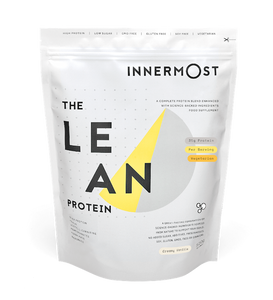
The Lean Protein
Whey protein powder for weight-loss.
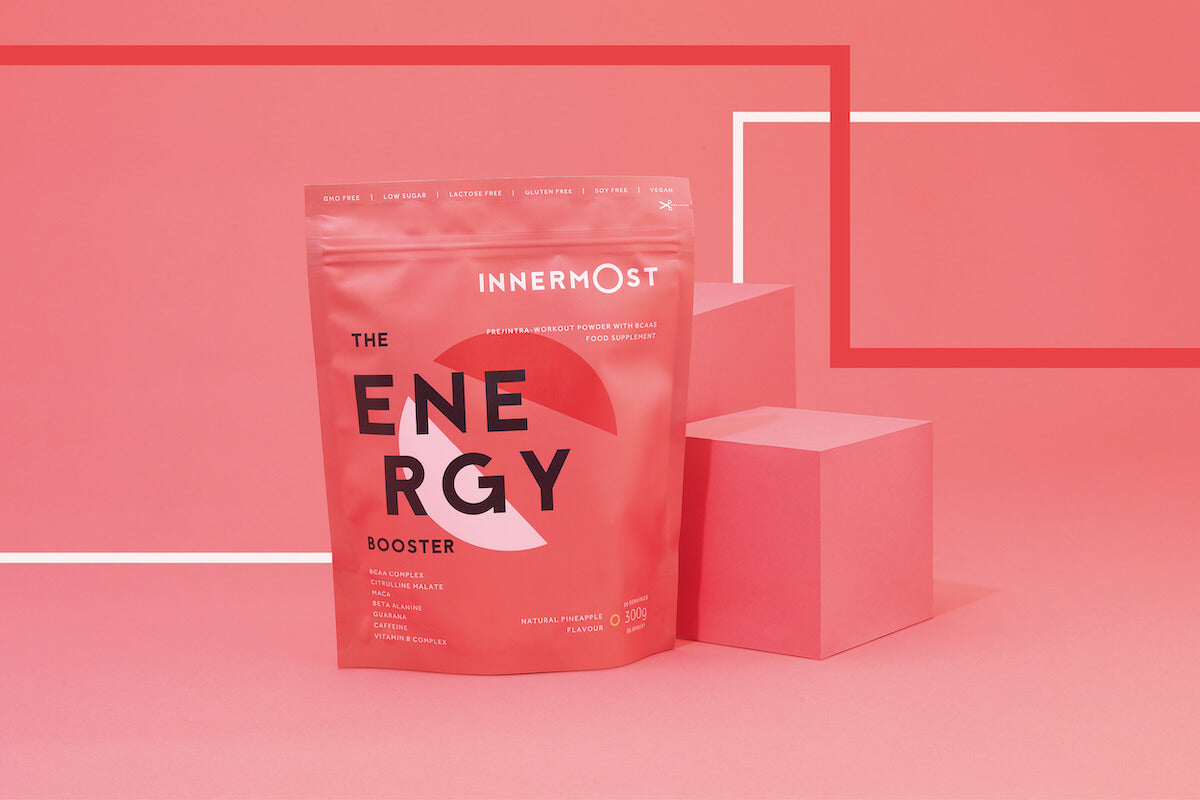
The Energy Booster
Pre/intra-workout powder with BCAAs.

What Do BCAAs Do? What Are The Benefits?

13th December 2021

13th December 2021

By Beth Shelper

Looking for that all-important pre-workout energy? BCAAs are probably about to become your best friends,

BCAAs are an extremely popular supplement – any readers that are frequent gym-goers may well be familiar with these already. If you’re not, not to worry – we’re about to give you the 4-1-1, so you’ll be ready to implement these amino acids into your diet and begin reaping the benefits in no time.

BCAAs, or Branched Chain Amino Acids, are a group of three essential amino acids that are responsible for a number of bodily functions and are a great assistant to maximising your ultimate workout potential. Whilst these three amino acids are essential, they are not naturally occurring, which means our body does not produce these for us. As a result, it’s important that we gain these through external sources.

What are BCAAs, and what do BCAAs do?

The three amino acids that make up the group of BCAAs are:

  • Leucine

Leucine is responsible for multiple processes in the body including protein creation, energy production and assisting in the smooth running of your metabolism.

  • Isoleucine

Isoleucine has a great influence in our psychological functioning and is vital in assisting the immune system and regulating hormones in the body.

  • Valine

A key-player in energy production, Valine stimulates muscle growth and maintenance.

What are the benefits of BCAAs?

  • Maintaining Muscle

Unfortunately, when many embark on their endeavour to lose weight, they are faced with a bit of a catch-twenty-two, as they end up losing a lot of their muscle mass, too.

Branched Chain Amino Acid supplementation is a great way to combat this, as these amino acids provide users with the ability to maintain their muscle match - even when you’re in a calorie deficit! This is because in addition to aiding protein synthesis (aka, the process of protein creation), one of the main benefits of BCAAs is that they also reduce the rate of protein break downs, and therefore, reduce the rate of muscle loss.

Amazing!

  • Promotion of Muscle Mass

Another fantastic benefit of BCAAs is that BCAA supplementation – specifically Leucine, is a great stimulus for protein synthesis, which in turn leads to the promotion of muscle mass. Research has even shown a direct correlation between BCAA supplementation and an increase in muscle mass, particularly in patients with liver deficiencies – suggesting that not only is this supplement a great way to improve your workout and performance, but one that has positive, life-altering effects.

  • Prevents Liver Disease

Similar to the above, it has also been discovered that BCAA ingestion can play a major part in the prevention of liver disease.

  • Enhanced Recovery

This includes the prevention of muscle wasting and a decrease in muscle soreness, making BCAA supplements particularly popular. With a reduction in recovery time and reduced symptoms of exertion, you’re able to get back in the gym or on the track faster, and limit your risk of injury.

  • Assists Your Immune System

Research has shown that amino acids have a great influence on our immune system as a result of their pivotal role in our body’s cell functioning.

Which foods are rich in BCAAs?

Great news – lots of foods that will fit in easily with a range of diets, whether you’re a meat eater, a vegan or have a certain intolerance. We’ve rounded up a few food products below, but generally, foods high in BCAAs are protein rich.

  • Meats

Meats such as beef, chicken and turkey all contain BCAAs, so good news for all the meat-lovers out there.

  • Protein Supplements

 Whey Protein and Soy Proteins regularly contain BCAAs – and this is likely where you will have heard of these essential amino acids before.

  • Fish

Tuna and Salmon are great examples, and with them bring a host of other benefits such as their high Omega-3 content, and vitamins such as D and B2.

  • Dairy

As well as being a great source of calcium, dairy ingredients such as eggs, greek yoghurt and parmesan cheese contain levels of BCAAs.

Summary

So, are BCAAs worth it? We think the answer is pretty clear.

It’s not hard to see why BCAAs are some of the most popular supplements in the game when you consider their wealth of benefits. Typically, products rich in BCAA contain a 2:1:1 ratio of the three BCAAs: Leucine: Isoleucine: Valine.

If you’re not sure where to look when it comes to BCAA supplements, The Energy Booster contains these amino acids and comes in a delicious, fresh pineapple flavour. This is ideal to take as a pre-workout solution for those of you that exercise regularly, or even as a daily energy-booster if you’re just looking to put an extra spring in your step.

References

Uojima, H., Sakurai, S., Hidaka, H., Kinbara, T., Sung, J. H., Ichita, C., ... & Kobayashi, S. (2017). Effect of branched-chain amino acid supplements on muscle strength and muscle mass in patients with liver cirrhosis. European journal of gastroenterology & hepatology, 29(12), 1402-1407. Click here.

Protein Synthesis - An Overview | ScienceDirect Topics. (2021). Retrieved 20 April 2021. Click here.

Holecek, M. (2010). Three targets of branched-chain amino acid supplementation in the treatment of liver disease. Nutrition, 26(5), 482-490. Click here.

Wilson, R. P. (2003). Amino acids and proteins. In Fish nutrition (pp. 143-179). Academic press. Click here.

Product Spotlight

Need Expert Advice?

Other Insights

Your GLP-1 Survival Kit
January always brings the same conversation back into focus. Weight loss. Discipline. Resetting habits. Doing things “properly” this time. What’s changed this year is how many people are now having that conversation alongside GLP-1 medications. If you haven’t come across them yet, GLP-1s are a class of medications originally developed for type 2 diabetes, now widely prescribed for weight loss. You’ll recognise some of the brand names from headlines, podcasts, and increasingly, from people around you. Depending on which data set you look at, estimates suggest that over one in ten adults are either using, or seriously considering, a GLP-1. That number is rising quickly. So rather than avoiding the topic, I want to address it properly. Our position on GLP-1s Let me be clear about where we stand. GLP-1 medications should not be the first thing people reach for if their goal is fat loss. A healthy diet, regular resistance training, movement, sleep, and consistency still do the heavy lifting for most people. But there are cases where GLP-1s can be helpful. People with significant weight to lose. People with metabolic challenges. People who have genuinely tried to do the right things and still struggled. In those situations, medication can be a tool. The problem is that too many people treat it as the solution. And that’s where things start to unravel. What GLP-1 actually does (in plain English) GLP-1 is a hormone your body already produces. Its job is to: Slow gastric emptying (food stays in your stomach longer) Increase feelings of fullness Reduce appetite and food noise Improve blood sugar control GLP-1 medications amplify this signal. You eat less. You feel full faster. Weight drops. But appetite suppression doesn’t discriminate. It doesn’t just reduce calories. It reduces everything. Protein intake falls. Strength training often drops off. Muscle mass can decline. Skin elasticity is challenged by rapid weight loss. This is why people are now talking about: Muscle loss “Ozempic face” Feeling weak or flat despite the scale moving None of this is inevitable. But it is predictable if you don’t build the right structure around the medication. The GLP-1 Survival Kit If someone is going to use a GLP-1, there are a few non-negotiables I’d want them thinking about from day one. And interestingly, these apply even if you’re not taking one. 1. Protein is no longer optional When appetite drops, protein intake is usually the first casualty. That’s a problem, because protein is what protects lean muscle mass, metabolic rate, and long-term body composition. Research consistently shows that people losing weight without adequate protein lose more muscle alongside fat. On GLP-1s, that risk increases. If you’re eating less overall, protein needs to be prioritised, not left to chance. This is exactly why our protein powders remain the hero products in our system. It’s infrastructure. Not a “fitness add-on”. Take a look at any of our protein powders. 2. Resistance training protects what the scale can’t see Rapid weight loss without resistance training almost guarantees muscle loss. You don’t need to train like an athlete. But you do need to load muscle regularly. Two to four sessions a week. Compound movements. Progression where possible. This isn’t about aesthetics. It’s about staying strong, capable, and metabolically healthy as the weight comes off. 3. Skin needs support during rapid change When weight drops quickly, skin doesn’t always keep up. Collagen intake won’t perform miracles, but it does support skin structure, elasticity, and connective tissue during periods of rapid change. Think of it as helping the body adapt, rather than trying to reverse damage after the fact. Take a look at The Glow Blend. 4. Digestion and tolerance determine whether this works long term GLP-1 medications slow digestion by design. For many people, that shows up as bloating, reflux, nausea, or food simply sitting uncomfortably after meals. When digestion feels off, people start avoiding protein, fibre, or meals altogether. Supporting digestion is about making sure smaller meals are actually broken down, absorbed, and tolerated properly. Digestive enzymes can help reduce discomfort, improve protein tolerance, and support nutrient absorption when digestion is slowed. Take a look at The Digest Capsules. Encouraging GLP-1 naturally For those not using medication, there are also ways to support your body’s own GLP-1 production. Protein-rich meals. Fibre from whole foods. Healthy fats. Resistance training. Eating slowly and mindfully. These don’t produce pharmaceutical-level effects, but they move appetite regulation in the right direction without overriding your system. Partnering with Simple Online Healthcare This brings me to something we’ve been quietly working on. We recently partnered with Simple Online Healthcare, one of the fastest-growing digital pharmacies in the UK.  They work with thousands of people using GLP-1 medications and saw a gap. People were losing weight, but not always in a way that supported long-term health, strength, or confidence.  The Lean Protein, The Digest Capsules, and The Glow Blend are now part of their ecosystem to support wrap-around care. Not as a replacement for lifestyle.Not as a shortcut.But as structure. I’m proud of this partnership because it reflects how we think about wellness. Not ideology. Not extremes. Just better decisions, stacked properly. Even if you’re not on GLP-1… Everything above still applies. January isn’t about doing something drastic. It’s about setting up systems that make the next 11 months easier. Protein as a foundation. Training that preserves strength. Support where it actually helps. Noise removed. That’s how progress compounds. Thank you, as always, for trusting us with a small part of your routine. It genuinely matters, and it’s not something I take lightly. Read more
Why Choose Bovine Collagen Supplements