










Training hard and challenging yourself during your workouts is key to progressing and building muscle, but did you know the true growth happens outside of the gym? To build new muscle effectively, it’s vital to optimise your recovery process, restoring energy and providing your body with the nutrients it needs to grow. Today, we’ll look into what happens to your body post workout and what you can do to maximise your results, leading to faster recovery and better gains.
What Happens Post Workout?
Strenuous training, whether that be resistance raining with weights, calisthenics, HIIT or even cardio, causes microscopic tears in your muscle tissue, which can lead to soreness and fatigue. This often happens a day or two after the workout and is known as DOMS (Delayed Onset Muscle Soreness). DOMS is completely normal and nothing to worry about, but it’s a good sign that your body is in need of support! With proper nutrition and recovery protocols, DOMS should go away in 2-5 days. If it persists for longer then this may be a sign of an injury and you may need medical attention. So, we know that we may experience some soreness after a workout, but what is happening as a response to that? Well, the body undergoes a number of physiological processes, each of which is important to understand and consider if we are to best optimise our recovery.
Protein Synthesis
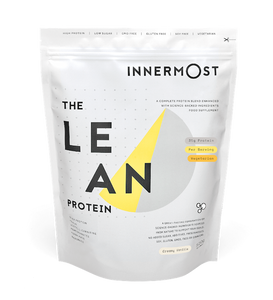
Protein synthesis is the most crucial part of muscle repair. Following a workout, your body activates pathways that increase the production of new proteins, essential for rebuilding damaged muscle fibres. To do this effectively, however, you must consume an adequate amount of protein. As amino acids are the building blocks of protein, it’s important to ensure that the protein sources you consume are complete, meaning they contain all the amino acids. Supplementing with a protein powder, such as our own Strong Protein, can assist with this.
Many fitness enthusiasts once hypothesized that there was an ‘anabolic window’, or a set period of time within which you needed to consume protein post workout in order to grow effectively. This has since been proven to be a myth, but the idea is rooted in common sense. Since training causes muscle damage, it’s logical to kick start the recovery process as soon as possible by consuming the nutrients needed for it. So, whilst you won’t lose all your gains if you don’t eat right after a workout, it certainly does make sense!
Inflammation and Immune Response
While inflammation often has negative connotations, it plays a vital role in muscle repair. Exercise-induced muscle damage triggers an inflammatory response, recruiting immune cells to the damaged site. This process clears debris and initiates tissue repair. However, excessive inflammation can impede recovery, emphasizing the importance of managing inflammation post-exercise. Techniques such as foam rolling, coupled with adequate nutrition and sleep, are great for reducing inflammation to manageable levels.
Glycogen Replenishment
Glycogen is glucose that is stored in muscle tissue. It is used as a primary energy source by your muscles, especially during intense activity such as weight training. Glycogen is also what’s responsible for the ‘full’ look of muscles; when your glycogen stores are depleted it can make your physique look flat and your muscles feel smaller. This is nothing to worry about though! It’s just a sign that you need to replenish your glycogen levels, which can be achieved by consuming carbohydrates with a high glycaemic index. Foods such as white rice and potatoes are ideal for this, though supplementing with a carbohydrate powder such as cyclic dextrin or Vitargo may also be of benefit if you’ve had a particularly intense session.
The Most Important Things to Optimise for Maximum Muscle Growth
Nutrition
A balanced post-workout meal containing protein and carbohydrates is essential for muscle recovery. Aim for a protein source rich in essential amino acids, such as chicken, fish, eggs, or plant-based options like tofu or legumes. Pair it with carbohydrates to replenish glycogen stores and facilitate protein synthesis. Additionally, incorporating anti-inflammatory foods like berries, leafy greens, and fatty fish can help manage post-exercise inflammation.
Hydration
Dehydration can impair muscle recovery and performance. Adequate hydration is essential for nutrient transport, waste removal, and maintaining cellular function. Replenish lost fluids by consuming water or electrolyte-rich beverages post-workout. Electrolytes like sodium, potassium, and magnesium play vital roles in muscle function and overall hydration.
Rest and Sleep
Rest is as crucial as exercise for muscle recovery. During sleep, the body releases growth hormone, facilitating tissue repair and regeneration. Aim for 7-9 hours of quality sleep per night to optimise muscle recovery. Additionally, incorporating rest days into your workout routine allows you muscles time to repair and adapt to training stimuli.
Active Recovery
Engaging in low-intensity activities like walking, yoga, or swimming on rest days promotes blood flow to muscles, aiding in nutrient delivery and waste removal. Active recovery accelerates the clearance of metabolic byproducts, reducing post-exercise soreness and enhancing recovery.
Foam Rolling and Stretching
Foam rolling and stretching can alleviate muscle tightness and improve flexibility, enhancing overall recovery. These techniques increase blood flow to muscles, reducing inflammation and promoting relaxation. Incorporate foam rolling and stretching into your post-workout routine to promote accelerated recovery and reduce the chance of injury.
Supplements
While whole foods should be your primary source of nutrients, supplements definitely have their place in your post-workout recovery regimen. A high-quality protein powder should be your first purchase, along with a good multivitamin. From here, you can consider what will best help you achieve your goals. For optimal recovery, we highly recommend our own Recover Capsules, which are specially formulated to aid your recovery process, reduce inflammation and regulate your hormones.
Getting the best results from your training is a complicated puzzle with many pieces. Even with the perfect workout plan, your results will be compromised without adequate nutrition and adhering to proper recovery protocols. We hope that this guide to post exercise recovery helps you in your own training, but if you do have any questions, why not book a consultation today with one of our dedicated nutritionists? They’ll be able to best advise on your current routine and help you get the most out of your workouts with proper supplementation and nutrition. Above all, enjoy your workouts and embrace a fitter, healthier lifestyle today!