








icon-account icon-glass

Popular Products

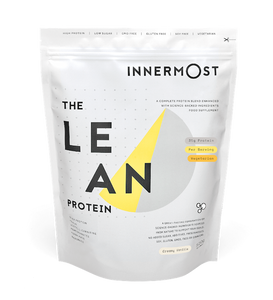
The Lean Protein
Whey protein powder for weight-loss.
The Energy Booster
Pre/intra-workout powder with BCAAs.

Hula Hooping – The Hot New Exercise Technique

15th April 2021

15th April 2021

By Shivraj Bassi

We’re sure you can remember those days on the playground with your best friends, challenging each other to a hula-hooping competition to see who can ‘hula’ for the longest, who can hula using their arm, leg or neck – you name it, you’ve definitely done it.

This childhood favourite is fast becoming one of 2021 hottest new exercise techniques. With gyms shut and personal training classes cancelled, it’s time to get creative with your at-home workouts, and this is where the humble hula-hoop comes in to play.

The beauty of the hula-hoop stretches beyond it’s fun-filled benefits. Inexpensive, easy to store and pretty easy once you get the hang of it, even the basic waist-hula exercise we all know and love can have hugely positive effects on your health. Many are engaging in hula hooping for weight loss, amongst many other benefits.

Hula-hooping? Really?

Yes – really! The skill of hula-hooping requires a huge amount of co-ordination, rhythm and balance, which engages multiple muscles in your body. This concentration and fast-paced exercise means that you’re in for some intense calorie burning and ultimately, great fat-loss and toning results.

It’s also affordable and pretty simple – so what’s not to love?

What are the physical benefits of hula hooping?

Adding a hula-hoop to your circuit introduces a wealth of benefits and adds an element of challenge to your routine.

Balance Improvement and Core Muscle Engagement

As we’ve just mentioned, hula hooping engages a lot of important muscles. This includes your core – which will greatly enhance your balancing skills, not to mention your posture. Once you’ve nailed your balance and engaged your core – you’ll be surprised to find out how long you can hula for, and just how many benefits this quick, effective workout can have.

Boost Cardiovascular Fitness

Great news for all the cardio-haters out there: this fun exercise technique could replace your weekly-scheduled run. Hula hooping is a great way to engage in cardiovascular fitness in the comfort of your own home, with no expensive equipment holding you back.

Increased Body Fat Burn and Intense Calorie Burning

With cardio comes fat burn. As with all cardiovascular exercises, engagement in this type of movement helps speed up our metabolism and burn calories for a great, fat-burning work out.

As calorie burning is a major goal for so many fitness-fanatics out there, this exercise is a great way to introduce extra cardio, and therefore extra fat burning into your workout, whilst having some fun along the way.

 As with all exercise – make sure you warm up. This step is pretty important, ensuring you are properly warmed up and as flexible as you can be before you start. This will mean that you burn the optimum number of calories and don’t run the risk of pulling anything – they may look harmless, but hula-hooping exercises engage a lot of your core muscles, so giving yourself an extended range of motion and flexibility is key in mastering this exercise. Don’t say we didn’t warn you.

What exercises can I do with a hula-hoop?

There are a range of exercises you can do with the humble hula-hoop, or with company – however you want to exercise, hula-hooping can be adapted for your home workout. Here are our three favourites, including a timeless classic, and two more funky techniques…

Whether you’re a beginner or consider yourself a fully-fledged pro, the below list can be adapted however you see fit. Many people consider this a full-body work out, and after a few minutes of this, you’re definitely going to see why…

Grab yourself a timer, put on some classic tunes, and start hooping. Continue this movement and as you gain confidence – up the speed!

Let’s start easy:

Waist Hoops

This will be the style you remember from the good old days and is a great place to start.

Place the hula hoop flat on the floor in front of you and step into the centre. Bend down and bring the hoop around your waist, and with your feet placed firmly on the ground at a shoulder-width apart, move from left to right.

Holding the hoop with both hands, twist to the left, with the edge of the hoop hitting your waist around your stomach, and this is the motion that will create the circular hoop movement! Make sure to push the hoop as it passes over each side of your hip to maintain the hoop motion.

Continue this motion for 10-15 minutes depending on your desired workout and confidence level, to burn calories, engage your core and have fun.

The longer you hoop for and the faster you go, the better the results!

Sit Ups

A staple in workout routines everywhere, you can implement your hula hoop into your sit ups, too. This is a great way to add some fun to this notoriously challenging ab workout, and might even add a bit of assistance, enabling you to complete more reps.

Sit the hoop flat on the floor and sit yourself just outside, with your feet together and lower back outside of the hoop. Lie backwards and place your hands above your head to grab the top edge of the hoop – bringing this up with you when you crunch.

Halo Spins

If you’re looking for something a little bit more engaging – halo spins don’t just work your core and lower body muscles, but your upper body too – making this the ultimate full-body workout. This is an absolutely great way to burn your abs.

Stand together with the hoop in both hands, resting in front of you. Pick up the hoop, and with your arms at a shoulders-width apart, stretch the hoop around your head in circular motions whilst keeping your feet firmly on the ground. This extra weight will include your arms in this workout and yield great toning results, all over your body.

If you’re still not convinced, how about trying a weighted hoop? Adding an element of weight to this exercise can really increase the burn and add extra-strength building to improve your results. Ensure that before you test out a weighted hoop, that your hooping skills are up to scratch.

If home workouts are your thing but you just can’t get to grips with hula hooping, check out this post about adding resistance bands into your workout for increased results.

For the best results, we recommend upping your hula-time in increments every day. Start with fifteen minutes and see how you feel, and up your time by five minutes every session.

What are the mental benefits of hula hooping?

Whilst we’ve discussed how hula hooping is great for your physical health, we haven’t really talked about why this technique is good for your mental health, too.

One of the great things about exercising is that it is a pretty much instant way to boost your mood. And whilst this is the same with hula hooping, there are some other pretty great mental benefits of this possible party trick too:

  • Major confidence boosts
  • Increased serotonin surges
  • Make new friends – online or in the gym, hula hooping is a great conversation starter and even more enjoyable with others.
  • Enhanced expression – dance like nobody’s watching!

The Best Hula Hoops

So, the chances are that you probably don’t have a hula hoop hanging around anymore. We’ve done our research, and rounded up some of our favourites for you…

For beginners, Canyon Hoops offers a great range of fitness hoops in an array of colours, styles and sizes. We particularly recommend their collection of Mirror Tape Hoops which come in small (38 inches) or regular (42 inches) so that you can accurately tailor your hoop to you.

If you’re struggling for space and storage, Echo Travel have created the solution. Collapsible hula hoops, which you can purchase from Firetoys. These come in one standard size, and mean that you can hula hoop wherever you are with ease. These aren’t weighted, which means they are great for those of all abilities – even kids, if they want to get involved!

Lastly, this collection wouldn’t be complete without a weighted hula option. Smart Hula’s Weighted Hula Hoop comes in three colours: pink, green and blue, and weighs in at 1.1kg to help you with your movement and increase the effectiveness of your core workout.

If you’re looking for some more inspiration for some affordable and effective workouts, why not check out our post about the benefits of skipping?

Don’t forget, every great workout starts with your fuel. Your workout requires energy, so give your body what it needs! Why not try out The Fit Protein? Increase your energy levels and smash your workout goals.  

Product Spotlight

Need Expert Advice?

Other Insights

Your GLP-1 Survival Kit
January always brings the same conversation back into focus. Weight loss. Discipline. Resetting habits. Doing things “properly” this time. What’s changed this year is how many people are now having that conversation alongside GLP-1 medications. If you haven’t come across them yet, GLP-1s are a class of medications originally developed for type 2 diabetes, now widely prescribed for weight loss. You’ll recognise some of the brand names from headlines, podcasts, and increasingly, from people around you. Depending on which data set you look at, estimates suggest that over one in ten adults are either using, or seriously considering, a GLP-1. That number is rising quickly. So rather than avoiding the topic, I want to address it properly. Our position on GLP-1s Let me be clear about where we stand. GLP-1 medications should not be the first thing people reach for if their goal is fat loss. A healthy diet, regular resistance training, movement, sleep, and consistency still do the heavy lifting for most people. But there are cases where GLP-1s can be helpful. People with significant weight to lose. People with metabolic challenges. People who have genuinely tried to do the right things and still struggled. In those situations, medication can be a tool. The problem is that too many people treat it as the solution. And that’s where things start to unravel. What GLP-1 actually does (in plain English) GLP-1 is a hormone your body already produces. Its job is to: Slow gastric emptying (food stays in your stomach longer) Increase feelings of fullness Reduce appetite and food noise Improve blood sugar control GLP-1 medications amplify this signal. You eat less. You feel full faster. Weight drops. But appetite suppression doesn’t discriminate. It doesn’t just reduce calories. It reduces everything. Protein intake falls. Strength training often drops off. Muscle mass can decline. Skin elasticity is challenged by rapid weight loss. This is why people are now talking about: Muscle loss “Ozempic face” Feeling weak or flat despite the scale moving None of this is inevitable. But it is predictable if you don’t build the right structure around the medication. The GLP-1 Survival Kit If someone is going to use a GLP-1, there are a few non-negotiables I’d want them thinking about from day one. And interestingly, these apply even if you’re not taking one. 1. Protein is no longer optional When appetite drops, protein intake is usually the first casualty. That’s a problem, because protein is what protects lean muscle mass, metabolic rate, and long-term body composition. Research consistently shows that people losing weight without adequate protein lose more muscle alongside fat. On GLP-1s, that risk increases. If you’re eating less overall, protein needs to be prioritised, not left to chance. This is exactly why our protein powders remain the hero products in our system. It’s infrastructure. Not a “fitness add-on”. Take a look at any of our protein powders. 2. Resistance training protects what the scale can’t see Rapid weight loss without resistance training almost guarantees muscle loss. You don’t need to train like an athlete. But you do need to load muscle regularly. Two to four sessions a week. Compound movements. Progression where possible. This isn’t about aesthetics. It’s about staying strong, capable, and metabolically healthy as the weight comes off. 3. Skin needs support during rapid change When weight drops quickly, skin doesn’t always keep up. Collagen intake won’t perform miracles, but it does support skin structure, elasticity, and connective tissue during periods of rapid change. Think of it as helping the body adapt, rather than trying to reverse damage after the fact. Take a look at The Glow Blend. 4. Digestion and tolerance determine whether this works long term GLP-1 medications slow digestion by design. For many people, that shows up as bloating, reflux, nausea, or food simply sitting uncomfortably after meals. When digestion feels off, people start avoiding protein, fibre, or meals altogether. Supporting digestion is about making sure smaller meals are actually broken down, absorbed, and tolerated properly. Digestive enzymes can help reduce discomfort, improve protein tolerance, and support nutrient absorption when digestion is slowed. Take a look at The Digest Capsules. Encouraging GLP-1 naturally For those not using medication, there are also ways to support your body’s own GLP-1 production. Protein-rich meals. Fibre from whole foods. Healthy fats. Resistance training. Eating slowly and mindfully. These don’t produce pharmaceutical-level effects, but they move appetite regulation in the right direction without overriding your system. Partnering with Simple Online Healthcare This brings me to something we’ve been quietly working on. We recently partnered with Simple Online Healthcare, one of the fastest-growing digital pharmacies in the UK.  They work with thousands of people using GLP-1 medications and saw a gap. People were losing weight, but not always in a way that supported long-term health, strength, or confidence.  The Lean Protein, The Digest Capsules, and The Glow Blend are now part of their ecosystem to support wrap-around care. Not as a replacement for lifestyle.Not as a shortcut.But as structure. I’m proud of this partnership because it reflects how we think about wellness. Not ideology. Not extremes. Just better decisions, stacked properly. Even if you’re not on GLP-1… Everything above still applies. January isn’t about doing something drastic. It’s about setting up systems that make the next 11 months easier. Protein as a foundation. Training that preserves strength. Support where it actually helps. Noise removed. That’s how progress compounds. Thank you, as always, for trusting us with a small part of your routine. It genuinely matters, and it’s not something I take lightly. Read more
Person working out
It’s that time of the year again - the New Year's fitness buzz. A time where motivation is high, new workout plans are made, gym bags make a return, and everything feels full of possibility! And yet, for many people, this momentum is short-lived. By mid-February, routines can start to slip. Sessions get skipped. Motivation fades. The resolution quietly dissolves, something often accompanied by frustration or guilt. If that sounds at all familiar, it’s firstly worth saying this upfront: it’s not a personal failure. In most cases, it’s a structural one. It might sound strange, but having a long term and consistent fitness routine isn’t solely about having the most ‘willpower’, or forcing yourself to run just because it’s ‘new year, new me’, it’s about building an individual routine that works for you and sets you up in the best position to hit your workout goals in the long term. To make things easier, we’ve put together this nifty guide diving into the science of new year’s fitness, why traditional workout resolutions so often fall apart, and what genuinely helps when it comes to building habits that last for the long term. Right, let’s get into it. Why New Year’s fitness resolutions don’t succeed  Before exploring how you can set your fitness goals for the long term, it’s important to understand why so many fall short.  The main reason comes down to something psychologists call the “fresh start effect”. This is a period that interrupts the calendar schedule (such as New Year's), creating a mental separation between the past and the future. Such a fresh start makes change - like the restarting of a fitness routine - mentally easier to overcome because the past feels neatly boxed away.  While this sounds good on paper, the problem is that motivation alone isn’t enough to sustain long-term behavioural change.  Many New Year’s fitness routines struggle to last because they often: Focus on outcomes instead of training plans and sustainable behaviours. Target instant change Focus on unrealistic fitness goals Shall we run from the top? Outcome-based targets One pitfall people often find themselves in is setting a New Year’s fitness goal that is driven by outcome without proper planning.  Some examples might be: Losing weight  Getting fit  Running a marathon All great targets to strive for, yet without a training plan or strategy to achieve them, they can quickly feel unattainable and therefore interest drops off. This makes creating and sticking to a new year’s exercise plan key to achieving your goals, asking: what do you want to achieve? What steps are you going to take to achieve them? And how will you measure your progress? Too much change and unattainable fitness goals With the fresh start effect, it can feel productive to try and overhaul all your health practices. A new training plan. A stricter diet. Earlier mornings. Fewer social plans. Better sleep. More productivity. Individually, these changes are all positive (we’ve spoken about the positive effects of many in the past ourselves). Making all these large life changes in a short space of time, however, can lead to something called ‘cognitive overload’. Each new habit requires attention, decision-making, and self-control, leading to decision fatigue buildup and increasing the likelihood that behaviours will be dropped rather than maintained. Sustainable change tends to work the opposite way. Small, manageable shifts layered gradually over time allow habits to stabilise before new ones are added. Instead of replacing your entire lifestyle in January, long-term routines are built by choosing one or two priorities, letting them settle, and then building from there. Unrealistic fitness goals Another common reason why new year workout plans don’t work is that the end goals being set aren’t realistic to achieve in the time frame given. Training every day. Completely overhauling diet. Expecting visible results within weeks are just a few sure-fire ways to see your fitness plans gone by the end of January. This is because when progress isn’t immediately visible, individual motivation drops. Any missed sessions start to feel like failure, and the routine becomes something to avoid rather than return to. This can lead to a plateau in motivation and a workout rut that sees you lose all motivation to continue your fitness plan. The best way to avoid this? Tailor your New Year’s workout plan to what is realistic for you to achieve. Remember, everyone is different and you should avoid trying to replicate someone’s workout plan who is at a much different point in their journey. What helps you stick to a fitness routine So now we’ve covered the pitfalls faced with New Year's resolutions, what are some of the ways that you can set yourself up for success going into 2026? Starting your workouts small It might sound a little backward, but maintaining a new year’s fitness routine is all about incremental improvements - starting small and building up to ambitious fitness goals. In essence, try to make your workouts feel manageable from the outset.  This removes much of the physical and mental friction caused by sharp changes and removes the possibility of overtraining syndrome - something that can lead to both physical and mental fatigue. Instead of asking your body and mind to adapt to a dramatic shift all at once, you allow both to adjust gradually - which is exactly how sustainable habits are formed. Personal, not performative goals A common reason New Year's fitness routines fall apart is that the goal itself was never truly personal.  Many resolutions are shaped - often unconsciously - by external pressures: how we think we should look, what others are doing, or what feels ‘socially impressive’. These goals can create a strong initial push, but they rarely provide enough depth to sustain effort in the long term. Personal goals, by contrast, are rooted in lived experience. They’re connected to how you want to feel day-to-day, not how you want to appear to others. Wanting more stable energy through the afternoon, fewer aches and pains, better sleep, or improved resilience during stressful periods may not sound as dramatic as a body transformation, but they’re far more motivating over time.  This is supported by behavioural research showing that exercise routines rooted in intrinsic motivation - feeling better, moving more easily, managing stress - are significantly more likely to be maintained long-term than goals shaped by appearance or external pressure. These outcomes are felt quickly and repeatedly, which reinforces the habit itself. Fitting fitness into your routine Again, seems counterintuitive, but a workout routine that only works under perfect conditions won’t survive beyond January.  You can’t change things like long workdays, family responsibilities, travel, and low-energy weeks, and you shouldn’t try to. Your regular workout routine should function around these things. The key here is that fitness is flexible. It allows for shorter sessions, longer sessions, varied training styles, and a broader definition of movement that can all be tailored to your day-to-day routine. Your also not limited by location, you could workout at home, at the gym, with groups, whatever fits into your routine.  The role of recovery in New Year’s fitness One of the most overlooked reasons people struggle to stick to New Year’s fitness routines is actually physical and mental fatigue. While this is to be expected to some extent - and you can control fatigue by following the above tips - you also need to consider the importance of effective recovery and how you are fuelling your body between workouts. Just some of the ways you can improve recovery are: Sleep quality: Quality sleep is when the body actually recovers, repairs tissue, and resets energy levels for the next day. Without it, even light training can start to feel disproportionately demanding. Effective hydration: Staying properly hydrated helps support circulation, muscle function, and focus, making both workouts and recovery feel smoother and more manageable. Complete nutrition: Providing the body with enough protein, carbohydrates, fats, and micronutrients gives it the building blocks it needs to repair, adapt, and maintain steady energy over time. It’s also worth considering tailored nutrition-focused supplementation such as Innermost’s The Recover Capsules and The Hydrate Blend. Reframing New Year fitness: from resolution to routine An effective mindset shift you can make this new year is moving away from the idea of a “resolution” and towards a routine. Resolutions are often outcome-focused - lose weight, build muscle, run faster. Routines are behaviour-focused - train three times a week, walk daily, prioritise recovery. This reframing is also key when thinking about how to stick to your New Year’s fitness resolution. Instead of asking, “Am I seeing results yet?”, the more useful question becomes, “Can I repeat this next week?” Remember, the most effective fitness routines aren’t created in January - they’re carried through February, March, and beyond. References Dai, H., Milkman K.L., Riis,J. (2013).The Fresh Start Effect: Temporal Landmarks Motivate Aspirational Behavior. Management Science. 60 (10), 2563-2582. Click here. Cezar, B., Macada, A. (2023). Cognitive Overload, Anxiety, Cognitive Fatigue, Avoidance Behavior and Data Literacy in Big Data environments. Information Processing & Management. 60 (6). Click here. Ntoumanis, N., Healy, L. et.al. (2014). Self-Regulatory Responses to Unattainable Goals: The Role of Goal Motives. 13 (5), 594-612. Click here. Cleveland Clinic. Overtraining Syndrome. Click here. Sebire,S., Standage, M., Vansteenkiste,M. (2011). Predicting objectively assessed physical activity from the content and regulation of exercise goals: evidence for a mediational model. 33 (2), 175-197. Click here.   Read more