








icon-account icon-glass

Popular Products

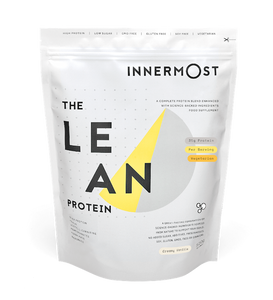
The Lean Protein
Whey protein powder for weight-loss.
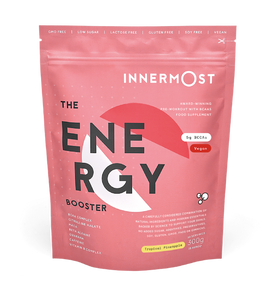
The Energy Booster
Pre/intra-workout powder with BCAAs.

How To Train For a Marathon: The Complete Guide

11th November 2025

11th November 2025

By Josh Makin

The marathon - the magnum opus when it comes to being a runner, (and a feature of so many bucket lists). Something that seems so impossible, yet so many make possible.

Preparing for a marathon is no small feat. It requires physical stamina, mental resilience, and a well-thought-out strategy. Whether you're a first-time runner or a seasoned athlete, marathon training is a journey that demands consistency, science-backed planning, and smart recovery.

With the largest organised marathons on the horizon (think Dubai, Boston and London), we thought there was no better time to reignite the conversation and discuss just how you can smash your marathon goals, with targeted training, nutrition and perseverance.

This guide explores everything you need to know about training for a marathon, how long it typically takes, and the best practices to follow for optimal performance and recovery.

Right, let’s get into it.

Setting your marathon goals

Before lacing up your trainers and mapping out your training schedule, first you need to understand what you want to achieve with the marathon.

For instance:

  • Are you aiming to complete a marathon for the first time?
  • Perhaps complete in a target time?
  • Shave minutes off a personal best?
  • Simply finish feeling strong and injury-free?

These choices should be driven by your own body and what you think can be achieved - one of the biggest mistakes you can make in running or fitness in general is to try and meet someone else’s goals.

It can be daunting to decide these goals, especially if you are starting the process as a beginner. One rule of thumb that can be useful is to set yourself a series of SMART goals for increased objective definition.

  • Specific: What is it you are looking to achieve? When are you looking to achieve this by? Are you training for a particular event? Have you run 42.2k before? As the name suggests, you should try and make the goal as specific as possible, with all details included. This will help you tailor your training plan.
  • Measurable: Have you defined a measurement for your specific goal? Time related goals might see you tailor your training plan to a particular pace. If you’re normally a half marathon runner and want to build up your measurable fitness to a full marathon, then building up your endurance is key.
  • Achievable: Is your goal attainable in the timeframe you have given yourself? If not, maybe it’s worth giving yourself more time? Or even switching to a half marathon, 5k or 10k instead.
  • Relevant: Are your goals tailored to you? If not, it might be worth a rethink. This also applies to a training plan. Don’t train for a 5k if a marathon distance is the goal.
  • Time-Based: With a full training plan in place, how long will you need to practice and prepare for the marathon? There’s nothing more likely to set you up for failure than cramming 6 months of training into 4 weeks.

Not only can you use these smart goals to inform what it is you want to achieve, but they will also help you to tailor your training plan going forward.

Woman running

Marathon training plan tips

So, you’ve got your SMART goals set and know what you want. Next up, it’s about training and fuelling your body, muscles and mind ready for the big event.

The four phases of marathon training

At the core of effective marathon prep is a structured plan. Most programs divide training into four key phases:

  • Base building
  • Intensity training
  • Peak building
  • Tapering

Shall we start from the top?

Base building

During the initial base building phase, the purpose is to condition the body through steady aerobic runs and gradually increase weekly mileage. This creates the endurance foundation necessary for more intensive work.

Typically, base building consists of low intensity (conversational pace) but high-volume workouts. The time you take on base building greatly depends on where your fitness levels lie and how long you have given yourself to train.

Base building for a marathon has the benefit of:

  • Improving your endurance through cellular adaptations, building the body’s ability to use oxygen effectively, delaying fatigue.
  • Enhancing muscle efficiency when burning fat for fuel by preserving carbohydrate stores - these adaptions help the body to keep going for longer (super important for a long distance run like a marathon).
  • Increasing injury prevention and post run recovery by strengthening and building muscular, tendon and bone resistance.  

Intensity running

Once base fitness is established, the next step is to work on ‘intensity’ based runs. This will see you build anaerobic fitness through high intensity but lower volume runs - generally you want to be hitting around 80% to 90% of your maximum heart rate with these runs.

Tempo runs, hill repeats, fartlek training and interval training are all perfect intensity workouts that challenge your cardiovascular efficiency and improve lactate threshold.

For those looking to hit certain times within the marathon or smash a PB, this training method is for you (although anyone will of course benefit).

Intensity training for a marathon has the benefit of:

  • Improved lactate tolerance, meaning that the body becomes more efficient at fuelling the cells during high intensity workouts. The benefit? You can run harder for longer before experiencing fatiguing effects - read this study for more detail.
  • Increased speed and power when running by building more fast-twitch muscle fibres. This helps to improve running speed - especially useful when going for a PB.
  • Building mental toughness. Pushing yourself now in training will teach you how to work through mental and physical discomfort and ingrain the resilience needed for what will likely be the most challenging run of your life.
treadmill runner

Peak training

The next part of your training plan will consist of something called ‘peak training’.

Generally starting at around 60% through your training journey, this is where you are going to put your endurance and pace building to the test by completing the longest distance runs so far.

Running distances should get longer until you start going for that 30+ km distance (slowly building up of course). For those who have set PB, or pace-related SMART goals, this is also where you are going to practice at a longer distance.

Rather than full long distance, we would suggest initially breaking up your runs into longer intervals to help build up your long-distance pace. We would recommend 10k intervals as an effective tool for marathon pace training.

The important thing here is to make sure you are carefully planning your runs with effective sleep and effective nutrition (see our nutrition tips below). The last thing anyone wants is to go through months of training only to miss out due to injury.

Peak training for a marathon has the benefit of:

  • Building your confidence
  • Simulating the distances of race day. Completing this stage will give you a complete sense of the runners high. The hard work is done, and now you know you can do it!
  • Increasing endurance and stamina, building on the endurance you may not even realise you have built up from base and intensity training.
  • Driving greater fatigue resistance.
  • Gradually building to these longer distance workouts improves lactate tolerance, enhances muscle efficiency and builds the body’s ability to use oxygen effectively.
Group of runners

Tapering

Right, you’ve completed the longest distance prep runs and are ready to go.

So why is there still one phase of training left?

Tapering (while often overlooked) is the final stage of marathon training

It's the stage where you know that the hard training is done and race day is almost here. It occurs around the final 2-3 weeks of training and sees much shorter runs taken at your target marathon pace.

The goal here is to reduce the fatigue you’ve built over the many months of training and ensure you are in the best levels of fitness on the big day. It allows the body to recover and rebuild, ensuring you're rested, primed, and sharp come race day.

While it might sound counterproductive, the science here doesn’t lie. According to a 2007 meta-analysis, tapering your runs can improve performance by up to 3%.

Tapering before a marathon has the benefit of:

  • Replenishing energy stores.
  • Allowing for muscle and tissue repair.
  • Improving aerobic capacity.
  • Boosting confidence through improved mental clarity.

Nutrition and supplementation for endurance for marathon training

With that said, physically and mentally training your body is only one part of the puzzle. You want to be sure that you are fuelling effectively with complete nutrition.

If this blog hasn’t made it obvious, running (especially these sorts of long distances) stresses the body. This makes nutrition your most powerful tool for recovery and performance. A balanced diet rich in carbohydrates, lean protein, and healthy fats can help fuel training and accelerate recovery.

We’ve written a whole blog around nutrition that we would recommend checking out for further info.

Woman drinking protein shake

When weekly mileage begins to build and time becomes scarce (as it does, we all have busy lives), supplementation can also offer a smart, efficient solution. Protein, in particular, is critical for muscle repair, with between 1.4 to 1.6g of protein per kilogram of body weight required per day to support recovery during the training process

A high-quality protein supplement can fill nutritional gaps, support muscle synthesis, and help reduce soreness. Innermost The Strong Protein for instance offers 31g of protein per serving, helping to maximise muscle growth throughout the training process.

Beyond protein, other supplements like electrolytes, adaptogens, and functional nutrients can also play a role in effective marathon nutrition - see our The Hydrate Blend premium sachets, The Rise Capsules and The Reset Capsules for more detail.

For wellness-focused runners and those with holistic health goals, incorporating ingredients like ashwagandha or reishi mushroom (featured in The Rise Blend) can help manage stress and improve recovery outcomes.

For a more in-depth look at science-backed sports nutrition, check out our complete guide to running supplements.

Making the most of marathon gear

Watches and apps

Good news, today’s runner has more tools and tech at their disposal than ever before, each of which can help assist you on your marathon journey.

Wearables such as a Garmin or Apple Watch can be fantastic for tracking mileage, heart rate, and recovery metrics.

Apps like Strava and Runna provide coaching frameworks and social accountability. These platforms offer feedback loops that help refine pacing, identify overtraining risk, and maintain motivation.

Running shoes

Footwear, too, is a crucial factor.

Investing in a new quality pair of running shoes that match your gait and terrain (beyond being one of the most fun investments for a runner) can prevent injuries and improve efficiency.

For long-distance training, rotating between two pairs helps extend the life of your shoes and reduce repetitive strain.

Person tying running shoes

Recovery tools

Recovery tools, including foam rollers, massage guns, and compression gear, support circulation and muscle repair.

Many science-focused runners also find value in tracking sleep quality and using devices that measure HRV (heart rate variability), offering deeper insight into readiness levels.

What to do on marathon day?

After months of training, it’s finally coming up to marathon day. In many ways, it can feel overwhelming. You’ve done all the hard work and, now it’s simply a waiting game

Or so it seems...

Below we have included our top tips on how to prepare for marathon day, starting from the day before and leading to post run recovery. Shall we jump into it?

The night before the marathon

The night before race day is all about setting yourself up for success.

You’ve done the training - now it’s time to prepare mentally and physically for the big effort ahead.

Eat well, but don’t overdo it. A familiar meal rich in complex carbohydrates (like pasta, rice, or potatoes) with a moderate amount of protein and low fibre is ideal. Avoid anything new or spicy that could upset your stomach.

Hydrate smart. Drink water steadily throughout the day, but don’t overload at night. Add electrolytes if temperatures will be high or if you’ve been training in the heat.

Organisation is also really important for peace of mind (and to avoid any last-minute panics on the day. Lay out your gear. Double-check that everything is ready: bib number, shoes, socks, GPS watch, any supplements, and clothes.

Last up, try and get to bed early but equally, don’t worry if you can’t sleep. It’s normal to feel nervous. A poor night of sleep before a race won’t ruin your performance, especially if you’ve banked good rest earlier in the week and have done all the training to prepare.

Marathon day

When marathon day finally arrives it’s fairly normal to feel an overwhelming mix of nerves and excitement. In the morning, we would recommend a high carb meal around 2-3 hours in advance to maximise glycogen stores and ensure a good amount of digestion time (avoid anything high in fibre that could drive digestive issues).

Below we have included a few other key hacks and tips to best prepare you on race day:

  • Arrive early - no-one wants the added pressure of arriving late. Best remedy? Arrive in good time on race day, even if that means waking up an hour or 2 earlier.
  • Stick to what you know - marathon day is not the day to be trying out new things. Don’t go testing new running shoes, gear or supplementation on race day.
  • Don’t start too fast - As I’m sure you’ve worked out over the many months of training, starting out too fast is a recipe for disaster. Try not to get carried way by the initial adrenaline at the start line and stick to the pace you have set yourself.
  • Use water stations wisely - Water stations are there for a reason, but equally (depending on the marathon) they will be well spread out across the track. Try to tailor water sips from your own bottle around where these stations are placed to maximise your hydration intake.
  • Keep mental check-ins - We cannot stress how much of a mental game running can be. Try not to keep checking your watch (if you have one) or fixating on distance/pace - this can lead to increased mental fatigue.

Remember, you have trained for this, and you can do it!

Woman celebrating after running

Post-Race Recovery 

Congratulations! You’ve done it! You’ve completed a marathon and entered an elite group of sportspeople!

Now’s the final stage and one that could make or break how you feel over the next few days/weeks. Recovery. Your body will have been pushed to its limit, so what you do next matters.

  • Keep moving - It will feel oh so tempting to collapse on the ground in exhaustion and celebration - before you do so, try walking for 10-15 minutes after finishing to keep blood flowing and prevent cramping.
  • Refuel quickly - Aim for a snack or shake with a 3:1 ratio of carbs to protein within 30 minutes. While most organised marathons will provide a finishers bag with snacks to enjoy, The Recover Capsules are your secret weapon here.
  • Hydrate and rest - Rehydrate slowly over the next few hours and take it easy for the rest of the day. Elevate your legs and focus on gentle mobility. Post marathon, you should give a full week of rest before resuming any form of structured training. Low impact activities like walking (those who live in Dubai, why not join one of our Walk Club group sessions?), swimming, or yoga are very beneficial here.
  • Reflect and celebrate - This goes without saying, but you’ve completed a marathon! Take time to celebrate your experience and appreciate the accomplishment with friends and family.

Time to get marathon ready

So, there we have it!

Training for a marathon is a transformational experience. It requires structure, self-awareness, and smart choices about how you train, fuel, and recover. We’re hoping that if nothing else, this blog has conveyed that anyone can achieve a marathon distance target - whether starting as a beginner or aiming to get a PB.

For added insight and performance, why not explore our collection of Innermost protein powders, tailored to fit a variety of lifestyles and training needs.

Remember, train smart. Recover well. Run far.

Frequently asked questions

What time should I aim to achieve with a marathon?

While you should always try and tailor your marathon target to your individual goals and body, below are a handful of time brackets depending on whether you are new to running or a seasoned jogger.

  • For beginners: Your goal may be to simply finish the race within the cut-off time (typically around 6 to 7 hours). For many new runners, a finish time between 4:30 and 5:30 hours is realistic with consistent training.
  • For intermediate runners: Those who have completed a race before may aim for a sub-4-hour finish. This requires maintaining a pace of approximately 5:41/km (9:09/mile).
  • For experienced runners: More advanced runners often set aggressive goals, like breaking 3:30 or even 3:00. These targets require disciplined pacing and advanced training strategies.

It’s important to match your goals with your lifestyle, current fitness, and time commitment. Setting realistic, progressive goals ensures long-term motivation and helps avoid burnout or injury.

What’s the right timeframe to begin marathon training?

Another common question for runners is ‘how long will it take to train for a marathon?’

While the exact answer can vary wildly based on both the capacity you yourself have (not to mention the number of weeks/months before race day) and your prior running experience, for those aiming to build a sustainable fitness base, you ideally want to look at a six-month (24-week) plan.

This provides ample time for optimal progression without rushing the 4 training stages mentioned in this article.

Months 1-2: Base Building

  • Focus on consistency through base building training
  • Aim for 3-4 runs per week at conversational pace
  • Gradually increase weekly mileage (start with 15-25km)
  • Introduce intensity runs
  • Include one cross-training or active recovery day

Months 3-4: Building Strength & Endurance

  • Increase mileage to 30-50km per week
  • Continue intensity runs
  • Introduce peak long runs that build up to 20-26km
  • Begin fuelling practice during long runs (supplements, hydration)

Months 5-6: Peak and Taper

  • Peak weekly mileage 50-65km
  • Longest run: 30-35km, 3-4 weeks before race day
  • Tapering starts 2-3 weeks out, reducing mileage by 20-30%
  • Maintain intensity, reduce volume

Each phase should prioritise injury prevention through mobility work, strength training, and recovery protocols.

References

  1. Bosquet, L. et al. (2007). Effect of tapering on performance: a meta-analysis. Medicine & Science in Sports & Exercise, 39 (8), 1358 -1365. Click here.
  2. Hughes, D., Ellefsen, S., and Baar, K. (2018). Adaptations to Endurance and Strength Training. Cold Spring Harb Perspect Med, 8 (6). Click here.
  3. Xie, H., Mao, X., and Wang, Z. (2024). Effect of high-intensity interval training and moderate-intensity continuous training on blood lactate clearance after high-intensity test in adult men. Frontiers in Psychology, 39 (8). Click here.
  4. Jager, R. et al. (2017). International Society of Sports Nutrition Position Stand: protein and exercise. J Int Soc Sports Nutr. Click here.
  5. Jiménez-Alfageme, R. et al. (2025). Nutritional Intake and Timing of Marathon Runners: Influence of Athlete’s Characteristics and Fueling Practices on Finishing Time. Sports Med Open. Click here.
  6. Burke, L. Hawley, J. et al. (2011) Carbohydrates for training and competition. Journal of Sports Sciences. 29. Click here.
  7. DeAngelis, J. (2024) Target Heart Rate Zones: Safely Maximize Your Workouts, Brown Health. Click here.

Product Spotlight

Need Expert Advice?

Other Insights

Magnesium for Sleep: Here's What You Need to Know
  Sleep is one of the most important parts of the day. Feeling well, training well and moving through the day with enough energy to actually enjoy it, all rely on a good night’s sleep. Yet for many of us, it is also one of the first things to suffer when life gets busy. Late nights. Early starts. Stress. Screens. Training sessions squeezed into already full days. A mind that seems to become suddenly very active the moment your head hits the pillow. It is no surprise, then, that magnesium has become one of the most talked-about supplements for sleep. It is often linked with relaxation, recovery and the ability to switch off at night. But as with most things in wellness, the real answer is a little more nuanced than “take this and sleep better”. So, does research suggest that magnesium helps with sleep? And how do you know whether it is right for you? Let’s take a closer look. Key takeaways Magnesium supports several normal processes linked with rest, including muscle function, nervous system function and energy metabolism. Magnesium may help some people sleep better, particularly where poor sleep is connected to stress, low magnesium intake, muscle tension or poor recovery. Food should always be the foundation, but magnesium supplements can help support a consistent intake when busy lifestyles, training and irregular meals get in the way. Magnesium works best as part of a broader evening routine, alongside sensible caffeine timing, reduced evening stimulation, good nutrition and proper recovery. What is magnesium and why is it linked to sleep Magnesium is an essential mineral found in food, water and supplements that is involved in over 300 bodily processes. It acts as a mandatory helper molecule (coenzyme) for your cells. Some of the key biological functions of magnesium include: Supports energy production by helping the body convert food into usable cellular energy. Contributes to normal muscle function, including the balance between muscle contraction and relaxation. Supports normal nervous system function by helping regulate nerve signalling and neurotransmitter activity. Contributes to normal bone structure, with a significant proportion of the body’s magnesium stored in bone. Supports normal glucose metabolism, with magnesium involved in blood glucose control and insulin-related processes. While by no means an exhaustive list, this gives a wider sense of how widely it is used throughout the body. Magnesium’s connection with sleep comes from the way it supports systems involved in relaxation and recovery. As highlighted, magnesium helps regulate nerve signalling and muscle contraction, which is one reason it is often associated with calmness, reduced tension and post-training recovery. It is also commonly discussed in relation to GABA (or gamma-aminobutyric acid), a neurotransmitter involved in calming nervous system activity. While the relationship between magnesium and sleep is still being studied, the general theory is that healthy magnesium levels may help the body and brain shift away from a heightened, alert state and towards a more relaxed one. This matters because good sleep rarely begins the moment you get into bed. It starts earlier, as your body and mind begin to downshift. For active, busy people, this can be one of the hardest parts of the day. If your evening routine looks like finishing work, replying to messages, doing a late workout, eating quickly and then expecting your brain to instantly power down, you are asking a lot from your body. Magnesium may support the relaxation side of that process, but it works best when the rest of your routine is helping too. Does magnesium help you sleep? Magnesium may help some people sleep better, but it is not a guaranteed solution for everyone. Its value sits more in supporting the body’s normal relaxation and recovery processes than acting like a direct sleep aid. A 2021 systematic review and meta-analysis published in BMC Complementary Medicine and Therapies looked at oral magnesium supplementation for insomnia in older adults. It found that magnesium may help reduce the time it takes to fall asleep. While the results were promising, the sample size was limited. Magnesium is most likely to be helpful when poor sleep is linked to factors such as low magnesium intake, stress, muscle tension, a busy nervous system or poor recovery. Someone who trains several times a week, works long days and struggles to wind down at night may find it more beneficial for sleep specifically than someone whose sleep issue is caused by an untreated medical condition, severe anxiety, chronic insomnia or an inconsistent sleep schedule. It is also worth remembering that “better sleep” can mean different things to different people. Some people want to fall asleep faster. Others wake up during the night. Some sleep for eight hours but still wake feeling flat.  Magnesium is usually discussed in relation to relaxation and sleep onset, rather than acting as a powerful sleep aid that forces deeper or longer sleep. A helpful way to think about it is this: magnesium supports the conditions that may make good sleep more likely. It does not replace the foundations of sleep itself (many of which we have discussed before). Can You Get Magnesium from Food? Yes, and this is a good place to start. Magnesium is found in a range of everyday foods, including: leafy green vegetables, nuts, seeds, legumes, wholegrains and dark chocolate. Pumpkin seeds, almonds, spinach, black beans and wholegrain products are all useful sources. Food Why it helps Pumpkin seeds Naturally rich in magnesium and easy to add to meals or snacks Almonds and cashews Useful sources of magnesium, healthy fats and plant-based protein Spinach and leafy greens Provide magnesium alongside fibre and other micronutrients Black beans and lentils Support magnesium intake while also adding fibre and slow-release carbohydrates Wholegrains A practical everyday source of magnesium and sustained energy Dark chocolate Contains magnesium, although best enjoyed as part of a balanced diet   A food-first approach also supports the bigger picture. Your body does not experience nutrients in isolation. A diet rich in magnesium-containing foods is often also higher in fibre, plant compounds and other micronutrients that support overall wellbeing. That said, busy lives do not always make consistent nutrition easy. Active people may also pay closer attention to magnesium because of its role in muscle function, energy metabolism and recovery. If you train regularly, sweat heavily, experience muscle tension or find yourself relying on convenience meals during busy weeks, your magnesium intake may be worth looking at. This is where effective supplementation can help, especially when it forms part of a wider routine rather than replacing a balanced diet. Where magnesium supplements can help Food should always be the foundation, but supplements can make magnesium intake easier to manage when life is busy. Rather than trying to rebuild your diet overnight, the right supplement can help you add consistent support around the routines you already have: morning training, post-workout recovery, evening wind-downs, or busy workdays where meals are not always as balanced as you would like. With Innermost, magnesium is included as part of wider, goal-led formulations rather than as a standalone quick fix. The Fit Protein contains 250mg of magnesium per serving, alongside vegan protein, maca, rhodiola root, cocomineral and Pink Himalayan sea salt, making it well suited to active lifestyles where performance, energy and recovery all matter. The Strong Protein contains 200mg of magnesium per serving, alongside protein, casein, creatine monohydrate, Montmorency cherries and bilberries. This makes magnesium part of a broader strength and recovery blend, supporting people who train regularly and want their nutrition to work harder around their goals. For evening recovery, The Recover Capsules are another good supplementation option, with magnesium included as part of a wider recovery-focused formula. This makes them a natural fit for people who want to support recovery at the end of the day, particularly when sleep, training and overall performance are closely connected. When should you take magnesium for sleep? Magnesium works best when it becomes part of a routine you can actually stick to. Because magnesium supports relaxation and recovery rather than acting as a sedative, timing does not need to be overly complicated. The most effective approach is usually the one you can repeat consistently. For many people, magnesium fits naturally into the evening. That might mean taking it with dinner, after training, or as part of a wider wind-down routine before bed. The aim is not to wait until you feel wired and then expect magnesium to force sleep. It is to give your body steady support at the point in the day when you want to start slowing down. This is particularly relevant if your days are busy or training-focused. When your body has been under physical or mental demand, sleep is part of the recovery process. Magnesium can support that bigger picture by contributing to normal muscle function, nervous system function and energy metabolism. Final thoughts: magnesium, sleep and recovery Magnesium has earned its place in the sleep conversation, but it deserves to be understood properly. It is an essential mineral with important roles in muscle function, nervous system function and recovery. For some people, particularly those who are active, stressed, low in magnesium-rich foods or struggling to wind down at night, supplementation may be a useful addition to an evening routine. The key is to keep expectations realistic. Magnesium is not a shortcut to perfect sleep. It is a supportive tool that works best alongside consistent habits: sensible caffeine timing, less evening stimulation, good nutrition, proper recovery and a calm bedtime routine. For Innermost, the bigger point is that form matters, but formulation matters too. Magnesium works best when it fits into a wider routine. That might mean supporting your intake through a recovery-focused product, taking supplements with food, and using them consistently rather than expecting an instant effect. References  Magnesium. National Institute for Health Professionals. Click here. Jewett, E., Sharma, S (2023). Physiology, GABA. National Library of Medicine. Click here. Mah, J., Pitre, T (2021).Oral magnesium supplementation for insomnia in older adults: a Systematic Review & Meta-Analysis. BMC Complementary Medicine and Therapies. Click here. Read more
What Makes a Healthy Protein Powder?
Protein powder has come a long way from the oversized tubs once reserved for bodybuilders and gym changing rooms. Today, it sits much more comfortably within everyday wellness routines, whether that means a post-workout shake, a quick breakfast smoothie, a protein boost between meetings or something to support recovery after a long day. That shift is a good thing. Protein plays a key role in how your body repairs, maintains muscle, and adapts to exercise. Yet, with so many options available, choosing a healthy protein powder can feel more complicated than it needs to. A healthy protein powder should do more than help you hit a macro target. Some formulas lead with protein content. Others focus on flavour, functional ingredients, plant-based credentials, or weight management. On the surface, they can all look quite similar. Once you look a little closer, the differences become much clearer. So what makes a healthy protein powder? Let’s get into it. What does “healthy protein powder” actually mean? A healthy protein powder should help you support your nutrition in a way that feels simple, useful and sustainable. At its core, that means providing a meaningful amount of protein from a quality source. Protein is made up of amino acids, which the body uses to repair and maintain tissue. For anyone training regularly, eating enough protein is particularly important because exercise increases the demand for repair and recovery. Research from the International Society of Sports Nutrition suggests that people who exercise regularly may benefit from a daily protein intake of around 1.4 to 2.0g per kg of body weight, depending on their training and goals. Protein supplements can be a practical way to help meet that intake, especially when meals are rushed or appetite varies. That said, protein powder works best as part of a wider diet. That’s where the idea of “healthy” becomes more useful. It’s not only about the amount of protein in the scoop, but also about whether the formula supports your body, your goal and the way you actually live day to day. What makes a healthy protein powder? So, what actually makes up a healthy protein powder? Protein source quality The protein source is one of the first things to look at. Different proteins digest at different speeds and provide different amino acid profiles. Some contain all nine essential amino acids, while others work best when blended with complementary sources. Whey protein Whey protein is one of the most widely used options in sports nutrition. It is a complete protein, naturally rich in essential amino acids, and is often used around training because it is convenient and easy to incorporate into a routine. Casein protein Casein is also derived from milk but behaves differently. It digests more slowly, which can make it useful when you want a steadier release of amino acids over a longer period. Plant protein Plant-based proteins can also be effective when formulated properly. Pea protein and brown rice protein, for example, are often combined because their amino acid profiles complement each other. This kind of blending helps create a more complete plant-based protein option. So, rather than asking whether one protein type is always better than another, it helps to ask a more practical question: does this protein source suit your diet, your body and your goal? For some people, that will be whey. For others, it will be plant-based. The important part is choosing a protein powder that suits your body, your diet and your goals. Look beyond the protein number It’s easy to compare protein powders by the number on the label. A higher protein content can be useful, especially for those training hard or trying to increase daily intake. But that number alone does not tell you whether a product is well-formulated. A good protein powder needs balance. The serving should provide enough protein to be worthwhile, but the rest of the formula deserves attention too. For instance: What else has been included? Is there a clear reason for each ingredient? Are there unnecessary fillers or bulking agents? Does it contain a high amount of sugar? Does it taste good enough to use more than once? Match your protein powder to your goal The best protein powder for you depends on what you want it to support. Some are built as basic macro tools. Others are designed to support a more specific outcome, such as strength, lean body composition, recovery or general wellbeing. That distinction matters because people use protein powder for different reasons. This is where goal-led formulation becomes important. Rather than treating protein as a single category, a more considered approach recognises that different people need different things from their supplements. Strength and muscle support If your focus is strength, muscle repair or performance, protein quality is important. This is because protein helps provide the amino acids needed to support repair and adaptation after a strength workout. Over time, this supports strength training progress, particularly when paired with enough energy, recovery and sleep. For a strength-focused protein powder, it makes sense to look for a high-quality complete protein source, along with ingredients that support performance or recovery. This is the thinking behind The Strong Protein. It combines whey protein and casein with ingredients such as creatine monohydrate, magnesium, Montmorency cherries and bilberries to create a formula for people who want their protein powder to support training, not simply increase protein intake. Lean body composition For those focused on body composition, a healthy protein powder can be a useful tool within a balanced diet. Protein supports muscle maintenance, which is particularly important when someone is trying to reduce body fat, manage calorie intake, or train consistently while staying lean. A well-formulated protein powder can also make it easier to add protein to meals or snacks without needing to overcomplicate the rest of the day. The healthiest option here is not necessarily the lowest-calorie product or the one with the most aggressive “diet” messaging. It should provide a strong serving of protein, support satiety, avoid unnecessary fillers, and fit easily into a routine that still prioritises whole foods. The Lean Protein reflects this kind of approach. Alongside protein, it includes ingredients such as inulin, acetyl L-carnitine, pomegranate, yerba mate and bilberries. The result is a formula built around lean body composition, satiety and daily consistency Everyday wellness Not every protein powder needs to be tied to a gym-based goal to be healthy. For many people, a healthy protein powder is simply a way to make everyday nutrition feel more consistent. It might help make breakfast more balanced, support recovery after Pilates or running, or provide a convenient protein boost on days when meals are rushed. A good everyday protein powder should provide a quality protein source, be easy to digest, taste good, and sit comfortably alongside a varied diet. If it is plant-based, it should also be carefully formulated so the protein sources work well together. The Health Protein is designed with this broader approach in mind. It uses a vegan blend of pea and brown rice protein, alongside ingredients such as glutamine, mushrooms and berries. Rather than being purely performance-led, it gives people a simple way to add protein into their day while supporting a more rounded wellness routine. Check what is not in the formula A healthy protein powder should be as much about what has been left out as what has been added. Unnecessary fillers, artificial colours, excessive sugar and vague marketing claims can all make a product feel less trustworthy. That does not mean every ingredient needs to be stripped back to the point where the product becomes joyless. Taste, texture and mixability all matter. But every ingredient should have a reason for being there. Look for transparency in your choice of protein powder brand: Can you understand the active ingredients? Does the product explain what they are there to support? Are the claims realistic? Does the formula match the goal it is being sold for? This is where clean formulation is important. A healthy protein powder should feel premium because it has been formulated with a science-backed approach, not because the packaging says it is. Taste is more important than people think Taste can feel like the less serious part of choosing a protein powder, but in practice, it has a big impact.A protein powder only supports your routine if you actually want to use it. If it tastes chalky, overly sweet or difficult to get through, it is much less likely to become something you use consistently.This matters because consistency is where nutrition starts to make a difference. A good-tasting protein powder is easier to use after training, blend into smoothies, mix into oats or keep on hand for busy days. Functional ingredients can add value Taste should still be the foundation of any healthy protein powder, but the right functional ingredients can give a formula more purpose, especially when it is designed around a specific goal such as strength, recovery, body composition or everyday wellbeing. A longer ingredient list does not automatically mean a better product. Each ingredient should have a clear role. Creatine, for example, makes sense in a strength-focused protein powder. Fibre can support satiety in a lean body composition formula, while magnesium may suit a recovery-led routine. Plant extracts, berries and mushroom ingredients can also fit well within a broader wellness blend when included with purpose.  A healthy protein powder should fit into your lifestyle The most useful supplements are usually the ones that fit neatly into what you are already doing. A healthy protein powder should work around your day. After a workout. In a morning smoothie. Mixed into oats. Taken between meetings. Packed for travel. Used when you know dinner will be later than planned. These moments might sound small, but they are often where consistency is built. Most people are not trying to follow a perfect nutrition plan every day. Work gets busy. Training moves around. Meals vary. Recovery sometimes takes a back seat. A good protein powder gives you a simple way to support your routine when things are not perfectly structured. This is also why it should not feel overly complicated. You shouldn’t need to rebuild your entire diet around it and it should sit alongside real food, supporting the gaps that naturally appear in a busy, active life. What makes Innermost protein powders different? Innermost takes a more considered approach to protein. Rather than creating one generic formula and expecting it to suit everyone, the range is built around different goals. That makes it easier to choose a product based on what you want support with, whether that is strength, lean body composition or everyday wellness. There is also a science backed focus on formulation quality. Our protein sources are chosen with purpose, the active ingredients included for a reason and each product avoids unnecessary fillers and bulking agents. The flavours are designed to feel enjoyable, not like something you tolerate because it happens to be good for you. A healthy protein powder should feel effective, but it should also feel easy to come back to. It should support how you train, recover, work and live. It should make your routine feel more consistent without adding another layer of complexity. That is where Innermost feels different from more traditional protein brands. The products sit closer to modern wellness than old-school gym nutrition, while still being grounded in performance and science. Final thoughts Healthy protein powder comes down to quality, purpose and consistency. The protein source should be strong, the formula should make sense and the ingredients should be clear. The taste should make you want to use it again and most importantly, it should support your wider routine rather than trying to replace it. Used alongside a balanced diet, protein powder can be a simple way to support training, recovery, body composition and everyday wellbeing. For those looking for a more considered option, Innermost’s protein range is built around exactly that approach. Goal-led formulas, clean ingredients, strong taste and science-backed support, designed to fit into real life. Explore Innermost’s protein powders to find the formula that best fits your goals, routine and lifestyle. Read more