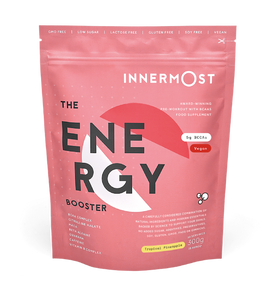











If you’re an avid user of pre-workout and beta alanine (maybe you’re part of the lovely community that use The Energy Booster to fuel your exercise), you may have experienced what can only be described as a tingle.
Now, don’t be alarmed. This beta-alanine itch is normal. More than normal. To be expected, in fact. And it’s all to do with a sensation caused by one of the main ingredients contained in pre-workout supplementations, including The Energy Booster.
And we know what you’re thinking. It’s all well and good saying that it’s normal… that’s fine. But why? What is it, and what causes the sensation? Given how important pre-workout supplements and nutrition are in supporting physical and mental performance, is the pre-workout tingle something that we’re all just going to have to deal with? How can beta-alanine enhance your workout?
It’s time to get to the bottom of that pre-workout tingle. But first, we’ve spoken a lot about this tingle-inducing ingredient, and as we’ve said, include it in The Energy Booster. So it’s only fair that we first give you the low down on this ingredient that packs a (great) punch.
What is beta-alanine?
Beta alanine is one of the non-essential amino acids that can be made by the body. For this reason, we don’t necessarily need to integrate foods into our diet that supplement our beta alanine levels, but many people choose to do so using supplementations like The Energy Booster to improve athletic performance, and even physical performance in elderly adults.

What does beta-alanine do and how does it enhance performance?
Beta-alanine (and therefore, supplementations that contain this non-essential amino acid) are effective in promoting increased physical performance due to the nature of beta-alanine and its basis in carnosine, the amino acid plays a big role in muscle size and subsequent muscle and strength performance.
A 2022 study within the Baltic Journal of Health and Physical Activity also highlighted the benefits of beta-alanine for reducing feelings of fatigue, muscle soreness and perceived exhaustion and improving athletic performance. The study highlighted the benefits to aerobic capacity that beta-alanine can bring, allowing runners (see our complete marathon guide) to improve cardio performance.
Can I take beta-alanine every day?
With the pre-workout tingle, you might think it’s a bad idea to regularly take beta-alanine supplements. In actuality, it’s a good idea to take them every day to build up performance and reduce fatigue – taking supplements regularly can even reduce the impact of the beta-alanine itch. In fact, a 2015 study by the National Library of Medicine concluded that four consecutive weeks of daily beta-alanine supplementation (4–6 g) greatly improves “muscle carnosine concentrations” and leads to improved performance for short to medium-length workouts.
Why does beta-alanine cause pre-workout tingling, then?
There’s a pretty simple explanation, really. As the body naturally produces beta alanine, ingesting extra quantities through supplementation increases the elicitation of certain neurons in the brain that are responsible for the sensation of tingling.
That tingling sensation actually has a name, too. It’s paraesthesia.
Here are all the details on paraesthesia
Whilst now we know that paraesthesia generally refers to the general tingling sensation, but here are some more details on the sensation:
- Paraesthesia’s most commonly felt in the hands, arms, legs and feet
- The sensation is painless, and extremely common
- Paraesthesia has also been described as a numbing sensation.
- The level of itching in the skin can vary from person to person as well as levels of beta-alanine.
- A 2019 study on beta-alanine paraesthesia highlighted the sensation to be harmless, and in some cases a sensation that improved ’affective response to exercise’

What are some of the other benefits of beta-alanine?
As well as aerobic performance improvement, beta-alanine supplements have a few other notable benefits including.
- Enhanced Cognitive performance – Beat-alanine supplementation has been quoted to ‘enhance cognitive performance in older adults’ and even reduce symptoms of mental conditions such as anxiety and depression.
- Immune system support – Research has shown that beta-alanine supplements benefit an individuals immune system through the reduction of oxidative stress and inflammation.
- Improved Heart health – By reducing oxidative stress as well as blood pressure, beta-alanine supplements can also lead to improved heart health.
Is beta-alanine dangerous?
As a result of this tingling from pre-workout, many people have questioned the use and safety of beta-alanine. The good news is there is nothing to worry about. If taken in recommended doses, beta-alanine is completely safe, and a really effective way to naturally boost performance and physical condition, during a workout!
There is no evidence to suggest that beta-alanine is dangerous, in fact it’s quite the opposite.
One study published in the journal of Clinical Nutrition and Metabolic Care reflects a direct correlation between the supplementation of beta alanine and improved physical performance, particularly in elderly adults. Quoted to ‘play a critical role in skeletal muscle physiology’, the findings of the study provide pretty strong evidence to support the idea that this amino acid is a great way to enhance physical performance and subsequently improve a person’s ability in sports.
Is beta-alanine better than creatine?
While you might think supplements like beta-alanine and creatine are 2 sides of the same coin, they offer a few key differences that can make one the better choice. The choice of supplement greatly depends on your personal fitness goals and exercises and in some cases, they can be taken together to provide you with the benefits of both.
Creatine
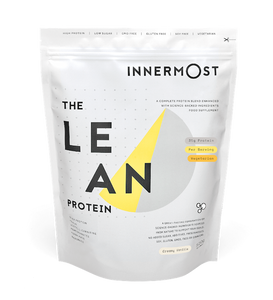
Found in The Strong Protein, creatine is most commonly used to improve muscle mass, strength and power as it increases the body’s production of adenosine triphosphate (ATP). This powers the activities of the cells, making creatine an optimal supplement for high-intensity anaerobic workouts such as weightlifting and short-distance sprinting.
Beta-alanine
Beta-alanine on the other hand helps to buffer lactic acid buildup in muscles, delaying fatigue during high-intensity aerobic exercises and leading to the pre-workout tingle. This makes it particularly beneficial for endurance cardio exercises in reducing otherwise accumulated fatigue.
Summary
So, there you have it. That pre-workout tingling is normal, it’s caused by a natural and effective ingredient that is found in our award-winning supplementation The Energy Booster, and it’s definitely nothing to worry about. As always, every ingredient we place into our products is backed by science, and science never lies.
References
- Blancquaert, L., Everaert, I., & Derave, W. (2015). Beta-alanine supplementation, muscle carnosine and exercise performance. Current Opinion in Clinical Nutrition & Metabolic Care, 18(1), 63-70. Click here.
- Quesnele, J., Kim, P., Wong, J., & Wells, G. (2013). The Effects of Beta-Alanine Supplementation on Performance: A Systematic Review of the Literature, 24(1), 14-27. Click here.
- Trexler, ET., Smith-Ryan, AE., Stout, JR., Hoffman, JR., Wilborn, CD., Sale, C., Kreider, RB., Jäger, R., Earnest, CP., Bannock, L., Campbell, B., Kalman, D., Ziegenfuss, TN., & Antonio, J., (2015). International society of sports nutrition position stand: Beta-Alanine, 12(30). Click here.
- Ostfeld, I,. Ben-Zeev, T., Zamir, A., Levi, C., Gepner, Y., Springer, S., & Hoffman, JR., (2023). Role of β-Alanine Supplementation on Cognitive Function, Mood, and Physical Function in Older Adults; Double-Blind Randomized Controlled Study, 15(4). Click here.