








icon-account icon-glass

Popular Products

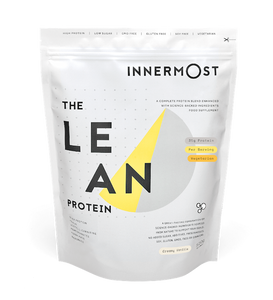
The Lean Protein
Whey protein powder for weight-loss.
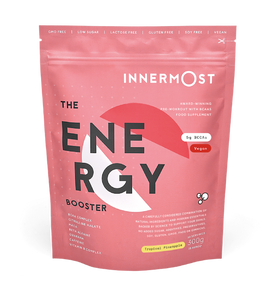
The Energy Booster
Pre/intra-workout powder with BCAAs.

Yolks vs Whites: Who Wins This Nutrition Battle?

15th June 2021

15th June 2021

By Shivraj Bassi


Eggs are one of nature’s best sources of protein and natural nutrients. Versatile, delicious and affordable, eggs can be enjoyed in a number of ways, and are a great way to up the nutrition content of a meal. 

Egg whites have made their way onto many a breakfast menu in the form of an egg-white omelette or (for a slightly more unhealthy option) onto our dessert menus in the form of light, crispy meringues. Yum. If you're looking to consume a whole-food source of protein with few calories, it's pretty hard to beat egg whites.

Whole eggs, on the other hand, contain a considerable range of nutrients that come with the egg yolks, including antioxidant properties, vitamins and amino acids. Whether you eat your whole eggs boiled, poached, scrambled or baked, this food staple contains very few calories, but plenty of benefits.

But, which is better? Innermost investigates. Without further ado, let's put the egg yolk vs egg whites information to the test. 

Are eggs nutritious? 

The short answer? Yes.

The question is, however, how nutritious? And, which part of the egg is better for you? We dive into the ins-and-outs below to find your winner and answer the age old debate once and for all.

How many calories are in egg whites and egg yolks?

Whilst eggs are considered a pretty healthy snack, the amount of calories that you consume depends entirely on the size and prep of the egg - aka, are you tucking into a classic scrambled eggs on toast kind of meal, or adding a couple of boiled eggs to your salad?

If we are considering the number of calories in your average egg, overall, there are around 60-80, depending on the size. Egg whites have next to no calories, whereas an average egg yolk contains around 50 of those.

We have a clear winner here. Next up, protein levels...

How much protein are in egg whites and egg yolks?

You may be surprised: half of all protein found in an egg is actually found in the egg whites. To put this into context, in one average sized egg, you would consume around 6g of protein. Around 3g of that is found in the egg whites themselves. These egg whites, sometimes referred to by the "Albumen", is formed as a protective barrier around the egg yolk - whether this yolk is fertilised or not.

What about protein absorption?

Whole eggs are still a very low-calorie food, despite the fact that they contain more calories from fat than they do from protein. Remember, dietary fats slow protein absorption, allowing it to stay with you for longer.

Whole eggs also have a better amino acid profile to support lean muscle growth. So, if your goal is to get protein quickly into your system, egg whites may be the better option, but at all other times of day, whole eggs are the way to go.

Next time, think twice before you throw away the yolk. Enjoy them instead and your body will thank you for it.

What nutrients are found in egg whites and egg yolks?

In further support of the goodness of the egg yolk, almost all of the nutrients in an egg are found in the yolk - containing vitamins and minerals such:

In addition to this, egg yolks contain compounds that can help with eye, brain and cardiovascular health and also reduce inflammation. Not so intent on throwing away that yolk now, right?

What are the levels of cholesterol found in egg whites and egg yolks?

Similarly to the calorie profile of the egg, it is the humble egg white that comes out on top. Egg yolks contain a far greater cholesterol level.

As egg yolks also contain all the cholesterol of the overall egg, it was thought that cutting them out would be a good thing. But, this seems to have been the wrong thing to do based on recent research, which shows that people who ate three eggs per day for 12 weeks showed no significant increase in their bad cholesterol.

Our bodies produce cholesterol naturally as it’s essential for our cells. When we eat cholesterol, our bodies adjust and produce less to balance out our intake. So, unless you have familial hypercholesterolemia, which is a very rare condition, throwing away the egg yolk in an attempt to reduce our cholesterol levels isn’t the right thing to do.

Summary 

So, are egg whites healthy? Yes. Are egg yolks healthy? Also yes. Whilst egg whites contain less calories, egg yolks carry a huge wealth of nutrients, so please don't avoid them! The truth is, eggs are pretty much one of the healthiest foods you can eat, so incorporate them where you can! Salads, pastas, breakfasts - you name it, we're sure you can incorporate it. 

If you're not a fan of eggs but want to harbour some of these benefits, why not try incorporating The Lean Protein into your daily routine? Packed with energy-boosting benefits and natural flavours, this whey protein is the perfect on-the-go protein source and a great alternative.

References

  • Bilsborough, S., & Mann, N. (2006). A review of issues of dietary protein intake in humans. International journal of sport nutrition and exercise metabolism16(2), 129-152. Click here.
  • Fenton, M., & Sim, J. S. (1991). Determination of egg yolk cholesterol content by on-column capillary gas chromatography. Journal of Chromatography A, 540, 323-329. Click here.

Product Spotlight

Need Expert Advice?

Other Insights

How Do Greens Powders Benefit The Body?
Greens powders and superfood powders have become a big part of the supplement game. They promise a convenient way to support your nutritional intake, especially on days when eating enough fruit or veg feels out of reach. But, what do they actually do for the body? And are they worth including in your routine? In this blog, we’ll break down what greens powders are, what goes into them and the benefits they can offer. We’ll also take a closer look at our new The Greens Blend and how it builds on the typical formula. What are greens powders? Greens powders are concentrated blends of dried and powdered plant-based ingredients. Most combine vegetables, fruits, herbs, algae, and other nutrient-dense foods into a single supplement that can be mixed with water or added to smoothies. They’re designed to make it easier to increase your intake of vitamins, minerals and plant compounds without needing to prepare large quantities of fresh produce.  While they’re not a replacement for whole foods, they can help fill some gaps in your diet. They’re even more useful if you live a particularly busy lifestyle, travel regularly or just struggle to eat with enough variety day to day.  What’s typically inside a greens powder? Most greens powders and superfood powders contain a mix of ingredients that typically cover a few key food groups. Leafy greens and vegetables Ingredients like spinach, kale, broccoli and spirulina are pretty common. These provide essential micronutrients like vitamin C, vitamin K, iron and magnesium. Fruits and plant extracts Berries, apple powder or citrus extracts are also regular features in a lot of greens powders. These contribute antioxidants, which can help protect cells from oxidative stress1. Algae and grasses Spirulina, chlorella and wheatgrass are staples. These are rich in nutrients and have been studied for their potential to support immune function and overall health. Fibre-rich ingredients Some blends include ingredients like inulin or flaxseed to support digestion and gut health. This is an especially important part as only 4% of UK adults get enough fibre in their diets2! Hard to believe, but it’s true. Adaptogens and herbs Some powders add herbs like ashwagandha or green tea extract, which can help support energy levels and resilience to stress3. The exact mix can vary a lot between products, which is why not all greens powders offer the same benefits. The benefits of greens powders When used consistently, greens powders can support several areas of health. Let’s look at what the science says. 1. Supporting nutrient intake One of the main benefits of greens powders is simply helping you get more nutrients into your day in a very easy way.  Many people fall short of the recommended intake of fruits and vegetables, and greens powders can help bridge that gap by providing a concentrated hit of vitamins and minerals. For example, leafy greens are rich in micronutrients linked to overall health and reduced risk of chronic disease, and there are a host of well-documented health benefits associated with eating the right amount of fruit and veg4.  2. Antioxidant support Many superfood powders contain ingredients high in antioxidants, such as polyphenols and carotenoids. These compounds help neutralise free radicals, which can otherwise contribute to cellular damage over time. Research has shown that diets rich in plant antioxidants are associated with better long-term health outcomes5. 3. Gut health and digestion Some greens powders are designed to give your gut a helping hand too, with things like fibre, prebiotics, probiotics or digestive enzymes included. These can play a role in supporting the gut microbiome. A balanced gut microbiome is linked to digestion, immune function and even mood regulation. And probiotics, for example, have been shown to support gut health and improve digestive comfort in certain cases6. 4. Energy and overall wellbeing While greens powders aren’t stimulants, they can support energy indirectly by improving nutrient intake to give your body the fuel it needs. Deficiencies in key vitamins and minerals, such as B vitamins and iron, can contribute to fatigue7. Supporting your intake could be the helping hand you need to maintain more consistent energy levels. Are greens powders enough on their own? Unfortunately not - greens powders are a supplement, not a substitute. They don’t replace the fibre, texture and full nutritional complexity of whole foods. Eating a varied diet with fresh vegetables, fruits, whole grains, and proteins is still the foundation of good nutrition. That said, a well-formulated greens powder can be a very handy addition. It can help you stay consistent, especially on days when your routine is less than ideal. A closer look at Innermost’s The Greens Blend While they all offer their own distinct benefits, not all greens powders are created equally. Some focus on a handful of headline ingredients, while others aim for a more comprehensive approach. Innermost’s newly-released The Greens Blend is designed to go beyond what a standard greens powder offers by combining a wider range of nutrients with targeted digestive support. A broader spectrum of plant ingredients The Greens Blend includes 25 real greens, fibre-rich foods, and plant-based ingredients, offering a wider nutritional profile than many other greens powders.  We didn’t do it to show off, we did it because this diversity matters. Different plants provide different vitamins, minerals, and phytonutrients, so a broader mix can support more areas of health. Added digestive support One of the standout features in The Greens Blend is the inclusion of digestive enzymes, probiotics and prebiotics. These work together to support digestion and nutrient absorption, as well as the balance of the gut microbiome.  This is particularly useful because it’s not just about what you consume that matters, but what your body can actually absorb and use. Comprehensive vitamin and mineral profile The Greens Blend is formulated to provide a full spectrum of essential micronutrients, helping to support daily performance and overall wellbeing.  If you’re looking to support your baseline nutrition without overcomplicating your routine, look no further.  Clean and convenient The formula is made with 100% natural ingredients and contains no artificial colours, fillers or added sugar.  It’s also designed for convenience, with single-serving sachets which can be mixed with water or added to a smoothie. It couldn’t be easier to stay consistent – which is a very important part of adding a greens powder to your routine.  How to get the most from greens powders If you’re considering adding a greens powder to your routine, there’s a few key things to keep in mind: Use it consistently to see the best results Pair it with a balanced diet rather than relying on it alone Choose a greens powder with a broad range of ingredients (like The Greens Blend) Look for added digestive support if gut health is a priority (it probably should be!) Small, consistent actions have the biggest impact. It’s time to go green Greens powders and superfood powders offer a very simple way to support your nutrition, particularly when life gets busy or you just want to ensure you’re giving your body what it needs every day.  They can help increase your intake of key nutrients, support antioxidant defences, and contribute to gut health - depending on the powder you pick. Make sure to do your research on ingredients to pick the one that’s right for you.  They won’t replace a balanced diet, but they can make it easier to stay on track and help you stack wins day after day.  References Birben E, Sahiner UM, Sackesen C, Erzurum S, Kalayci O. Oxidative stress and antioxidant defense. World Allergy Organ J. 2012 Jan;5(1):9-19. doi: 10.1097/WOX.0b013e3182439613. Epub 2012 Jan 13. PMID: 23268465; PMCID: PMC3488923. Click here. Cooper H, UK still failing to meet basic dietary guidelines, The Food Foundation, July 2025. Click here. Ashwagandha: Is it helpful for stress, anxiety, or sleep?, Fact Sheet for Health Professionals, National Institutes of Health, May 2025. Click here. Pem D, Jeewon R. Fruit and Vegetable Intake: Benefits and Progress of Nutrition Education Interventions- Narrative Review Article. Iran J Public Health. 2015 Oct;44(10):1309-21. PMID: 26576343; PMCID: PMC4644575. Click here. Deledda A, Annunziata G, Tenore GC, Palmas V, Manzin A, Velluzzi F. Diet-Derived Antioxidants and Their Role in Inflammation, Obesity and Gut Microbiota Modulation. Antioxidants (Basel). 2021 Apr 29;10(5):708. doi: 10.3390/antiox10050708. PMID: 33946864; PMCID: PMC8146040. Click here. Markowiak P, Śliżewska K. Effects of Probiotics, Prebiotics, and Synbiotics on Human Health. Nutrients. 2017 Sep 15;9(9):1021. doi: 10.3390/nu9091021. PMID: 28914794; PMCID: PMC5622781. Click here. Could a vitamin or mineral deficiency be behind your fatigue?, Harvard Health Publishing, Aug 2015. Click here. Read more
I've Been Taking Creatine Every Day For Six Years
Something happens in March. The people who started strong in January, the ones with the new routine, the new kit, the renewed sense of purpose, are now splitting into two groups. The ones who've lost momentum. And the ones asking sharper questions. Not "what should I take?" but "what actually works?" Creatine keeps coming up. And every time it does, I notice the same pattern: people either swear by it without really understanding why, or they assume it's something bodybuilders use and leave it alone.I've been taking it every single day for six years. So let me tell you what I actually know. Why I started I didn't start taking creatine for the reasons most people assume. I wasn't trying to get bigger. I was training consistently, eating well, and hitting a wall. That frustrating place where effort stops translating into progress. A friend with a sports science background told me creatine was the most researched supplement in existence. More peer-reviewed studies than almost anything else on the market. That got my attention. So I started. And I kept going. What I noticed The first week, nothing dramatic. But over the following three to four weeks, something shifted. I could push a little harder. An extra rep. Slightly more on the bar. Training sessions that didn't end in the usual flat feeling of having nothing left. Those are marginal gains. They don't feel significant in the moment. But they compound. Over months, they're the difference between a plateau and real, measurable progression. The one time I stopped, about two years in, during a stretch of heavy travel where I got lazy about it, I felt the absence more than I expected. Not immediately. But within a few weeks, training felt duller. Less sharp. I put it back in and haven't looked back since. I also noticed something I hadn't anticipated: my thinking felt clearer on the days I trained hard. I assumed it was the exercise. I later learned creatine may have had something to do with that too. What creatine actually does Most people think of creatine as a muscle supplement. That's not quite right. What creatine does is help your body regenerate ATP, adenosine triphosphate, more efficiently. ATP is your cells' primary energy currency. It's what your muscles burn during intense effort. But it's also what your brain runs on. Here's the mechanism: during high-intensity exercise, your body depletes ATP rapidly. Creatine stored in muscle tissue, in the form of phosphocreatine, allows you to replenish that ATP faster. That's why creatine consistently improves performance in short, explosive efforts: weightlifting, sprinting, high-intensity intervals. But the same ATP recycling process happens in the brain. A growing body of research suggests creatine may support cognitive performance, particularly under conditions of stress or sleep deprivation. A 2021 study published in Scientific Reports found meaningful improvements in memory and cognitive function following supplementation. It's not a nootropic in the trending sense of the word. But the evidence is real, and it applies to more people than the gym crowd. The effective dose is well established: 3 to 5 grams per day, taken consistently. No loading phase required. No cycling. Just daily consistency, and that's where most people go wrong. What the industry does instead Creatine monohydrate has been around for decades. That's a problem for brands that need something new to sell. So new formats appear. Creatine HCL. Buffered creatine. Kre-Alkalyn. Creatine ethyl ester. Creatine gummies. Each one marketed as superior: faster absorbing, more bioavailable, easier on the stomach. The evidence doesn't support it. Multiple head-to-head comparisons, including a widely cited review in the Journal of the International Society of Sports Nutrition, found no meaningful performance advantage for alternative creatine forms over monohydrate. In some cases, the alternatives perform worse per gram of active compound. In the case of creatine gummies, several brands including some very large ones have been shown not to contain the creatine concentrations they claim on the label. What you actually want is simple: a clinically relevant dose of creatine monohydrate, taken every day. That's it. What I use The Power Booster is 100% pure creatine monohydrate, nothing added, nothing unnecessary. Five grams per serving, which sits right at the evidence-supported daily dose. It's not complicated because it doesn't need to be. The science on creatine monohydrate is already settled. The job is just to take it consistently. (If you have a friend still on the fence about creatine, forward this their way. It's one of those rare supplements where the evidence is clear enough to just recommend without caveats.) Read more