








icon-account icon-glass

Popular Products

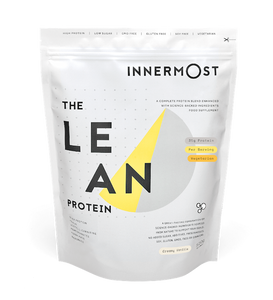
The Lean Protein
Whey protein powder for weight-loss.
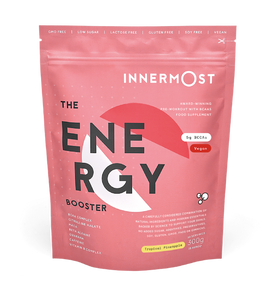
The Energy Booster
Pre/intra-workout powder with BCAAs.

What Do BCAAs Do? What Are The Benefits?

13th December 2021

13th December 2021

By Beth Shelper

Looking for that all-important pre-workout energy? BCAAs are probably about to become your best friends,

BCAAs are an extremely popular supplement – any readers that are frequent gym-goers may well be familiar with these already. If you’re not, not to worry – we’re about to give you the 4-1-1, so you’ll be ready to implement these amino acids into your diet and begin reaping the benefits in no time.

BCAAs, or Branched Chain Amino Acids, are a group of three essential amino acids that are responsible for a number of bodily functions and are a great assistant to maximising your ultimate workout potential. Whilst these three amino acids are essential, they are not naturally occurring, which means our body does not produce these for us. As a result, it’s important that we gain these through external sources.

What are BCAAs, and what do BCAAs do?

The three amino acids that make up the group of BCAAs are:

  • Leucine

Leucine is responsible for multiple processes in the body including protein creation, energy production and assisting in the smooth running of your metabolism.

  • Isoleucine

Isoleucine has a great influence in our psychological functioning and is vital in assisting the immune system and regulating hormones in the body.

  • Valine

A key-player in energy production, Valine stimulates muscle growth and maintenance.

What are the benefits of BCAAs?

  • Maintaining Muscle

Unfortunately, when many embark on their endeavour to lose weight, they are faced with a bit of a catch-twenty-two, as they end up losing a lot of their muscle mass, too.

Branched Chain Amino Acid supplementation is a great way to combat this, as these amino acids provide users with the ability to maintain their muscle match - even when you’re in a calorie deficit! This is because in addition to aiding protein synthesis (aka, the process of protein creation), one of the main benefits of BCAAs is that they also reduce the rate of protein break downs, and therefore, reduce the rate of muscle loss.

Amazing!

  • Promotion of Muscle Mass

Another fantastic benefit of BCAAs is that BCAA supplementation – specifically Leucine, is a great stimulus for protein synthesis, which in turn leads to the promotion of muscle mass. Research has even shown a direct correlation between BCAA supplementation and an increase in muscle mass, particularly in patients with liver deficiencies – suggesting that not only is this supplement a great way to improve your workout and performance, but one that has positive, life-altering effects.

  • Prevents Liver Disease

Similar to the above, it has also been discovered that BCAA ingestion can play a major part in the prevention of liver disease.

  • Enhanced Recovery

This includes the prevention of muscle wasting and a decrease in muscle soreness, making BCAA supplements particularly popular. With a reduction in recovery time and reduced symptoms of exertion, you’re able to get back in the gym or on the track faster, and limit your risk of injury.

  • Assists Your Immune System

Research has shown that amino acids have a great influence on our immune system as a result of their pivotal role in our body’s cell functioning.

Which foods are rich in BCAAs?

Great news – lots of foods that will fit in easily with a range of diets, whether you’re a meat eater, a vegan or have a certain intolerance. We’ve rounded up a few food products below, but generally, foods high in BCAAs are protein rich.

  • Meats

Meats such as beef, chicken and turkey all contain BCAAs, so good news for all the meat-lovers out there.

  • Protein Supplements

 Whey Protein and Soy Proteins regularly contain BCAAs – and this is likely where you will have heard of these essential amino acids before.

  • Fish

Tuna and Salmon are great examples, and with them bring a host of other benefits such as their high Omega-3 content, and vitamins such as D and B2.

  • Dairy

As well as being a great source of calcium, dairy ingredients such as eggs, greek yoghurt and parmesan cheese contain levels of BCAAs.

Summary

So, are BCAAs worth it? We think the answer is pretty clear.

It’s not hard to see why BCAAs are some of the most popular supplements in the game when you consider their wealth of benefits. Typically, products rich in BCAA contain a 2:1:1 ratio of the three BCAAs: Leucine: Isoleucine: Valine.

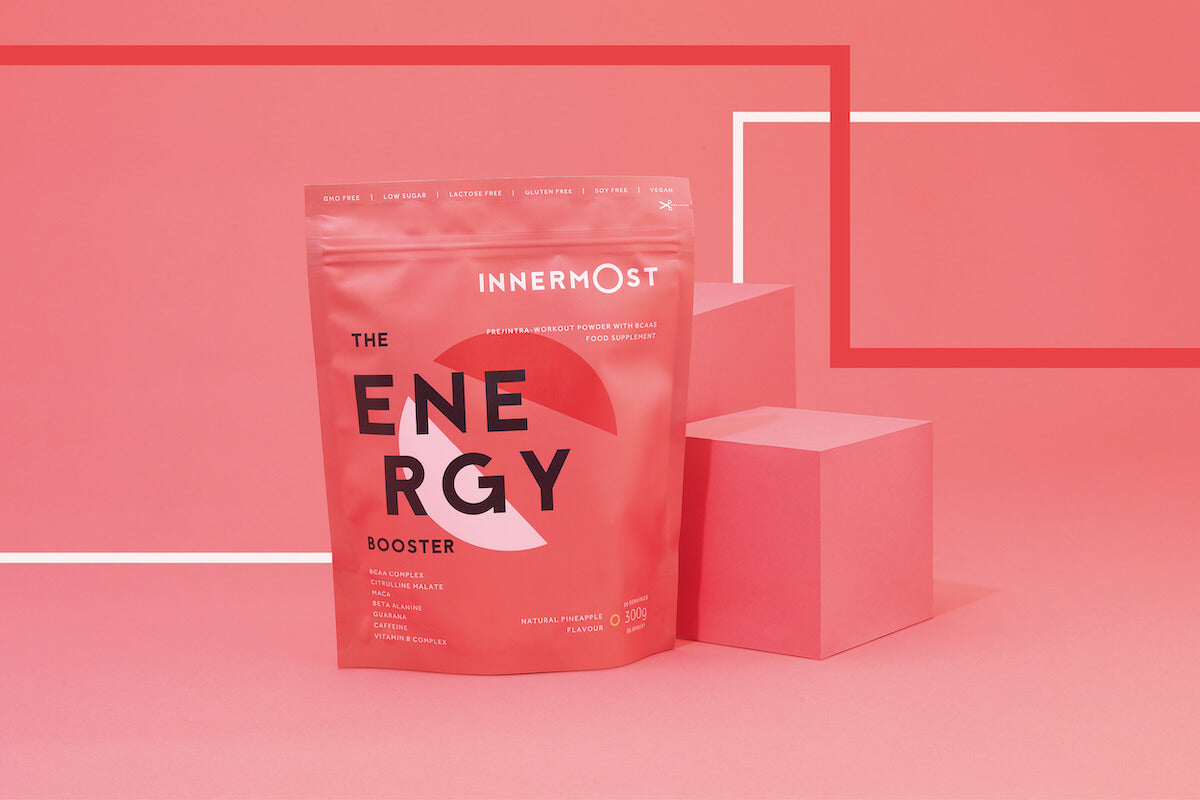
If you’re not sure where to look when it comes to BCAA supplements, The Energy Booster contains these amino acids and comes in a delicious, fresh pineapple flavour. This is ideal to take as a pre-workout solution for those of you that exercise regularly, or even as a daily energy-booster if you’re just looking to put an extra spring in your step.

References

Uojima, H., Sakurai, S., Hidaka, H., Kinbara, T., Sung, J. H., Ichita, C., ... & Kobayashi, S. (2017). Effect of branched-chain amino acid supplements on muscle strength and muscle mass in patients with liver cirrhosis. European journal of gastroenterology & hepatology, 29(12), 1402-1407. Click here.

Protein Synthesis - An Overview | ScienceDirect Topics. (2021). Retrieved 20 April 2021. Click here.

Holecek, M. (2010). Three targets of branched-chain amino acid supplementation in the treatment of liver disease. Nutrition, 26(5), 482-490. Click here.

Wilson, R. P. (2003). Amino acids and proteins. In Fish nutrition (pp. 143-179). Academic press. Click here.

Product Spotlight

Need Expert Advice?

Other Insights

Magnesium for Sleep: Here's What You Need to Know
  Sleep is one of the most important parts of the day. Feeling well, training well and moving through the day with enough energy to actually enjoy it, all rely on a good night’s sleep. Yet for many of us, it is also one of the first things to suffer when life gets busy. Late nights. Early starts. Stress. Screens. Training sessions squeezed into already full days. A mind that seems to become suddenly very active the moment your head hits the pillow. It is no surprise, then, that magnesium has become one of the most talked-about supplements for sleep. It is often linked with relaxation, recovery and the ability to switch off at night. But as with most things in wellness, the real answer is a little more nuanced than “take this and sleep better”. So, does research suggest that magnesium helps with sleep? And how do you know whether it is right for you? Let’s take a closer look. Key takeaways Magnesium supports several normal processes linked with rest, including muscle function, nervous system function and energy metabolism. Magnesium may help some people sleep better, particularly where poor sleep is connected to stress, low magnesium intake, muscle tension or poor recovery. Food should always be the foundation, but magnesium supplements can help support a consistent intake when busy lifestyles, training and irregular meals get in the way. Magnesium works best as part of a broader evening routine, alongside sensible caffeine timing, reduced evening stimulation, good nutrition and proper recovery. What is magnesium and why is it linked to sleep Magnesium is an essential mineral found in food, water and supplements that is involved in over 300 bodily processes. It acts as a mandatory helper molecule (coenzyme) for your cells. Some of the key biological functions of magnesium include: Supports energy production by helping the body convert food into usable cellular energy. Contributes to normal muscle function, including the balance between muscle contraction and relaxation. Supports normal nervous system function by helping regulate nerve signalling and neurotransmitter activity. Contributes to normal bone structure, with a significant proportion of the body’s magnesium stored in bone. Supports normal glucose metabolism, with magnesium involved in blood glucose control and insulin-related processes. While by no means an exhaustive list, this gives a wider sense of how widely it is used throughout the body. Magnesium’s connection with sleep comes from the way it supports systems involved in relaxation and recovery. As highlighted, magnesium helps regulate nerve signalling and muscle contraction, which is one reason it is often associated with calmness, reduced tension and post-training recovery. It is also commonly discussed in relation to GABA (or gamma-aminobutyric acid), a neurotransmitter involved in calming nervous system activity. While the relationship between magnesium and sleep is still being studied, the general theory is that healthy magnesium levels may help the body and brain shift away from a heightened, alert state and towards a more relaxed one. This matters because good sleep rarely begins the moment you get into bed. It starts earlier, as your body and mind begin to downshift. For active, busy people, this can be one of the hardest parts of the day. If your evening routine looks like finishing work, replying to messages, doing a late workout, eating quickly and then expecting your brain to instantly power down, you are asking a lot from your body. Magnesium may support the relaxation side of that process, but it works best when the rest of your routine is helping too. Does magnesium help you sleep? Magnesium may help some people sleep better, but it is not a guaranteed solution for everyone. Its value sits more in supporting the body’s normal relaxation and recovery processes than acting like a direct sleep aid. A 2021 systematic review and meta-analysis published in BMC Complementary Medicine and Therapies looked at oral magnesium supplementation for insomnia in older adults. It found that magnesium may help reduce the time it takes to fall asleep. While the results were promising, the sample size was limited. Magnesium is most likely to be helpful when poor sleep is linked to factors such as low magnesium intake, stress, muscle tension, a busy nervous system or poor recovery. Someone who trains several times a week, works long days and struggles to wind down at night may find it more beneficial for sleep specifically than someone whose sleep issue is caused by an untreated medical condition, severe anxiety, chronic insomnia or an inconsistent sleep schedule. It is also worth remembering that “better sleep” can mean different things to different people. Some people want to fall asleep faster. Others wake up during the night. Some sleep for eight hours but still wake feeling flat.  Magnesium is usually discussed in relation to relaxation and sleep onset, rather than acting as a powerful sleep aid that forces deeper or longer sleep. A helpful way to think about it is this: magnesium supports the conditions that may make good sleep more likely. It does not replace the foundations of sleep itself (many of which we have discussed before). Can You Get Magnesium from Food? Yes, and this is a good place to start. Magnesium is found in a range of everyday foods, including: leafy green vegetables, nuts, seeds, legumes, wholegrains and dark chocolate. Pumpkin seeds, almonds, spinach, black beans and wholegrain products are all useful sources. Food Why it helps Pumpkin seeds Naturally rich in magnesium and easy to add to meals or snacks Almonds and cashews Useful sources of magnesium, healthy fats and plant-based protein Spinach and leafy greens Provide magnesium alongside fibre and other micronutrients Black beans and lentils Support magnesium intake while also adding fibre and slow-release carbohydrates Wholegrains A practical everyday source of magnesium and sustained energy Dark chocolate Contains magnesium, although best enjoyed as part of a balanced diet   A food-first approach also supports the bigger picture. Your body does not experience nutrients in isolation. A diet rich in magnesium-containing foods is often also higher in fibre, plant compounds and other micronutrients that support overall wellbeing. That said, busy lives do not always make consistent nutrition easy. Active people may also pay closer attention to magnesium because of its role in muscle function, energy metabolism and recovery. If you train regularly, sweat heavily, experience muscle tension or find yourself relying on convenience meals during busy weeks, your magnesium intake may be worth looking at. This is where effective supplementation can help, especially when it forms part of a wider routine rather than replacing a balanced diet. Where magnesium supplements can help Food should always be the foundation, but supplements can make magnesium intake easier to manage when life is busy. Rather than trying to rebuild your diet overnight, the right supplement can help you add consistent support around the routines you already have: morning training, post-workout recovery, evening wind-downs, or busy workdays where meals are not always as balanced as you would like. With Innermost, magnesium is included as part of wider, goal-led formulations rather than as a standalone quick fix. The Fit Protein contains 250mg of magnesium per serving, alongside vegan protein, maca, rhodiola root, cocomineral and Pink Himalayan sea salt, making it well suited to active lifestyles where performance, energy and recovery all matter. The Strong Protein contains 200mg of magnesium per serving, alongside protein, casein, creatine monohydrate, Montmorency cherries and bilberries. This makes magnesium part of a broader strength and recovery blend, supporting people who train regularly and want their nutrition to work harder around their goals. For evening recovery, The Recover Capsules are another good supplementation option, with magnesium included as part of a wider recovery-focused formula. This makes them a natural fit for people who want to support recovery at the end of the day, particularly when sleep, training and overall performance are closely connected. When should you take magnesium for sleep? Magnesium works best when it becomes part of a routine you can actually stick to. Because magnesium supports relaxation and recovery rather than acting as a sedative, timing does not need to be overly complicated. The most effective approach is usually the one you can repeat consistently. For many people, magnesium fits naturally into the evening. That might mean taking it with dinner, after training, or as part of a wider wind-down routine before bed. The aim is not to wait until you feel wired and then expect magnesium to force sleep. It is to give your body steady support at the point in the day when you want to start slowing down. This is particularly relevant if your days are busy or training-focused. When your body has been under physical or mental demand, sleep is part of the recovery process. Magnesium can support that bigger picture by contributing to normal muscle function, nervous system function and energy metabolism. Final thoughts: magnesium, sleep and recovery Magnesium has earned its place in the sleep conversation, but it deserves to be understood properly. It is an essential mineral with important roles in muscle function, nervous system function and recovery. For some people, particularly those who are active, stressed, low in magnesium-rich foods or struggling to wind down at night, supplementation may be a useful addition to an evening routine. The key is to keep expectations realistic. Magnesium is not a shortcut to perfect sleep. It is a supportive tool that works best alongside consistent habits: sensible caffeine timing, less evening stimulation, good nutrition, proper recovery and a calm bedtime routine. For Innermost, the bigger point is that form matters, but formulation matters too. Magnesium works best when it fits into a wider routine. That might mean supporting your intake through a recovery-focused product, taking supplements with food, and using them consistently rather than expecting an instant effect. References  Magnesium. National Institute for Health Professionals. Click here. Jewett, E., Sharma, S (2023). Physiology, GABA. National Library of Medicine. Click here. Mah, J., Pitre, T (2021).Oral magnesium supplementation for insomnia in older adults: a Systematic Review & Meta-Analysis. BMC Complementary Medicine and Therapies. Click here. Read more
What Makes a Healthy Protein Powder?
Protein powder has come a long way from the oversized tubs once reserved for bodybuilders and gym changing rooms. Today, it sits much more comfortably within everyday wellness routines, whether that means a post-workout shake, a quick breakfast smoothie, a protein boost between meetings or something to support recovery after a long day. That shift is a good thing. Protein plays a key role in how your body repairs, maintains muscle, and adapts to exercise. Yet, with so many options available, choosing a healthy protein powder can feel more complicated than it needs to. A healthy protein powder should do more than help you hit a macro target. Some formulas lead with protein content. Others focus on flavour, functional ingredients, plant-based credentials, or weight management. On the surface, they can all look quite similar. Once you look a little closer, the differences become much clearer. So what makes a healthy protein powder? Let’s get into it. What does “healthy protein powder” actually mean? A healthy protein powder should help you support your nutrition in a way that feels simple, useful and sustainable. At its core, that means providing a meaningful amount of protein from a quality source. Protein is made up of amino acids, which the body uses to repair and maintain tissue. For anyone training regularly, eating enough protein is particularly important because exercise increases the demand for repair and recovery. Research from the International Society of Sports Nutrition suggests that people who exercise regularly may benefit from a daily protein intake of around 1.4 to 2.0g per kg of body weight, depending on their training and goals. Protein supplements can be a practical way to help meet that intake, especially when meals are rushed or appetite varies. That said, protein powder works best as part of a wider diet. That’s where the idea of “healthy” becomes more useful. It’s not only about the amount of protein in the scoop, but also about whether the formula supports your body, your goal and the way you actually live day to day. What makes a healthy protein powder? So, what actually makes up a healthy protein powder? Protein source quality The protein source is one of the first things to look at. Different proteins digest at different speeds and provide different amino acid profiles. Some contain all nine essential amino acids, while others work best when blended with complementary sources. Whey protein Whey protein is one of the most widely used options in sports nutrition. It is a complete protein, naturally rich in essential amino acids, and is often used around training because it is convenient and easy to incorporate into a routine. Casein protein Casein is also derived from milk but behaves differently. It digests more slowly, which can make it useful when you want a steadier release of amino acids over a longer period. Plant protein Plant-based proteins can also be effective when formulated properly. Pea protein and brown rice protein, for example, are often combined because their amino acid profiles complement each other. This kind of blending helps create a more complete plant-based protein option. So, rather than asking whether one protein type is always better than another, it helps to ask a more practical question: does this protein source suit your diet, your body and your goal? For some people, that will be whey. For others, it will be plant-based. The important part is choosing a protein powder that suits your body, your diet and your goals. Look beyond the protein number It’s easy to compare protein powders by the number on the label. A higher protein content can be useful, especially for those training hard or trying to increase daily intake. But that number alone does not tell you whether a product is well-formulated. A good protein powder needs balance. The serving should provide enough protein to be worthwhile, but the rest of the formula deserves attention too. For instance: What else has been included? Is there a clear reason for each ingredient? Are there unnecessary fillers or bulking agents? Does it contain a high amount of sugar? Does it taste good enough to use more than once? Match your protein powder to your goal The best protein powder for you depends on what you want it to support. Some are built as basic macro tools. Others are designed to support a more specific outcome, such as strength, lean body composition, recovery or general wellbeing. That distinction matters because people use protein powder for different reasons. This is where goal-led formulation becomes important. Rather than treating protein as a single category, a more considered approach recognises that different people need different things from their supplements. Strength and muscle support If your focus is strength, muscle repair or performance, protein quality is important. This is because protein helps provide the amino acids needed to support repair and adaptation after a strength workout. Over time, this supports strength training progress, particularly when paired with enough energy, recovery and sleep. For a strength-focused protein powder, it makes sense to look for a high-quality complete protein source, along with ingredients that support performance or recovery. This is the thinking behind The Strong Protein. It combines whey protein and casein with ingredients such as creatine monohydrate, magnesium, Montmorency cherries and bilberries to create a formula for people who want their protein powder to support training, not simply increase protein intake. Lean body composition For those focused on body composition, a healthy protein powder can be a useful tool within a balanced diet. Protein supports muscle maintenance, which is particularly important when someone is trying to reduce body fat, manage calorie intake, or train consistently while staying lean. A well-formulated protein powder can also make it easier to add protein to meals or snacks without needing to overcomplicate the rest of the day. The healthiest option here is not necessarily the lowest-calorie product or the one with the most aggressive “diet” messaging. It should provide a strong serving of protein, support satiety, avoid unnecessary fillers, and fit easily into a routine that still prioritises whole foods. The Lean Protein reflects this kind of approach. Alongside protein, it includes ingredients such as inulin, acetyl L-carnitine, pomegranate, yerba mate and bilberries. The result is a formula built around lean body composition, satiety and daily consistency Everyday wellness Not every protein powder needs to be tied to a gym-based goal to be healthy. For many people, a healthy protein powder is simply a way to make everyday nutrition feel more consistent. It might help make breakfast more balanced, support recovery after Pilates or running, or provide a convenient protein boost on days when meals are rushed. A good everyday protein powder should provide a quality protein source, be easy to digest, taste good, and sit comfortably alongside a varied diet. If it is plant-based, it should also be carefully formulated so the protein sources work well together. The Health Protein is designed with this broader approach in mind. It uses a vegan blend of pea and brown rice protein, alongside ingredients such as glutamine, mushrooms and berries. Rather than being purely performance-led, it gives people a simple way to add protein into their day while supporting a more rounded wellness routine. Check what is not in the formula A healthy protein powder should be as much about what has been left out as what has been added. Unnecessary fillers, artificial colours, excessive sugar and vague marketing claims can all make a product feel less trustworthy. That does not mean every ingredient needs to be stripped back to the point where the product becomes joyless. Taste, texture and mixability all matter. But every ingredient should have a reason for being there. Look for transparency in your choice of protein powder brand: Can you understand the active ingredients? Does the product explain what they are there to support? Are the claims realistic? Does the formula match the goal it is being sold for? This is where clean formulation is important. A healthy protein powder should feel premium because it has been formulated with a science-backed approach, not because the packaging says it is. Taste is more important than people think Taste can feel like the less serious part of choosing a protein powder, but in practice, it has a big impact.A protein powder only supports your routine if you actually want to use it. If it tastes chalky, overly sweet or difficult to get through, it is much less likely to become something you use consistently.This matters because consistency is where nutrition starts to make a difference. A good-tasting protein powder is easier to use after training, blend into smoothies, mix into oats or keep on hand for busy days. Functional ingredients can add value Taste should still be the foundation of any healthy protein powder, but the right functional ingredients can give a formula more purpose, especially when it is designed around a specific goal such as strength, recovery, body composition or everyday wellbeing. A longer ingredient list does not automatically mean a better product. Each ingredient should have a clear role. Creatine, for example, makes sense in a strength-focused protein powder. Fibre can support satiety in a lean body composition formula, while magnesium may suit a recovery-led routine. Plant extracts, berries and mushroom ingredients can also fit well within a broader wellness blend when included with purpose.  A healthy protein powder should fit into your lifestyle The most useful supplements are usually the ones that fit neatly into what you are already doing. A healthy protein powder should work around your day. After a workout. In a morning smoothie. Mixed into oats. Taken between meetings. Packed for travel. Used when you know dinner will be later than planned. These moments might sound small, but they are often where consistency is built. Most people are not trying to follow a perfect nutrition plan every day. Work gets busy. Training moves around. Meals vary. Recovery sometimes takes a back seat. A good protein powder gives you a simple way to support your routine when things are not perfectly structured. This is also why it should not feel overly complicated. You shouldn’t need to rebuild your entire diet around it and it should sit alongside real food, supporting the gaps that naturally appear in a busy, active life. What makes Innermost protein powders different? Innermost takes a more considered approach to protein. Rather than creating one generic formula and expecting it to suit everyone, the range is built around different goals. That makes it easier to choose a product based on what you want support with, whether that is strength, lean body composition or everyday wellness. There is also a science backed focus on formulation quality. Our protein sources are chosen with purpose, the active ingredients included for a reason and each product avoids unnecessary fillers and bulking agents. The flavours are designed to feel enjoyable, not like something you tolerate because it happens to be good for you. A healthy protein powder should feel effective, but it should also feel easy to come back to. It should support how you train, recover, work and live. It should make your routine feel more consistent without adding another layer of complexity. That is where Innermost feels different from more traditional protein brands. The products sit closer to modern wellness than old-school gym nutrition, while still being grounded in performance and science. Final thoughts Healthy protein powder comes down to quality, purpose and consistency. The protein source should be strong, the formula should make sense and the ingredients should be clear. The taste should make you want to use it again and most importantly, it should support your wider routine rather than trying to replace it. Used alongside a balanced diet, protein powder can be a simple way to support training, recovery, body composition and everyday wellbeing. For those looking for a more considered option, Innermost’s protein range is built around exactly that approach. Goal-led formulas, clean ingredients, strong taste and science-backed support, designed to fit into real life. Explore Innermost’s protein powders to find the formula that best fits your goals, routine and lifestyle. Read more