










A 5km run, often simply known as a ‘5k’ is one of the most popular distances in running and a common first target for those just starting out in the sport. It’s the perfect balance of achievable and challenging, and 5k run events take place year-round all over the world. But what is the average time to run 5k, and how can you improve your pace? Today, we’ll be going over all things 5k, including average times by age, how many calories you can expect to burn while running one, how to fuel your training and how to improve so you run faster and more safely.
What is 5km in miles?
Firstly, let’s consider what running a 5k actually entails. Many of us work in miles and are still more familiar with the imperial system than the metric, so 5km can seem like a random figure. We also tend to pace ourselves in minutes per mile whilst running and it helps to know the conversion. Well, there are around 1.6km to a mile, so 5km equates to about 3.1 miles.
That doesn’t seem like a lot, does it?
Surely a walk into town and back would be less. Well, perhaps, but according to The US Centers for Disease Control and Prevention’s Physical Activity Guidelines for Americans documentation, the average person walks at a pace of between 2.5 and 4 miles per hour. If we take an average of 3mph, that means it would take you just over an hour to walk the distance if we consider a 5km run in miles. Suddenly, that distance seems a bit greater, right?
However, we’re talking about running today, so let’s move on to look at how long you should expect to take to run 5k.
The average 5k run time
The average time to run 5k depends on quite a few factors, including your age, gender, fitness level and running experience. The information in the table below is taken from the International Association of Athletics Federations (IAAF) extensive database, which collates times from all over the world and from runners of all ability levels. It displays the average 5k run time by gender and age from more than 70,000 events that have taken place over the last 50 years.
|
Age Group |
Men |
Women |
|
0-20 |
32:30 |
40:00 |
|
20-29 |
33:45 |
39:45 |
|
30-39 |
34:50 |
40:50 |
|
40-49 |
35:00 |
42:30 |
|
50-59 |
36:40 |
45:25 |
|
60-69 |
40:50 |
49:10 |
|
70+ |
45:00 |
53:20 |
The average pace per mile for a 5k run is 11:22 for men, and 13:21 for women, which means, across all ages and ability levels, the average 5k run time is 35:20 for men and 41:30 for women.
Running ability level
Running percentiles
The tables below show the percentiles, split by gender, of runners and their 5k times.


Source: Runner’s World
Beginner
Beginner runners are those just starting out and have little to no prior experience. They may have some other training or fitness experience, but this would be minimal. As a male with no running ability, you could expect to finish a 5k between 40 and 46 minutes. Females should aim for between 46 and 53 minutes.
Intermediate
An intermediate runner has been running for a good period and may even already have some race experience. It is likely that they have established a good base fitness level, both with running and other cardiovascular activities. Intermediate athletes commonly engage in other types of training as well, such as a strength or resistance-based programme or sports. The intermediate level is the widest of the 3, with the biggest spread of times. For males, an intermediate 5k time would be anywhere between 25 and 40 minutes. For females, it’s between 28 and 42 minutes.
Advanced
Advanced runners tend to have several years of running experience behind them and are likely to have competed in several races before. They may have other fitness interests, but advanced runners, especially those at the top level, tend to focus on running first and foremost, tailoring their training towards finishing in the fastest times.
To be in the top 10% of male runners, you’d need to be able to run a 5k in around 23 minutes. To hit the top 1%, that goes down to an incredible 17 minutes 30 seconds! It’s a similar story for females, with the top 10% achieving a time of around 28 minutes and the top 1% hitting 21 minutes 39 seconds.
How many calories does a 5k run burn?
Like so many of the other things discussed in this article, this is dependent on several factors. With calories burnt, the main ones are your age, gender and bodyweight, as well as your lean body mass. These all affect your base metabolic rate (BMR) and the amount of calories you burn during physical activity.
That said, the average person will burn between 400 and 500 calories by doing a 5k run. Do remember though that this is just a ballpark figure, and your calories burnt may vary.
Any fitness trackers you may be using such as an app or watch may also differ from this figure. They have gotten more accurate as technology has developed, but the numbers are never exact!
Training for a 5k
This is probably the part you’ve all been waiting for, so let’s get right to it!
How do you train for a 5k run? There are a number of different methods, and to some extent you need to find what works for you, but there are also several things to strongly consider adding to any 5k run training programme:
Running
Let’s state the obvious… To get better at running, you need to run! If you’re a beginner, you don’t need to start out running long distances straight away, or even running the whole way. If you struggle to keep up a run, you could even try interspersing periods of running with walking. For example, if you’re running along a road with streetlights, try running between 2 lights and then walking between the next 2. As you run more, try to increase the time you’re running versus the time you’re walking. Before long, you’ll be able to keep pace for the entire distance and then begin extending it!
Running also comes in many forms, and it’s a good idea to incorporate a few of them into your training. There are 8 main types:
Base runs
Base runs tend to be short to moderate in length and should be attempted at your natural pace. This shouldn’t be too challenging but should be done frequently. Frequent base runs compound over time, resulting in increases to your aerobic capacity and running efficiency whilst allowing you to work on your technique. These should make up the majority of your weekly running mileage.
Long runs
The definition of a long run is very much dependent on your current endurance level. A beginner’s long run may be an intermediate level base run, for example. That said, a long run should be a sufficient distance to leave you fatigued and it should challenge the limits of your endurance. The main way to progress a long run is, of course, by increasing the distance, but you could also aim to increase the pace you complete the run at or even mix things up by adding intervals.
Recovery runs
The importance of recovery runs can’t be overstated. They allow you to add mileage to your weekly total whilst reducing the risk of injury or reduced performance from being over-fatigued. A recovery run is a shorter distance run at an easy pace that should feel relatively comfortable throughout. Recovery runs are best placed as the next run after a hard training session in your programme. They’ll help you to keep progressing without further fatigue, and by increasing your blood flow you will even aid in your recovery!]
Tempo runs
Also known as a threshold run, tempo runs should be carried out at a sufficiently challenging pace and last for a relatively prolonged period. For less experienced runners this could be around 20 minutes, but advanced athletes should be aiming to push for up to an hour. The name ‘Threshold Run’ comes from the purpose, which is to run at your lactate threshold, or the maximum pace that you can sustain for the aforementioned time periods dependent on your experience level. The aim of the tempo run is twofold: to increase the pace you can run at and to increase the time for which you can sustain that pace. They should include both a warmup and cool down period, with the higher effort portion of the run in the middle.
Progression runs
Progression runs begin at a runner’s natural pace and include a faster segment at the end. The length of this is dependent on your experience level, but this type of run should be fairly challenging. In terms of difficulty and fatigue levels, it should sit somewhere between a base run and a threshold or interval run.
Interval runs
Interval runs are a form of High Intensity Interval Training (HIIT). They incorporate short periods of fast running broken up by periods of lower effort activity. This could be jogging at recovery pace or, for less experienced runners, even a standing rest. Intervals are a great way to get more fast running into your training without completely exhausting yourself and HIIT in general is a highly effective way to improve your overall fitness levels.
Fartlek
Fartlek is a Swedish term meaning ‘speed play’ and is a form of interval running. In practise, this involves a run that incorporates of higher intensity running that vary in speed, duration and distance. The continuous variation makes for a great way to get your body used to running at a range of different intensity levels and Fartlek has consistently proven to be effective at improving both efficiency and pace. These runs can be placed anywhere throughout a training programme and are a fantastic way to mix things up with an alternative to more traditional methods.
Hill repeats
Hill repeats are repeated, short periods of hard running on an uphill incline. They have a myriad of benefits, including improving aerobic power and running strength, fatigue resistance at high intensity, and the part of running we all want to shy away from: pain tolerance!
There’s no question that running at high intensity for an extended period can be quite uncomfortable, and adding hill repeats to your training will help develop your ability to tolerate pain from the exertion of running and your ability to process and clear lactic acid from your muscles. It’s this that causes the burning sensation you’ll often experience when pushing yourself, so hill training really can be invaluable! It’s also a relatively safe way to start introducing higher-intensity workouts into your training.
As you can see, running comes in many forms over a variety of intensities and distances! By introducing a variety of different running types into your training, you give yourself the best chance to improve your pace, technique and overall fitness. This means your 5k time will improve, but so too will your quality of life.
An effective running programme should also include other types of training too. This helps reduce the risk of injury from constantly subjecting your leg muscles and joints to the high impact nature of running, but also keeps varied which will mean you’re more likely to adhere to the programme. These could include:
Other cardiovascular activity
Running isn’t the only way to improve your aerobic capacity. There are many forms of cardio and they all have their own benefits. Try a few out and see what works best for you! From lower impact activities like cycling, either on the road or on a stationary bike, and swimming to higher intensity options such as rowing, there’s plenty of different cardio types to choose from. For runners, a lower impact activity like cycling is a great choice, because this reduces the amount of strain being placed on your joints over a sustained period.
Resistance training
Resistance training can come in a variety of forms and can be done both at home and in the gym. As a general rule, resistance training means moving a part of your body against something resisting that movement, usually in the form of a weight (hence why it’s often called weight training). Bodyweight movements are excellent too and make for a great introduction to this type of training.
For runners, lower body strength is paramount, and this should be the focus, but ensuring your upper body gets a workout too means you’ll continue to develop at a good pace and won’t be held up by lagging body parts. What’s more, this will decrease your risk of injury overall by keeping your whole body strong. Examples exercises that are of particular benefit to runners include squats, lunges and deadlifts. Add these to your training for a fun way to mix things up and reap the benefits in the form of increased pace on the road!
Sports
Sports, whether played solo or as a team, are a fun way to develop your fitness and get comfortable in a competitive environment. Running has synergy with most sports and the two both benefit each other greatly. Many runners also play a sport such as football or rugby and find that their fitness levels are that much better as a result. There’s also a great community spirit, so why not join a local club and get involved?
Foods to incorporate into your diet
When it comes to any form of fitness, training is only part of the equation. Your diet and nutrition are crucial, and knowing how to eat and when will not only allow you to get the most out of your training, it’ll maximise your performance on race day. We’ll give you a few tips on what your diet should include and then provide some advice for the day of your 5k run.
Lean protein
Protein is one of the 3 macronutrients and is responsible for the repair of muscles after training, as well as the growth of new muscle tissue. It helps in the production of red blood cells and aids in injury prevention. Ensuring an adequate supply of protein is important for anyone pursuing a fitness regimen, regardless of discipline. Good sources of protein include fish, poultry and red meat. For vegetarians, tofu, beans, lentils and other pulses make for great choices. Eggs are also a fantastic source of protein, and are in fact the most bioavailable protein available.
Healthy fats
Fat is often demonised but is in fact vital for our survival. It provides an emergency energy store for the body when the food you’ve taken in doesn’t provide enough energy to sustain you, and even protects your vital organs from damage! Fat is a slower releasing energy source than carbohydrates, making it great for sustaining you over longer distances. Examples of healthy fats include olive oil, nuts and avocados.
Carbohydrates
Carbohydrates are the body’s main energy source, so it’s important to make sure you fuel yourself with an adequate amount before any workout! There are many diets which involve the manipulation of carbohydrate timing and amounts, but for the average person ensuring a consistent, regular supply of them in your meals will give you more stable energy levels and allow you to perform better.
Ideally, you want these to be complex carbohydrates, or ones that are broken down slowly and consistently over time for energy. However, simple carbohydrates are great after a run to quickly replenish your energy stores. For complex carbohydrates, look to things such as rice and oats, or even wholegrain bread and pasta. On the simple side, a popular pre and post workout snack is a small helping of sweets (which has the added benefit of satisfying any cravings) or even a powdered supplement such as dextrose.
Another note on carbs: they are stored in your body as glycogen, which is then utilised as fuel. Once the body’s glycogen stores are depleted, it will begin to look for energy from other sources, including stored body fat but in some cases lean tissue. The latter is something we want to avoid, so make sure you keep your glycogen topped up before a long run! As a rough guide, it takes about 500g of carbohydrates to completely replenish your body, and this should last between 60 and 90 minutes of running.
Other foods
Trying to eat whole and unprocessed foods is good advice for anyone, but especially for runners. As well as the above, eating lot of fruit and vegetables is a great choice. Dark green and leafy vegetables are filled with antioxidants and will aid in both your recovery and ongoing health, whereas fruits are filled with vitamins and minerals. For any gaps, consider a few high-quality supplements to help top up your intake (more on this below!)
What to eat before, during and after a 5k
Now that race day has arrived, knowing what to eat can make all the difference between an enjoyable race and a great time or a real struggle. Planning ahead is always beneficial and will remove any stress, so here’s our recommendations for what to eat before, during and after your 5k run:
Before
A couple of hours before the run, try to eat a meal with a good amount of protein and lots of carbs in. A simple meal of chicken and rice will suffice. This gives your body enough time to digest the food and clear your stomach before running, so you won’t feel heavy or bloated during the race. A small piece of fruit an hour before may also help. Bananas are an especially good, carbohydrate rich choice!
During
During your run keeping your energy levels topped up should be your main priority. As a 5k is a relatively short distance, it may be that you don’t need to eat anything, but if you do need to then it should be carbohydrates. Many runners find that carbohydrates gels and tablets are great for this purpose: they’re lightweight and easy to carry and won’t bloat you or make you feel weighed down once you’ve consumed them. It also goes without saying that remaining hydrated is crucial, so be sure to drink some water!
After
After you’ve finished your 5k, you’ll want to focus on replenishing your body’s energy stores to replace what’s been used, as well as hydrating and fuelling yourself with the right nutrients to begin the recovery process. It’s best not to eat a heavy meal right after as you might end up with indigestion issues, though something more substantial a few hours post run is a great way to refuel.
For right after, drink lots of water, get a moderate amount of protein and consume some carbohydrates. You have a few options available here; we’d recommend a protein shake and some fruit; it’ll digest easily and provide everything you need. Another popular choice is chocolate milk. This has the ideal ratio of carbs to protein, along with a little sugar for a fast burst of energy when you need it the most.
Hydration
Hydration is such an important part of not only running, but fitness and life as a whole. So much so that we feel it deserves its own section! Did you know that the human body is made up of around 60% water? It’s part of our skin, muscles, organs and is the main constituent of most of our vital fluids. That alone should be motivation enough to drink more of it!
In terms of how much water to drink, that depends on the person. What is clear is that most of us aren’t drinking enough. In fact, research shows around only 1 in 4 of us are getting an adequate amount each day. The average person should aim to drink at least 2 litres of water per day (that’s around 8 standard sized glasses), though athletes and those undertaking intense physical activity will need a lot more.
Supplementation
Undertaking a fitness regime can be very physically demanding, and training to run a 5k is no different. While you should always aim to get the majority of your calories and nutrients from whole, unprocessed foods, investing in a few high quality supplements can make all the difference. Consider the following:
Protein powder
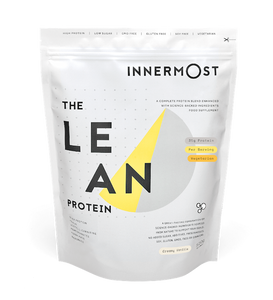
As one of the 3 core macronutrients, protein is vital for many processes in your body. It builds new repairs existing muscle tissue. A high-quality protein powder can help top up your protein intake, especially if you don’t have a big appetite. It also makes for a tasty snack and can ease cravings. For runners, we recommend our own Fit Protein, which not only contains high-quality protein with a complete amino acid profile, it contains researched backed ingredients designed to give you extra energy and help you push harder.
Multivitamins
Whilst a healthy, complete diet will get you a plentiful supply of vitamins and minerals, the demands of exercise can mean it helps to top those up. Investing in a decent multivitamin means you’ll always have the right micronutrients to maintain a fit, healthy body.
Nootropics and recovery agents
Anything you can do to maximise your recovery will help your training and allow you to push harder more often. Nootropics are cognitive enhancers and aid in mental processing. They also help with wellbeing. Luckily, Innermost have a perfect blend of both in the form of our Recover Capsules. Give them a try today and see the benefits for yourself!
Now get out there and run a 5k!
We really hope that this guide has helped give you a bit more info on running a 5k and how to prepare for one. If you found it useful, please do feel free to give it a share! While you’re here, why not check out our range of world class products? We’re confident that once you try them, you’ll never look back. Happy running, and be sure to let us know how you get on!