








icon-account icon-glass

Popular Products

The Lean Protein
Whey protein powder for weight-loss.
The Energy Booster
Pre/intra-workout powder with BCAAs.

The Healthiest Desserts That Will Satisfy Your Sweet Tooth

21st December 2020

21st December 2020

By Shivraj Bassi

We’ve all had that moment. You ticked all the items off your to do list. You smashed your workout. You ate a healthy yet satisfying dinner. Then you’re kicking back, relaxing and watching Netflix while you reflect on the success of your day, when it hits you. The craving for sugar. 

There is absolutely nothing wrong with listening to your cravings once in a while. No-one should ever live a life that doesn’t include ice cream, birthday cake and the odd bowl of deliciously nostalgic cereal. But that doesn’t mean you should necessarily be eating a full-on pudding every single day. 

So what do you do when those sweet tooth cravings arrive full-force? You should listen to your body, of course. We all deserve a treat for getting through the day. But instead of reaching for the ice cream tub without a second thought, consider nourishing yourself with something that is healthful and full of nutrients, as well as being sweet and satisfying. 

These healthy, quick desserts still hit the spot in terms of pleasure and gratification, but they won’t make your blood sugar spike nearly as quickly as a Mars Bar would. They’re all made of simple ingredients that you probably already have in your kitchen and they’re incredibly easy to prepare - and then to eat one-handed while you text your friend about where you’re meeting for your run tomorrow morning

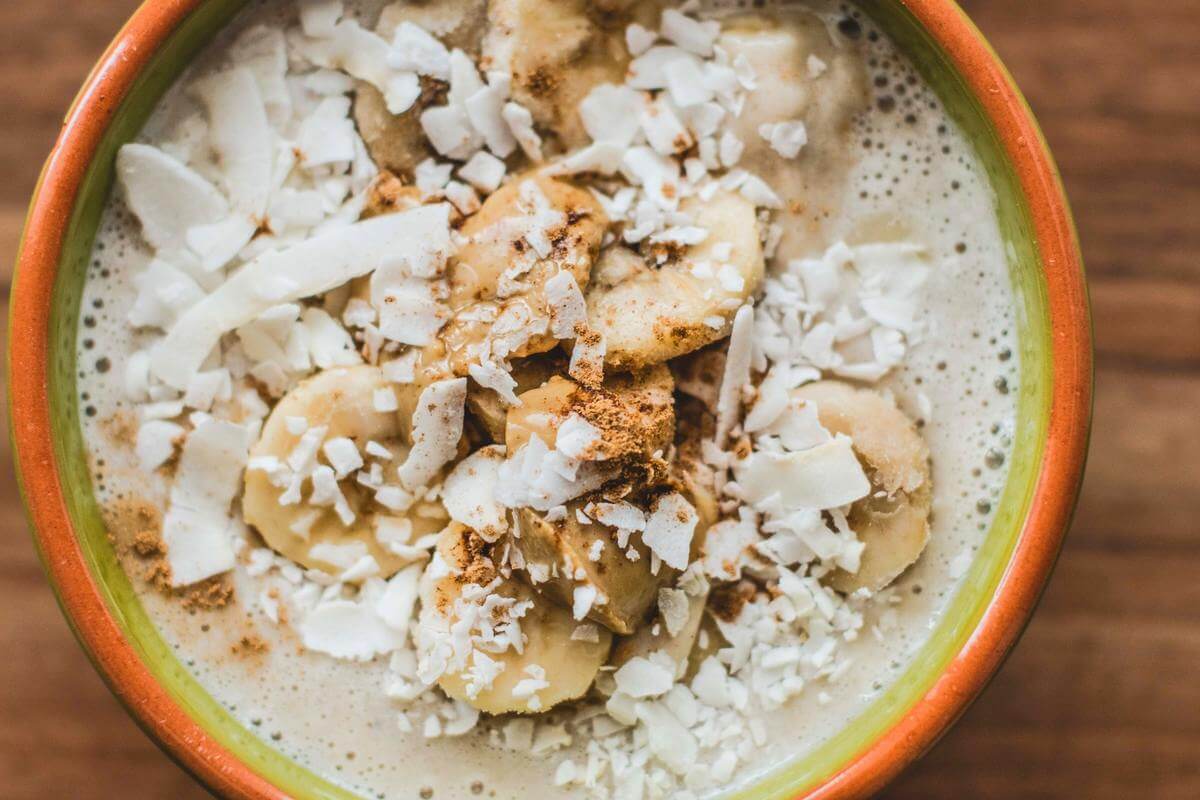
Smoothie bowl 


We can’t pretend that this is Ben & Jerry’s, because it’s not. What it is, however, is fresh, sweet, cold and can be eaten with a spoon. 
Smoothie bowls are infinitely customisable, so this is more of a concept than a recipe. The crucial building blocks include Innermost protein powder, frozen fruit and a blender - after that it’s down to you. The protein powder adds body to the smoothie and makes it a powerhouse of nutrients, supporting your fitness goals and ensuring you’re in tip-top shape for your workout. It’s world’s away from a standard protein shake and in fact, you may end up craving all of your protein powders this way in the future. 

If you’re after a creamy, nutty smoothie bowl, try blending up a frozen banana, a large spoonful of peanut butter, a couple of dates, half an avocado and a splash of milk of your choice. For something more tropical, blended frozen mango and frozen banana is life-changing when you top it with flaked coconut. For a fruity option, try a banana with frozen mixed berries, then top with fresh blueberries.

Once you’ve assembled your chosen ingredients in the blender, it’s time to mix it up, baby. It can take a few minutes of effort to get that perfect frozen creamy texture, so keep scraping down the sides until everything is incorporated. 

Toppings are key here. Fresh fruit, granola, nuts and seeds, more peanut butter - the world is your smoothie bowl.

Dates stuffed with nut butter

This healthy dessert option is self-explanatory and you might think that we’re pointing out a very obvious combination. However, until you’ve actually tried eating deliciously sticky dates stuffed with thick, creamy nut butter, we don’t think you’ve truly lived.

Destone a handful of dates, ensuring that you create as small a slit as possible to remove the stone. Using a teaspoon, carefully stuff the date with a heaping dollop of nut butter. Almond is our favourite, but peanut also works well. Whether it’s smooth or crunchy is up to you. Eat. Enjoy. Come back for just one more...well, maybe two. 

Chia pudding
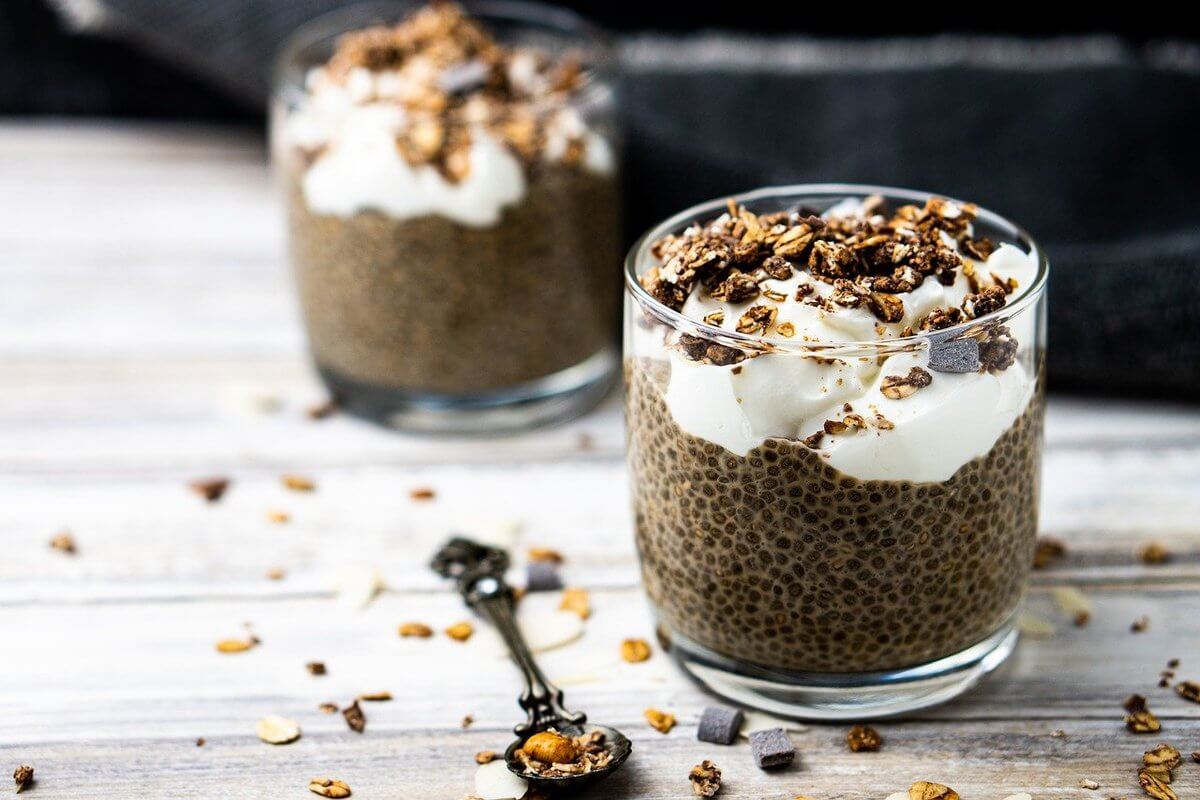
If you're the kind of person who always chooses a creme brulee from the dessert menu when you’re out to dinner, you need something just as tasty to have on a weeknight. Enter chia pudding. The creamy texture of this pudding makes it very moreish and it doubles as a quick on-the-go breakfast

Chia seeds are nutrient powerhouses and contain large quantities of omega-3 fatty acids and fibre, as well as being high in protein and containing several essential minerals and a range of antioxidants. They may help to reduce the risk of diabetes and heart disease, improve digestive health and increase the body’s levels of omega-3s, which benefit the heart. 

This might be the easiest quick and healthy dessert on the list, as all you need to do to make chia pudding is to combine chia seeds with a liquid. For the best creamy texture, we recommend a tablespoon of chia seeds to three and a half tablespoons of the milk of your choice - coconut and almond milk are especially delicious here. Stir to combine and don’t get discouraged when a mouth-watering pudding doesn’t immediately appear in front of you.

The flavour combinations to try here are endless, but a good rule of thumb is to include a flavouring and some sweetener. A teaspoon of cocoa powder and a drizzle of honey is a great combination for a chocolate chia pudding, or you could mix in berries and chunks of fruit or even a teaspoon of nut butter. 

Stir the pudding mixture very well to avoid clumps of chia seeds sticking together. Place in the fridge for at least two hours and when you return, your previously watery-looking mix will have transformed itself into a thick and creamy pudding just begging to be sprinkled with dark chocolate chips and eaten with a spoon in bed. Chia pudding keeps well for a couple of days in the fridge, so you can make a larger batch, ensuring you keep the same ratio of liquid to chia seeds, and enjoy a ready-made exceptionally healthy dessert night after night. 

Product Spotlight

Need Expert Advice?

Other Insights

Muscle: The New Longevity Biomarker
A few years ago, muscle meant one thing - Aesthetics. Size. Definition. Abs in good lighting. But that framing is outdated. Today, muscle is being discussed in medical literature as something very different. Not vanity. Not ego. Not “gym culture.” Muscle is increasingly viewed as a longevity biomarker. And for those of us in our 30s and 40s who still train, still work hard, still want to feel capable as life gets busier, that matters. Because this isn’t about looking 22. It’s about moving well at 32, 42 or 52.   Muscle Is Metabolic Infrastructure Skeletal muscle is not just tissue that contracts. It is one of the body’s primary metabolic organs. It is the largest site of glucose disposal. It plays a critical role in insulin sensitivity. It acts as a reservoir of amino acids during stress. It influences inflammation, hormone balance, and even immune resilience. Multiple large cohort studies have shown that higher lean mass is associated with lower all-cause mortality. Loss of muscle with age, known as sarcopenia, predicts frailty, falls, metabolic dysfunction, and loss of independence. That’s not fitness industry hype. That’s epidemiology. At 22, muscle is impressive. At 42, muscle is protective. That shift in perspective changes everything.   The Reality of Ageing Physiology From our mid-30s onward, muscle protein synthesis becomes less responsive. We need a slightly stronger signal to stimulate growth and repair. Recovery slows. Sleep becomes lighter. Stress has a bigger physiological cost. None of this is dramatic. It is gradual. But gradual decline is still decline. Based on our customer surveys that you kindly complete from time to time, we see that many of us do not train because we’re insecure. We train because we want to stay capable. We want to keep progressing. We want to look athletic, yes, but more importantly, we want to feel strong in meetings, on long-haul flights, on weekend runs, and as we get older. Wellness, for you, is infrastructure. Not identity. Muscle is part of that infrastructure.   The Protein Signal Matters More Than Volume One of the most underappreciated realities of ageing physiology is that protein intake becomes more important, not less. Research suggests that as we age, we require a slightly higher per-meal dose of high-quality protein to maximally stimulate muscle protein synthesis. The amino acid leucine plays a key role in triggering this process. That means: Total daily protein matters Distribution across the day matters Quality and digestibility matter This is not about chasing extreme intake. It is about ensuring the signal is strong enough to maintain and build lean tissue in a body that is no longer 21. For many of you, that is exactly why The Strong Protein exists in your routine. Not because you want to “bulk,” but because you understand that maintaining muscle is a daily habit, not a seasonal goal. It is simple. Behaviour-light. Infrastructure.   Recovery Is Where Muscle Becomes Longevity Building muscle is not just about training stimulus. It is about the recovery environment that allows adaptation to occur. Sleep quality. Electrolyte balance. Stress management. Micronutrient sufficiency. Chronic under-recovery accelerates muscle breakdown. Elevated cortisol, inadequate protein intake, and high life stress create a net catabolic environment. That is where structure becomes powerful. For some of you, that structure includes: Prioritising protein post-training Supporting cellular energy production Managing oxidative stress and inflammation The Power Booster (pure creatine monohydrate) and The Recover Capsules (our unique science-backed recovery supplement) were built around that idea. Not to create dependency. Not to promise miracles. But to support the physiological processes that allow training to compound rather than break you down. Muscle is not built in the gym. It’s built in recovery. And recovery is increasingly what separates the 35-year-old who thrives from the 35-year-old who plateaus. This Is Not Gym Culture The supplement industry still markets protein like it is 2008. Aggressive language. Shredded physiques. Short-term transformations. But that narrative misses the real story. The real story is metabolic resilience. The real story is blood sugar stability during long workdays. The real story is maintaining lean mass during high-stress periods so you do not feel physically diminished when life demands more from you. You are not trying to become someone else. You are trying to sustain who you are becoming. That is a very different motivation. The Compounding Effect Muscle does not protect you overnight. It compounds. Every training session completed.Every protein target met.Every recovery cycle respected. The benefit accrues quietly. Five years from now, you either have more lean mass than you do today, or less. That difference will influence how you move, how you metabolise food, how you respond to stress, and how independent you remain later in life. It is subtle. But it is powerful. Many of us already understand something that trends often ignore. Health is not a six-week challenge. It is a decades-long investment. Muscle is not aesthetic. It’s insurance. Insurance against frailty. Insurance against metabolic dysfunction. Insurance against the quiet erosion of capability. And unlike most insurance policies, this one improves how you feel today while it protects you tomorrow. If you train, you are already sending the signal. The question is whether your nutrition and recovery support that signal strongly enough. Because the goal is not to look young. The goal is to stay capable. Read more
Start Your Day Right; My Morning Routine
There’s one thing I do every morning before coffee, before training, before emails. It’s not a supplement stack or a ritual I’ve copied from someone else. It’s how I hydrate. Most of us have been told the same thing for years.Drink more water. Carry a bottle. Aim for eight glasses a day. And to be fair, that advice isn’t wrong. Being under-hydrated doesn’t help anyone. But here’s the part that rarely gets talked about. A lot of people are drinking plenty of water and still feeling flat. Low energy. Headaches. Muscle cramps. Poor recovery from training. That mid-afternoon slump that no amount of coffee seems to fix. The issue isn’t always how much water you’re drinking. It’s whether your body can actually use it.   Hydration isn’t just about water At a physiological level, hydration is about moving water into cells and keeping it there. That process depends on electrolytes. Sodium, potassium, magnesium and chloride help regulate fluid balance, nerve signalling and muscle contraction. They’re what allow water to be absorbed, distributed and retained where it matters. When those minerals are low, water tends to pass straight through you. You can drink glass after glass and still be functionally under-hydrated at a cellular level. That’s why “drink more water” sometimes feels like advice that never quite lands.   Why this is more common than people realise Modern life quietly stacks the odds against proper hydration. Most of us drink filtered water, which removes contaminants but also strips out naturally occurring minerals. We train hard. We sweat. We drink coffee. We travel. We live under fairly constant cognitive and emotional stress. None of that is a problem on its own. But together, it increases mineral turnover without most people ever consciously replacing what’s lost. The result isn’t dramatic dehydration. It’s low-grade depletion. It shows up subtly, not as thirst, but as things feeling harder than they should.   What this looks like in practice You might recognise some of this: Needing caffeine to feel switched on Headaches despite “hydrating” Tight calves or hamstrings during training Feeling flat or foggy in the afternoon Poor recovery between sessions None of these are red flags on their own. But together they often point to hydration that isn’t quite doing its job.   What I do personally Most mornings, the first thing I drink is water with electrolytes. Not because it’s trendy.Not because I’m trying to biohack anything. But because it works. Over time, I noticed more consistent energy, better training sessions, fewer headaches and improved recovery, especially in hot climates or high-stress periods. It became part of my baseline rather than something I reached for only after sweating buckets. That’s also why we created The Hydrate Blend. Not as a sugary sports drink. Not as something reserved for endurance athletes. But as a clean, balanced electrolyte designed for daily use. No artificial sweeteners. No excessive sugar. No synthetic ingredients. All the 6 electrolytes your body needs (not just magnesium, potassium and sodium), in ratios that make sense.   Hydration as Infrastructure I don’t think of hydration as a supplement. Think of it as infrastructure. Just like protein supports muscle, and sleep supports recovery, hydration underpins pretty much everything else you’re trying to do. Training quality. Focus at work. Mood. Recovery. When hydration is off, everything else feels like more effort. When it’s right, you don’t notice it. Things just run more smoothly. That’s usually the sign you’ve got the basics covered. This isn’t about overthinking things You don’t need to track electrolytes obsessively or turn hydration into another source of stress. For most people, it’s as simple as being intentional at the moments that matter most. First thing in the morning. Before training. After heavy sweating. During travel. Those are the points where supporting hydration tends to have the biggest return.   A Simple Experiment If what I’ve said resonates with, try a small change for a week. Start your day with water plus electrolytes.Then pay attention to your energy, training quality and recovery.Notice how you feel in the afternoon compared to usual. No need to force more water than feels natural. Just hydrate a little smarter. Habit hack: keep your box of The Hydrate Blend on your bedside table so it’s the first thing you reach for when you wake up. Read more