








icon-account icon-glass

Popular Products

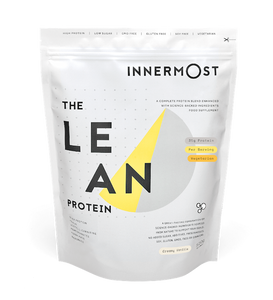
The Lean Protein
Whey protein powder for weight-loss.
The Energy Booster
Pre/intra-workout powder with BCAAs.

The Best HIIT Exercises To Enhance Muscle Growth

2nd February 2023

2nd February 2023

By Beth Shelper

If muscle growth is your fitness goal, you’re in the right place. HIIT workouts are a great technique for burning fat whilst still maintaining and gaining muscle mass, hitting multiple goals at once. These workouts are great for toning up and increasing your stamina.

What are HIIT workouts?

HIIT (high intensity interval training) workouts are a method of exercise that prioritise speed and intensity. You may have heard of techniques such as Tabata, which breaks down these HIIT exercises into timed intervals.

People love HIIT workouts for their timeliness – due to their quick, intense nature, they’re great to squeeze in during a lunch break or before work. Train hard and fast for optimum results and we guarantee you’ll fall in love. The endorphins you feel after these techniques are next to none.

How do you promote muscle mass?

Put simply: more load = more gains. Promoting muscle growth is a delicate balance between diet, workout routine and appropriate recovery to avoid injury. Strike this balance, however, and you’ll be in the money.

 Muscle growth techniques

When it comes to exercise inspiration, there is a sea of information out there, so it’s important to find exercises that work for you and your specific fitness goals. The main thing to remember is that consistency is key; continue to challenge yourself and stick to your goals long-term. That’s when the best results will come!

Strength and resistance training

Strength and resistance are the key to building muscle mass. People regularly incorporate weights and resistance bands, which are elastic bands, often covered in fabric for the user's comfort, that are highly effective in training and promoting muscle growth. The bands were originally used for rehabilitation purposes until the effectiveness of this technique for muscle growth was noted.

Using weights

Depending on the specific muscles you are targeting, use of weights are the primary method to achieving muscle growth. Aside from this, free weights are a great, effective method in targeting growth. These are a really simple way to up your workout and increase your gains.

  • Arms: Dumbbell Curls

If you’re looking to increase the muscle growth in your arms, you want to target your triceps and biceps. These muscles are easily activated through the use of dumbbells – or if you’re working out from home, any item that provides weight. This could be a bottle of milk or maybe a brick, depending on your requirements and capabilities.

With a weight in each hand, stand with your feet shoulder-width apart with your arms down by your sides. Stand in front of a mirror if you can to ensure you are maintaining your form, and slowly curl the weights upwards towards your shoulders. Repeat to complete your set.

You can actually incorporate dumbbells into many of your favourite HIIT routines: burpees, push ups, mountain climbers – you name it. If you feel confident, add in some dumbbells and up the tempo to create a high intensity workout.

  • Legs: Weighted Squats

Leg day is a HIIT athletes’ favourite. Nothing compares to the burn you get after a good session. To target your lower body, we recommend you opt for squats and deadlifts. But for a HIIT workout, squats and pulse squats are your best friend.

Load the barbell with your desired weight or use the bar alone if you are just starting out – it’s usually around 20kg by itself! If you haven’t tried this before, try with a friend first and make sure you're happy with your form during a bodyweight squat before you continue any further.

Stand tall with your feet slightly wider than shoulder-width apart below the barbell. Make sure the space around you is clear to avoid any potential injuries, and get a good grip of your bar.

Bend your knees and hips simultaneously and lower yourself into the squatting position, and then return back to your standing, resting position. Keep your chin and chest up to maintain good form, helping to prevent injury. Repeat. We recommend three sets of twelve reps, but this entirely depends on your experience and capabilities as to how you implement these strength training exercises.

Top tip: add a resistance band around your thighs for some extra burn!

  • Abs: Medicine Ball Crunch

Get ready for some great strength training and the ab burn of your life. Sit on a flat, soft surface with your legs stretched out in front of you. Grab a medicine ball at a weight of your choice and lie down flat on your back with your arms stretched behind you.

In one, swift movement, bring your arms and feet together above you in the air. Hold it, and then slowly release, holding your core tight as you move. Repeat your reps and time your workout to the recommended Tabata protocol for a real HIIT burn. The aim of these workouts is to push your body to the limit with the intensity of your exercises. Here, you are trying to achieve MMF to maximise your muscle growth and results.

What is MMF?

Momentary Muscular Failure, or MMF, describes the state of your muscles following a high intensity and gruelling workout. This is the point that you reach when no more reps of your chosen exercise can be performed with perfect form due to the strain on your muscles.

Reaching MMF is an important step in continuing and maintaining muscle growth, as this state pushes your muscles to rip. Here, you are aiming to tire your muscles to create these tears, which speeds up your muscle gains (if adequate recovery is maintained).

Summary

HIIT workouts are a great time effective and goal-orientated fitness technique that can absolutely be incorporated to promote muscle growth. Whilst we’ve given you three examples, these definitely aren’t extensive – so if these aren’t for you, check out some more of our workout guides for inspiration. Pair these workouts and a healthy, balanced diet with The Power Booster and really reap the benefits and hit those fitness goals ASAP.


Product Spotlight

Need Expert Advice?

Other Insights

Start Your Day Right; My Morning Routine
There’s one thing I do every morning before coffee, before training, before emails. It’s not a supplement stack or a ritual I’ve copied from someone else. It’s how I hydrate. Most of us have been told the same thing for years.Drink more water. Carry a bottle. Aim for eight glasses a day. And to be fair, that advice isn’t wrong. Being under-hydrated doesn’t help anyone. But here’s the part that rarely gets talked about. A lot of people are drinking plenty of water and still feeling flat. Low energy. Headaches. Muscle cramps. Poor recovery from training. That mid-afternoon slump that no amount of coffee seems to fix. The issue isn’t always how much water you’re drinking. It’s whether your body can actually use it.   Hydration isn’t just about water At a physiological level, hydration is about moving water into cells and keeping it there. That process depends on electrolytes. Sodium, potassium, magnesium and chloride help regulate fluid balance, nerve signalling and muscle contraction. They’re what allow water to be absorbed, distributed and retained where it matters. When those minerals are low, water tends to pass straight through you. You can drink glass after glass and still be functionally under-hydrated at a cellular level. That’s why “drink more water” sometimes feels like advice that never quite lands.   Why this is more common than people realise Modern life quietly stacks the odds against proper hydration. Most of us drink filtered water, which removes contaminants but also strips out naturally occurring minerals. We train hard. We sweat. We drink coffee. We travel. We live under fairly constant cognitive and emotional stress. None of that is a problem on its own. But together, it increases mineral turnover without most people ever consciously replacing what’s lost. The result isn’t dramatic dehydration. It’s low-grade depletion. It shows up subtly, not as thirst, but as things feeling harder than they should.   What this looks like in practice You might recognise some of this: Needing caffeine to feel switched on Headaches despite “hydrating” Tight calves or hamstrings during training Feeling flat or foggy in the afternoon Poor recovery between sessions None of these are red flags on their own. But together they often point to hydration that isn’t quite doing its job.   What I do personally Most mornings, the first thing I drink is water with electrolytes. Not because it’s trendy.Not because I’m trying to biohack anything. But because it works. Over time, I noticed more consistent energy, better training sessions, fewer headaches and improved recovery, especially in hot climates or high-stress periods. It became part of my baseline rather than something I reached for only after sweating buckets. That’s also why we created The Hydrate Blend. Not as a sugary sports drink. Not as something reserved for endurance athletes. But as a clean, balanced electrolyte designed for daily use. No artificial sweeteners. No excessive sugar. No synthetic ingredients. All the 6 electrolytes your body needs (not just magnesium, potassium and sodium), in ratios that make sense.   Hydration as Infrastructure I don’t think of hydration as a supplement. Think of it as infrastructure. Just like protein supports muscle, and sleep supports recovery, hydration underpins pretty much everything else you’re trying to do. Training quality. Focus at work. Mood. Recovery. When hydration is off, everything else feels like more effort. When it’s right, you don’t notice it. Things just run more smoothly. That’s usually the sign you’ve got the basics covered. This isn’t about overthinking things You don’t need to track electrolytes obsessively or turn hydration into another source of stress. For most people, it’s as simple as being intentional at the moments that matter most. First thing in the morning. Before training. After heavy sweating. During travel. Those are the points where supporting hydration tends to have the biggest return.   A Simple Experiment If what I’ve said resonates with, try a small change for a week. Start your day with water plus electrolytes.Then pay attention to your energy, training quality and recovery.Notice how you feel in the afternoon compared to usual. No need to force more water than feels natural. Just hydrate a little smarter. Habit hack: keep your box of The Hydrate Blend on your bedside table so it’s the first thing you reach for when you wake up. Read more
Soy Free Protein
Protein supplements have long been the star of the nutrition game and with the market size projected to more than double by 20331, there are more options available than ever before. Gone are the days of whey or the highway (sorry), with a wider range of protein sources than ever before to choose from on today’s shelves. For one reason or another, soy protein isn’t an option for many people - so what are the alternatives and what benefits do they offer? We’ll answer both of those questions, and more, in this blog. Why choose a soy free protein? There are several reasons someone might opt for a non-soy protein option, some of the most common include: Allergies and intolerances - soy is one of the major food allergens and many people choose to avoid it in their diet. Nutritional value - some studies have found soy protein to have less of an impact on body composition2 than some other protein sources. Digestibility - soy can be difficult to digest3, which can cause discomfort, bloating and other gut health issues. Hormones - whilst research doesn’t support these claims, some people have concerns about the possible hormonal effects of soy4 for both men and women. Dietary preferences - aside from allergies and intolerances, some people choose to avoid soy for reasons like taste or texture. Soy free protein powder & nutritional benefits If you’re one of the many people who abstain from soy, fret not. There are many non-soy protein options out there for you, and many of these offer comparable or better levels of nutrition.  Soy free protein amino acid profile Soy is a complete protein - meaning it provides all nine essential amino acids - but there are several other complete proteins out there for you to choose from. Whey, pea and egg white proteins also contain these essential amino acids, albeit in different densities. Digestibility As soy can be hard to digest for some, other ‘gentler’ vegan options such as pea or rice proteins are a popular choice. Micronutrient coverage Aside from the obvious protein content, a lot of soy free options offer a wide range of extra micronutrients which can be a nice bonus. For example, hemp protein offers omega-3s and fibre5, whilst pea protein is a great source of iron6.  Is soy protein gluten-free? Yes! Soy protein is naturally gluten free, but it is not the only GF protein source. Many whey proteins are gluten free, as are other vegan protein blends. Just make sure you check the specific nutritional information for any product you choose, if gluten is a no-go for you.  Comparing soy free protein powder options Whey protein Whey protein is by far the most commonly used protein source for supplements - and for good reason. Whey is a complete protein with a high concentration of protein7 per serving and is typically one of the more affordable options.  It’s so good, in fact, that we use it as the source for both The Strong Protein and The Lean Protein at Innermost - two protein supplements with a bunch of other nutritional goodies packed in.  Pea & brown rice protein Looking at non soy vegan protein options, pea protein and brown rice protein both offer good nutritional value but together they are even stronger. Pea protein is high in BCAAs (especially leucine) and brown rice protein has a little more methionine – together they fill any nutritional gaps the other has to offer a great complete protein option. Our vegan protein powders are powered by pea and brown rice protein, including The Health Protein and The Fit Protein. How to choose the right soy free protein powder Whichever brand or soy free protein product you decide to go with, there’s a few key things to keep in mind before you hit purchase. Check for soy free and allergen free labelling (you can never be too careful if allergies are at play) Look for complete amino acid profiles for best results Consider your goals vs what the product offers Choose transparent, minimal ingredients lists where possible Whichever one you choose, opting for a soy free protein is a great idea if you’re looking for better digestibility, fewer allergens and wider nutritional benefits. If you’re still unsure, take a look at our range of protein powders to find which one might suit you best – we’re confident you’ll find your perfect one. References 1. Grand View Research (2023) Protein supplements market size, share & trends analysis report. Click here. 2. Piri Damaghi M, Mirzababaei A, Moradi S, Daneshzad E, Tavakoli A, Clark CCT, Mirzaei K. Comparison of the effect of soya protein and whey protein on body composition: a meta-analysis of randomised clinical trials. Br J Nutr. 2022 Mar 28;127(6):885-895. doi: 10.1017/S0007114521001550. Epub 2021 May 11. PMID: 33971994. Click here. 3. Nutritional Weight & Wellness (2024) Is Soy Good For You? Click here. 4. Kurzer MS. Hormonal effects of soy in premenopausal women and men. J Nutr. 2002 Mar;132(3):570S-573S. doi: 10.1093/jn/132.3.570S. PMID: 11880595. Click here. 5. Julson E. Hemp Protein Powder: The Best Plant-Based Protein? Healthline. July 2023. Click here. 6. Chin K. Pea Protein Powder: Nutrition, Benefits and Side Effects. Healthline. March 2023. Click here.  7. Davidson K. Plant-Based Protein vs. Whey Protein: Which Is Better? Healthline. August 2024. Click here. Read more