








icon-account icon-glass

Popular Products

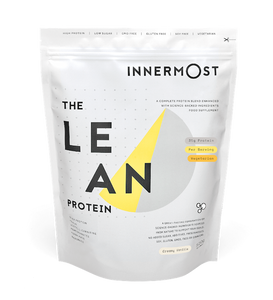
The Lean Protein
Whey protein powder for weight-loss.

Taofique Folarin / Q&A

28th August 2018

28th August 2018

By Shivraj Bassi

Taofique has worked professionally on stage and television for over 15 years. His experience as a dancer and actor led him into the world of fitness. Now working as a personal trainer, coach, founder of Sweat & Smile and trainer at numerous studios including our partners BLOK and Sweat It, we sat down with the man himself to find out more about his journey towards holistic health.

“My philosophy as a trainer places emphasis on strengthening both the body and mind. Fitness is more than just striving for exterior perfection but should focus on total well-being from the ground up, inside and out. I believe in education through movement, and that fitness should be inclusive and accessible for all, achievable yet challenging. Taking that first step is always the hardest but with good support and a healthy mindset the possibilities are limitless.” – Taofique

What’s your hustle?

Sweat and Smile – I want everyone to know that fitness should be a celebration of our minds and bodies. With a focus on community and fun to combat mental health, I plan to take the Sweat and Smile concept to schools to highlight the benefits of exercise for our physical and mental health, with a focus on children who shy away from physical activity.

What does #liveinnermost mean to you?

A lot of what we see on our exterior is a direct reflection of what is going on inside. So when we nurture our inner selves through good nutrition and look after our bodies, we shine brightly on the outside.

Favourite Innermost products, and why?

The Health Protein. I love this blend. I have a very busy schedule in between classes and it can be hard to get all my meals in when I teach back-to-back. Grabbing a shake ensures I’m hitting my calorie intake for the day and have enough fuel to coach my sessions. On top of this, I get ingredients that help my body repair and a good detox, so it’s a win-win. 

The Energy Booster. This pre-workout product is everything. Some days I can coach up to as many as eight sessions in one day, on top of private sessions. This product not only tastes so good but gives me that extra kick before I hit a session in the gym. I always feel fully energised when I drink The Fit Plus before a session and I can aways give it that extra bit more on my sprints.

Favourite inspirational quote/words?

Either you think you can or you think you can’t. Either way, you’re right

Favourite healthy meal?

My favourite meal of the day (and the most important) is breakfast. I love porridge oats with coconut milk , topped with goji berries, bananas and almond butter. It’s a killer way to start the day.

Most physically challenging thing you’ve done?

I was a contestant on the BBC Show “Special forces: Ultimate Hell Week”. After a gruelling selection process against some of the UK’s fittest from different backgrounds and disciplines, I was selected and then subjected to an ultimate endurance challenge and pushed beyond my mental and physical limits by battle-hardened veterans from the world’s toughest special forces.

Based on the special forces’ selection methods, every 48 hours we were put through a set of challenges, each one more difficult than the last. For instance, the first day, on under four hours' sleep, we were awoken with four hours of PT amidst continuous cold water hosing and full body submerging. Then without food, we headed off for a trek across the Brecon Beacons with fully packed burgeons and soaked clothes. Then the real fun began with log carries, everlasting rifle holds, removing a Land Rover from a mud pit and training in the freezing cold sea. You get the gist.

Best travelling tip you’ve picked up?

Always trust your intuition and let that guide you. When we are able to hone in and listen to our inner voice, we’re always guided to the right the place.

Who or what motivates you?

My mother motivated me when I was growing up. I watched how hard she worked as a single mother and she did a great job raising myself and my sister. I would say she now inspires me, and I am motivated by myself. I see myself as my biggest competition. If I achieve something, I want to surpass it the next time so I’m always striving to be better tomorrow than I am today.

Best advice you’ve ever received?

To always be authentic and be yourself, because everyone else is already taken and the world needs a you.

Best vacation ever?

My trip to Jamaica with my family last April. I felt instantly relaxed as soon as I landed. We travelled around the island stopping off at beachfront villas along the way. I love that you can just just live off the land with fresh tropical fruit and vegetables at your disposal, and fresh line caught fish ready to be grilled. It’s so easy to eat and live healthily out there, and the Jamaican laid back approach has elements we can all learn from. In London, it’s very easy to get stressed and forget to take those moments out to appreciate the joy of life.

Latest obsession?

The brand new Technogym skill run runners that they have at Sweat It London. The training possibilities on these machines are endless, with speeds up to 30kph, gradients from -3% to 25 %, sled and parachute mode. You can perform running sessions and resistance workouts on the one piece of equipment. I have so much fun designing my sessions for clients as well as beasting myself on them.

Number one reason for taking care of your body?

It’s our duty to look after our bodies to the best of our abilities, so we can live a long and healthy life. I also have future aspirations to be a father and I want to give myself the best chance to be there for my family for as long as possible and for that I need to be healthy.

Favourite place to eat?

I recently discovered, By Chloe in Covent Garden and it has quickly become a favourite. The food is great especially their salads; wholesome, plant-based food that fuels and energises without compromising flavour. They have made vegan food accessible and they are extremely eco friendly. Choosing from their animal-free tasty menu you actively contribute towards lowering the worlds carbon footprint and help to preserve our planets water supply.

To see and hear more from Toafique, head to his Instagram pages (@taofiquefolarinand @folarinfitness).

Product Spotlight

Need Expert Advice?

Other Insights

Your Summer Survival Kit (From Someone Who Travels A Lot)
I'm putting the finishing touches to this post from an airport, which feels appropriate. By my count, I'll be going through three countries in the next six weeks. Meetings, a trip to see family including my niece and nephew, a supplier visit in Italy that I've been putting off for a year. And every summer the same thing happens. The carefully built routine, the one that took months to lock in, gets thrown into a suitcase and I hope for the best. Most people react to this by either giving up on the routine entirely ("I'll sort it out when I'm back") or overpacking so aggressively that half of it never leaves the bag. I've done both. Neither works. What actually works is deciding, in advance, which two or three things earn a place in my bag and which ones can wait until September. So here's mine. Not a wellness influencer's "what's in my bag" video. An honest list, built over about a decade of getting this wrong first. Why travel breaks routines specifically It's worth being precise about what actually changes when you travel, because it isn't just "less discipline." Three things shift at once. You sweat more and drink less water than usual, because you're distracted or the flight dried you out or the hotel room is warmer than home. You're outdoors more, often somewhere sunnier than wherever you live. And your meals stop being yours. You eat what's available, when it's available, and protein is usually the first thing to slip, because sugar, carbs and fat are what's on offer at 6am airport cafes. None of this is a discipline problem. It's an environment problem. The fix is making sure two or three specific things are in my bag before I leave home, so I’m not relying on willpower to begin with. 1. Electrolytes, non-negotiable Most people remember to pack sunscreen. Almost nobody packs electrolytes, and it's the one that actually catches up with you. Water replaces volume, not what you lose through sweat, which is mostly sodium and potassium and magnesium doing the quiet work of keeping muscles firing and fluid balanced properly. Miss that balance for a few days in the heat and you get the symptoms everyone blames on jet lag: the headache, the flat energy, the slight fog by 4pm that a coffee doesn't fix. It's usually not jet lag. It's electrolytes. I take The Hydrate Blend  for exactly this reason. Six electrolytes, no sugar, no synthetic flavouring, dissolves in a bottle of water in about ten seconds. One sachet on a travel day, first thing in the morning, does more for how I feel by evening than anything else in the bag. 2. Something for the sun you're actually going to get Here's the part most people don't think about until it's too late. UV exposure accelerates collagen breakdown, which is a slightly clinical way of saying that a week of proper sun does more to skin structure than most of the year combined. This isn't about vanity. It's a straightforward mechanism: UV generates free radicals that degrade existing collagen faster than your body can replace it. Sunscreen protects against the burn. It doesn't do anything for the collagen you're losing underneath. I've been taking The Glow Blend through summer for this reason specifically. Hydrolysed collagen peptides paired with vitamin C, which matters because vitamin C is a required co-factor for collagen synthesis and most collagen products leave it out entirely, then wonder why customers don't notice anything. It won't undo a week in the sun. It gives your skin something to rebuild with while it's under more pressure than usual. 3. Protein, especially when the meals aren't yours This is the one I've learned the hard way. When your diet goes inconsistent, protein is usually the first macronutrient to drop, simply because it's the hardest to find on the move. Airport food, hotel breakfasts, whatever's left at a conference buffet by 1pm, none of it is built around protein. And the honest science here is less dramatic than people expect: you don't need to train harder to maintain muscle through a disrupted period, you need to keep protein intake somewhere close to normal. That's the whole trick. I'll say this honestly because I'd rather be straight with you than pretend otherwise: my go-to for this is still The Strong Protein (whey based) and The Health Protein (vegan). They earn their place in my bag because they travel well, mix with nothing but water, and does the one job that actually matters on the road, which is making sure protein doesn't disappear from your day just because your routine has. The actual point None of this is about maintaining perfect discipline on holiday. Nobody does that, and if a brand tells you they do, they're not being honest with you. It's about deciding in advance which three or four things matter enough to bring, so the choice isn't being made for you by whatever's in the hotel minibar. If you've got a system that works for you when you travel, reply and tell me. I read every one of these, and I'm always looking to steal a better idea for my next trip. If this is useful, forward it to whoever in your life is about to live out of a suitcase for the next few weeks. It's the email I wish someone had sent me a decade ago. Read more
How to Beat Imposter Syndrome, According to Experts
Do you ever feel like a fraud at work? Or worry that people won’t love the ‘real’ you? Even when you have evidence that suggests none of the above is true? Then, you could be experiencing imposter syndrome - and, you’re not the only one.  Research shows imposter syndrome is a universal struggle with one review finding that up to 82% of people could be experiencing imposter syndrome and suffer from anxiety, burnout and exhaustion because of it. While imposter syndrome can feel deflating and challenging, the good news is that there are steps you can take to overcome self-doubt and boost self-confidence, so you stop holding yourself back from reaching your full potential To help you leave imposter syndrome behind for good, we spoke to two experts to bring you everything you need to know including how to spot it and how to beat it.  What Is Imposter Syndrome? “Imposter syndrome is the overwhelming feeling of self-doubt or fear of being exposed as a ‘fraud’,” explains Holistic Health & Wellness Coach Christina Calderwood. When we experience imposter syndrome it’s because we believe on some level that our achievements are down to luck or other factors and not our own ability, and we feel unworthy of our success. “Those with imposter syndrome worry that others will eventually uncover the ‘truth’ and see their perceived lack of skill and capability, despite evidence of their success and achievements,” Christina adds.  Signs of Imposter Syndrome Imposter syndrome can show up in different ways and may show up differently depending on the scenario you are in.  For example, imposter syndrome at work can look like questioning if your contributions are valuable and choosing to stay silent out of fear. In friendships it can look like worrying what others think of you and in romantic relationships you might feel you're undeserving of your partner's love and affection. Imposter syndrome often shows up in self-limiting thoughts and beliefs, and the stories we tell ourselves. According to Christina, some of the most common thoughts people with imposter syndrome may have include:  I don't deserve this success, I just got lucky. I'm not as smart or talented as they think I am. I'm afraid they will find out I don't know what I'm doing. I’m afraid they will see the ‘real’ me and not like me for who I really am.  I have to work harder than others to prove myself and achieve my goals. I can't make any mistakes or ask for help, or they will think I'm incompetent.  Why do we experience Imposter Syndrome “Imposter syndrome is more common than we might think and something we may experience at different stages of life,” mindset and confidence coach Francesca Nervegna tells us. With research suggesting that up to 70% of us may experience imposter syndrome in our lifetime, this fear-driven mindset can affect anyone at any time, regardless of their age, gender or profession.  There are many reasons why we may experience imposter syndrome, some of these include striving for perfectionism, our upbringing, facing a new challenge and social comparison.  “Perfectionism is another way that self-sabotage and imposter syndrome can disguise themselves,” explains Christina. “Holding ourselves to unrealistic standards and expectations stops us from going after our dreams, let alone even trying. This happens when we are afraid of failing, of being seen, feeling vulnerable or not feeling as good as others.”  The environment in which we grew up in can also lead us to strive for perfectionism and experience imposter syndrome. “People who grew up in environments with high expectations or where success was often compared to others' achievements may have internalised the belief that they need to constantly prove their worth,'' Christina adds.  Similarly, a big life change that involves taking the leap before we feel ‘ready’, such as a new job or promotion, can trigger self-doubt and feelings of imposter syndrome.  We may experience imposter syndrome when we compare ourselves to others, either those around us or on social media. “The grass may seem greener on the other side, we might think that others are better than us and start to compare ourselves to them and compete with them in our minds,” Francesca adds.  Christina echoes this: “We're constantly bombarded with messages that our worth is tied to our achievements and external validation. The pressure to meet these unrealistic standards can be overwhelming.” Christina believes that social media makes this worse by only showing us the highlights, making it seem like everyone else has got everything together while we are struggling.  Stereotypes can also lead to feelings of imposter syndrome. “Individuals from underrepresented groups may feel added pressure to succeed and represent their group positively, which can contribute to imposter syndrome,” Christina explains. “They might also face implicit or explicit biases that undermine their confidence.” How to beat Imposter Syndrome The first step to beating imposter syndrome is becoming aware of it and identifying that we have self-limiting beliefs. “Once we identify it, we are already one step ahead and we can start working on it,” Francesca explains.  Acknowledge your feelings To start identifying your limiting beliefs and find clarity around why these thoughts or feelings are coming up, Francesca suggests journaling. Once you identify your negative thoughts and the beliefs that fuel them, you can start to work on overcoming them.  Christina suggests using a technique called cognitive reframing, which involves replacing your negative thoughts with more positive and realistic ones.  This could include something like:  I deserve this success because I worked hard for it and I have the right skills and qualifications.  I don't have to know everything, no one does. I can learn from my mistakes and ask for help when I need it. I deserve love and a fulfilling relationship because I offer kindness, respect, and genuine care. I don’t need to be perfect in a relationship; no one is. Celebrate your achievements No matter how big or small, taking time to reflect on your accomplishments and celebrating your achievements will help to shift your mindset and reduce feelings of imposter syndrome. “Create a folder where you list down any positive feedback, milestones and accomplishments, or keep a journal with your successes, big & small. Come back to them whenever self-doubt creeps in,” Christina advises.  Share your experiences Opening up to trusted friends about your experiences may help you to feel less alone, and connect with others around you who are also experiencing imposter syndrome. “Sometimes, just hearing others say they’ve felt the same way can be incredibly validating.” Christina says.  Challenge negative thoughts Whenever you catch yourself thinking a negative thought, such as ‘I’m not good enough’, counter it with evidence that shows you it’s untrue. “Often, you’ll find that the negative thoughts are baseless and you have far more examples of why you are good enough, exactly as you are. “ Christina says.  Francesca often uses positive affirmations with her clients, to help them require their brain and replace old patterns and limiting beliefs with new ones.  “You can also use positive affirmations to rewire your brain and replace old patterns and limiting beliefs with new ones,” Francesca adds. “Your brain will believe anything that you tell it, if you are constantly affirming that you are an imposter and you are not good enough, you will keep believing it. On the other hand, thanks to neuroplasticity, you can reprogram your brain to embrace more positive thoughts and, in turn, boost your confidence.” Shift to a growth mindset Beating imposter syndrome is all about shifting your mindset from striving for perfectionism to embracing growth. “If you are ready to stop self-sabotaging and stop letting your internal dialogue make you feel like an imposter you are going to have to let yourself be imperfect,” says Chrsitna. She adds: “Understand that mistakes and failures are part of life and a fundamental part of the learning process. Remember, courage comes first, confidence follows.” Read more