








icon-account icon-glass

Popular Products

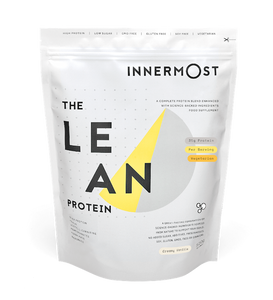
The Lean Protein
Whey protein powder for weight-loss.
The Energy Booster
Pre/intra-workout powder with BCAAs.

Myth-Busting: Will Protein Make Me Bulky?

22nd September 2021

22nd September 2021

By Caitlin Bell

When embarking on your fitness journey, you will undoubtedly have been recommended to start incorporating protein into your diet to up your workout game. Perhaps the most popular workout supplementation, protein is famed for its natural ability to increase our energy levels and muscle mass (our muscles do naturally contain protein, after all…)

But as a result, many seem to get muddled in the sea of information out there, and begin to worry that taking protein in excess will lead to unwanted side effects. We have noticed that these effects are noted particularly by women – aka, they want to avoid getting a bulky body.

Does protein make you bulky

This leads to a couple of age-old questions in the fitness world: does protein make you bulky? Does protein make you gain weight?

Unfortunately, these are questions that affect people everywhere, and stops so many from reaping the amazing benefits of protein and protein supplements.  This is because many fear that ‘bulky body’ that all too often comes with the stereotype of taking too much protein – one that is entirely false. As experts of all things protein, we wanted to give you an overview, and squash this harmful myth once and for all.

So, if you’re looking for some information on protein, the basics and how to avoid this perhaps unwanted bulkiness, strap yourselves in.

What is Protein?

We couldn’t bust this myth without first covering the basics. Simply, protein is a macronutrient (one of three, aside from fats and carbohydrates), that are commonly found in animal products such as meats and dairy. If you’re vegan or vegetarian though, don’t worry, as this macronutrient can also commonly be found in nuts, and there are plenty of great, research-based protein supplements that you can try out (psst, how about this one?).

Protein is key in the process of maintaining a healthy diet, as it plays a huge role in normal body functioning. This is because proteins make up the enzymes that power many of our chemical reactions inside the body, as well as playing a role in the creation of haemoglobin (which simply put, is responsible for the transport of our oxygen around the body). Pretty important stuff.

Why do people use protein?

Aside from those all-important body requirements that we just covered, protein is a key element in the building and maintenance of muscle tissue, and essentially, mass. This is one of the most popular reasons for adding a bit of extra protein to your diet, but it by all means is not the only one.

The Health Benefits of Taking Protein

  • Aids Digestion
  • Improves Oxygen Levels
  • Lowers Your Blood Pressure
  • Maintains Weight Loss Abilities

Taking protein and protein supplements like The Lean Protein and The Strong Protein are a great way to help yourself reach your fitness goals, improve your performance and even, help with hair loss. Yeah – really!

So… does protein make you bulk?

The answer is no. This is because protein does indeed help increase your muscle mass, so many take it in a supplementary fashion, but protein alone will not make you bulk, and won’t give you a bulky body.

Myth = busted!

This means that you would need to be in a calorie surplus to be gaining weight and getting bulky – so as long as you’re maintaining a healthy, balanced diet, and taking recommended doses of protein and/or protein supplements, you will not experience any bulking. If you’re looking for some tips on how to tone without getting bulky – we recommend implementing protein supplements or food sources into your diet. But yo can also find some pretty nifty tips and tricks here.

As we said, we have found that is a particular worry for women. The idea of a ’bulky body’ might be what you’re avoiding -  so we’re here to assure you that taking protein will only positively impact your fitness regime. This is because physiologically, our testosterone levels aren’t as high as men’s, so the process of building muscle, or ‘bulking’ is slightly different. Aside from this, like we said, you need more than just protein to achieve muscle mass – this is just part of the process.

Shall I keep taking protein?

Yes! Don’t be put off by these (false) stereotypes. Many love protein and protein supplements for toning up, weight loss, and other health and wellbeing benefits. The benefits of protein far outweigh the detriments, so please don't let this put you off... 

Benefits of protein 

  • Hair Growth
  • Healthy Skin
  • Reduces Your Appetite
  • Boosts Your Metabolism
  • Maintains Healthy Bones
  • Aids In Injury Recovery

Summary

To answer the question – does protein make you gain weight? No. The only thing that will make you bulky is an ill-fitting calorie surplus diet and an intense weightlifting routine. Protein plays a key role in growing muscle, but it definitely is not responsible for it, so don’t be scared! Taking protein actually leads to lean, toned muscles – and the benefits of these are not to be missed:

  • Improve Your Performance
  • Up Your Energy Levels
  • Achieve Your Fitness Goals

If you’re new to taking protein and need some advice, or maybe a vegan or vegetarian that can’t gain protein through food sources in your diet, take a look into some protein supplementation options. There are a range of great products that are tailored to help you reach your personal fitness goal and help you gain the benefits of protein – if you’re looking to tone up, for example, try The Lean Protein. If you’re looking to improve your strength, The Strong Protein will be your best friend.


Product Spotlight

Need Expert Advice?

Other Insights

Soy Free Protein
Protein supplements have long been the star of the nutrition game and with the market size projected to more than double by 20331, there are more options available than ever before. Gone are the days of whey or the highway (sorry), with a wider range of protein sources than ever before to choose from on today’s shelves. For one reason or another, soy protein isn’t an option for many people - so what are the alternatives and what benefits do they offer? We’ll answer both of those questions, and more, in this blog. Why choose a soy free protein? There are several reasons someone might opt for a non-soy protein option, some of the most common include: Allergies and intolerances - soy is one of the major food allergens and many people choose to avoid it in their diet. Nutritional value - some studies have found soy protein to have less of an impact on body composition2 than some other protein sources. Digestibility - soy can be difficult to digest3, which can cause discomfort, bloating and other gut health issues. Hormones - whilst research doesn’t support these claims, some people have concerns about the possible hormonal effects of soy4 for both men and women. Dietary preferences - aside from allergies and intolerances, some people choose to avoid soy for reasons like taste or texture. Soy free protein powder & nutritional benefits If you’re one of the many people who abstain from soy, fret not. There are many non-soy protein options out there for you, and many of these offer comparable or better levels of nutrition.  Soy free protein amino acid profile Soy is a complete protein - meaning it provides all nine essential amino acids - but there are several other complete proteins out there for you to choose from. Whey, pea and egg white proteins also contain these essential amino acids, albeit in different densities. Digestibility As soy can be hard to digest for some, other ‘gentler’ vegan options such as pea or rice proteins are a popular choice. Micronutrient coverage Aside from the obvious protein content, a lot of soy free options offer a wide range of extra micronutrients which can be a nice bonus. For example, hemp protein offers omega-3s and fibre5, whilst pea protein is a great source of iron6.  Is soy protein gluten-free? Yes! Soy protein is naturally gluten free, but it is not the only GF protein source. Many whey proteins are gluten free, as are other vegan protein blends. Just make sure you check the specific nutritional information for any product you choose, if gluten is a no-go for you.  Comparing soy free protein powder options Whey protein Whey protein is by far the most commonly used protein source for supplements - and for good reason. Whey is a complete protein with a high concentration of protein7 per serving and is typically one of the more affordable options.  It’s so good, in fact, that we use it as the source for both The Strong Protein and The Lean Protein at Innermost - two protein supplements with a bunch of other nutritional goodies packed in.  Pea & brown rice protein Looking at non soy vegan protein options, pea protein and brown rice protein both offer good nutritional value but together they are even stronger. Pea protein is high in BCAAs (especially leucine) and brown rice protein has a little more methionine – together they fill any nutritional gaps the other has to offer a great complete protein option. Our vegan protein powders are powered by pea and brown rice protein, including The Health Protein and The Fit Protein. How to choose the right soy free protein powder Whichever brand or soy free protein product you decide to go with, there’s a few key things to keep in mind before you hit purchase. Check for soy free and allergen free labelling (you can never be too careful if allergies are at play) Look for complete amino acid profiles for best results Consider your goals vs what the product offers Choose transparent, minimal ingredients lists where possible Whichever one you choose, opting for a soy free protein is a great idea if you’re looking for better digestibility, fewer allergens and wider nutritional benefits. If you’re still unsure, take a look at our range of protein powders to find which one might suit you best – we’re confident you’ll find your perfect one. References 1. Grand View Research (2023) Protein supplements market size, share & trends analysis report. Click here. 2. Piri Damaghi M, Mirzababaei A, Moradi S, Daneshzad E, Tavakoli A, Clark CCT, Mirzaei K. Comparison of the effect of soya protein and whey protein on body composition: a meta-analysis of randomised clinical trials. Br J Nutr. 2022 Mar 28;127(6):885-895. doi: 10.1017/S0007114521001550. Epub 2021 May 11. PMID: 33971994. Click here. 3. Nutritional Weight & Wellness (2024) Is Soy Good For You? Click here. 4. Kurzer MS. Hormonal effects of soy in premenopausal women and men. J Nutr. 2002 Mar;132(3):570S-573S. doi: 10.1093/jn/132.3.570S. PMID: 11880595. Click here. 5. Julson E. Hemp Protein Powder: The Best Plant-Based Protein? Healthline. July 2023. Click here. 6. Chin K. Pea Protein Powder: Nutrition, Benefits and Side Effects. Healthline. March 2023. Click here.  7. Davidson K. Plant-Based Protein vs. Whey Protein: Which Is Better? Healthline. August 2024. Click here. Read more
Your GLP-1 Survival Kit
January always brings the same conversation back into focus. Weight loss. Discipline. Resetting habits. Doing things “properly” this time. What’s changed this year is how many people are now having that conversation alongside GLP-1 medications. If you haven’t come across them yet, GLP-1s are a class of medications originally developed for type 2 diabetes, now widely prescribed for weight loss. You’ll recognise some of the brand names from headlines, podcasts, and increasingly, from people around you. Depending on which data set you look at, estimates suggest that over one in ten adults are either using, or seriously considering, a GLP-1. That number is rising quickly. So rather than avoiding the topic, I want to address it properly. Our position on GLP-1s Let me be clear about where we stand. GLP-1 medications should not be the first thing people reach for if their goal is fat loss. A healthy diet, regular resistance training, movement, sleep, and consistency still do the heavy lifting for most people. But there are cases where GLP-1s can be helpful. People with significant weight to lose. People with metabolic challenges. People who have genuinely tried to do the right things and still struggled. In those situations, medication can be a tool. The problem is that too many people treat it as the solution. And that’s where things start to unravel. What GLP-1 actually does (in plain English) GLP-1 is a hormone your body already produces. Its job is to: Slow gastric emptying (food stays in your stomach longer) Increase feelings of fullness Reduce appetite and food noise Improve blood sugar control GLP-1 medications amplify this signal. You eat less. You feel full faster. Weight drops. But appetite suppression doesn’t discriminate. It doesn’t just reduce calories. It reduces everything. Protein intake falls. Strength training often drops off. Muscle mass can decline. Skin elasticity is challenged by rapid weight loss. This is why people are now talking about: Muscle loss “Ozempic face” Feeling weak or flat despite the scale moving None of this is inevitable. But it is predictable if you don’t build the right structure around the medication. The GLP-1 Survival Kit If someone is going to use a GLP-1, there are a few non-negotiables I’d want them thinking about from day one. And interestingly, these apply even if you’re not taking one. 1. Protein is no longer optional When appetite drops, protein intake is usually the first casualty. That’s a problem, because protein is what protects lean muscle mass, metabolic rate, and long-term body composition. Research consistently shows that people losing weight without adequate protein lose more muscle alongside fat. On GLP-1s, that risk increases. If you’re eating less overall, protein needs to be prioritised, not left to chance. This is exactly why our protein powders remain the hero products in our system. It’s infrastructure. Not a “fitness add-on”. Take a look at any of our protein powders. 2. Resistance training protects what the scale can’t see Rapid weight loss without resistance training almost guarantees muscle loss. You don’t need to train like an athlete. But you do need to load muscle regularly. Two to four sessions a week. Compound movements. Progression where possible. This isn’t about aesthetics. It’s about staying strong, capable, and metabolically healthy as the weight comes off. 3. Skin needs support during rapid change When weight drops quickly, skin doesn’t always keep up. Collagen intake won’t perform miracles, but it does support skin structure, elasticity, and connective tissue during periods of rapid change. Think of it as helping the body adapt, rather than trying to reverse damage after the fact. Take a look at The Glow Blend. 4. Digestion and tolerance determine whether this works long term GLP-1 medications slow digestion by design. For many people, that shows up as bloating, reflux, nausea, or food simply sitting uncomfortably after meals. When digestion feels off, people start avoiding protein, fibre, or meals altogether. Supporting digestion is about making sure smaller meals are actually broken down, absorbed, and tolerated properly. Digestive enzymes can help reduce discomfort, improve protein tolerance, and support nutrient absorption when digestion is slowed. Take a look at The Digest Capsules. How can I increase my GLP-1 naturally? For those not using medication, there are also ways to support your body’s own GLP-1 production. Protein-rich meals. Fibre from whole foods. Healthy fats. Resistance training. Eating slowly and mindfully. These don’t produce pharmaceutical-level effects, but they move appetite regulation in the right direction without overriding your system. Partnering with Simple Online Healthcare This brings me to something we’ve been quietly working on. We recently partnered with Simple Online Healthcare, one of the fastest-growing digital pharmacies in the UK.  They work with thousands of people using GLP-1 medications and saw a gap. People were losing weight, but not always in a way that supported long-term health, strength, or confidence.  The Lean Protein, The Digest Capsules, and The Glow Blend are now part of their ecosystem to support wrap-around care. Not as a replacement for lifestyle.Not as a shortcut.But as structure. I’m proud of this partnership because it reflects how we think about wellness. Not ideology. Not extremes. Just better decisions, stacked properly. Even if you’re not on GLP-1… Everything above still applies. January isn’t about doing something drastic. It’s about setting up systems that make the next 11 months easier. Protein as a foundation. Training that preserves strength. Support where it actually helps. Noise removed. That’s how progress compounds. Thank you, as always, for trusting us with a small part of your routine. It genuinely matters, and it’s not something I take lightly. Read more