









icon-account icon-glass

Popular Products

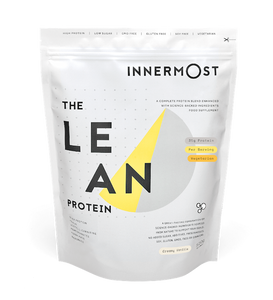
The Lean Protein
Whey protein powder for weight-loss.
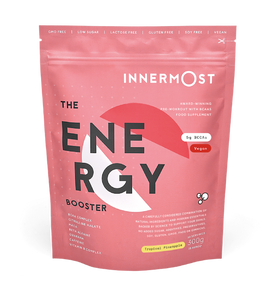
The Energy Booster
Pre/intra-workout powder with BCAAs.

Is Coffee Helpful Or Harmful For Weight Loss? Innermost Investigates

25th April 2022

25th April 2022

By Shivraj Bassi

It’s the reason you get up in the morning, it’s what you take a break for at work and it’s what you meet your friends to get at the weekend. Have you guessed what we’re talking about yet? It’s coffee, of course. 

Probably the most tolerated addiction out there is a caffeine addiction. Around 50% of people enjoy a cup of joe every single day, from double espressos to blended iced lattes topped with a halo of whipped cream. We all know that the latter isn’t doing you any favours when it comes to losing weight, but what about the black stuff itself? 

Most diets out there, from inflammation fighting diets to the Sirtfood diet to the military diet, don’t have an issue with allowing you to keep drinking coffee. As long as you’re not packing your early morning or mid afternoon Americano with tons of cream and sugar, you’re good to go. 

However, scientists have yet to conclude whether coffee is harmful or helpful when it comes to losing weight. The research goes back and forth on whether sipping the caffeine-filled beverage helps you to shed pounds. As at Innermost we’re big fans of starting our days with a nice, hot cup of coffee, we decided to dig down and try to discover if coffee will help you on your weight loss journey once and for all. 

Does drinking coffee help you lose weight?

While there have been some studies that go some way to prove that drinking coffee can help with weight loss, there’s no enough evidence yet to categorically be sure. 

One 2019 study examined the fact that caffeine may stimulate brown adipose tissue, which is the fat in your body which burns calories. It found that drinking a single cup of coffee increases your metabolic rate to the point of inducing activity in brown adipose tissue, which leads to fat burning and weight loss. 

A study by Harvard public health researchers in 2020 discovered that people who drank four cups of coffee per day had a 4% decrease in body fat. Although they’re not certain, the researchers thought this is because coffee increases your metabolic rate, which can increase the number of calories your body burns. 

In addition, caffeine has been proven to have a positive effect on exercise capacity and endurance, and in delaying the onset of fatigue. This means it allows you to exercise faster, for longer, and feel less tired. 

The National Collegiate Athletic Association in the US has even started to ban caffeine at high doses, such is its positive effect on performance during exercise. A study found that 400mg of caffeine increased endurance in athletes, and during a test they were able to cover one to two miles more ground when running than the placebo group were. Another study showed that during a 1,500m run, people who drank regular coffee were 4.2 seconds faster than those who drank decaf. Thus while caffeinated coffee might not have been categorically proven to increase the body’s fat burning ability, it does seem to increase your ability to exercise in a positive way. 

Does coffee stop you from losing weight?

On the other side of the coin is caffeine’s more negative side effects (apart from the fact that if you have a daily coffee shop habit, you’re spending money every day that you could put towards your favourite exercise class or a new variety of protein powder - although we too know the feeling of that 10am oat milk latte craving). 

Drinking coffee has been linked to craving more sugar. This means that if you enjoy a cappuccino in the morning, you could be more likely to reach for sugary snacks come the 4pm slump. A study published in 2017 showed that coffee could confuse people’s taste perception of sweetness. 

In addition, it’s been thoroughly proven that consuming caffeine can lead to trouble sleeping. A 2013 study in the Journal of Clinical Sleep Medicine concluded that drinking the stuff even six hours before your head hits the pillow can disturb your sleep. As insufficient or poor sleep has been linked to weight gain many times, this is a worrying correlation. 

As we said before, drinking coffee is a mixed bag when it comes to weight loss. Much depends on how much coffee you’re drinking, when you’re drinking it and the effect you’re looking for when it comes to weight loss and performance. There might not be any fully conclusive evidence to support drinking coffee or not when it comes to losing weight, but that doesn’t mean that you can’t drink it if you want to - just be sure not to rely on it when it comes to shedding those pounds. That’s ok, however, because we have plenty of resources to help you out with that on our Insight blog

Whatever you decide, try not to exceed 400mg of coffee a day or it’s likely that you’ll feel jittery and have trouble sleeping at night. And remember that caffeine is also found in other foods, such as matcha green tea and chocolate. 

Fad or friend? Coffee and lemon

If you've got a TikTok account (or any social media platform, it seems), it's likely that you've stumbled across the latest weight loss fad: lemon coffee. Users on social platforms have been raving about this supposed quick and easy weight loss method - and to be honest, that raised alarm bells with us. Weight loss (well, effective weight loss) is never that quick, and is rarely an easy task.

So, of course, we investigated. If it sounds too good to be true, it probably is. At least when it comes to your health and wellness, that is. 

The trend is simple: all you have to do is add lemon juice to your regular, plain old cup of black coffee. Half a lemon's worth, to be precise.

The latest weight loss hack is supposedly meant to combine the reported benefits of coffee for weight loss, and that of lemon water for detox. Both ingredients are said to suppress hunger, which in turn, supposedly leads to weight loss.

You heard it here though - there's no substantiating evidence to back up the effectiveness of this method, so if you're thinking about trying it, we'd probably suggest you save your taste buds that sour, bitter roller coaster. 

Summary 

So, does coffee make you lose weight? Does lemon coffee? Well, not really. It's just not that simple.

Here at Innermost, if weight loss if your fitness goal, we recommend a workout routine that prioritises cardio (and rest days, too), and a healthy, balanced diet that makes sure you are getting all of the nutrients you need whilst achieving a calorie deficit. 

If you’re looking to get some caffeine in your life, though, it can be found in The Energy Booster and The Tone Capsules, perfect for that extra boost to power you through your workout. 

Product Spotlight

Need Expert Advice?

Other Insights

Halal Collagen Cover Image
Collagen has become a staple in many modern wellness routines, used to support everything from skin health to recovery and joint function. But as its popularity has grown, so too has the need for greater clarity around what’s in these products - and how they’re made. Case in point - halal collagen. Unlike other supplement ingredients, collagen is typically derived from animal sources. This makes its suitability under halal dietary guidelines less straightforward. Two collagen powders may look almost identical on the surface, yet differ significantly in how they are sourced, processed, and certified, meaning that one might be halal compliant and the other not so much. For anyone looking to incorporate collagen supplements into their routine, understanding these differences matters. This guide breaks down what exactly makes collagen halal and non halal, where confusion often comes in, and how to choose a supplement that aligns with both your values and your expectations for quality. What is halal collagen? Halal collagen refers to collagen that has been produced in accordance with Islamic dietary laws. While the term “halal” is often associated with food, the same principles apply to supplements, including collagen powders and capsules. In practice, this means that halal collagen must meet specific criteria across its entire lifecycle - not just in its final ingredient form. What makes collagen halal certified? Determining whether collagen is halal goes far beyond scanning an ingredient label. Collagen itself is most sourced from bovine (cow) or marine (fish) origins. Whether either is considered halal depends not only on the source, but on how it has been handled from extraction through to final production. Halal sourcing The sourcing of collagen is the first step to halal certification. Firstly, for a collagen product to be halal it must be sourced from a halal permissible animal such as cattle (bovine collagen) or fish (marine collagen). For bovine collagen, animals must be raised and slaughtered according to halal principles and Islamic rites collectively known as Zabiha. This includes: Invocation of Allah's name (Tasmiyyah) at the moment of slaughter. A swift cut to the throat to ensure humane treatment. Slaughtering conducted by a sane adult Muslim. The animal must also be healthy at the time of slaughter. Without the above considerations, collagen supplements cannot be considered permissible, regardless of quality. Halal processing Processing is the next critical factor in halal collagen certification. Collagen extraction often involves enzymes or chemical treatments to isolate and refine the protein. This hydrolysis process often uses enzymes to break down collagen into peptides. These enzymes must be plant-based (e.g., papain) or sourced from halal-certified animals; porcine-derived enzymes (like porcine trypsin) are forbidden. If any of these substances are derived from non-halal sources, the integrity of the product is compromised. Any solvents or processing aids used during extraction must also be free from ethanol or other non-halal alcohols. Halal collagen certification also ensures that no prohibited additives, such as non-halal gelatine carriers or animal-based anti-caking agents, were introduced during the manufacturing process. Halal Manufacturing Manufacturing standards are also highly important in making collagen supplements halal certified. Even when ingredients are halal, shared facilities or inadequate controls can introduce cross-contamination. As such, the manufacturing of halal collagen must follow the below guidelines: Non cross contamination: certified products are produced under strict conditions that ensure separation from non-halal substances throughout production, storage, and packaging. Complete surface cleaning: If a facility handles both Halal and non-Halal products, a rigorous, religiously supervised deep cleaning (often called Samak or Taharah) must occur between runs. Auditors must verify that no "Najis" (unclean/prohibited) residues remain. Common Misconceptions About Halal Collagen As collagen has become more widely used, a number of assumptions have emerged around its suitability within a halal diet. These are some of the most common. Collagen is Halal be default: because collagen is a natural protein, it’s easy to assume it meets dietary requirements. In reality, its origin and processing determine whether it is permissible. Marine collagen is always halal: While often suitable, this still depends on how the collagen is produced and whether non-halal substances are introduced during processing. Hydrolysed collagen is always halal: As with other forms of collagen, halal permissibility depends entirely on its source and production. There is also a tendency to equate “clean” or “natural” products with halal compliance. While these qualities can overlap, they are not the same. A supplement may be free from additives and still not meet halal standards. Benefits of halal collagen When halal collagen is produced with quality and integrity in mind, it can support a range of wellness goals. While we’ve spoken about these before, however below are some of the key benefits of halal collagen: It plays a role in maintaining skin structure and elasticity. Supports joint function and contributes to recovery following physical activity. They form part of a broader approach to looking, feeling, and performing at their best. These benefits are closely linked to how the collagen is sourced and formulated. Products that prioritise transparency, clean processing, and effective formats - such as hydrolysed collagen peptides - are more likely to deliver consistent results. For those seeking halal collagen supplements, this alignment between quality and compliance becomes key. How to choose a halal collagen supplement? Choosing a halal collagen powder or supplement should feel straightforward, but in practice it often requires a closer look. Below are some of the key things you should look for when purchasing halal collagen supplements: Certification is the most reliable starting point. A recognised halal certification confirms that the product has been assessed across sourcing, processing, and manufacturing. Clear information about where the collagen is sourced and how it is produced can indicate a more considered approach to formulation. The type of collagen also matters. Hydrolysed collagen peptides are widely used because they integrate easily into daily routines and are readily utilised by the body. The overall experience of the product. Taste, mixability, and ease of use all contribute to whether a supplement becomes part of a consistent routine - which is ultimately where results are seen. Is Innermost halal? In short, yes. Innermost products are halal certified, meaning they meet strict standards across sourcing, processing, and production. This ensures that every stage of development aligns with halal requirements. Innermost’s The Glow Blend contains high quality halal certified hydrolysed bovine collagen peptides and is formulated to support your skin and overall wellbeing, with extra nutrients like hyaluronic acid, vitamin C, biotin and folate. Alongside certification, our Innermost proteins and supplements focuses on clean, effective formulations designed to support real results. We prioritise ingredient quality, avoid unnecessary additives, and create products that fit seamlessly into everyday routines. If you’re looking for a collagen supplement that aligns with both your nutritional goals and your values, explore the Innermost range to find a halal-certified option that fits seamlessly into your routine. References Permadi, S., Ujilestari, T., Hakim, L et al. Characteristics and Applications of Collagen from the Animal By-Product as a Potential Source for Food Ingredients. Permadi et al. Reviews in Agricultural Science. 2024, 327-346. Click here. Aslan., H. The influence of halal awareness, halal certificate, subjective norms, perceived behavioral control, attitude and trust on purchase intention of culinary products among Muslim costumers in Turkey. International Journal of Gastronomy and Food Science. 2023. Click here. Schmidt, M. M. et al. Collagen extraction process. International Food Research Journal. 2016. Click here. Read more
How Do Greens Powders Benefit The Body?
Greens powders and superfood powders have become a big part of the supplement game. They promise a convenient way to support your nutritional intake, especially on days when eating enough fruit or veg feels out of reach. But, what do they actually do for the body? And are they worth including in your routine? In this blog, we’ll break down what greens powders are, what goes into them and the benefits they can offer. We’ll also take a closer look at our new The Greens Blend and how it builds on the typical formula. What are greens powders? Greens powders are concentrated blends of dried and powdered plant-based ingredients. Most combine vegetables, fruits, herbs, algae, and other nutrient-dense foods into a single supplement that can be mixed with water or added to smoothies. They’re designed to make it easier to increase your intake of vitamins, minerals and plant compounds without needing to prepare large quantities of fresh produce.  While they’re not a replacement for whole foods, they can help fill some gaps in your diet. They’re even more useful if you live a particularly busy lifestyle, travel regularly or just struggle to eat with enough variety day to day.  What’s typically inside a greens powder? Most greens powders and superfood powders contain a mix of ingredients that typically cover a few key food groups. Leafy greens and vegetables Ingredients like spinach, kale, broccoli and spirulina are pretty common. These provide essential micronutrients like vitamin C, vitamin K, iron and magnesium. Fruits and plant extracts Berries, apple powder or citrus extracts are also regular features in a lot of greens powders. These contribute antioxidants, which can help protect cells from oxidative stress1. Algae and grasses Spirulina, chlorella and wheatgrass are staples. These are rich in nutrients and have been studied for their potential to support immune function and overall health. Fibre-rich ingredients Some blends include ingredients like inulin or flaxseed to support digestion and gut health. This is an especially important part as only 4% of UK adults get enough fibre in their diets2! Hard to believe, but it’s true. Adaptogens and herbs Some powders add herbs like ashwagandha or green tea extract, which can help support energy levels and resilience to stress3. The exact mix can vary a lot between products, which is why not all greens powders offer the same benefits. The benefits of greens powders When used consistently, greens powders can support several areas of health. Let’s look at what the science says. 1. Supporting nutrient intake One of the main benefits of greens powders is simply helping you get more nutrients into your day in a very easy way.  Many people fall short of the recommended intake of fruits and vegetables, and greens powders can help bridge that gap by providing a concentrated hit of vitamins and minerals. For example, leafy greens are rich in micronutrients linked to overall health and reduced risk of chronic disease, and there are a host of well-documented health benefits associated with eating the right amount of fruit and veg4.  2. Antioxidant support Many superfood powders contain ingredients high in antioxidants, such as polyphenols and carotenoids. These compounds help neutralise free radicals, which can otherwise contribute to cellular damage over time. Research has shown that diets rich in plant antioxidants are associated with better long-term health outcomes5. 3. Gut health and digestion Some greens powders are designed to give your gut a helping hand too, with things like fibre, prebiotics, probiotics or digestive enzymes included. These can play a role in supporting the gut microbiome. A balanced gut microbiome is linked to digestion, immune function and even mood regulation. And probiotics, for example, have been shown to support gut health and improve digestive comfort in certain cases6. 4. Energy and overall wellbeing While greens powders aren’t stimulants, they can support energy indirectly by improving nutrient intake to give your body the fuel it needs. Deficiencies in key vitamins and minerals, such as B vitamins and iron, can contribute to fatigue7. Supporting your intake could be the helping hand you need to maintain more consistent energy levels. Are greens powders enough on their own? Unfortunately not - greens powders are a supplement, not a substitute. They don’t replace the fibre, texture and full nutritional complexity of whole foods. Eating a varied diet with fresh vegetables, fruits, whole grains, and proteins is still the foundation of good nutrition. That said, a well-formulated greens powder can be a very handy addition. It can help you stay consistent, especially on days when your routine is less than ideal. A closer look at Innermost’s The Greens Blend While they all offer their own distinct benefits, not all greens powders are created equally. Some focus on a handful of headline ingredients, while others aim for a more comprehensive approach. Innermost’s newly-released The Greens Blend is designed to go beyond what a standard greens powder offers by combining a wider range of nutrients with targeted digestive support. A broader spectrum of plant ingredients The Greens Blend includes 25 real greens, fibre-rich foods, and plant-based ingredients, offering a wider nutritional profile than many other greens powders.  We didn’t do it to show off, we did it because this diversity matters. Different plants provide different vitamins, minerals, and phytonutrients, so a broader mix can support more areas of health. Added digestive support One of the standout features in The Greens Blend is the inclusion of digestive enzymes, probiotics and prebiotics. These work together to support digestion and nutrient absorption, as well as the balance of the gut microbiome.  This is particularly useful because it’s not just about what you consume that matters, but what your body can actually absorb and use. Comprehensive vitamin and mineral profile The Greens Blend is formulated to provide a full spectrum of essential micronutrients, helping to support daily performance and overall wellbeing.  If you’re looking to support your baseline nutrition without overcomplicating your routine, look no further.  Clean and convenient The formula is made with 100% natural ingredients and contains no artificial colours, fillers or added sugar.  It’s also designed for convenience, with single-serving sachets which can be mixed with water or added to a smoothie. It couldn’t be easier to stay consistent – which is a very important part of adding a greens powder to your routine.  How to get the most from greens powders If you’re considering adding a greens powder to your routine, there’s a few key things to keep in mind: Use it consistently to see the best results Pair it with a balanced diet rather than relying on it alone Choose a greens powder with a broad range of ingredients (like The Greens Blend) Look for added digestive support if gut health is a priority (it probably should be!) Small, consistent actions have the biggest impact. It’s time to go green Greens powders and superfood powders offer a very simple way to support your nutrition, particularly when life gets busy or you just want to ensure you’re giving your body what it needs every day.  They can help increase your intake of key nutrients, support antioxidant defences, and contribute to gut health - depending on the powder you pick. Make sure to do your research on ingredients to pick the one that’s right for you.  They won’t replace a balanced diet, but they can make it easier to stay on track and help you stack wins day after day.  References Birben E, Sahiner UM, Sackesen C, Erzurum S, Kalayci O. Oxidative stress and antioxidant defense. World Allergy Organ J. 2012 Jan;5(1):9-19. doi: 10.1097/WOX.0b013e3182439613. Epub 2012 Jan 13. PMID: 23268465; PMCID: PMC3488923. Click here. Cooper H, UK still failing to meet basic dietary guidelines, The Food Foundation, July 2025. Click here. Ashwagandha: Is it helpful for stress, anxiety, or sleep?, Fact Sheet for Health Professionals, National Institutes of Health, May 2025. Click here. Pem D, Jeewon R. Fruit and Vegetable Intake: Benefits and Progress of Nutrition Education Interventions- Narrative Review Article. Iran J Public Health. 2015 Oct;44(10):1309-21. PMID: 26576343; PMCID: PMC4644575. Click here. Deledda A, Annunziata G, Tenore GC, Palmas V, Manzin A, Velluzzi F. Diet-Derived Antioxidants and Their Role in Inflammation, Obesity and Gut Microbiota Modulation. Antioxidants (Basel). 2021 Apr 29;10(5):708. doi: 10.3390/antiox10050708. PMID: 33946864; PMCID: PMC8146040. Click here. Markowiak P, Śliżewska K. Effects of Probiotics, Prebiotics, and Synbiotics on Human Health. Nutrients. 2017 Sep 15;9(9):1021. doi: 10.3390/nu9091021. PMID: 28914794; PMCID: PMC5622781. Click here. Could a vitamin or mineral deficiency be behind your fatigue?, Harvard Health Publishing, Aug 2015. Click here. Read more