








icon-account icon-glass

Popular Products

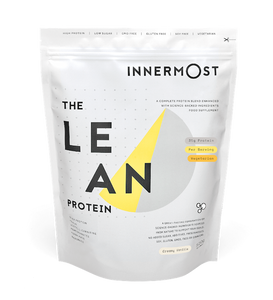
The Lean Protein
Whey protein powder for weight-loss.

How To Keep To Your New Year’s Resolutions This Year

9th January 2023

9th January 2023

By Adele Webb

So, another year draws to a close once again. Where does the time go? 2022, just like the years before it, has not been without its trials and tribulations. But on the flip side, we have all shared some fantastic moments too! It’s all about that yin and yang, right? We embrace 2023’s arrival with open arms – January is the time to reflect on ourselves, and for most, we start this period by making new year’s resolutions. Not to throw out the cliché here, but the new year, new me vibe comes to mind.

December is the time to indulge - in way too much Christmas food may we add, and once the 1st of January comes around, it's common to want to 'start fresh' and abide by a new list of rules. That might be to make healthy habits and stick to a clean eating diet, try out going vegan (The Health Protein blend can help here), or to apply for a gym membership and throw yourself headfirst into daily workout sessions (go for it).

Whichever your goals, sticking to these can be daunting and overwhelming, and are often over before they even began. Well, fear not, as we at Innermost are bringing some joy and a helping hand on how you can stick to your new year’s resolutions this year. We've got personal trainer Courtney Smalley on hand too to drop some serious wisdom. Let’s turn a new leaf together!

  1. New habits take time

First and foremost, switching up our usual rituals and adding a new one into the mix is not easy. This means it will not stick straight away. The saying goes…’it takes 21 days to form a habit’ and although that is not directly true, it also suggests that we cannot expect to excel on the 1st day. As human beings, we are all different and therefore take to change in alternating time frames. Interestingly enough, there was a study of 82 participants investigating how long it took to form a habit, and the time it took for these to become automatic ranged from 18 to 254 days. This therefore concludes that we must be persistent when it comes to our new year’s resolutions…instead of sighing and giving up, keep going. It will eventually stick. Trust us.

From Courtney: 

"You must be patient with yourself and your ability to adapt to a new lifestyle. If you throw yourself in the deep end you may find it incredibly overwhelming, resulting in your new journey not lasting as long as you'd like. What I like to do is creates habits that are maintainable for me. There's no point setting myself a target of 20k steps a day when I know I won't reach that. So I start with a number that is doable, and once consistently hit I will then increase and work towards the next goal. Same with water intake, protein intake and workout sessions completed in a week."

  1. Make smaller resolutions

Sometimes we become too ambitious with our resolutions and either include a long list of goals that we’ll never get around to completing, or we take on one massive habit that is far too out of our reach to even fathom. Resolutions must be reasonable, for example, saying that you will not eat any carbs throughout the year could be tricky to stick to. We suggest starting with small changes like drinking an extra bottle of water each day and making sure to keep hydrated, switching up your crisps at lunch, and having the time to meal prep so you can enjoy a tasty salad, or participate in an after-work jog with your bestie. Setting yourself smaller goals will be that much easier to conquer in the long run. Pardon the pun.

From Courtney:

"Entering a new year can be stressful as it is.The January blues hit and it's back to work... So why put more pressure on yourself with your new year's resolution? A resolution is something that is there to better your quality of life. So why create for yourself huge resolution that is going to give you stress, and in return hinder your quality of life? Make small achievable resolutions, and once that has been hit you can always make another one... slowly ticking off that list!"

  1. Talk about it

Don’t feel like you have to do this on your own. Telling your friends and family about your new year goals will mean they can support you and cheer you on. Keeping it a secret is not the way to go, there’s something special about being able to show off your accomplishments to your loved ones. What’s more, if you can find a buddy who will do the same resolution as you, well that’s a win-win situation. Everything is always better with a partner by your side as you can motivate each other and pick up spirits when they get low. Or for another way to become more accountable – sharing your resolutions on social media may also help. Here us out here. Making your goals public may actually make you more driven as you want to show everyone that you can achieve them…as well as possibly prove them wrong. Just us over here being smug.

From Courtney:

"Get excited about it! You are taking time for yourself to focus on your health, your body and your mindset. Talk to people and share your journey. This will also help increase your accountability as others will now be informed of your fitness journey, and excited to see your results. But this doesn't mean you're doing this journey for them, still do it for you and only YOU. This just means you're holding yourself more accountable by sharing with others."

  1. Write down your goals and be reflective

Keeping a journal and firstly listing down the goals you want to achieve is the best way to start. Order is key here. A messy brain equals a messy life right, so ensuring you have a place where you can jot down your daily tasks and tick these off as you accomplish them will make you feel more motivated. There’s something mystical about looking over a page that is all ticked off! Journalling is also useful at the end of each month too. As the 30th or 31st hits, it is worth asking yourself:  

  • What went well over that month and what didn’t go so well?
  • What areas can you improve on going forward?
  • Are you proud of yourself?

Answering these questions will ensure you know how far you have come and where you can proceed going forward. This makes your resolutions more realistic and obtainable as well as provides a reflection on how far you have come. Always be proud of your achievements no matter how big or small.

From Courtney:

"This is something I implement when working towards my fitness and health goals! Writing your goals down is your first step towards actively going out and working for them. You have written it down, which means you WANT IT, and now it's time to WORK FOR IT. You want to be able to tick those goal off one day, so keep them there as a reminder and the day you tick that goal off you will feel unstoppable!"

Why do resolutions fail?

Not to switch to a down note, but as well as knowing pointers on the ways to stick to your new year’s resolutions, it is also beneficial to be mindful of why these fail. I’m sure we have all fallen short in the past, and just haven’t had the passion or motivation to keep to one or all our resolutions. It’s always important to know what you’re up against, so read the following common reasons why these goals may not stick:

  • You focus too much on the end goal and not the process
  • Your goal doesn’t match your values
  • It’s a resolution created based on what someone else or society is telling you to change
  • You don’t have a clear plan in place – it’s too vague
  • There’s no clear reward each time you complete your resolution

All in all, your resolutions should fall under the SMART acronym:

  • Specific – your goal should be clear and precise
  • Measurable – it is important to track your process
  • Achievable – make sure you outline a habit that is realistic and obtainable
  • Relevant – does the goal matter to you? Are you changing your lifestyle for the right reasons?
  • Time-bound – the timeline to achieve your resolutions should be reachable. Give yourself enough time to make the alterations

Summary

2023 is the year for change, and we hope our tips will push you in the right direction to ensure your new year’s resolutions come to fruition. Start small, and don’t be afraid to get some help along the way…but most of all keep motivated. We would like to take this time to say thank you for all your support in 2022 and wish you all a happy new year. We can take on this new chapter together and become fitter, stronger, and wiser…let’s jump into January with a spring in our step – Veganuary, dry January, you name it…we’ve got this!

To see more from Courtney, check her out on Instagram @keeping.fit.with.courtney and @gigihabibi, and try her 1:1 coaching plan here.

Product Spotlight

Need Expert Advice?

Other Insights

Your Summer Survival Kit (From Someone Who Travels A Lot)
I'm putting the finishing touches to this post from an airport, which feels appropriate. By my count, I'll be going through three countries in the next six weeks. Meetings, a trip to see family including my niece and nephew, a supplier visit in Italy that I've been putting off for a year. And every summer the same thing happens. The carefully built routine, the one that took months to lock in, gets thrown into a suitcase and I hope for the best. Most people react to this by either giving up on the routine entirely ("I'll sort it out when I'm back") or overpacking so aggressively that half of it never leaves the bag. I've done both. Neither works. What actually works is deciding, in advance, which two or three things earn a place in my bag and which ones can wait until September. So here's mine. Not a wellness influencer's "what's in my bag" video. An honest list, built over about a decade of getting this wrong first. Why travel breaks routines specifically It's worth being precise about what actually changes when you travel, because it isn't just "less discipline." Three things shift at once. You sweat more and drink less water than usual, because you're distracted or the flight dried you out or the hotel room is warmer than home. You're outdoors more, often somewhere sunnier than wherever you live. And your meals stop being yours. You eat what's available, when it's available, and protein is usually the first thing to slip, because sugar, carbs and fat are what's on offer at 6am airport cafes. None of this is a discipline problem. It's an environment problem. The fix is making sure two or three specific things are in my bag before I leave home, so I’m not relying on willpower to begin with. 1. Electrolytes, non-negotiable Most people remember to pack sunscreen. Almost nobody packs electrolytes, and it's the one that actually catches up with you. Water replaces volume, not what you lose through sweat, which is mostly sodium and potassium and magnesium doing the quiet work of keeping muscles firing and fluid balanced properly. Miss that balance for a few days in the heat and you get the symptoms everyone blames on jet lag: the headache, the flat energy, the slight fog by 4pm that a coffee doesn't fix. It's usually not jet lag. It's electrolytes. I take The Hydrate Blend  for exactly this reason. Six electrolytes, no sugar, no synthetic flavouring, dissolves in a bottle of water in about ten seconds. One sachet on a travel day, first thing in the morning, does more for how I feel by evening than anything else in the bag. 2. Something for the sun you're actually going to get Here's the part most people don't think about until it's too late. UV exposure accelerates collagen breakdown, which is a slightly clinical way of saying that a week of proper sun does more to skin structure than most of the year combined. This isn't about vanity. It's a straightforward mechanism: UV generates free radicals that degrade existing collagen faster than your body can replace it. Sunscreen protects against the burn. It doesn't do anything for the collagen you're losing underneath. I've been taking The Glow Blend through summer for this reason specifically. Hydrolysed collagen peptides paired with vitamin C, which matters because vitamin C is a required co-factor for collagen synthesis and most collagen products leave it out entirely, then wonder why customers don't notice anything. It won't undo a week in the sun. It gives your skin something to rebuild with while it's under more pressure than usual. 3. Protein, especially when the meals aren't yours This is the one I've learned the hard way. When your diet goes inconsistent, protein is usually the first macronutrient to drop, simply because it's the hardest to find on the move. Airport food, hotel breakfasts, whatever's left at a conference buffet by 1pm, none of it is built around protein. And the honest science here is less dramatic than people expect: you don't need to train harder to maintain muscle through a disrupted period, you need to keep protein intake somewhere close to normal. That's the whole trick. I'll say this honestly because I'd rather be straight with you than pretend otherwise: my go-to for this is still The Strong Protein (whey based) and The Health Protein (vegan). They earn their place in my bag because they travel well, mix with nothing but water, and does the one job that actually matters on the road, which is making sure protein doesn't disappear from your day just because your routine has. The actual point None of this is about maintaining perfect discipline on holiday. Nobody does that, and if a brand tells you they do, they're not being honest with you. It's about deciding in advance which three or four things matter enough to bring, so the choice isn't being made for you by whatever's in the hotel minibar. If you've got a system that works for you when you travel, reply and tell me. I read every one of these, and I'm always looking to steal a better idea for my next trip. If this is useful, forward it to whoever in your life is about to live out of a suitcase for the next few weeks. It's the email I wish someone had sent me a decade ago. Read more
How to Beat Imposter Syndrome, According to Experts
Do you ever feel like a fraud at work? Or worry that people won’t love the ‘real’ you? Even when you have evidence that suggests none of the above is true? Then, you could be experiencing imposter syndrome - and, you’re not the only one.  Research shows imposter syndrome is a universal struggle with one review finding that up to 82% of people could be experiencing imposter syndrome and suffer from anxiety, burnout and exhaustion because of it. While imposter syndrome can feel deflating and challenging, the good news is that there are steps you can take to overcome self-doubt and boost self-confidence, so you stop holding yourself back from reaching your full potential To help you leave imposter syndrome behind for good, we spoke to two experts to bring you everything you need to know including how to spot it and how to beat it.  What Is Imposter Syndrome? “Imposter syndrome is the overwhelming feeling of self-doubt or fear of being exposed as a ‘fraud’,” explains Holistic Health & Wellness Coach Christina Calderwood. When we experience imposter syndrome it’s because we believe on some level that our achievements are down to luck or other factors and not our own ability, and we feel unworthy of our success. “Those with imposter syndrome worry that others will eventually uncover the ‘truth’ and see their perceived lack of skill and capability, despite evidence of their success and achievements,” Christina adds.  Signs of Imposter Syndrome Imposter syndrome can show up in different ways and may show up differently depending on the scenario you are in.  For example, imposter syndrome at work can look like questioning if your contributions are valuable and choosing to stay silent out of fear. In friendships it can look like worrying what others think of you and in romantic relationships you might feel you're undeserving of your partner's love and affection. Imposter syndrome often shows up in self-limiting thoughts and beliefs, and the stories we tell ourselves. According to Christina, some of the most common thoughts people with imposter syndrome may have include:  I don't deserve this success, I just got lucky. I'm not as smart or talented as they think I am. I'm afraid they will find out I don't know what I'm doing. I’m afraid they will see the ‘real’ me and not like me for who I really am.  I have to work harder than others to prove myself and achieve my goals. I can't make any mistakes or ask for help, or they will think I'm incompetent.  Why do we experience Imposter Syndrome “Imposter syndrome is more common than we might think and something we may experience at different stages of life,” mindset and confidence coach Francesca Nervegna tells us. With research suggesting that up to 70% of us may experience imposter syndrome in our lifetime, this fear-driven mindset can affect anyone at any time, regardless of their age, gender or profession.  There are many reasons why we may experience imposter syndrome, some of these include striving for perfectionism, our upbringing, facing a new challenge and social comparison.  “Perfectionism is another way that self-sabotage and imposter syndrome can disguise themselves,” explains Christina. “Holding ourselves to unrealistic standards and expectations stops us from going after our dreams, let alone even trying. This happens when we are afraid of failing, of being seen, feeling vulnerable or not feeling as good as others.”  The environment in which we grew up in can also lead us to strive for perfectionism and experience imposter syndrome. “People who grew up in environments with high expectations or where success was often compared to others' achievements may have internalised the belief that they need to constantly prove their worth,'' Christina adds.  Similarly, a big life change that involves taking the leap before we feel ‘ready’, such as a new job or promotion, can trigger self-doubt and feelings of imposter syndrome.  We may experience imposter syndrome when we compare ourselves to others, either those around us or on social media. “The grass may seem greener on the other side, we might think that others are better than us and start to compare ourselves to them and compete with them in our minds,” Francesca adds.  Christina echoes this: “We're constantly bombarded with messages that our worth is tied to our achievements and external validation. The pressure to meet these unrealistic standards can be overwhelming.” Christina believes that social media makes this worse by only showing us the highlights, making it seem like everyone else has got everything together while we are struggling.  Stereotypes can also lead to feelings of imposter syndrome. “Individuals from underrepresented groups may feel added pressure to succeed and represent their group positively, which can contribute to imposter syndrome,” Christina explains. “They might also face implicit or explicit biases that undermine their confidence.” How to beat Imposter Syndrome The first step to beating imposter syndrome is becoming aware of it and identifying that we have self-limiting beliefs. “Once we identify it, we are already one step ahead and we can start working on it,” Francesca explains.  Acknowledge your feelings To start identifying your limiting beliefs and find clarity around why these thoughts or feelings are coming up, Francesca suggests journaling. Once you identify your negative thoughts and the beliefs that fuel them, you can start to work on overcoming them.  Christina suggests using a technique called cognitive reframing, which involves replacing your negative thoughts with more positive and realistic ones.  This could include something like:  I deserve this success because I worked hard for it and I have the right skills and qualifications.  I don't have to know everything, no one does. I can learn from my mistakes and ask for help when I need it. I deserve love and a fulfilling relationship because I offer kindness, respect, and genuine care. I don’t need to be perfect in a relationship; no one is. Celebrate your achievements No matter how big or small, taking time to reflect on your accomplishments and celebrating your achievements will help to shift your mindset and reduce feelings of imposter syndrome. “Create a folder where you list down any positive feedback, milestones and accomplishments, or keep a journal with your successes, big & small. Come back to them whenever self-doubt creeps in,” Christina advises.  Share your experiences Opening up to trusted friends about your experiences may help you to feel less alone, and connect with others around you who are also experiencing imposter syndrome. “Sometimes, just hearing others say they’ve felt the same way can be incredibly validating.” Christina says.  Challenge negative thoughts Whenever you catch yourself thinking a negative thought, such as ‘I’m not good enough’, counter it with evidence that shows you it’s untrue. “Often, you’ll find that the negative thoughts are baseless and you have far more examples of why you are good enough, exactly as you are. “ Christina says.  Francesca often uses positive affirmations with her clients, to help them require their brain and replace old patterns and limiting beliefs with new ones.  “You can also use positive affirmations to rewire your brain and replace old patterns and limiting beliefs with new ones,” Francesca adds. “Your brain will believe anything that you tell it, if you are constantly affirming that you are an imposter and you are not good enough, you will keep believing it. On the other hand, thanks to neuroplasticity, you can reprogram your brain to embrace more positive thoughts and, in turn, boost your confidence.” Shift to a growth mindset Beating imposter syndrome is all about shifting your mindset from striving for perfectionism to embracing growth. “If you are ready to stop self-sabotaging and stop letting your internal dialogue make you feel like an imposter you are going to have to let yourself be imperfect,” says Chrsitna. She adds: “Understand that mistakes and failures are part of life and a fundamental part of the learning process. Remember, courage comes first, confidence follows.” Read more