








icon-account icon-glass

Popular Products

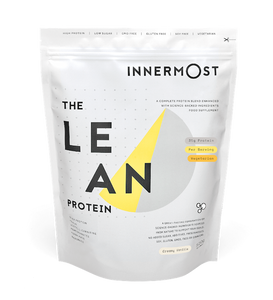
The Lean Protein
Whey protein powder for weight-loss.

Ever Had That Pre-Workout Induced Tingle? Here’s Why

8th August 2022

8th August 2022

By Beth Shelper

If you’re an avid user of pre-workout and beta alanine (maybe you’re part of the lovely community that use The Energy Booster to fuel your exercise), you may have experienced what can only be described as a tingle.

Now, don’t be alarmed. This beta-alanine itch is normal.  More than normal. To be expected, in fact. And it’s all to do with a sensation caused by one of the main ingredients contained in pre-workout supplementations, including The Energy Booster.

And we know what you’re thinking. It’s all well and good saying that it’s normal… that’s fine. But why? What is it, and what causes the sensation? Given how important pre-workout supplements and nutrition are in supporting physical and mental performance, is the pre-workout tingle something that we’re all just going to have to deal with? How can beta-alanine enhance your workout? 

It’s time to get to the bottom of that pre-workout tingle. But first, we’ve spoken a lot about this tingle-inducing ingredient, and as we’ve said, include it in The Energy Booster. So it’s only fair that we first give you the low down on this ingredient that packs a (great) punch.

What is beta-alanine?

Beta alanine is one of the non-essential amino acids that can be made by the body. For this reason, we don’t necessarily need to integrate foods into our diet that supplement our beta alanine levels, but many people choose to do so using supplementations like The Energy Booster to improve athletic performance, and even physical performance in elderly adults.

Beta-Alanine Formula

What does beta-alanine do and how does it enhance performance?

Beta-alanine (and therefore, supplementations that contain this non-essential amino acid) are effective in promoting increased physical performance due to the nature of beta-alanine and its basis in carnosine, the amino acid plays a big role in muscle size and subsequent muscle and strength performance.

A 2022 study within the Baltic Journal of Health and Physical Activity also highlighted the benefits of beta-alanine for reducing feelings of fatigue, muscle soreness and perceived exhaustion and improving athletic performance. The study highlighted the benefits to aerobic capacity that beta-alanine can bring, allowing runners (see our complete marathon guide) to improve cardio performance.

Can I take beta-alanine every day?

With the pre-workout tingle, you might think it’s a bad idea to regularly take beta-alanine supplements. In actuality, it’s a good idea to take them every day to build up performance and reduce fatigue – taking supplements regularly can even reduce the impact of the beta-alanine itch. In fact, a 2015 study by the National Library of Medicine concluded that four consecutive weeks of daily beta-alanine supplementation (4–6 g) greatly improves “muscle carnosine concentrations” and leads to improved performance for short to medium-length workouts.

Why does beta-alanine cause pre-workout tingling, then?

There’s a pretty simple explanation, really. As the body naturally produces beta alanine, ingesting extra quantities through supplementation increases the elicitation of certain neurons in the brain that are responsible for the sensation of tingling.

That tingling sensation actually has a name, too. It’s paraesthesia.

Here are all the details on paraesthesia

Whilst now we know that paraesthesia generally refers to the general tingling sensation, but here are some more details on the sensation:

  • Paraesthesia’s most commonly felt in the hands, arms, legs and feet
  • The sensation is painless, and extremely common
  • Paraesthesia has also been described as a numbing sensation.
  • The level of itching in the skin can vary from person to person as well as levels of beta-alanine.
  • A 2019 study on beta-alanine paraesthesia highlighted the sensation to be harmless, and in some cases a sensation that improved ’affective response to exercise’
    Workout Run Man and Woman

    What are some of the other benefits of beta-alanine?

    As well as aerobic performance improvement, beta-alanine supplements have a few other notable benefits including.

    • Immune system support – Research has shown that beta-alanine supplements benefit an individuals immune system through the reduction of oxidative stress and inflammation.
    • Improved Heart health – By reducing oxidative stress as well as blood pressure, beta-alanine supplements can also lead to improved heart health.

    Is beta-alanine dangerous?

    As a result of this tingling from pre-workout, many people have questioned the use and safety of beta-alanine. The good news is there is nothing to worry about. If taken in recommended doses, beta-alanine is completely safe, and a really effective way to naturally boost performance and physical condition, during a workout!

    There is no evidence to suggest that beta-alanine is dangerous, in fact it’s quite the opposite.

    One study published in the journal of Clinical Nutrition and Metabolic Care reflects a direct correlation between the supplementation of beta alanine and improved physical performance, particularly in elderly adults. Quoted to ‘play a critical role in skeletal muscle physiology’, the findings of the study provide pretty strong evidence to support the idea that this amino acid is a great way to enhance physical performance and subsequently improve a person’s ability in sports.

    Is beta-alanine better than creatine?

    While you might think supplements like beta-alanine and creatine are 2 sides of the same coin, they offer a few key differences that can make one the better choice. The choice of supplement greatly depends on your personal fitness goals and exercises and in some cases, they can be taken together to provide you with the benefits of both.

    Creatine

    Found in The Strong Protein, creatine is most commonly used to improve muscle mass, strength and power as it increases the body’s production of adenosine triphosphate (ATP). This powers the activities of the cells, making creatine an optimal supplement for high-intensity anaerobic workouts such as weightlifting and short-distance sprinting.

    Beta-alanine

    Beta-alanine on the other hand helps to buffer lactic acid buildup in muscles, delaying fatigue during high-intensity aerobic exercises and leading to the pre-workout tingle. This makes it particularly beneficial for endurance cardio exercises in reducing otherwise accumulated fatigue.

    Summary

    So, there you have it. That pre-workout tingling is normal, it’s caused by a natural and effective ingredient that is found in our award-winning supplementation The Energy Booster, and it’s definitely nothing to worry about. As always, every ingredient we place into our products is backed by science, and science never lies.

    References

    • Blancquaert, L., Everaert, I., & Derave, W. (2015). Beta-alanine supplementation, muscle carnosine and exercise performance. Current Opinion in Clinical Nutrition & Metabolic Care, 18(1), 63-70. Click here.
    • Quesnele, J., Kim, P., Wong, J., & Wells, G. (2013). The Effects of Beta-Alanine Supplementation on Performance: A Systematic Review of the Literature, 24(1), 14-27. Click here.
    • Trexler, ET., Smith-Ryan, AE., Stout, JR., Hoffman, JR., Wilborn, CD., Sale, C., Kreider, RB., Jäger, R., Earnest, CP., Bannock, L., Campbell, B., Kalman, D., Ziegenfuss, TN., & Antonio, J., (2015). International society of sports nutrition position stand: Beta-Alanine, 12(30). Click here.
    • Ostfeld, I,. Ben-Zeev, T., Zamir, A., Levi, C., Gepner, Y., Springer, S., & Hoffman, JR., (2023). Role of β-Alanine Supplementation on Cognitive Function, Mood, and Physical Function in Older Adults; Double-Blind Randomized Controlled Study, 15(4). Click here.

    Need Expert Advice?

    Other Insights

    Your Summer Survival Kit (From Someone Who Travels A Lot)
    I'm putting the finishing touches to this post from an airport, which feels appropriate. By my count, I'll be going through three countries in the next six weeks. Meetings, a trip to see family including my niece and nephew, a supplier visit in Italy that I've been putting off for a year. And every summer the same thing happens. The carefully built routine, the one that took months to lock in, gets thrown into a suitcase and I hope for the best. Most people react to this by either giving up on the routine entirely ("I'll sort it out when I'm back") or overpacking so aggressively that half of it never leaves the bag. I've done both. Neither works. What actually works is deciding, in advance, which two or three things earn a place in my bag and which ones can wait until September. So here's mine. Not a wellness influencer's "what's in my bag" video. An honest list, built over about a decade of getting this wrong first. Why travel breaks routines specifically It's worth being precise about what actually changes when you travel, because it isn't just "less discipline." Three things shift at once. You sweat more and drink less water than usual, because you're distracted or the flight dried you out or the hotel room is warmer than home. You're outdoors more, often somewhere sunnier than wherever you live. And your meals stop being yours. You eat what's available, when it's available, and protein is usually the first thing to slip, because sugar, carbs and fat are what's on offer at 6am airport cafes. None of this is a discipline problem. It's an environment problem. The fix is making sure two or three specific things are in my bag before I leave home, so I’m not relying on willpower to begin with. 1. Electrolytes, non-negotiable Most people remember to pack sunscreen. Almost nobody packs electrolytes, and it's the one that actually catches up with you. Water replaces volume, not what you lose through sweat, which is mostly sodium and potassium and magnesium doing the quiet work of keeping muscles firing and fluid balanced properly. Miss that balance for a few days in the heat and you get the symptoms everyone blames on jet lag: the headache, the flat energy, the slight fog by 4pm that a coffee doesn't fix. It's usually not jet lag. It's electrolytes. I take The Hydrate Blend  for exactly this reason. Six electrolytes, no sugar, no synthetic flavouring, dissolves in a bottle of water in about ten seconds. One sachet on a travel day, first thing in the morning, does more for how I feel by evening than anything else in the bag. 2. Something for the sun you're actually going to get Here's the part most people don't think about until it's too late. UV exposure accelerates collagen breakdown, which is a slightly clinical way of saying that a week of proper sun does more to skin structure than most of the year combined. This isn't about vanity. It's a straightforward mechanism: UV generates free radicals that degrade existing collagen faster than your body can replace it. Sunscreen protects against the burn. It doesn't do anything for the collagen you're losing underneath. I've been taking The Glow Blend through summer for this reason specifically. Hydrolysed collagen peptides paired with vitamin C, which matters because vitamin C is a required co-factor for collagen synthesis and most collagen products leave it out entirely, then wonder why customers don't notice anything. It won't undo a week in the sun. It gives your skin something to rebuild with while it's under more pressure than usual. 3. Protein, especially when the meals aren't yours This is the one I've learned the hard way. When your diet goes inconsistent, protein is usually the first macronutrient to drop, simply because it's the hardest to find on the move. Airport food, hotel breakfasts, whatever's left at a conference buffet by 1pm, none of it is built around protein. And the honest science here is less dramatic than people expect: you don't need to train harder to maintain muscle through a disrupted period, you need to keep protein intake somewhere close to normal. That's the whole trick. I'll say this honestly because I'd rather be straight with you than pretend otherwise: my go-to for this is still The Strong Protein (whey based) and The Health Protein (vegan). They earn their place in my bag because they travel well, mix with nothing but water, and does the one job that actually matters on the road, which is making sure protein doesn't disappear from your day just because your routine has. The actual point None of this is about maintaining perfect discipline on holiday. Nobody does that, and if a brand tells you they do, they're not being honest with you. It's about deciding in advance which three or four things matter enough to bring, so the choice isn't being made for you by whatever's in the hotel minibar. If you've got a system that works for you when you travel, reply and tell me. I read every one of these, and I'm always looking to steal a better idea for my next trip. If this is useful, forward it to whoever in your life is about to live out of a suitcase for the next few weeks. It's the email I wish someone had sent me a decade ago. Read more
    Why Natural Protein Supplementation Matters
    Walk into any health shop, or scroll any supplement site, and you often find that protein powders start to blur into one. Almost all of them make the same promises on the front: ‘high in protein’, ‘no added sugar’, ‘no additional additives’. The wording is so similar that telling a genuinely good product from a synthetically produced product is harder than it should be. Read past the figure on the front however and you'll usually find a protein that contains artificial sweeteners, synthetic flavourings and colours, and even fillers or bulking agents just to name a few. The reason they tend to do this is that costs of production are much cheaper as a result of the lower quality ingredients. A naturally formulated protein supplement works the other way around. The protein comes from a quality source, the flavour and sweetness come from ingredients you'd recognise rather than ones built in a lab, and anything that doesn't need to be there is left out. This piece is about that difference: what natural really means for a protein supplement, why it matters, and how to spot it for yourself. What "natural" actually means in protein supplements "Natural" is one of the most used and least understood words in wellness, printed on plenty of labels with very little behind it. There's no strict, regulated definition for it, so a brand can reach for the word fairly freely. This is why it pays to know what you're actually looking for. Used honestly, natural points to ingredients that come from recognisable sources and are processed as lightly as the format allows. For protein, that usually means a base derived from food such as: Whey Pea Hemp Brown rice Other plant-based proteins Just as telling is what gets left out, and how openly the packaging accounts for what stays in. A natural protein supplement has little to hide, so the label tends to be short and the reasoning easy to follow. The real test is whether the formula makes sense as a whole. Can you understand what's in it? Does each ingredient have a clear purpose? And does the brand explain the benefit plainly, rather than hiding behind vague wellness language? Why ingredient quality matters in protein supplements When people compare protein powders, the first thing they often look at is the amount of protein per serving. It matters, but this number doesn’t tell you everything about a supplement’s quality. A synthetically formulated powder may contain just as much protein per serving as a natural alternative, but it may also include more artificial additives that are bad for your health.  This is especially important as supplementation is usually taken regularly as part of a daily routine. If something becomes part of your breakfast, post-workout routine or afternoon shake, the quality of the overall formula may influence how well it fits into your daily routine. Natural protein powders are often separated by a few key criteria: Ingredient sourcing: Whey is highly bioavailable and naturally rich in essential amino acids that support muscle repair. A good plant-based blend can also be effective when it is built to provide a strong amino acid profile. What surrounds the protein: Sweeteners, thickeners and flavourings affect taste, texture and how a shake feels once you have taken it. Some formulas rely heavily on artificial sweeteners, gums or thickeners, which may contribute to bloating or digestive discomfort. Digestibility: A protein you absorb and tolerate comfortably is more useful than a bigger number on the label that does not sit well with your body. Purpose: A formula built around a specific goal, such as strength, performance, energy or satiety, is more useful than a generic powder with no clear reason behind the ingredients. The benefits of natural protein supplementation The real value of natural supplementation becomes clearer when you look beyond protein content alone. Below are some of the key benefits of choosing natural protein supplements over more artificial or heavily processed alternatives. Supporting strength and lean muscle Building strength and lean muscle is one of the main reasons people turn to natural protein supplements.  A good one supports muscle repair after training and helps maintain muscle over the longer term. That's especially useful if you train regularly and eat well but can't always put together a high-protein meal straight after a session. Helping with recovery after exercise After a workout, your body needs nutrients to repair and adapt, and protein is central to that process, particularly if you train several times a week. A natural protein supplement offers a convenient way to support recovery without making nutrition feel complicated, whether mixed into a shake, smoothie or simple post-workout snack. Supporting satiety and body composition goals Protein keeps you feeling fuller for longer, which makes balanced eating easier to stick to.  For anyone working towards fat loss, lean muscle or general body composition, natural protein supplementation helps steady your daily nutrition alongside whole foods, movement and rest, without relying on the added sugar that some cheaper formulas contain. Making daily nutrition easier Even with good intentions, it is not always easy to get enough protein through meals alone. Busy days, training schedules and travel can all make consistency harder.  A natural protein gives you a simple, repeatable way to keep your intake up on the days that get away from you, using ingredients you can actually recognise. Natural supplementation doesn't have to taste bland There's a common assumption that natural supplements have to taste bland, chalky or unpleasant. Plenty of people have met exactly that: a protein that sounds healthy on paper but turns out too earthy, too sweet or too gritty to enjoy. It gets used for a few days, then pushed to the back of the cupboard. The problem there is usually the formulation, not the missing additives. Chalky, overly sweet shakes come from corners being cut. Getting flavour and texture right without falling back on heavy sweeteners is genuinely hard, which is a good sign a brand has done the work. Taste matters for a practical reason as much as an enjoyable one. A protein you look forward to is one you'll keep using, and consistency is what actually delivers results. The best-formulated supplement on the shelf does nothing while it sits unopened. The innermost approach to natural protein Everything above is the standard we at Innermost hold ourselves to. Our proteins are built on clean and naturally-derived ingredients, formulated with the backing of nutritional science rather than guesswork. We leave out the fillers, bulking agents and needless extras that have no business being in a quality protein, and we're open about what goes in and why. We also happen to think clean and natural should taste good, because a protein you enjoy is a protein you'll actually use.  Explore our protein powders to find the formula that best fits your goals, routine and lifestyle. References Morton, W., Murphy, T., et al (2018). A systematic review, meta-analysis and meta-regression of the effect of protein supplementation on resistance training-induced gains in muscle mass and strength in healthy adults. Br J Sports Med. 52(6). Click here. Jäger, R., Kerksick, C., et al (2017). International Society of Sports Nutrition Position Stand: protein and exercise. J Int Soc Sports Nutr. Click here. Seijo, M., Naclerio, F. (2019). Whey Protein Supplementation and Muscle Mass: Current Perspectives. Click here. Read more