








icon-account icon-glass

Popular Products

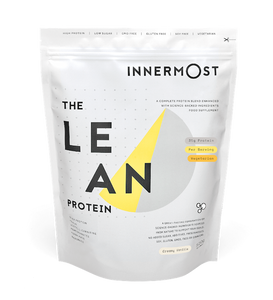
The Lean Protein
Whey protein powder for weight-loss.
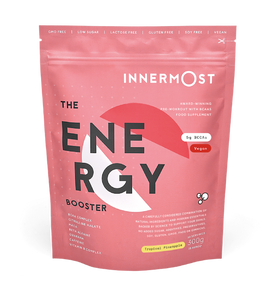
The Energy Booster
Pre/intra-workout powder with BCAAs.

Ever Had That Pre-Workout Induced Tingle? Here’s Why

8th August 2022

8th August 2022

By Beth Shelper

If you’re an avid user of pre-workout and beta alanine (maybe you’re part of the lovely community that use The Energy Booster to fuel your exercise), you may have experienced what can only be described as a tingle.

Now, don’t be alarmed. This beta-alanine itch is normal.  More than normal. To be expected, in fact. And it’s all to do with a sensation caused by one of the main ingredients contained in pre-workout supplementations, including The Energy Booster.

And we know what you’re thinking. It’s all well and good saying that it’s normal… that’s fine. But why? What is it, and what causes the sensation? Given how important pre-workout supplements and nutrition are in supporting physical and mental performance, is the pre-workout tingle something that we’re all just going to have to deal with? How can beta-alanine enhance your workout? 

It’s time to get to the bottom of that pre-workout tingle. But first, we’ve spoken a lot about this tingle-inducing ingredient, and as we’ve said, include it in The Energy Booster. So it’s only fair that we first give you the low down on this ingredient that packs a (great) punch.

What is beta-alanine?

Beta alanine is one of the non-essential amino acids that can be made by the body. For this reason, we don’t necessarily need to integrate foods into our diet that supplement our beta alanine levels, but many people choose to do so using supplementations like The Energy Booster to improve athletic performance, and even physical performance in elderly adults.

Beta-Alanine Formula

What does beta-alanine do and how does it enhance performance?

Beta-alanine (and therefore, supplementations that contain this non-essential amino acid) are effective in promoting increased physical performance due to the nature of beta-alanine and its basis in carnosine, the amino acid plays a big role in muscle size and subsequent muscle and strength performance.

A 2022 study within the Baltic Journal of Health and Physical Activity also highlighted the benefits of beta-alanine for reducing feelings of fatigue, muscle soreness and perceived exhaustion and improving athletic performance. The study highlighted the benefits to aerobic capacity that beta-alanine can bring, allowing runners (see our complete marathon guide) to improve cardio performance.

Can I take beta-alanine every day?

With the pre-workout tingle, you might think it’s a bad idea to regularly take beta-alanine supplements. In actuality, it’s a good idea to take them every day to build up performance and reduce fatigue – taking supplements regularly can even reduce the impact of the beta-alanine itch. In fact, a 2015 study by the National Library of Medicine concluded that four consecutive weeks of daily beta-alanine supplementation (4–6 g) greatly improves “muscle carnosine concentrations” and leads to improved performance for short to medium-length workouts.

Why does beta-alanine cause pre-workout tingling, then?

There’s a pretty simple explanation, really. As the body naturally produces beta alanine, ingesting extra quantities through supplementation increases the elicitation of certain neurons in the brain that are responsible for the sensation of tingling.

That tingling sensation actually has a name, too. It’s paraesthesia.

Here are all the details on paraesthesia

Whilst now we know that paraesthesia generally refers to the general tingling sensation, but here are some more details on the sensation:

  • Paraesthesia’s most commonly felt in the hands, arms, legs and feet
  • The sensation is painless, and extremely common
  • Paraesthesia has also been described as a numbing sensation.
  • The level of itching in the skin can vary from person to person as well as levels of beta-alanine.
  • A 2019 study on beta-alanine paraesthesia highlighted the sensation to be harmless, and in some cases a sensation that improved ’affective response to exercise’
    Workout Run Man and Woman

    What are some of the other benefits of beta-alanine?

    As well as aerobic performance improvement, beta-alanine supplements have a few other notable benefits including.

    • Immune system support – Research has shown that beta-alanine supplements benefit an individuals immune system through the reduction of oxidative stress and inflammation.
    • Improved Heart health – By reducing oxidative stress as well as blood pressure, beta-alanine supplements can also lead to improved heart health.

    Is beta-alanine dangerous?

    As a result of this tingling from pre-workout, many people have questioned the use and safety of beta-alanine. The good news is there is nothing to worry about. If taken in recommended doses, beta-alanine is completely safe, and a really effective way to naturally boost performance and physical condition, during a workout!

    There is no evidence to suggest that beta-alanine is dangerous, in fact it’s quite the opposite.

    One study published in the journal of Clinical Nutrition and Metabolic Care reflects a direct correlation between the supplementation of beta alanine and improved physical performance, particularly in elderly adults. Quoted to ‘play a critical role in skeletal muscle physiology’, the findings of the study provide pretty strong evidence to support the idea that this amino acid is a great way to enhance physical performance and subsequently improve a person’s ability in sports.

    Is beta-alanine better than creatine?

    While you might think supplements like beta-alanine and creatine are 2 sides of the same coin, they offer a few key differences that can make one the better choice. The choice of supplement greatly depends on your personal fitness goals and exercises and in some cases, they can be taken together to provide you with the benefits of both.

    Creatine

    Found in The Strong Protein, creatine is most commonly used to improve muscle mass, strength and power as it increases the body’s production of adenosine triphosphate (ATP). This powers the activities of the cells, making creatine an optimal supplement for high-intensity anaerobic workouts such as weightlifting and short-distance sprinting.

    Beta-alanine

    Beta-alanine on the other hand helps to buffer lactic acid buildup in muscles, delaying fatigue during high-intensity aerobic exercises and leading to the pre-workout tingle. This makes it particularly beneficial for endurance cardio exercises in reducing otherwise accumulated fatigue.

    Summary

    So, there you have it. That pre-workout tingling is normal, it’s caused by a natural and effective ingredient that is found in our award-winning supplementation The Energy Booster, and it’s definitely nothing to worry about. As always, every ingredient we place into our products is backed by science, and science never lies.

    References

    • Blancquaert, L., Everaert, I., & Derave, W. (2015). Beta-alanine supplementation, muscle carnosine and exercise performance. Current Opinion in Clinical Nutrition & Metabolic Care, 18(1), 63-70. Click here.
    • Quesnele, J., Kim, P., Wong, J., & Wells, G. (2013). The Effects of Beta-Alanine Supplementation on Performance: A Systematic Review of the Literature, 24(1), 14-27. Click here.
    • Trexler, ET., Smith-Ryan, AE., Stout, JR., Hoffman, JR., Wilborn, CD., Sale, C., Kreider, RB., Jäger, R., Earnest, CP., Bannock, L., Campbell, B., Kalman, D., Ziegenfuss, TN., & Antonio, J., (2015). International society of sports nutrition position stand: Beta-Alanine, 12(30). Click here.
    • Ostfeld, I,. Ben-Zeev, T., Zamir, A., Levi, C., Gepner, Y., Springer, S., & Hoffman, JR., (2023). Role of β-Alanine Supplementation on Cognitive Function, Mood, and Physical Function in Older Adults; Double-Blind Randomized Controlled Study, 15(4). Click here.

    Product Spotlight

    Need Expert Advice?

    Other Insights

    Fibre
    Within the fitness space there can be a tendency to think of fibre as something that’s just functional. Important, of course, but often its impact is only framed around digestion. In reality, fibre plays a far broader role in how your body performs and how you feel day to day, influencing variables like energy stability and appetite regulation through to long-term metabolic health. For anyone already investing in their training, recovery, and overall wellbeing, a high fibre diet matters more than you might think. It’s one of the simplest ways to bring more consistency to your nutrition, without adding complexity. In this guide, we’ll take a closer look at what fibre does, why it matters, and how to build a high fibre diet in a way that fits naturally into your routine. What is fibre and why it matters Fibre is a type of carbohydrate that is naturally sourced from foods like wholegrains, beans, nuts and more. At its core, dietary fibre is the part of plant foods your body can’t fully digest. Rather than being absorbed, it moves through the digestive system, interacting with everything along the way. This process is what makes fibre so valuable. It slows digestion, supports beneficial gut bacteria, and helps regulate how nutrients enter the bloodstream. Over time, these effects compound, influencing energy levels, hunger signals, and metabolic health. It’s worth understanding that fibre isn’t one single thing, and while it is often grouped together, different types have different roles. Broadly, fibre falls into two categories: Soluble fibre: This dissolves in water and forms a gel-like substance, helping to slow digestion and regulate blood sugar and cholesterol. Insoluble fibre: This adds bulk and supports regular movement through the digestive system. Most whole foods contain a combination of both, which is why variety matters more than focusing on a single source. Why intake is often lower than expected You might read this and think you’re easily hitting your daily fibre requirements. Yet, even among people who eat relatively well, fibre intake tends to fall short. In the UK, the recommendation sits at around 30g per day, yet average intake is closer to 18–20g. This isn’t usually down to poor habits. More often, it reflects modern eating patterns: A strong focus on high-protein meals can reduce the variety of plant foods in a diet, lowering fibre intake over time. A reliance on staples like white bread and pasta contain less fibre than wholegrain alternatives, making fibre intake harder to reach. Quick, convenient meals often lack the whole ingredients needed to support adequate fibre intake. The result isn’t a complete absence of fibre, but it does lead to a gradual shortfall below the 30g recommendations. Each meal might seem balanced in isolation, but across a full day or week, intake consistently sits below where it needs to be. The Key Benefits of a High Fibre Diet  A high fibre diet supports several key areas of health at the same time: Gut health and microbiome support As previously mentioned, fibre’s most recognised role is in digestion, but its impact actually goes deeper than that. Certain fibres act as prebiotics, feeding beneficial gut bacteria. These bacteria produce compounds known as short-chain fatty acids (SCFAs), including butyrate, which plays a role in maintaining the integrity of the gut lining and regulating inflammation. A 2019 review published in The Lancet found that higher dietary fibre intake was consistently associated with improved gut health markers and reduced risk of several chronic conditions. The key takeaway wasn’t a single “superfood”, but the cumulative effect of consistent fibre intake over time. There’s also increasing interest in how microbiome diversity influences overall health. A more varied intake of fibre tends to support a more diverse gut environment, which is linked to better resilience and function. For those looking to improve their training routines and hit new PBs, a well-functioning gut is central to recovery. This is because fibre supports the gut environment, which in turn affects how efficiently nutrients are absorbed. More stable energy levels When it comes to your energy, it isn’t just about calorie intake. It’s also key to ensure your body can effectively process these calories. This is where fibre can be highly beneficial. This is because fibre slows the digestion of other carbohydrates, leading to a more gradual release of glucose into the bloodstream. This helps avoid the sharp spikes and dips that can come from highly refined meals. Studies also show that diets higher in fibre are associated with improved glycaemic control, even in otherwise healthy individuals. In practical terms, this often leads to: More consistent energy across the day Fewer mid-afternoon crashes Reduced reliance on quick fixes like sugar or caffeine For those balancing work, training, and recovery, the more stable blood sugar levels provided by fibre mean more consistent energy availability. This can translate into better training sessions, particularly for longer or more demanding workouts. Appetite regulation High fibre foods tend to be more filling due to their volume and slower digestion. At the same time, they influence hormones involved in hunger and fullness, including ghrelin and peptide YY. There’s also a hormonal aspect to this. Fibre-rich foods can influence the release of satiety hormones, helping your body better recognise when it’s full. This creates a more sustainable approach to body composition. Instead of relying on weight loss restriction, your diet supports appetite regulation more naturally. Heart Health and Long-Term Outcomes In addition to the shorter-term health and wellness benefits, fibre intake also has a beneficial impact on long-term health. Soluble fibre, in particular, has been shown to help reduce LDL cholesterol by binding to cholesterol in the digestive system and aiding its removal. Large cohort studies have consistently linked higher fibre intake with a reduced risk of cardiovascular disease and type 2 diabetes. This is partly due to improved blood sugar regulation and partly due to the broader metabolic benefits of a fibre-rich diet. One study in particular by the BMJ found that each additional 7g of fibre per day was associated with a 9% reduction in cardiovascular disease risk. These outcomes aren’t immediate, but they reinforce the role of fibre as a long-term investment in health. High Fibre Diet Foods We’ve written about his previously (see here for our guide on high fibre foods) but in short, building a high fibre lifestyle doesn’t require a complete overhaul of your current diet. It’s instead about increasing variety and making more intentional choices within your existing routine. Below we have outlined some key foods that can help increase fibre intake. Whole grains Oats, brown rice, quinoa, and wholegrain bread provide a steady source of fibre while supporting sustained energy. They’re an easy upgrade from refined grains and tend to be more filling. Fruits and vegetables Eating more fruit and vegetable is one of the simplest ways to raise fibre intake. A useful approach is to focus on variety: Berries and apples for convenience Leafy greens for micronutrient density Root vegetables for more substantial meals Legumes Lentils, chickpeas, and beans are among the most fibre-dense foods available. They also provide plant-based protein, making them particularly useful in meals focused on satiety and recovery. Nuts and Seeds Chia seeds, flaxseeds, and almonds offer a concentrated source of fibre and can be added easily to meals. Even small additions, such as a tablespoon of seeds in a breakfast or smoothie, can make a difference over time. A Smarter Way to Think About Fibre Fibre doesn’t need to be treated as a standalone goal. It works best as part of a balanced, well-structured approach to nutrition - one that supports how you feel day to day, not just how you perform in the odd moment. For most people, that starts with whole foods. Building meals around plant variety, whole grains, and consistent habits. From there, the role of supplementation becomes more effective. The Innermost approach reflects that balance. Products like The Greens Blend can help support daily plant intake and micronutrients, while products such as The Lean Protein fit alongside a diet that prioritises both protein and fibre, rather than one at the expense of the other. Building a high fibre diet isn’t about adding or overhauling, instead It’s about making those small adjustments that bring more consistency to your routine. Over time, those shifts tend to have the biggest impact - not just on digestion, but on how your body feels, performs, and recovers. References Renolds, A., Mann, J., Cummings, J., Winter, N., MDiet, E., Morenga, L. (2019). Carbohydrate quality and human health: a series of systematic reviews and meta-analyses. The Lancet. 393 (10170), 434-445. Click here.  NHS UK. How to get more fibre into your diet. Click here.  Hullings, A., Sinha, R., Liao, L., Freedman, N., Graubard, B., Loftfield, E. (2020). Whole grain and dietary fiber intake and risk of colorectal cancer in the NIH-AARP Diet and Health Study cohort. The American Journal of Clinical Nutrition. 112 (3), 603-612. Click here. Threapleton, D., Greenwood, D., Evans, C., Cleghorn, C., Nykjaer, C., Woodhead, C., Cade, J., Gale, C., Burley, V. (2013). Dietary fibre intake and risk of cardiovascular disease: systematic review and meta-analysis. BMJ.347. Click here. Read more
    The Complete Guide to Digestive Enzymes
    How you digest your food has a direct impact on how you perform, recover and feel day to day. It’s not just about what you eat, but how well your body is able to break it down and use it. A heavy feeling after meals, inconsistent energy, or food that doesn’t quite sit right (on top of being uncomfortable) can all point back to how well your body is breaking things down. Digestive enzymes play a central role in this process. They’re responsible for breaking down the food you eat into forms your body can absorb and use. When that process runs smoothly, there’s a noticeable difference in how you feel day to day. To clear up any confusion around digestion, this guide explores digestive enzymes in detail - what they are, what they do, where they’re produced, and how they fit into a modern, performance-led lifestyle. Shall we get into it? What are digestive enzymes? Digestive enzymes are specialised proteins that help break food down into smaller molecules that can be absorbed through the gut lining. Without them, even the most nutrient-dense diet would be difficult for the body to utilise effectively. The process itself is highly coordinated. Enzymes are released at different stages of digestion, working in sequence to ensure food is progressively broken down as it moves through the digestive tract. Put simply, digestive enzymes are what bridge the gap between what you eat and what your body actually gains from it. As you would expect, this can directly impact your fitness as well as your mood. Types of digestive enzymes and what they do Digestive enzymes are typically grouped into 3 core segments based on the nutrients they target. Amylase (Carbohydrates): Amylase breaks down complex carbohydrates into simpler sugars. It begins its work in the mouth and continues in the small intestine. Protease (Protein): Protease enzymes reduce proteins into amino acids. This is particularly relevant for those consuming higher-protein diets, as efficient breakdown supports recovery and muscle repair. Lipase (Fats): Lipase breaks down fats into fatty acids and glycerol. These components are essential for energy production and overall metabolic function. This breakdown is essential because nutrients cannot be absorbed in their original form. If digestion is incomplete, absorption becomes less efficient. Other enzymes, such as lactase, play more specific roles, for example helping to digest lactose found in dairy products. Together, these enzymes form a system that adapts to the composition of each meal. Research also highlights the link between digestion and how much of these nutrients your body can actually use. A study published in the American Journal of Clinical Nutrition for example highlights that effective protein digestion and amino acid absorption play a key role in muscle repair and recovery after exercise. For anyone training regularly or focusing on performance, this becomes especially important. It’s not just about what you eat, but how well your body is able to make use of it. Where Are Digestive Enzymes Produced? Digestive enzymes are produced throughout the digestive system, with each stage contributing to the overall process. The mouth Digestion first begins with chewing. The salivary glands release amylase, an enzyme that starts breaking down carbohydrates before food is even swallowed. This early stage is often overlooked, but it plays an important role in preparing food for the next steps. The stomach The stomach next combines gastric acid with enzymes such as pepsin, which begins the breakdown of proteins. This stage is less about complete digestion and more about creating the right conditions for further processing. The pancreas The pancreas is responsible for producing the majority of digestive enzymes, including amylase, protease and lipase. These are released into the small intestine, where most digestion takes place. Clinical research has shown how central this role is. Conditions that impair pancreatic enzyme production, such as exocrine pancreatic insufficiency, can significantly reduce nutrient absorption and lead to noticeable digestive symptoms. The small intestine The small intestine completes the process. Additional enzymes help finalise digestion, allowing nutrients to pass through the intestinal wall into the bloodstream. Enzyme production across these stages can vary depending on diet, stress levels and overall gut health. This is why your digestion doesn’t always feel consistent, and some days can feel more comfortable than others. Signs your digestion may not be working optimally Some of the more common signs that digestion may not be working as efficiently include: Bloating or discomfort A feeling of heaviness, particularly after larger meals Sluggishness or dips in energy following eating Gut sensitivity to certain foods These experiences are relatively common and often reflect how digestion is responding to day-to-day habits. Below are some of the key reasons why your digestive system may not be operating effectively. Eating quickly or on the go can limit how effectively digestion begins, particularly in the mouth where enzymes first start working. Stress can also play a role. When the body is in a more alert or pressured state, digestion is not the priority, which can affect how efficiently food is broken down. Higher protein diets are increasingly common, particularly among those training regularly. While beneficial, protein requires more extensive digestion, placing greater demand on enzyme activity. Fewer whole foods and less plant diversity may influence how the digestive system responds over time. Foods high in digestive enzymes So, for those looking to improve digestion by adding more digestive enzymes to your diet, how do you go about doing it? While your body produces its own digestive enzymes, certain foods also contain naturally occurring enzymes that can support the digestive process. These tend to be most active in raw or minimally processed forms and can complement a balanced, varied diet. Some of the more commonly referenced foods include: Pineapple (Bromelain – Protease): Pineapple contains bromelain, which has been studied for its role in helping break down protein. It is often associated with supporting protein digestion. Papaya (Papain – Protease): Rich in papain, papaya is another enzyme that assists with protein breakdown. It’s frequently used in both digestive support and food preparation. Mango (Amylase – Carbohydrates): Mango contains amylase enzymes that help break down complex carbohydrates into simpler sugars, particularly as the fruit ripens. Bananas (Amylase & Maltase – Carbohydrates): Provide enzymes that support carbohydrate digestion, especially when ripe. Avocado (Lipase – Fats): Contains lipase, which plays a role in breaking down fats into fatty acids. These foods can play a useful role in supporting digestion as part of a broader diet. However, their enzyme content can vary depending on factors like ripeness, storage and preparation, and they don’t always provide consistent or targeted support on their own. In those situations, you might also look at targeted digestive enzyme supplements that can provide a more consistent and concentrated level of enzyme activity alongside meals, supporting the breakdown of proteins, carbohydrates and fats more reliably than food sources alone. Digestive enzyme supplements The key to effective digestive enzyme supplementation is choosing a well-formulated option that combines a broad range of enzymes with a clean ingredient profile. Case in point: supplements like Innermost’s The Digest Capsules are built with this in mind, offering a considered blend that fits easily into a daily routine and works alongside your existing nutrition rather than replacing it. For those considering digestive enzyme supplements, how and when they’re used can influence their effectiveness. Before or with meals Digestive enzyme supplements are typically taken just before or alongside meals, allowing them to act as food is being broken down. Around larger or harder-to-digest meals Meals that are higher in protein, fats or overall volume can place greater demand on digestion. This is often where additional supplementation can be beneficial. Fitting into your routine How and when you use digestive enzymes will depend on your routine, your diet and how your body responds. Rather than following a fixed structure, it often makes more sense to take a flexible approach. Used consistently or as needed, they should fit seamlessly into your day, supporting digestion without adding unnecessary complexity. Supporting your digestion effectively Digestive enzymes play a fundamental role in how your body processes food and accesses nutrients. When digestion is working well, the impact is often felt across energy, recovery and overall wellbeing. While your body naturally produces these enzymes, factors like diet, lifestyle and routine can influence how consistently that process runs. In those moments, small adjustments - whether through food choices or more targeted supplementation - can make a noticeable difference. For those considering supplements, a well-formulated option such as The Digest Capsules can provide a simple, reliable way to support digestion alongside your daily routine. References Leidy, H., Clifton, P., Astrup, A., Wycherley, T., Westerterp-Plantenga, M., Luscombe-March, N., Woods, S., Mattes, R. (2015). The role of protein in weight loss and maintenance. Am J Clin Nutr. 101(6). Click here.  Ni, W., Hutagalung, A., Li, S., Epstein, H. (2011). The myosin-binding UCS domain but not the Hsp90-binding TPR domain of the UNC-45 chaperone is essential for function in Caenorhabditis elegans. J Cell Sci. 124(18). Click here. Pavan, R., Jain, S., Shraddha., Kumar, A. (2012). Properties and Therapeutic Application of Bromelain: A Review. Biotechnol Res Int. Click here. Read more