








icon-account icon-glass

Popular Products

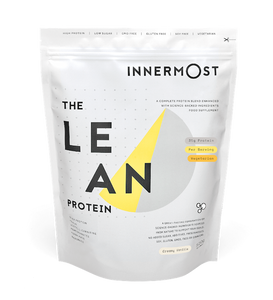
The Lean Protein
Whey protein powder for weight-loss.
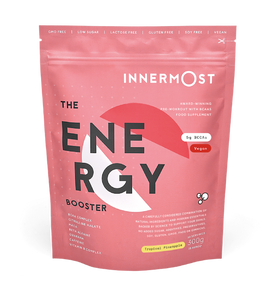
The Energy Booster
Pre/intra-workout powder with BCAAs.

The Benefits Of Vegan Protein Powder

11th June 2025

11th June 2025

By Zak Hillard

Veganism has, for want of a better word, exploded in recent years. Go back to 2014 and just 0.25% of the UK population followed a vegan lifestyle – fast forward to 2025 and that number sits well above 6%. 

With so many more people looking for plant-based alternatives for their favourite foods and supplements, you’ll probably have noticed more vegan protein options on the shelves of your favourite stores. But, are they any good? What benefits do they offer? Are they only for vegans? Is plant protein better than whey? 

These are all questions we’ll cover in this blog – so let’s get on with it. 

What is vegan protein powder?

No prizes for guessing the answer to this one, but a vegan protein powder is a supplement which provides protein derived only from plant-based sources. As such, these are typically free from dairy, lactose and any animal products. 

Vegan protein powder can come from a range of different sources – here are some of the most commonly seen ones:

  • Pea protein
  • Brown rice protein
  • Hemp protein
  • Pumpkin seed protein
  • Chia or flax proteins

A combination of these – such as Innermost’s The Health Protein or The Fit Protein, which both use a blend of pea and brown rice proteins.

Types of vegan protein and how they stack up

Let’s take a closer look at some of these vegan proteins and the individual benefits each one can offer.

1. Pea protein

Pea protein is a great vegan protein choice, and it’s also one of the most popular. It’s high in BCAAs (especially leucine) which makes it perfect for muscle repair and growth. It also contains all nine essential amino acids (the ones our bodies don’t make naturally, so we need to get them through our diet), making it a complete protein. 

Pea protein is easy to digest, offers a nice, creamy texture and has a pretty neutral taste, making it easy to use in a variety of ways. 

2. Brown rice protein

Brown rice protein also contains all nine essential amino acids, but with a little more methionine and a little less lysine. As such, this protein is often paired with pea protein (which has a lot more lysine and a bit less methionine) to create a more complete profile. It’s also hypoallergenic, making it a great choice for people with intolerances or allergies. 

It’s another very palatable option too, thanks to its light texture and slightly nutty taste. 

3. Hemp protein

Another option is hemp protein. It’s yet another plant-based complete protein, but it also benefits from extra nutrients like omega-3s, magnesium and iron. It’s typically a bit lower in protein per gram, but with its higher nutrient and fibre content it can be a great choice for those looking for a more rounded protein option. 

Hemp protein is often described as ‘earthy, nutty or grassy’ which many people enjoy but could be a bit much for others. 

4. Pumpkin seed protein

Pumpkin protein is a little less protein-dense than some of its plant-based counterparts, but it’s loaded with other micronutrients like iron, magnesium, zinc and vitamin E. It’s also high in fibre which is a great bonus, and its antioxidant content is a boost for overall health. 

It has a mild, nutty flavour, so it’s pretty versatile and useable whether you’re having it as a shake, in a smoothie or even mixed into oats or baked goods. 

5. Blended plant proteins

With some pretty distinct benefits and advantages for each type of vegan protein, combining two or more is a common move for many supplement providers to get the best of each. We like using pea and brown rice proteins together.

Combining plant-based proteins doesn’t just give you more nutrients, it can also offer better taste and a smoother texture – just what you want for your post-workout shake or daily top-up. 

Vegan protein powder benefits

Protein powders across the board offer some significant benefits, but what do vegan proteins specifically offer? Here are some of the key benefits of using vegan protein powders.

Easier on digestion

With no lactose content, plant-based proteins can be a bit more gentle on your digestive system. A lot of vegan protein sources are also naturally high in fibre, making them an ideal addition to your supplement stack

With this in mind, vegan proteins are often a popular choice for people with sensitive stomachs or gut health issues such as IBS – and for good reason. 

Supports muscle growth and repair

Much like animal-based protein powders, such as whey, vegan proteins support muscle growth and repair due to their high protein content. With most containing all nine essential amino acids, they make great partners for strength and endurance training, as well as recovery. 

Studies have even suggested there isn’t a notable difference in muscle growth when comparing plant-based and whey proteins – food for thought… 

Anti-inflammatory and nutrient dense

With less processing involved in the production of some plant-based proteins, they retain much of their natural nutritional profile which helps to provide extra nourishment beyond protein itself.

Many vegan proteins contain phytonutrients (natural compounds found in plants) which offer various health benefits, as well as antioxidants, omega-3s and a range of minerals. If you’re looking for a protein supplement which also works to strengthen your wider health and immunity, a plant-based option might be a good choice for you. 

Hypoallergenic

Dairy is one of the most common allergens and is a key component of whey protein, which can make it a bit of a stumbling block for many people with allergies or intolerances. 

Vegan proteins, on the other hand, are often much lower in allergens or entirely hypoallergenic. Dairy, soy and gluten are typically not found in most plant-based proteins, which can make them a great choice for those with sensitivities or allergies. 

Vegan protein vs whey: how do they compare?

Is plant protein better than whey? The answer to that question will depend on what your definition of ‘better’ is. Plant protein offers some distinct advantages, but then so does whey protein. Let’s take a look at how they compare on a few key points. 

Factor

Vegan Protein

Whey Protein

Source

Plants!

Dairy

Digestion

Can be gentler on the stomach (no lactose)

Can cause bloating in some cases

Allergens

Usually allergen-free - some are completely hypoallergenic (e.g. brown rice)

Contains dairy

Amino Acids

Most common plant-based sources contain all nine essential amino acids, but in lower concentrations

Naturally complete with high levels of amino acids

Absorption

Typically a slightly slower rate of absorption

Absorbed rapidly by the gut for faster impact

The bottom line? Vegan protein stacks up very well against whey protein and is a great alternative whether you have an intolerance or personal preference. 

Is vegan protein powder right for you?

With all of this in mind, it’s time to make the call. Is vegan protein powder right for you or are you best suited sticking to an animal-based protein like whey? 

There’s no wrong or right answer, it all depends on your own specific needs and preferences. If you have no allergies, intolerances or diet preferences and are looking to maximise your protein intake for muscle growth, whey might be the way to go for you. 

If you suffer from allergies or are sensitive to dairy, are looking for a more rounded nutritional profile or, of course, if you follow a vegan lifestyle, a plant-based protein could be the right choice. 

Either way, why not check out our range of vegan supplements to find out more about our plant-based proteins.

References 

  • Vegan Statistics You Need to Know, The Goodness Project, 2025. Click here.
  • How many vegetarians and vegans are in the UK in 2025?, Sophie Barber, Finder, Jan 2025. Click here
  • Teixeira FJ, Matias CN, Faleiro J, Giro R, Pires J, Figueiredo H, Carvalhinho R, Monteiro CP, Reis JF, Valamatos MJ, Teixeira VH, Schoenfeld BJ. A Novel Plant-Based Protein Has Similar Effects Compared to Whey Protein on Body Composition, Strength, Power, and Aerobic Performance in Professional and Semi-Professional Futsal Players. Front Nutr. 2022 Jul 19;9:934438. doi: 10.3389/fnut.2022.934438. PMID: 35938106; PMCID: PMC9355667. Click here.

Product Spotlight

Need Expert Advice?

Other Insights

Magnesium for Sleep: Here's What You Need to Know
  Sleep is one of the most important parts of the day. Feeling well, training well and moving through the day with enough energy to actually enjoy it, all rely on a good night’s sleep. Yet for many of us, it is also one of the first things to suffer when life gets busy. Late nights. Early starts. Stress. Screens. Training sessions squeezed into already full days. A mind that seems to become suddenly very active the moment your head hits the pillow. It is no surprise, then, that magnesium has become one of the most talked-about supplements for sleep. It is often linked with relaxation, recovery and the ability to switch off at night. But as with most things in wellness, the real answer is a little more nuanced than “take this and sleep better”. So, does research suggest that magnesium helps with sleep? And how do you know whether it is right for you? Let’s take a closer look. Key takeaways Magnesium supports several normal processes linked with rest, including muscle function, nervous system function and energy metabolism. Magnesium may help some people sleep better, particularly where poor sleep is connected to stress, low magnesium intake, muscle tension or poor recovery. Food should always be the foundation, but magnesium supplements can help support a consistent intake when busy lifestyles, training and irregular meals get in the way. Magnesium works best as part of a broader evening routine, alongside sensible caffeine timing, reduced evening stimulation, good nutrition and proper recovery. What is magnesium and why is it linked to sleep Magnesium is an essential mineral found in food, water and supplements that is involved in over 300 bodily processes. It acts as a mandatory helper molecule (coenzyme) for your cells. Some of the key biological functions of magnesium include: Supports energy production by helping the body convert food into usable cellular energy. Contributes to normal muscle function, including the balance between muscle contraction and relaxation. Supports normal nervous system function by helping regulate nerve signalling and neurotransmitter activity. Contributes to normal bone structure, with a significant proportion of the body’s magnesium stored in bone. Supports normal glucose metabolism, with magnesium involved in blood glucose control and insulin-related processes. While by no means an exhaustive list, this gives a wider sense of how widely it is used throughout the body. Magnesium’s connection with sleep comes from the way it supports systems involved in relaxation and recovery. As highlighted, magnesium helps regulate nerve signalling and muscle contraction, which is one reason it is often associated with calmness, reduced tension and post-training recovery. It is also commonly discussed in relation to GABA (or gamma-aminobutyric acid), a neurotransmitter involved in calming nervous system activity. While the relationship between magnesium and sleep is still being studied, the general theory is that healthy magnesium levels may help the body and brain shift away from a heightened, alert state and towards a more relaxed one. This matters because good sleep rarely begins the moment you get into bed. It starts earlier, as your body and mind begin to downshift. For active, busy people, this can be one of the hardest parts of the day. If your evening routine looks like finishing work, replying to messages, doing a late workout, eating quickly and then expecting your brain to instantly power down, you are asking a lot from your body. Magnesium may support the relaxation side of that process, but it works best when the rest of your routine is helping too. Does magnesium help you sleep? Magnesium may help some people sleep better, but it is not a guaranteed solution for everyone. Its value sits more in supporting the body’s normal relaxation and recovery processes than acting like a direct sleep aid. A 2021 systematic review and meta-analysis published in BMC Complementary Medicine and Therapies looked at oral magnesium supplementation for insomnia in older adults. It found that magnesium may help reduce the time it takes to fall asleep. While the results were promising, the sample size was limited. Magnesium is most likely to be helpful when poor sleep is linked to factors such as low magnesium intake, stress, muscle tension, a busy nervous system or poor recovery. Someone who trains several times a week, works long days and struggles to wind down at night may find it more beneficial for sleep specifically than someone whose sleep issue is caused by an untreated medical condition, severe anxiety, chronic insomnia or an inconsistent sleep schedule. It is also worth remembering that “better sleep” can mean different things to different people. Some people want to fall asleep faster. Others wake up during the night. Some sleep for eight hours but still wake feeling flat.  Magnesium is usually discussed in relation to relaxation and sleep onset, rather than acting as a powerful sleep aid that forces deeper or longer sleep. A helpful way to think about it is this: magnesium supports the conditions that may make good sleep more likely. It does not replace the foundations of sleep itself (many of which we have discussed before). Can You Get Magnesium from Food? Yes, and this is a good place to start. Magnesium is found in a range of everyday foods, including: leafy green vegetables, nuts, seeds, legumes, wholegrains and dark chocolate. Pumpkin seeds, almonds, spinach, black beans and wholegrain products are all useful sources. Food Why it helps Pumpkin seeds Naturally rich in magnesium and easy to add to meals or snacks Almonds and cashews Useful sources of magnesium, healthy fats and plant-based protein Spinach and leafy greens Provide magnesium alongside fibre and other micronutrients Black beans and lentils Support magnesium intake while also adding fibre and slow-release carbohydrates Wholegrains A practical everyday source of magnesium and sustained energy Dark chocolate Contains magnesium, although best enjoyed as part of a balanced diet   A food-first approach also supports the bigger picture. Your body does not experience nutrients in isolation. A diet rich in magnesium-containing foods is often also higher in fibre, plant compounds and other micronutrients that support overall wellbeing. That said, busy lives do not always make consistent nutrition easy. Active people may also pay closer attention to magnesium because of its role in muscle function, energy metabolism and recovery. If you train regularly, sweat heavily, experience muscle tension or find yourself relying on convenience meals during busy weeks, your magnesium intake may be worth looking at. This is where effective supplementation can help, especially when it forms part of a wider routine rather than replacing a balanced diet. Where magnesium supplements can help Food should always be the foundation, but supplements can make magnesium intake easier to manage when life is busy. Rather than trying to rebuild your diet overnight, the right supplement can help you add consistent support around the routines you already have: morning training, post-workout recovery, evening wind-downs, or busy workdays where meals are not always as balanced as you would like. With Innermost, magnesium is included as part of wider, goal-led formulations rather than as a standalone quick fix. The Fit Protein contains 250mg of magnesium per serving, alongside vegan protein, maca, rhodiola root, cocomineral and Pink Himalayan sea salt, making it well suited to active lifestyles where performance, energy and recovery all matter. The Strong Protein contains 200mg of magnesium per serving, alongside protein, casein, creatine monohydrate, Montmorency cherries and bilberries. This makes magnesium part of a broader strength and recovery blend, supporting people who train regularly and want their nutrition to work harder around their goals. For evening recovery, The Recover Capsules are another good supplementation option, with magnesium included as part of a wider recovery-focused formula. This makes them a natural fit for people who want to support recovery at the end of the day, particularly when sleep, training and overall performance are closely connected. When should you take magnesium for sleep? Magnesium works best when it becomes part of a routine you can actually stick to. Because magnesium supports relaxation and recovery rather than acting as a sedative, timing does not need to be overly complicated. The most effective approach is usually the one you can repeat consistently. For many people, magnesium fits naturally into the evening. That might mean taking it with dinner, after training, or as part of a wider wind-down routine before bed. The aim is not to wait until you feel wired and then expect magnesium to force sleep. It is to give your body steady support at the point in the day when you want to start slowing down. This is particularly relevant if your days are busy or training-focused. When your body has been under physical or mental demand, sleep is part of the recovery process. Magnesium can support that bigger picture by contributing to normal muscle function, nervous system function and energy metabolism. Final thoughts: magnesium, sleep and recovery Magnesium has earned its place in the sleep conversation, but it deserves to be understood properly. It is an essential mineral with important roles in muscle function, nervous system function and recovery. For some people, particularly those who are active, stressed, low in magnesium-rich foods or struggling to wind down at night, supplementation may be a useful addition to an evening routine. The key is to keep expectations realistic. Magnesium is not a shortcut to perfect sleep. It is a supportive tool that works best alongside consistent habits: sensible caffeine timing, less evening stimulation, good nutrition, proper recovery and a calm bedtime routine. For Innermost, the bigger point is that form matters, but formulation matters too. Magnesium works best when it fits into a wider routine. That might mean supporting your intake through a recovery-focused product, taking supplements with food, and using them consistently rather than expecting an instant effect. References  Magnesium. National Institute for Health Professionals. Click here. Jewett, E., Sharma, S (2023). Physiology, GABA. National Library of Medicine. Click here. Mah, J., Pitre, T (2021).Oral magnesium supplementation for insomnia in older adults: a Systematic Review & Meta-Analysis. BMC Complementary Medicine and Therapies. Click here. Read more
Fibre
Within the fitness space there can be a tendency to think of fibre as something that’s just functional. Important, of course, but often its impact is only framed around digestion. In reality, fibre plays a far broader role in how your body performs and how you feel day to day, influencing variables like energy stability and appetite regulation through to long-term metabolic health. For anyone already investing in their training, recovery, and overall wellbeing, a high fibre diet matters more than you might think. It’s one of the simplest ways to bring more consistency to your nutrition, without adding complexity. In this guide, we’ll take a closer look at what fibre does, why it matters, and how to build a high fibre diet in a way that fits naturally into your routine. What is fibre and why it matters Fibre is a type of carbohydrate that is naturally sourced from foods like wholegrains, beans, nuts and more. At its core, dietary fibre is the part of plant foods your body can’t fully digest. Rather than being absorbed, it moves through the digestive system, interacting with everything along the way. This process is what makes fibre so valuable. It slows digestion, supports beneficial gut bacteria, and helps regulate how nutrients enter the bloodstream. Over time, these effects compound, influencing energy levels, hunger signals, and metabolic health. It’s worth understanding that fibre isn’t one single thing, and while it is often grouped together, different types have different roles. Broadly, fibre falls into two categories: Soluble fibre: This dissolves in water and forms a gel-like substance, helping to slow digestion and regulate blood sugar and cholesterol. Insoluble fibre: This adds bulk and supports regular movement through the digestive system. Most whole foods contain a combination of both, which is why variety matters more than focusing on a single source. Why intake is often lower than expected You might read this and think you’re easily hitting your daily fibre requirements. Yet, even among people who eat relatively well, fibre intake tends to fall short. In the UK, the recommendation sits at around 30g per day, yet average intake is closer to 18–20g. This isn’t usually down to poor habits. More often, it reflects modern eating patterns: A strong focus on high-protein meals can reduce the variety of plant foods in a diet, lowering fibre intake over time. A reliance on staples like white bread and pasta contain less fibre than wholegrain alternatives, making fibre intake harder to reach. Quick, convenient meals often lack the whole ingredients needed to support adequate fibre intake. The result isn’t a complete absence of fibre, but it does lead to a gradual shortfall below the 30g recommendations. Each meal might seem balanced in isolation, but across a full day or week, intake consistently sits below where it needs to be. The Key Benefits of a High Fibre Diet  A high fibre diet supports several key areas of health at the same time: Gut health and microbiome support As previously mentioned, fibre’s most recognised role is in digestion, but its impact actually goes deeper than that. Certain fibres act as prebiotics, feeding beneficial gut bacteria. These bacteria produce compounds known as short-chain fatty acids (SCFAs), including butyrate, which plays a role in maintaining the integrity of the gut lining and regulating inflammation. A 2019 review published in The Lancet found that higher dietary fibre intake was consistently associated with improved gut health markers and reduced risk of several chronic conditions. The key takeaway wasn’t a single “superfood”, but the cumulative effect of consistent fibre intake over time. There’s also increasing interest in how microbiome diversity influences overall health. A more varied intake of fibre tends to support a more diverse gut environment, which is linked to better resilience and function. For those looking to improve their training routines and hit new PBs, a well-functioning gut is central to recovery. This is because fibre supports the gut environment, which in turn affects how efficiently nutrients are absorbed. More stable energy levels When it comes to your energy, it isn’t just about calorie intake. It’s also key to ensure your body can effectively process these calories. This is where fibre can be highly beneficial. This is because fibre slows the digestion of other carbohydrates, leading to a more gradual release of glucose into the bloodstream. This helps avoid the sharp spikes and dips that can come from highly refined meals. Studies also show that diets higher in fibre are associated with improved glycaemic control, even in otherwise healthy individuals. In practical terms, this often leads to: More consistent energy across the day Fewer mid-afternoon crashes Reduced reliance on quick fixes like sugar or caffeine For those balancing work, training, and recovery, the more stable blood sugar levels provided by fibre mean more consistent energy availability. This can translate into better training sessions, particularly for longer or more demanding workouts. Appetite regulation High fibre foods tend to be more filling due to their volume and slower digestion. At the same time, they influence hormones involved in hunger and fullness, including ghrelin and peptide YY. There’s also a hormonal aspect to this. Fibre-rich foods can influence the release of satiety hormones, helping your body better recognise when it’s full. This creates a more sustainable approach to body composition. Instead of relying on weight loss restriction, your diet supports appetite regulation more naturally. Heart Health and Long-Term Outcomes In addition to the shorter-term health and wellness benefits, fibre intake also has a beneficial impact on long-term health. Soluble fibre, in particular, has been shown to help reduce LDL cholesterol by binding to cholesterol in the digestive system and aiding its removal. Large cohort studies have consistently linked higher fibre intake with a reduced risk of cardiovascular disease and type 2 diabetes. This is partly due to improved blood sugar regulation and partly due to the broader metabolic benefits of a fibre-rich diet. One study in particular by the BMJ found that each additional 7g of fibre per day was associated with a 9% reduction in cardiovascular disease risk. These outcomes aren’t immediate, but they reinforce the role of fibre as a long-term investment in health. High Fibre Diet Foods We’ve written about his previously (see here for our guide on high fibre foods) but in short, building a high fibre lifestyle doesn’t require a complete overhaul of your current diet. It’s instead about increasing variety and making more intentional choices within your existing routine. Below we have outlined some key foods that can help increase fibre intake. Whole grains Oats, brown rice, quinoa, and wholegrain bread provide a steady source of fibre while supporting sustained energy. They’re an easy upgrade from refined grains and tend to be more filling. Fruits and vegetables Eating more fruit and vegetable is one of the simplest ways to raise fibre intake. A useful approach is to focus on variety: Berries and apples for convenience Leafy greens for micronutrient density Root vegetables for more substantial meals Legumes Lentils, chickpeas, and beans are among the most fibre-dense foods available. They also provide plant-based protein, making them particularly useful in meals focused on satiety and recovery. Nuts and Seeds Chia seeds, flaxseeds, and almonds offer a concentrated source of fibre and can be added easily to meals. Even small additions, such as a tablespoon of seeds in a breakfast or smoothie, can make a difference over time. A Smarter Way to Think About Fibre Fibre doesn’t need to be treated as a standalone goal. It works best as part of a balanced, well-structured approach to nutrition - one that supports how you feel day to day, not just how you perform in the odd moment. For most people, that starts with whole foods. Building meals around plant variety, whole grains, and consistent habits. From there, the role of supplementation becomes more effective. The Innermost approach reflects that balance. Products like The Greens Blend can help support daily plant intake and micronutrients, while products such as The Lean Protein fit alongside a diet that prioritises both protein and fibre, rather than one at the expense of the other. Building a high fibre diet isn’t about adding or overhauling, instead It’s about making those small adjustments that bring more consistency to your routine. Over time, those shifts tend to have the biggest impact - not just on digestion, but on how your body feels, performs, and recovers. References Renolds, A., Mann, J., Cummings, J., Winter, N., MDiet, E., Morenga, L. (2019). Carbohydrate quality and human health: a series of systematic reviews and meta-analyses. The Lancet. 393 (10170), 434-445. Click here.  NHS UK. How to get more fibre into your diet. Click here.  Hullings, A., Sinha, R., Liao, L., Freedman, N., Graubard, B., Loftfield, E. (2020). Whole grain and dietary fiber intake and risk of colorectal cancer in the NIH-AARP Diet and Health Study cohort. The American Journal of Clinical Nutrition. 112 (3), 603-612. Click here. Threapleton, D., Greenwood, D., Evans, C., Cleghorn, C., Nykjaer, C., Woodhead, C., Cade, J., Gale, C., Burley, V. (2013). Dietary fibre intake and risk of cardiovascular disease: systematic review and meta-analysis. BMJ.347. Click here. Read more