








icon-account icon-glass

Popular Products

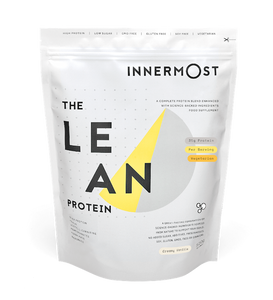
The Lean Protein
Whey protein powder for weight-loss.
The Energy Booster
Pre/intra-workout powder with BCAAs.

4 Evening Yoga Stretches For Your Night Time Routine

8th November 2022

8th November 2022

By Beth Shelper

You’ve probably read about this a million times by now, but its true: setting up a relaxing bed time routine can absolutely be the difference between a successful night sleep and a detrimental one. So, if you haven’t already set yourself up with a winning evening routine (or, more specifically in this case, an evening yoga routine) you’re in the right place.

To get you started though, for the ultimate wind down strategy, you’re going to need a few things. We asked the Innermost team a few of their favourite ways to wind down after a long or stressful day, and the answers were pretty much identical.

You will need:

  • A tasty herbal or calming evening tea (we love chamomile for this)
  • A blue light ban at least one hour before bed
  • The Relax Capsules - a wind down essential!
  • A relaxing playlist
  • Four relaxing yoga positions

Right then, are you ready? Let’s get into it.

The top evening yoga benefits

You might be thinking “Innermost, I really don’t have time for an extensive evening routine every single night”.

We sympathise, we really do. What with work, working out, socialising and everything in between, it can feel like there just aren’t enough hours in the day, but it’s really important to take some time for yourself at the end of everyday to maintain your health: both mental and physical, and after hearing these evening yoga benefits (and in general, the benefits of a good old routine) we’re almost 100% sure that you’re going to change your mind.

Evening yoga benefits include:

  • Improved blood circulation and flow
  • A boost in overall health and wellness
  • An overall reduction in stress and anxiety levels
  • Assistance in the easing of pain
  • Prevention of injuries or exasperation of existing injuries
  • An increase in sleep duration and quality
  • Removal of muscle tension and tightness

Your new and improved evening yoga routine

Choose from the below range of stretches that get your whole body moving and relaxed ready for a great night sleep. Whether you choose to integrate all five, or take your pick with your favourites, the most important thing is to tailor your routine to you and your needs.

Evening yoga pose 1: knee to chest

This pose is great for those that are out-and-about, actively working all day. We’re talking to you, retail workers, personal trainers, nursery workers and our fabulous healthcare workers too.

To master the knee to chest pose, follow the below steps:

  • Lie down flat on your bed and gently bend your leg, bringing one knee to your chest
  • Hold this position, for ten seconds (or whatever feels comfortable)
  • Rest and repeat
  • Complete this on each side three times

Relaxing yoga position 2: spinal stretch

This evening yoga pose is great for those of you who sit at a desk for the majority of your working day.

  • Lie flat on your back and stretch your arms out either side of your torso
  • Bring one knee up to your chest and stretch across your stomach
  • Allow your knee to fall to the floor (or mattress, wherever you are performing the pose)
  • Hold this position, and then rest and relax
  • Repeat three times on both sides

Evening yoga pose 3: the classic lunge

Ah yes, the classic lunge position that we all know and love.

  • Stand up straight and tall, making sure that you have adequate space around you
  • Place one foot out in front of the other and bend in to the lunge position
  • Keep your core tight and ensure that your spine remains straight throughout
  • Return to an upright relaxed position
  • Repeat on both sides three times

Relaxing yoga position 4: the child’s pose

This is the ultimate yoga pose, and will bring you and your breathing to a calming, relaxed state that is perfect for a great night’s sleep.

  • Start standing upright with your legs hip-width apart
  • Lower yourself into a kneeling position, resting your bum onto your heels and sit back
  • Extend your arms out straight in front of you
  • Maintain this outstretched hand position and bring your head to the ground, relaxing your head on the floor if you can achieve this position without pain

It’s all about making time for yourself: self-care is key, after all. So make some time for yourself every evening, improve your overall health and start reaping those evening yoga benefits.

Need Expert Advice?

Other Insights

Your GLP-1 Survival Kit
January always brings the same conversation back into focus. Weight loss. Discipline. Resetting habits. Doing things “properly” this time. What’s changed this year is how many people are now having that conversation alongside GLP-1 medications. If you haven’t come across them yet, GLP-1s are a class of medications originally developed for type 2 diabetes, now widely prescribed for weight loss. You’ll recognise some of the brand names from headlines, podcasts, and increasingly, from people around you. Depending on which data set you look at, estimates suggest that over one in ten adults are either using, or seriously considering, a GLP-1. That number is rising quickly. So rather than avoiding the topic, I want to address it properly. Our position on GLP-1s Let me be clear about where we stand. GLP-1 medications should not be the first thing people reach for if their goal is fat loss. A healthy diet, regular resistance training, movement, sleep, and consistency still do the heavy lifting for most people. But there are cases where GLP-1s can be helpful. People with significant weight to lose. People with metabolic challenges. People who have genuinely tried to do the right things and still struggled. In those situations, medication can be a tool. The problem is that too many people treat it as the solution. And that’s where things start to unravel. What GLP-1 actually does (in plain English) GLP-1 is a hormone your body already produces. Its job is to: Slow gastric emptying (food stays in your stomach longer) Increase feelings of fullness Reduce appetite and food noise Improve blood sugar control GLP-1 medications amplify this signal. You eat less. You feel full faster. Weight drops. But appetite suppression doesn’t discriminate. It doesn’t just reduce calories. It reduces everything. Protein intake falls. Strength training often drops off. Muscle mass can decline. Skin elasticity is challenged by rapid weight loss. This is why people are now talking about: Muscle loss “Ozempic face” Feeling weak or flat despite the scale moving None of this is inevitable. But it is predictable if you don’t build the right structure around the medication. The GLP-1 Survival Kit If someone is going to use a GLP-1, there are a few non-negotiables I’d want them thinking about from day one. And interestingly, these apply even if you’re not taking one. 1. Protein is no longer optional When appetite drops, protein intake is usually the first casualty. That’s a problem, because protein is what protects lean muscle mass, metabolic rate, and long-term body composition. Research consistently shows that people losing weight without adequate protein lose more muscle alongside fat. On GLP-1s, that risk increases. If you’re eating less overall, protein needs to be prioritised, not left to chance. This is exactly why our protein powders remain the hero products in our system. It’s infrastructure. Not a “fitness add-on”. Take a look at any of our protein powders. 2. Resistance training protects what the scale can’t see Rapid weight loss without resistance training almost guarantees muscle loss. You don’t need to train like an athlete. But you do need to load muscle regularly. Two to four sessions a week. Compound movements. Progression where possible. This isn’t about aesthetics. It’s about staying strong, capable, and metabolically healthy as the weight comes off. 3. Skin needs support during rapid change When weight drops quickly, skin doesn’t always keep up. Collagen intake won’t perform miracles, but it does support skin structure, elasticity, and connective tissue during periods of rapid change. Think of it as helping the body adapt, rather than trying to reverse damage after the fact. Take a look at The Glow Blend. 4. Digestion and tolerance determine whether this works long term GLP-1 medications slow digestion by design. For many people, that shows up as bloating, reflux, nausea, or food simply sitting uncomfortably after meals. When digestion feels off, people start avoiding protein, fibre, or meals altogether. Supporting digestion is about making sure smaller meals are actually broken down, absorbed, and tolerated properly. Digestive enzymes can help reduce discomfort, improve protein tolerance, and support nutrient absorption when digestion is slowed. Take a look at The Digest Capsules. Encouraging GLP-1 naturally For those not using medication, there are also ways to support your body’s own GLP-1 production. Protein-rich meals. Fibre from whole foods. Healthy fats. Resistance training. Eating slowly and mindfully. These don’t produce pharmaceutical-level effects, but they move appetite regulation in the right direction without overriding your system. Partnering with Simple Online Healthcare This brings me to something we’ve been quietly working on. We recently partnered with Simple Online Healthcare, one of the fastest-growing digital pharmacies in the UK.  They work with thousands of people using GLP-1 medications and saw a gap. People were losing weight, but not always in a way that supported long-term health, strength, or confidence.  The Lean Protein, The Digest Capsules, and The Glow Blend are now part of their ecosystem to support wrap-around care. Not as a replacement for lifestyle.Not as a shortcut.But as structure. I’m proud of this partnership because it reflects how we think about wellness. Not ideology. Not extremes. Just better decisions, stacked properly. Even if you’re not on GLP-1… Everything above still applies. January isn’t about doing something drastic. It’s about setting up systems that make the next 11 months easier. Protein as a foundation. Training that preserves strength. Support where it actually helps. Noise removed. That’s how progress compounds. Thank you, as always, for trusting us with a small part of your routine. It genuinely matters, and it’s not something I take lightly. Read more
Person working out
It’s that time of the year again - the New Year's fitness buzz. A time where motivation is high, new workout plans are made, gym bags make a return, and everything feels full of possibility! And yet, for many people, this momentum is short-lived. By mid-February, routines can start to slip. Sessions get skipped. Motivation fades. The resolution quietly dissolves, something often accompanied by frustration or guilt. If that sounds at all familiar, it’s firstly worth saying this upfront: it’s not a personal failure. In most cases, it’s a structural one. It might sound strange, but having a long term and consistent fitness routine isn’t solely about having the most ‘willpower’, or forcing yourself to run just because it’s ‘new year, new me’, it’s about building an individual routine that works for you and sets you up in the best position to hit your workout goals in the long term. To make things easier, we’ve put together this nifty guide diving into the science of new year’s fitness, why traditional workout resolutions so often fall apart, and what genuinely helps when it comes to building habits that last for the long term. Right, let’s get into it. Why New Year’s fitness resolutions don’t succeed  Before exploring how you can set your fitness goals for the long term, it’s important to understand why so many fall short.  The main reason comes down to something psychologists call the “fresh start effect”. This is a period that interrupts the calendar schedule (such as New Year's), creating a mental separation between the past and the future. Such a fresh start makes change - like the restarting of a fitness routine - mentally easier to overcome because the past feels neatly boxed away.  While this sounds good on paper, the problem is that motivation alone isn’t enough to sustain long-term behavioural change.  Many New Year’s fitness routines struggle to last because they often: Focus on outcomes instead of training plans and sustainable behaviours. Target instant change Focus on unrealistic fitness goals Shall we run from the top? Outcome-based targets One pitfall people often find themselves in is setting a New Year’s fitness goal that is driven by outcome without proper planning.  Some examples might be: Losing weight  Getting fit  Running a marathon All great targets to strive for, yet without a training plan or strategy to achieve them, they can quickly feel unattainable and therefore interest drops off. This makes creating and sticking to a new year’s exercise plan key to achieving your goals, asking: what do you want to achieve? What steps are you going to take to achieve them? And how will you measure your progress? Too much change and unattainable fitness goals With the fresh start effect, it can feel productive to try and overhaul all your health practices. A new training plan. A stricter diet. Earlier mornings. Fewer social plans. Better sleep. More productivity. Individually, these changes are all positive (we’ve spoken about the positive effects of many in the past ourselves). Making all these large life changes in a short space of time, however, can lead to something called ‘cognitive overload’. Each new habit requires attention, decision-making, and self-control, leading to decision fatigue buildup and increasing the likelihood that behaviours will be dropped rather than maintained. Sustainable change tends to work the opposite way. Small, manageable shifts layered gradually over time allow habits to stabilise before new ones are added. Instead of replacing your entire lifestyle in January, long-term routines are built by choosing one or two priorities, letting them settle, and then building from there. Unrealistic fitness goals Another common reason why new year workout plans don’t work is that the end goals being set aren’t realistic to achieve in the time frame given. Training every day. Completely overhauling diet. Expecting visible results within weeks are just a few sure-fire ways to see your fitness plans gone by the end of January. This is because when progress isn’t immediately visible, individual motivation drops. Any missed sessions start to feel like failure, and the routine becomes something to avoid rather than return to. This can lead to a plateau in motivation and a workout rut that sees you lose all motivation to continue your fitness plan. The best way to avoid this? Tailor your New Year’s workout plan to what is realistic for you to achieve. Remember, everyone is different and you should avoid trying to replicate someone’s workout plan who is at a much different point in their journey. What helps you stick to a fitness routine So now we’ve covered the pitfalls faced with New Year's resolutions, what are some of the ways that you can set yourself up for success going into 2026? Starting your workouts small It might sound a little backward, but maintaining a new year’s fitness routine is all about incremental improvements - starting small and building up to ambitious fitness goals. In essence, try to make your workouts feel manageable from the outset.  This removes much of the physical and mental friction caused by sharp changes and removes the possibility of overtraining syndrome - something that can lead to both physical and mental fatigue. Instead of asking your body and mind to adapt to a dramatic shift all at once, you allow both to adjust gradually - which is exactly how sustainable habits are formed. Personal, not performative goals A common reason New Year's fitness routines fall apart is that the goal itself was never truly personal.  Many resolutions are shaped - often unconsciously - by external pressures: how we think we should look, what others are doing, or what feels ‘socially impressive’. These goals can create a strong initial push, but they rarely provide enough depth to sustain effort in the long term. Personal goals, by contrast, are rooted in lived experience. They’re connected to how you want to feel day-to-day, not how you want to appear to others. Wanting more stable energy through the afternoon, fewer aches and pains, better sleep, or improved resilience during stressful periods may not sound as dramatic as a body transformation, but they’re far more motivating over time.  This is supported by behavioural research showing that exercise routines rooted in intrinsic motivation - feeling better, moving more easily, managing stress - are significantly more likely to be maintained long-term than goals shaped by appearance or external pressure. These outcomes are felt quickly and repeatedly, which reinforces the habit itself. Fitting fitness into your routine Again, seems counterintuitive, but a workout routine that only works under perfect conditions won’t survive beyond January.  You can’t change things like long workdays, family responsibilities, travel, and low-energy weeks, and you shouldn’t try to. Your regular workout routine should function around these things. The key here is that fitness is flexible. It allows for shorter sessions, longer sessions, varied training styles, and a broader definition of movement that can all be tailored to your day-to-day routine. Your also not limited by location, you could workout at home, at the gym, with groups, whatever fits into your routine.  The role of recovery in New Year’s fitness One of the most overlooked reasons people struggle to stick to New Year’s fitness routines is actually physical and mental fatigue. While this is to be expected to some extent - and you can control fatigue by following the above tips - you also need to consider the importance of effective recovery and how you are fuelling your body between workouts. Just some of the ways you can improve recovery are: Sleep quality: Quality sleep is when the body actually recovers, repairs tissue, and resets energy levels for the next day. Without it, even light training can start to feel disproportionately demanding. Effective hydration: Staying properly hydrated helps support circulation, muscle function, and focus, making both workouts and recovery feel smoother and more manageable. Complete nutrition: Providing the body with enough protein, carbohydrates, fats, and micronutrients gives it the building blocks it needs to repair, adapt, and maintain steady energy over time. It’s also worth considering tailored nutrition-focused supplementation such as Innermost’s The Recover Capsules and The Hydrate Blend. Reframing New Year fitness: from resolution to routine An effective mindset shift you can make this new year is moving away from the idea of a “resolution” and towards a routine. Resolutions are often outcome-focused - lose weight, build muscle, run faster. Routines are behaviour-focused - train three times a week, walk daily, prioritise recovery. This reframing is also key when thinking about how to stick to your New Year’s fitness resolution. Instead of asking, “Am I seeing results yet?”, the more useful question becomes, “Can I repeat this next week?” Remember, the most effective fitness routines aren’t created in January - they’re carried through February, March, and beyond. References Dai, H., Milkman K.L., Riis,J. (2013).The Fresh Start Effect: Temporal Landmarks Motivate Aspirational Behavior. Management Science. 60 (10), 2563-2582. Click here. Cezar, B., Macada, A. (2023). Cognitive Overload, Anxiety, Cognitive Fatigue, Avoidance Behavior and Data Literacy in Big Data environments. Information Processing & Management. 60 (6). Click here. Ntoumanis, N., Healy, L. et.al. (2014). Self-Regulatory Responses to Unattainable Goals: The Role of Goal Motives. 13 (5), 594-612. Click here. Cleveland Clinic. Overtraining Syndrome. Click here. Sebire,S., Standage, M., Vansteenkiste,M. (2011). Predicting objectively assessed physical activity from the content and regulation of exercise goals: evidence for a mediational model. 33 (2), 175-197. Click here.   Read more