









Zack is a qualified osteopath but he has also been passionate about health and fitness his whole life. When he’s not helping patients, you can find him running, cycling, in the gym and travelling the world (well, before lockdown anyway). We sat down to talk to Zack about this month’s theme of Representation, what it means to him, and his new project ‘Hustle for the Muscle’ that combines fitness with fundraising.
“Keeping active and being sporty has been important to me from a young age. I was always encouraged to partake in sport by my parents, who were my biggest fans, and would support me in everything from Judo competitions in the Netherlands, to those cold, rainy football matches in December. My father used to always tell me that practice makes perfect, and that every professional out there had to start as an amateur at some point. It requires great courage and determination to be able to learn from your mistakes and continue to strive to succeed. Growing up, I put myself in good stead for any challenge, whether it be the London Marathon, the London to Brighton cycle, or even trying out the keto diet for a month. Discipline is key.” – Zack
Hey Zack! What does representation mean to you?
To me, representation is acknowledging that I am the end product of my ancestors. I like to think I’ve been shaped and sculpted into what my ancestors would want me to be, representing all their teachings that have been passed down to me.
What do you represent?
Inspiration, motivation, determination and dedication.
What role does identity play in what you do?
I try to remain humble and open-minded. There’s always going to be someone who is different to you depending on their experiences. As an osteopath, I come across people of all different races, religions and backgrounds, but at the end of the day it’s important to remember they’re all humans with their own identities. We have to treat them all the same.
What can be done to increase representation and diversity within the health and wellness space?
It comes down to everything from posters and marketing to social media. There should be diversity in the people who represent the brand; different skin colours, skin tones, ages, ethnicities, religions. It should all be incorporated into a brand’s ideology.
It’s been highlighted recently by the #BLM movement that we don’t have enough black people or ethnic minorities in the wellness space. Moving forward, I think we’ll start to see it more. If you see someone who looks like you, you’re more likely to engage with that brand so it's beneficial for everyone.
Anything you’ve read, watched or listened to lately that’s inspired you?
I try and educate myself through social media but there’s also lots of great documentaries out there to watch at the moment. When They See Us on Netflix is particularly moving. It’s about five black teenage boys who were wrongly convicted of assaulting a white woman in New York. It shows how, despite the fact that we have justice systems in place, we still need to question whether justice is being served.

What’s your hustle?
My day job is working as an osteopath, but I also try to train four or five times a week. I love putting my body to the test. I love cycling and I’ve done the London Marathon before. I’ll go for any opportunity where I can challenge myself. I’ve recently started a charity fundraiser too called ‘Hustle for the Muscle’ which provides workout classes like HIIT and yoga to raise money for the NHS.
What does #liveinnermost mean to you?
Making the most of what’s on offer to you. Whether that’s your physical wellbeing, mental health, diet, nutrition, or lifestyle. Innermost is creating links to all of those. I think I resonate with the brand because as an osteopath I also aim to treat people holistically.
Favourite Innermost products and why?
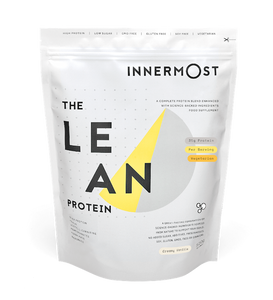
I’ve been loving The Energy Booster lately. The flavour is as close to a pineapple juice as you’re going to get. I’ve taken fruit juices out of my diet so it’s nice to have the Energy Booster as an alternative. It’s also really effective taking it pre-workout.
Why is fitness important to you?
It’s a crucial part of my routine. Football and cycling, on top of training in the gym, gives me structure, and it’s also a great way to see friends. But back in October I broke a rib playing football and was in a lot of pain for about six weeks. I wasn’t able to exercise while injured, and so I lost that structure and ended up feeling quite down.
How have you been keeping active and healthy in lockdown?
I had a period at the start of lockdown where I didn’t really do much. I found that I was putting on weight and it had an effect on my self-esteem and mental health. I was slowly slipping back into that headspace I was in in October after I got injured.
I started doing a couple of classes with some Instagram trainers. There’s a guy called @wozldn and his classes were great for routine as they were daily and free, and it created a nice little community. I would message a few of my friends and get them on board and it was nice to know they were doing it as well.
But I started thinking I could do my own thing and that’s when I started the NHS fundraiser, Hustle for the Muscle. It was a way to give back but also a way to create routine and structure for people who need it. It wasn’t just for friends either, I got my dad into it too and he’s never been that into fitness. It’s great to see him promoting it.
I do free HIIT classes which vary day to day and feature collaborations with other fitness instructors. And it’s also an opportunity for them to promote what they offer. It’s been really successful, and we have people tune in from all over the world.
How have you been looking after your mental health in lockdown?
Keeping active keeps me sane. But I’m also big into making lists. Even ticking little things off makes you feel like you’ve accomplished something and makes you feel good about yourself.

How have you had to adapt in your day job over the past few months?
There’s been a lot of video calls and consultations. People would demonstrate their problems over video. It was so difficult but at the same time I was able to help so many people. One lady had a cycling accident, so I was able to give her some exercises to do and it gave her a lot of help and reassurance. Now the restrictions are easing and I can start to see clients again it’s going to be lots of hand sanitiser and masks on and being very careful.
What are you most looking forward to doing after lockdown?
Socialising! As much as it’s been good to focus on me and my own path, I also feel like I’m missing the friendships in my life. FaceTime and texting just isn’t the same. Again, it’s something else that helps with mental health.
Have you learnt anything new/any new hobbies?
I started learning the guitar through YouTube tutorials but that’s been put on the back burner whilst I’ve been doing the fundraiser. Maybe I’ll start up again in the future.
Any exciting projects coming up in the near future?
I’m focusing on Hustle for the Muscle at the moment but later in the year I’d like to start working in a number of different clinics as an osteopath. It’s an opportunity to see different types of people, whether it’s in a gym or in a clinic in the City.
Current obsession?
I used to work as a chef in London and Switzerland. I am obsessed with cooking yummy foods and trying out new recipes, whether they’re perfecting/alternating methods or trying/substituting different ingredients.
Best words of wisdom you’ve received?
My father is white, and my mother is black. All of my friends were white in primary school and apparently at age five or six I touched my dad’s arm and said to him: “I want to be like you.” And he didn’t understand. But I was referring to the colour of his skin.
It broke his heart, and he said to me: “Everyone is going to want to be like you. You should be proud of who you are and the colour of your skin.” That reassurance made me confident in my identity and who I am to this day.
Advice you would give?
Don’t be afraid of failure. Be afraid of not trying in the first place. We’re all human, and no professional was born with the ability to excel without practice and hard work.
If you could travel anywhere in the world right now, where would it be and why?
Tokyo. love visiting different countries and understanding different cultures. Tokyo is like London but 10 years in the future. When I’ve been in the past it feels like there’s a lot more respect among their people. They greet you upon entrance and thank you when you leave. It really impressed me. I’d booked for my dad to come with me, but unfortunately because of Covid we couldn’t go. But I always recommend trying new countries.
Any current goals, fitness or otherwise?
My initial goal for the NHS fundraiser was £5,000. So far, we’ve raised £1,000 and I realise in hindsight we were very ambitious, considering many people don’t know where their next paycheque is coming from. But it’s still something I want to achieve, so fingers crossed.
Personally, I just want to try and maintain mental equilibrium and not go back to the headspace I was in around October/November last year. I recently had the chance to go and stay with my dad in Surrey and go on lots of runs and cycles, and I try to disconnect from social media for a few days each month too which all helps.
Who or what motivates you and why?
Both of my parents. My dad is a very generous person, even though he didn’t have the best childhood. And then my mum basically raised my brother and I almost alone (we saw our dad on weekends). She made sure we had everything we needed and so I’m glad she’s now enjoying her retirement in Miami!
To see and hear more from Zack follow him on Instagram @zackerydaiquiri.