








icon-account icon-glass

Popular Products

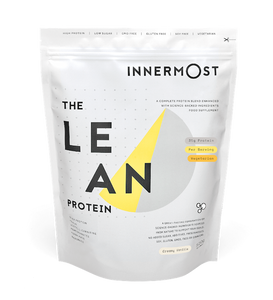
The Lean Protein
Whey protein powder for weight-loss.
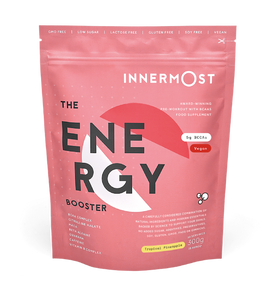
The Energy Booster
Pre/intra-workout powder with BCAAs.

You’re Probably Missing The Benefits Of Compression Clothing For Fitness And Health

21st February 2022

21st February 2022

By Beth Shelper

As if deciding what ‘day’ it is at the gym, what workouts you’re going to do and whether or not to add cardio to the mix at your next gym session wasn’t enough, next comes the small detail of what you’re going to wear.

Now, you may be thinking: who cares what I wear to the gym? It’s the gym.

We totally agree, here at Innermost, we’re big believers in the idea that you should wear whatever you want, whenever you want. The truth of it is, deciding what to wear at the gym is not about how you look. So, go ahead and wear those snazzy yoga pants. Rock them.

When talking about what to wear at the gym, we’re talking about the type of clothing you should be wearing. We’re talking about compression wear.

What is compression wear?

When it comes to compression wear, the clue is in the name. The aim of the garment is to fit tightly to the wearer in order to compress, easing blood flow, reducing sweat and improving overall athletic performance.

Compression wear and compression garments are available in a range of sizes, colours and designs to ensure that athletes of all ages, sizes and requirements can benefit from the fabric technology. Usually made from elastin and nylon, for their compressive qualities.

Types of compression wear clothing include socks, shorts, leggings and upper body garments, and these are most commonly worn by gym goers and athletes, although those that don’t participate in regular exercise or sport can benefit from compression garments and their health benefits, too.

What are the benefits of compression wear and compression garments?

Whether you opt to wear a number of compression wear garments during a workout, or just choose to cover one limb with the compression garment (such as an area affected by injury, like a calf), compression garments are hugely beneficial in a number of ways.

Here are some of our favourite benefits of compression clothing:

Does sports compression clothing increase athletic performance?

The market for compression wear is huge, suggesting that these garments are particularly beneficial when it comes to improving athletic performance: but is that strictly true? Let’s dive in. Some of the world’s biggest sports brands all back the claims, with all offering extensive ranges of compression garments in every size and colour to suit all.  

Things we love to see.

Whilst this all sounds great, though, some investigations seem to contradict these claims, and potentially indicate that the above brands shout the praises of these compression garments from a marketing perspective. Hmmm.

Let’s take a look at the science.

Investigations into compression garments and sports performance

Scientific investigations seem to corroborate that whilst compression garments don’t seem to have a huge impact on overall performance, such as one study conducted by Nike who found that there was no significant difference between runners who wore compression wear and those that didn’t during a 30 minute run, the real benefits come during the recovery side of things.

From this we can conclude that whilst compression wear brings a host of benefits to the table in the health and fitness world, we should prioritise using these garments during an injury.

That leads us on pretty nicely to our next point…

Using compression garments for injuries

If you’re currently suffering from an injury – maybe a pulled muscle, sprain or a torn ligament, compression garments can be hugely beneficial in reducing recovery time and maximising results.

Compression garments are usually used in the treatment of the following injuries:

All in all, the evidence speaks for itself. Compression wear brings a host of benefits, and whilst the garments don’t necessarily correlate with an increase in performance, multiple studies have hailed the sportswear in terms of it’s benefits when it comes to injury recovery.


Product Spotlight

Need Expert Advice?

Other Insights

I've Been Taking Creatine Every Day For Six Years
Something happens in March. The people who started strong in January, the ones with the new routine, the new kit, the renewed sense of purpose, are now splitting into two groups. The ones who've lost momentum. And the ones asking sharper questions. Not "what should I take?" but "what actually works?" Creatine keeps coming up. And every time it does, I notice the same pattern: people either swear by it without really understanding why, or they assume it's something bodybuilders use and leave it alone.I've been taking it every single day for six years. So let me tell you what I actually know. Why I started I didn't start taking creatine for the reasons most people assume. I wasn't trying to get bigger. I was training consistently, eating well, and hitting a wall. That frustrating place where effort stops translating into progress. A friend with a sports science background told me creatine was the most researched supplement in existence. More peer-reviewed studies than almost anything else on the market. That got my attention. So I started. And I kept going. What I noticed The first week, nothing dramatic. But over the following three to four weeks, something shifted. I could push a little harder. An extra rep. Slightly more on the bar. Training sessions that didn't end in the usual flat feeling of having nothing left. Those are marginal gains. They don't feel significant in the moment. But they compound. Over months, they're the difference between a plateau and real, measurable progression. The one time I stopped, about two years in, during a stretch of heavy travel where I got lazy about it, I felt the absence more than I expected. Not immediately. But within a few weeks, training felt duller. Less sharp. I put it back in and haven't looked back since. I also noticed something I hadn't anticipated: my thinking felt clearer on the days I trained hard. I assumed it was the exercise. I later learned creatine may have had something to do with that too. What creatine actually does Most people think of creatine as a muscle supplement. That's not quite right. What creatine does is help your body regenerate ATP, adenosine triphosphate, more efficiently. ATP is your cells' primary energy currency. It's what your muscles burn during intense effort. But it's also what your brain runs on. Here's the mechanism: during high-intensity exercise, your body depletes ATP rapidly. Creatine stored in muscle tissue, in the form of phosphocreatine, allows you to replenish that ATP faster. That's why creatine consistently improves performance in short, explosive efforts: weightlifting, sprinting, high-intensity intervals. But the same ATP recycling process happens in the brain. A growing body of research suggests creatine may support cognitive performance, particularly under conditions of stress or sleep deprivation. A 2021 study published in Scientific Reports found meaningful improvements in memory and cognitive function following supplementation. It's not a nootropic in the trending sense of the word. But the evidence is real, and it applies to more people than the gym crowd. The effective dose is well established: 3 to 5 grams per day, taken consistently. No loading phase required. No cycling. Just daily consistency, and that's where most people go wrong. What the industry does instead Creatine monohydrate has been around for decades. That's a problem for brands that need something new to sell. So new formats appear. Creatine HCL. Buffered creatine. Kre-Alkalyn. Creatine ethyl ester. Creatine gummies. Each one marketed as superior: faster absorbing, more bioavailable, easier on the stomach. The evidence doesn't support it. Multiple head-to-head comparisons, including a widely cited review in the Journal of the International Society of Sports Nutrition, found no meaningful performance advantage for alternative creatine forms over monohydrate. In some cases, the alternatives perform worse per gram of active compound. In the case of creatine gummies, several brands including some very large ones have been shown not to contain the creatine concentrations they claim on the label. What you actually want is simple: a clinically relevant dose of creatine monohydrate, taken every day. That's it. What I use The Power Booster is 100% pure creatine monohydrate, nothing added, nothing unnecessary. Five grams per serving, which sits right at the evidence-supported daily dose. It's not complicated because it doesn't need to be. The science on creatine monohydrate is already settled. The job is just to take it consistently. (If you have a friend still on the fence about creatine, forward this their way. It's one of those rare supplements where the evidence is clear enough to just recommend without caveats.) Read more
Muscle: The New Longevity Biomarker
A few years ago, muscle meant one thing - Aesthetics. Size. Definition. Abs in good lighting. But that framing is outdated. Today, muscle is being discussed in medical literature as something very different. Not vanity. Not ego. Not “gym culture.” Muscle is increasingly viewed as a longevity biomarker. And for those of us in our 30s and 40s who still train, still work hard, still want to feel capable as life gets busier, that matters. Because this isn’t about looking 22. It’s about moving well at 32, 42 or 52.   Muscle Is Metabolic Infrastructure Skeletal muscle is not just tissue that contracts. It is one of the body’s primary metabolic organs. It is the largest site of glucose disposal. It plays a critical role in insulin sensitivity. It acts as a reservoir of amino acids during stress. It influences inflammation, hormone balance, and even immune resilience. Multiple large cohort studies have shown that higher lean mass is associated with lower all-cause mortality. Loss of muscle with age, known as sarcopenia, predicts frailty, falls, metabolic dysfunction, and loss of independence. That’s not fitness industry hype. That’s epidemiology. At 22, muscle is impressive. At 42, muscle is protective. That shift in perspective changes everything.   The Reality of Ageing Physiology From our mid-30s onward, muscle protein synthesis becomes less responsive. We need a slightly stronger signal to stimulate growth and repair. Recovery slows. Sleep becomes lighter. Stress has a bigger physiological cost. None of this is dramatic. It is gradual. But gradual decline is still decline. Based on our customer surveys that you kindly complete from time to time, we see that many of us do not train because we’re insecure. We train because we want to stay capable. We want to keep progressing. We want to look athletic, yes, but more importantly, we want to feel strong in meetings, on long-haul flights, on weekend runs, and as we get older. Wellness, for you, is infrastructure. Not identity. Muscle is part of that infrastructure.   The Protein Signal Matters More Than Volume One of the most underappreciated realities of ageing physiology is that protein intake becomes more important, not less. Research suggests that as we age, we require a slightly higher per-meal dose of high-quality protein to maximally stimulate muscle protein synthesis. The amino acid leucine plays a key role in triggering this process. That means: Total daily protein matters Distribution across the day matters Quality and digestibility matter This is not about chasing extreme intake. It is about ensuring the signal is strong enough to maintain and build lean tissue in a body that is no longer 21. For many of you, that is exactly why The Strong Protein exists in your routine. Not because you want to “bulk,” but because you understand that maintaining muscle is a daily habit, not a seasonal goal. It is simple. Behaviour-light. Infrastructure.   Recovery Is Where Muscle Becomes Longevity Building muscle is not just about training stimulus. It is about the recovery environment that allows adaptation to occur. Sleep quality. Electrolyte balance. Stress management. Micronutrient sufficiency. Chronic under-recovery accelerates muscle breakdown. Elevated cortisol, inadequate protein intake, and high life stress create a net catabolic environment. That is where structure becomes powerful. For some of you, that structure includes: Prioritising protein post-training Supporting cellular energy production Managing oxidative stress and inflammation The Power Booster (pure creatine monohydrate) and The Recover Capsules (our unique science-backed recovery supplement) were built around that idea. Not to create dependency. Not to promise miracles. But to support the physiological processes that allow training to compound rather than break you down. Muscle is not built in the gym. It’s built in recovery. And recovery is increasingly what separates the 35-year-old who thrives from the 35-year-old who plateaus. This Is Not Gym Culture The supplement industry still markets protein like it is 2008. Aggressive language. Shredded physiques. Short-term transformations. But that narrative misses the real story. The real story is metabolic resilience. The real story is blood sugar stability during long workdays. The real story is maintaining lean mass during high-stress periods so you do not feel physically diminished when life demands more from you. You are not trying to become someone else. You are trying to sustain who you are becoming. That is a very different motivation. The Compounding Effect Muscle does not protect you overnight. It compounds. Every training session completed.Every protein target met.Every recovery cycle respected. The benefit accrues quietly. Five years from now, you either have more lean mass than you do today, or less. That difference will influence how you move, how you metabolise food, how you respond to stress, and how independent you remain later in life. It is subtle. But it is powerful. Many of us already understand something that trends often ignore. Health is not a six-week challenge. It is a decades-long investment. Muscle is not aesthetic. It’s insurance. Insurance against frailty. Insurance against metabolic dysfunction. Insurance against the quiet erosion of capability. And unlike most insurance policies, this one improves how you feel today while it protects you tomorrow. If you train, you are already sending the signal. The question is whether your nutrition and recovery support that signal strongly enough. Because the goal is not to look young. The goal is to stay capable. Read more