








icon-account icon-glass

Popular Products

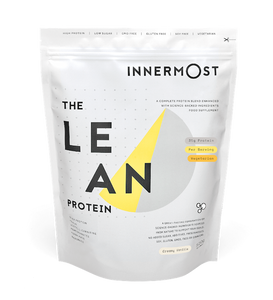
The Lean Protein
Whey protein powder for weight-loss.
The Energy Booster
Pre/intra-workout powder with BCAAs.

The Incredible Health Benefits Of Matcha Green Tea

17th December 2020

17th December 2020

By Shivraj Bassi

Guess how matcha we love matcha? Hint: it’s a lot. 

Matcha green tea has skyrocketed in popularity in recent years. You can get matcha soft serve ice cream, matcha lattes and matcha shots. We all know that it tastes delicious - but is it any good for you?

Just like green tea, matcha comes from the Camellia Sinensis plant. It’s grown by farmers who cover up the leaves of their tea plants around a month before they harvest them, to avoid direct sunlight hitting the leaves. This increases the production of chlorophyll, boosts the amino acid content and gives the leaves that darker green hue that lend the tea its signature bright green colour. 

Following a careful harvest, the stems and veins of the leaves are removed, they’re dried and are then ground into the powder which we call matcha. Unlike other types of green tea, matcha contains the nutrients from the entire tea leaf, which boosts the amount of caffeine, nutrients and antioxidants in the powder. It’s truly a powerhouse substance. 

Innermost is ready to provide you with all the matcha your heart desires, in The Tone Capsules and The Detox Booster. If you’re inspired to add some matcha to your diet, these are great sources to do so. 

Photo by Payoon Gerinto on Unsplash

High in antioxidants

First and foremost is the impressive antioxidant content of matcha, one of its main benefits. Matcha is rich in catechins, a type of plant compounds which act as natural antioxidants which can help to stabilise harmful free radicals, which can damage cells and cause chronic disease. One estimate puts matcha’s antioxidant level at 137 times greater than other types of green tea. 

Increases brain function

Want to feel smarter and work faster? Matcha’s your gal. It can help you to get your to-do list finished and even boost brain function. One study of 23 people found that consuming matcha benefitted them by improving attention spans, reaction times and even memory function. Additionally, matcha is a great natural source of caffeine in much more concentrated amounts than regular green tea. It also helps you to avoid that post-caffeine slump thanks to the presence of L-theanine, which promotes alertness. 

Keeps your liver in tip-top condition 

The liver plays a crucial role in your body, getting rid of toxins, metabolizing medicines and processing vitamins and nutrients. Superstar matcha could help to protect the health and function of your liver. 

A study gave diabetic rats matcha for four months, and discovered that it helped to prevent damage to both the liver and the kidneys. An analysis of 15 studies found that drinking green tea, of which matcha is a variety, was associated with a decreased risk of getting liver disease. While this evidence isn’t fully conclusive, it could indicate that matcha is a powerful tool for keeping livers healthy. 

A weight loss tool

Green tea and matcha are renowned ingredients for helping with weight loss. They may help to speed up the metabolism, which increases the expenditure of energy and boosts the body’s ability to burn fat. A study found that taking a green tea extract supplement during exercising increased the body’s ability to burn fat by 17%, and a review of 11 studies found that green tea reduced overall body weight and helped to maintain weight loss. 

Matcha is truly a fascinating ingredient, and discoveries continue to be made about its ability to help us stay healthy. Best of all, it tastes delicious and is easy to prepare. We love it so matcha!

Need Expert Advice?

Other Insights

Our Top Tips For Maintaining A Healthy Daily Wellness Routine
Muscle: The New Longevity Biomarker
A few years ago, muscle meant one thing - Aesthetics. Size. Definition. Abs in good lighting. But that framing is outdated. Today, muscle is being discussed in medical literature as something very different. Not vanity. Not ego. Not “gym culture.” Muscle is increasingly viewed as a longevity biomarker. And for those of us in our 30s and 40s who still train, still work hard, still want to feel capable as life gets busier, that matters. Because this isn’t about looking 22. It’s about moving well at 32, 42 or 52.   Muscle Is Metabolic Infrastructure Skeletal muscle is not just tissue that contracts. It is one of the body’s primary metabolic organs. It is the largest site of glucose disposal. It plays a critical role in insulin sensitivity. It acts as a reservoir of amino acids during stress. It influences inflammation, hormone balance, and even immune resilience. Multiple large cohort studies have shown that higher lean mass is associated with lower all-cause mortality. Loss of muscle with age, known as sarcopenia, predicts frailty, falls, metabolic dysfunction, and loss of independence. That’s not fitness industry hype. That’s epidemiology. At 22, muscle is impressive. At 42, muscle is protective. That shift in perspective changes everything.   The Reality of Ageing Physiology From our mid-30s onward, muscle protein synthesis becomes less responsive. We need a slightly stronger signal to stimulate growth and repair. Recovery slows. Sleep becomes lighter. Stress has a bigger physiological cost. None of this is dramatic. It is gradual. But gradual decline is still decline. Based on our customer surveys that you kindly complete from time to time, we see that many of us do not train because we’re insecure. We train because we want to stay capable. We want to keep progressing. We want to look athletic, yes, but more importantly, we want to feel strong in meetings, on long-haul flights, on weekend runs, and as we get older. Wellness, for you, is infrastructure. Not identity. Muscle is part of that infrastructure.   The Protein Signal Matters More Than Volume One of the most underappreciated realities of ageing physiology is that protein intake becomes more important, not less. Research suggests that as we age, we require a slightly higher per-meal dose of high-quality protein to maximally stimulate muscle protein synthesis. The amino acid leucine plays a key role in triggering this process. That means: Total daily protein matters Distribution across the day matters Quality and digestibility matter This is not about chasing extreme intake. It is about ensuring the signal is strong enough to maintain and build lean tissue in a body that is no longer 21. For many of you, that is exactly why The Strong Protein exists in your routine. Not because you want to “bulk,” but because you understand that maintaining muscle is a daily habit, not a seasonal goal. It is simple. Behaviour-light. Infrastructure.   Recovery Is Where Muscle Becomes Longevity Building muscle is not just about training stimulus. It is about the recovery environment that allows adaptation to occur. Sleep quality. Electrolyte balance. Stress management. Micronutrient sufficiency. Chronic under-recovery accelerates muscle breakdown. Elevated cortisol, inadequate protein intake, and high life stress create a net catabolic environment. That is where structure becomes powerful. For some of you, that structure includes: Prioritising protein post-training Supporting cellular energy production Managing oxidative stress and inflammation The Power Booster (pure creatine monohydrate) and The Recover Capsules (our unique science-backed recovery supplement) were built around that idea. Not to create dependency. Not to promise miracles. But to support the physiological processes that allow training to compound rather than break you down. Muscle is not built in the gym. It’s built in recovery. And recovery is increasingly what separates the 35-year-old who thrives from the 35-year-old who plateaus. This Is Not Gym Culture The supplement industry still markets protein like it is 2008. Aggressive language. Shredded physiques. Short-term transformations. But that narrative misses the real story. The real story is metabolic resilience. The real story is blood sugar stability during long workdays. The real story is maintaining lean mass during high-stress periods so you do not feel physically diminished when life demands more from you. You are not trying to become someone else. You are trying to sustain who you are becoming. That is a very different motivation. The Compounding Effect Muscle does not protect you overnight. It compounds. Every training session completed.Every protein target met.Every recovery cycle respected. The benefit accrues quietly. Five years from now, you either have more lean mass than you do today, or less. That difference will influence how you move, how you metabolise food, how you respond to stress, and how independent you remain later in life. It is subtle. But it is powerful. Many of us already understand something that trends often ignore. Health is not a six-week challenge. It is a decades-long investment. Muscle is not aesthetic. It’s insurance. Insurance against frailty. Insurance against metabolic dysfunction. Insurance against the quiet erosion of capability. And unlike most insurance policies, this one improves how you feel today while it protects you tomorrow. If you train, you are already sending the signal. The question is whether your nutrition and recovery support that signal strongly enough. Because the goal is not to look young. The goal is to stay capable. Read more