










You’re training to grow, but are you eating for It?
If you’ve been training for a while then protein is almost certainly one of the words you’ve heard the most. There’s been a debate raging in the fitness community for years on how much protein is the right amount and it might seem everyone has a different opinion. A lot of people get stuck in this loop but they miss what’s arguably the most important thing about protein: the quality of the sources you’re eating.
In practice, it’s not just about eating more protein, it’s about eating the right kinds, in the right amounts, in a way your body can actually use. And that’s the part most advice skips over.
Spend five minutes searching for high protein foods for muscle growth and you’ll see the same lists repeated everywhere. Chicken, eggs, Greek yoghurt, salmon. They’re all solid options and that’s why they’re mentioned so often. But very rarely do those lists explain why those foods work, or why some protein sources are simply more effective than others.

That detail matters more than most people think. It’s often the difference between someone who’s training consistently but not seeing much progress, and someone who’s actually building strength, recovering well and moving forward week to week.
And it’s not just about building muscle either. If your goal is fat loss, protein arguably becomes even more important, because your body is far more willing to lose muscle than you might realise.
In this guide, we’ll break down the best high protein foods for muscle growth, explain what actually makes them effective, and show you how to use them in a way that fits into your daily life. The aim is simple: keep it grounded in evidence but explain it in a way that actually makes sense, so you’re not just following advice, you understand why it works. That kind of clear, credible guidance is exactly what there needs to be more of: trustworthy, practical tips that are easy to apply and get real results from.
Best high protein foods for muscle growth
When people talk about high protein foods for muscle growth, the same options tend to come up again and again. And for the most part, there’s a good reason for that. But instead of just listing foods, it’s worth understanding why certain options consistently show up, and why some are more effective than others when it comes to actually supporting muscle growth. The following are foods that you should be able to obtain easily from your local supermarket or grocery store and that should be easy to incorporate into a range of meals to keep your diet both interesting and nutritious.
Eggs
Eggs are often regarded as the gold standard when it comes to protein quality, and that’s no accident. They contain all nine essential amino acids in the proportions your body needs, making them a complete protein. That’s key because without all of these amino acids present, your body can’t synthesise new proteins to build muscle tissue.
More importantly, eggs are highly bioavailable, meaning your body can digest and use a large percentage of the protein they provide. That matters, because muscle growth isn’t just about how much protein you eat, it’s about how much of that protein your body can actually use.

Eggs are also rich in leucine, the amino acid most closely associated with triggering muscle protein synthesis, which is a key process in building new muscle tissue. More specifically, leucine is the primary trigger for the mTOR pathway, one of the primary methods through which the body regulates its metabolism and new cell growth.
If you’re interested in finding out more about the vital role of Leucine, check out this in depth study from Layne Norton which discusses it in detail along with how high protein diets can also help prevent obesity.
On top of all that fantastic muscle building potential, eggs are really practical. Quick to prepare, relatively inexpensive, and easy to include in a range of different meals.
Lean meats
For most of us, lean meats are what we build many of our meals around. They’re reliable and, because meat is muscle tissue in itself, they’re complete proteins and contain all 9 essential amino acids just like eggs. This makes them particularly effective for supporting muscle repair and growth after training.
1. Chicken breast
You’ve probably heard the old cliché that bodybuilders just eat chicken and rice. Not quite true, but chicken breast is often the go-to because it’s simple and effective. It provides a high amount of protein per serving with relatively little fat, making it easier to increase your protein intake without dramatically increasing your calories. That’s useful whatever your goal may be.
Chicken is also easy to prepare in bulk and goes with most things, which makes consistency much easier over time. When you lead a busy life as most of us do, dropping everything to cook a meal isn’t always practical. When you prep in bulk, like you can with chicken, you can grab a quick meal on the go, stay on track with your goals and save money too.

2. Lean beef
Lean beef offers something slightly different. Not only is it a high-quality protein, it naturally contains creatine, which you’ve probably heard about if you’ve spent any time in the gym. Creatine is a compound that plays a direct role in energy production during high-intensity training, assisting with the creatine-phosphate system. While the amount is lower than what you’d get from supplements, it still contributes over time and helps you perform at more effectively for longer and means you build more muscle. Bonus tip: pair with dairy, or seeds if you’re vegan, to up your phosphorus levels, the other key component in the CP pathway.
Beef is also rich in iron, zinc and B vitamins, all of which support energy levels, recovery and overall performance. It’s a bit more expensive than chicken but, if your dietary preferences allow, it’s one of the best foods you can incorporate into your weekly nutrition plan. Just remember to stick to lean sources where possible to get the most protein and ensure you remain efficient with your calories.
3. Turkey
Turkey offers a similar nutrient profile to chicken, with high protein content and relatively low fat depending on the cut. It’s a useful option for variety, especially if you’re trying to maintain a high protein intake consistently without relying on the same foods every day.
Fish and Seafood: Protein That Supports Recovery and Performance
Fish and seafood are often considered to be the same as meat when it comes to protein sources. Sure, they do provide high-quality protein, but they also contain plenty of additional nutrients that support recovery, growth and overall health. Seafood is easier to digest than animal protein because it contains fewer connective tissues.
1. Salmon: Protein with Added Recovery Benefits
Salmon is a true superfood for any fitness enthusiast. It’s rich in both protein and omega-3 fatty acids. Omega-3s are absolutely crucial for health because they help lower LDL cholesterol, one of the main causes of heart disease. They also help regulate healthy hormone production, including testosterone, so have a direct effect on your ability to synthesise new muscle tissue and improve your strength. Finally, they play a role in reducing inflammation and supporting recovery, which help you to maintain training quality and consistency over time.
Salmon is slightly higher in calories than lean meats due to the higher fat content but it’s nothing to be scared of. If you’re looking to build muscle effectively then you really need to be in a caloric surplus anyway, but even if your goal is fat loss, it’s a food you should incorporate regularly.

2. Tuna
Tuna is an absolute classic. It’s high in protein and low in fat and calories, making it one of the most efficient protein sources available. It’s also extremely convenient, which makes it easier to stay consistent. Tip: if you’re ever out on the go and need a quick meal, you can grab a pasta pot or equivalent from the supermarket, then add a tin of tuna to increase the protein from the meal significantly.
3. Prawns and other shellfish
Shellfish like prawns are one of the most protein-efficient foods you can eat. A large proportion of their calories come directly from protein, making them especially useful during fat loss phases where calorie efficiency matters more than ever. They’re also rich in nutrients that can be hard to obtain from other food sources, like selenium and vitamin B12. Both of these contribute to your immune system and are essential for a healthy metabolism. The result? You’re ill less often so can train more, with a metabolism that’s primed for muscle growth and fat loss.
Dairy
Dairy is one of the easiest ways to increase your protein intake without overcomplicating your diet. It mixes easily with other food sources and you don’t need to cook it, so it’s great for a quick protein fix when you need it. One thing you should be mindful of though is that dairy often contains lactose sugar (unless you go for a lactose free option) which might cause a bit of bloating. The trick, as with most things, is moderation. In the right amounts, dairy is a staple for many diets where a leaner, more muscular physique is the goal.
1. Greek Yoghurt
Greek yoghurt is strained, which removes more liquid whey and results in a higher protein content and lower lactose per serving. That makes it a more efficient protein source, particularly if you’re trying to increase your protein intake without significantly increasing your calories. Mix it with oats, fruit and perhaps a little whey protein and leave overnight and you’ll have yourself a fantastic, high protein breakfast to start the next morning with!
Bonus: Try Icelandic skyr yoghurt as well. It’s just as high in protein and often has even less sugar. While it used to be hard to find, it’s now readily available and highly recommended!
2. Cottage Cheese
Cottage cheese is a real opinion splitter. People hate it because of the texture. While it can take some getting used to, there are some deeper benefits than you might realise, namely that it’s rich in casein. Casein is a form of protein which digests much more slowly than whey. That slower digestion provides a more sustained release of amino acids, making it particularly useful in the evening or before longer periods without food. In fact, studies have shown that ingesting between 40 and 48g of protein after a training session around 30 minutes before sleep can improve protein synthesis while sleeping by up to 22%.
Plant-Based Protein Sources
Plant-based diets have become more popular than ever and that trend is only increasing over time. In 2025, 3% of the UK population identified as following a plant based diet according to a survey of 10,000 adults by Vegan Society. Despite this, there’s still a common misconception that being vegan or not eating meat makes it impossible to grow effectively. In reality, plant-based diets can absolutely support muscle growth, but they require a slightly more considered approach.
Complete plant proteins are a bit less readily available than animal protein, but they do exist. If following a plant based diet, it’s important to mix protein sources to ensure that, between them, you get all the essential amino acids needed for new muscle growth.
1. Tofu and Tempeh (Soy Based Foods)
Soy-based foods like tofu and tempeh are both examples of complete plant proteins. Many of the vegetarian or vegan substitute products you’ll see in the shops are soy-based, meaning you can follow a plant based diet, get all the amino acids you need and still have a varied plan that doesn’t get boring. Soy is highly bioavailable too, so your body can digest it easily and use more of the nutrients in it more effectively.
2. Lentils and legumes
Lentils and legumes are widely available and can contribute significantly to your overall protein intake. They’re also extremely nutrient dense. Lentils, for example, are not only a great protein source, they’re also high in fibre to aid digestion and iron to help with your energy levels. They may not be complete proteins individually, but combining them with other foods helps create a balanced amino acid profile that’ll keep you growing just as well as if you were eating animal protein.

3. Quinoa and alternative sources
Quinoa is one of the few complete plant-based complete proteins alongside soy, as well as several key essential micronutrients. It contains minerals like magnesium and manganese, both of which are important for bone health, metabolism and proper enzyme function.
Nuts and seeds are also great options to consider for plant-based protein. However, they do tend to be higher in fat. This might work well if you’re following a keto diet but makes them less efficient in terms of protein per calorie. For other diet styles these may be best eaten in moderation.
4. Chickpeas
Another great combined source of carbs and protein, each 240g serving of cooked chickpeas contain 12g of protein, 50g of carbs and 10g of fibre. While chickpeas may not have as much protein as that sourced from animals, they’re a vegan, sustainable way to up your intake.
Why these foods work for muscle growth
We’ve gone through some of the best foods you can eat if you’re trying to put on muscle and even gone into some of the other benefits. Now, we need to understand why these foods are effective, because that’s what allows you to apply this properly.

Bioavailability (how much protein your body can use)
The importance of bioavailability can’t be understated, yet it’s something that’s almost never spoken about. Not all protein is absorbed equally, so just because a food is higher in protein doesn’t necessarily mean your body will be able to use as much of it. It’s the bioavailability of a food source that determines how much of the protein in it (or any other nutrient for that matter!) your body can absorb.
Animal-based proteins tend to be more bioavailable because they are already muscle tissue and already contain complete amino acid profiles. This makes them more easily used for the process of building new muscle tissue but that doesn’t mean plant proteins can’t hold their own too. However, eggs are often regarded as the benchmark here and are the most bioavailable protein you can get as a whole food.
Leucine
As we’ve already discussed, leucine plays a key role in stimulating muscle protein synthesis. It acts as a trigger that tells your body there are the right nutrients present in sufficient quantities to begin new protein synthesis. Certain foods provide enough leucine per serving to effectively “switch on” this process, which is why some protein sources are more effective than others.
Protein per calorie (efficiency)
This is one of the most overlooked factors, and another reason why not all protein sources were created equal. Two foods can both be high in protein, but one may provide far more protein per calorie. Remember that a gram of protein is 4 calories, but if the protein source is high in fat (which is 9 calories per gram) then you’re getting less protein per relative gram of the food you’re eating and are being less efficient with your calories. That becomes especially important during fat loss, where you want to preserve muscle without exceeding your calorie target.
How much protein do you need for muscle growth vs fat loss?
For muscle growth, your protein intake needs to be high enough to support recovery and allow your muscles to respond properly to a training stimulus. Look at it this way: you wouldn’t build a house with no bricks, so you can’t build muscle without the right materials in the right quantities! For optimal muscle hypertrophy, that’s around 1.6-2.0g per kg of bodyweight or 0.8-1.0g per lb.
For fat loss, many people think you need to reduce your protein because you’re reducing your calories. In fact, the opposite is usually true; it often needs to be even higher. This is because when you’re in a calorie deficit, your body is more likely to break down muscle tissue. As humans, we’re hunter-gatherers which means we’re primed to store fat easily. This is because we were once hunting for food couldn’t be sure when our next meal might be. As a result, we’d store all the energy we consumed as fat so we could survive.
The result of this is that our bodies view muscle tissue as ‘expensive’ metabolically. Having more muscle tissue raises our metabolic rate and means we burn more calories at rest. Our bodies haven’t yet evolved out of the instinct to store fat and get rid of muscle we don’t need in case we need to survive for a long period of time without much energy, so we need to signal to them that we want to keep our muscle. Protein helps do just that by supporting muscle retention, even in a calorie deficit. For most people training naturally, a higher protein intake during fat loss is one of the most effective ways to preserve lean mass. As a target, aim for 2.0-2.4g per kg of bodyweight or 1.0-1.2g per lb and, if reducing calories, take these from your carbohydrate or fat intake first.

How to structure your protein intake across the day
It’s not just about how much protein you eat, but how you spread it across the day. Whilst the so-called ‘anabolic window’ isn’t as tight as once thought (it used to be commonly accepted that you had to eat protein as soon as possible after training!), ensuring your body has an adequate amount of protein throughout the day is generally the best way to go about things.
Spacing protein intake across meals helps maintain a more consistent supply of amino acids and supports muscle protein synthesis more effectively than consuming it all at once. Including a mix of fast and slow-digesting proteins can also help support both recovery and longer periods without food.
Building a high protein diet that actually works
At this point, the goal isn’t to overcomplicate things. Keep your stable food choices simple and ensure that the majority of your calories each day come from whole, unprocessed foods. When it comes to protein specifically, a strong approach usually looks like:
- A foundation of whole food protein sources
- A mix of animal and/or plant-based options within any dietary restriction you have
- Simple, repeatable meals you can take with you on the go if needed
- Supplements used where they add convenience, but only in moderation
Consistency matters far more than perfection, and the odd treat here or there isn’t going to derail your progress. What will, is the ‘all or nothing approach’, which you want to avoid.
Common mistakes when increasing protein intake
A few things tend to come up repeatedly here. It’s easy to get obsessed with numbers or think along the lines of ‘if I don’t get 200g of protein a day I won’t grow’. Instead, focus on increasing the quality of your protein intake first and dial the amount in later. It’s unique for everyone, so experiment to find the right amount for you.
Perhaps the most common mistake is related to the ‘all or nothing approach’, and that’s completely ignoring your calorie intake and just tracking your protein. If you don’t keep your calories in check then you’ll put on too much fat and sabotage your efforts. You might hear this referred to as a ‘dirty bulk’ (eating anything and everything to grow) but you can also gain fat eating too much of anything. Similarly, not eating enough is going to make gaining new muscle extremely difficult. Work out your calories, track your food and hit all your macros consistently, not just your protein.
A note on supplements
One thing we haven’t yet discussed is supplements. Whilst the focus of this guide has been whole foods, supplementing with additional protein can certainly help you to achieve your goals. However, this should never replace real food. The clue is in the name, it should supplement a solid foundation.
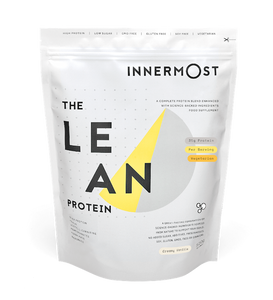
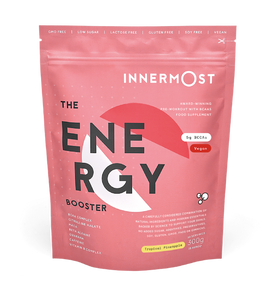
Make sure you choose a high-quality protein powder such as those from Innermost. Whey protein is even more bioavailable than eggs and contains a high amount of leucine, but not all protein powders are the same and their amino acid profiles do vary. We use only the highest quality ingredients in ours because we want to ensure you get the best results. There are vegan options too, so check out our range!
Final thoughts
Building muscle isn’t about finding a single “perfect” food. It’s about understanding how different protein sources work, choosing ones that fit your lifestyle, and applying that consistently over time. Once you understand the basic principles of quality, quantity, and timing, everything else becomes much simpler.
And that’s ultimately the goal. Not to overcomplicate your nutrition, but to make it work in a way you can actually stick to.