









When embarking on your fitness journey, you will undoubtedly have been recommended to start incorporating protein into your diet to up your workout game. Perhaps the most popular workout supplementation, protein is famed for its natural ability to increase our energy levels and muscle mass (our muscles do naturally contain protein, after all…)
But as a result, many seem to get muddled in the sea of information out there, and begin to worry that taking protein in excess will lead to unwanted side effects. We have noticed that these effects are noted particularly by women – aka, they want to avoid getting a bulky body.
Does protein make you bulky
This leads to a couple of age-old questions in the fitness world: does protein make you bulky? Does protein make you gain weight?
Unfortunately, these are questions that affect people everywhere, and stops so many from reaping the amazing benefits of protein and protein supplements. This is because many fear that ‘bulky body’ that all too often comes with the stereotype of taking too much protein – one that is entirely false. As experts of all things protein, we wanted to give you an overview, and squash this harmful myth once and for all.
So, if you’re looking for some information on protein, the basics and how to avoid this perhaps unwanted bulkiness, strap yourselves in.
What is Protein?
We couldn’t bust this myth without first covering the basics. Simply, protein is a macronutrient (one of three, aside from fats and carbohydrates), that are commonly found in animal products such as meats and dairy. If you’re vegan or vegetarian though, don’t worry, as this macronutrient can also commonly be found in nuts, and there are plenty of great, research-based protein supplements that you can try out (psst, how about this one?).
Protein is key in the process of maintaining a healthy diet, as it plays a huge role in normal body functioning. This is because proteins make up the enzymes that power many of our chemical reactions inside the body, as well as playing a role in the creation of haemoglobin (which simply put, is responsible for the transport of our oxygen around the body). Pretty important stuff.
Why do people use protein?
Aside from those all-important body requirements that we just covered, protein is a key element in the building and maintenance of muscle tissue, and essentially, mass. This is one of the most popular reasons for adding a bit of extra protein to your diet, but it by all means is not the only one.
The Health Benefits of Taking Protein
- Aids Digestion
- Improves Oxygen Levels
- Lowers Your Blood Pressure
- Maintains Weight Loss Abilities
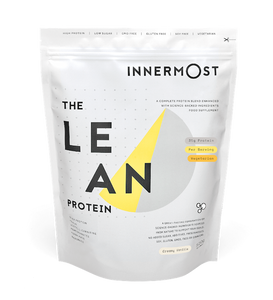
Taking protein and protein supplements like The Lean Protein and The Strong Protein are a great way to help yourself reach your fitness goals, improve your performance and even, help with hair loss. Yeah – really!
So… does protein make you bulk?
The answer is no. This is because protein does indeed help increase your muscle mass, so many take it in a supplementary fashion, but protein alone will not make you bulk, and won’t give you a bulky body.
Myth = busted!
This means that you would need to be in a calorie surplus to be gaining weight and getting bulky – so as long as you’re maintaining a healthy, balanced diet, and taking recommended doses of protein and/or protein supplements, you will not experience any bulking. If you’re looking for some tips on how to tone without getting bulky – we recommend implementing protein supplements or food sources into your diet. But yo can also find some pretty nifty tips and tricks here.
As we said, we have found that is a particular worry for women. The idea of a ’bulky body’ might be what you’re avoiding - so we’re here to assure you that taking protein will only positively impact your fitness regime. This is because physiologically, our testosterone levels aren’t as high as men’s, so the process of building muscle, or ‘bulking’ is slightly different. Aside from this, like we said, you need more than just protein to achieve muscle mass – this is just part of the process.
Shall I keep taking protein?
Yes! Don’t be put off by these (false) stereotypes. Many love protein and protein supplements for toning up, weight loss, and other health and wellbeing benefits. The benefits of protein far outweigh the detriments, so please don't let this put you off...
Benefits of protein
- Hair Growth
- Healthy Skin
- Reduces Your Appetite
- Boosts Your Metabolism
- Maintains Healthy Bones
- Aids In Injury Recovery
Summary
To answer the question – does protein make you gain weight? No. The only thing that will make you bulky is an ill-fitting calorie surplus diet and an intense weightlifting routine. Protein plays a key role in growing muscle, but it definitely is not responsible for it, so don’t be scared! Taking protein actually leads to lean, toned muscles – and the benefits of these are not to be missed:
- Improve Your Performance
- Up Your Energy Levels
- Achieve Your Fitness Goals
If you’re new to taking protein and need some advice, or maybe a vegan or vegetarian that can’t gain protein through food sources in your diet, take a look into some protein supplementation options. There are a range of great products that are tailored to help you reach your personal fitness goal and help you gain the benefits of protein – if you’re looking to tone up, for example, try The Lean Protein. If you’re looking to improve your strength, The Strong Protein will be your best friend.