







icon-account icon-glass

Popular Products

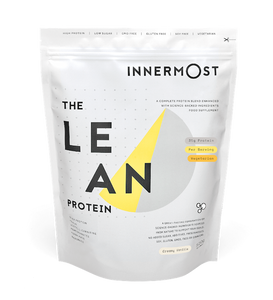
The Lean Protein
Whey protein powder for weight-loss.

GreenBox x Innermost Presents: Cannabidoil (CBD) Explained

8th October 2021

8th October 2021

By Innermost

It’s that time again… time to introduce you to some exciting new brands that we are proud to partner with here at Innermost. The lovely folks at GreenBox have guest written a little something to share with you.

GreenBox work with us to raise awareness about a holistic approach to health and wellness, and sell some of our award-winning supplementations such as The Relax Capsules, The Detox Booster and The Focus Capsules. We bonded over our love of natural alternatives and the rest was history. But who are GreenBox? What do they sell? And can they explain to us the ins-and-outs of CBD?

GreenBox: The Lowdown

GreenBox sell a variety of plant-based wellness products focusing on improving overall health. Their goal is to create an environment supporting sustainable wellness versus following the latest fad diet or ingredient, not too dissimilar than our goal here at Innermost. At GreenBox, they introduce CBD, while providing you with the information you may need to learn more about this wonder ingredient, taking all the hard work and confusion out of it for you.

What is CBD?

Cannabidiol (CBD) is one of 116 cannabinoids that can be extracted from the hemp plant. The hemp plant is grown throughout the world, and its importance in human history is well documented as a medicine. CBD gets a bit of a bad reputation as it gets lumped in with other cannabinoids from the hemp plant which are highly regulated like THC. The difference with CBD is that it cannot get you high, it is legal and regulated in the UK and Europe and has an emerging reputation for its positive therapeutic benefits. It is also the only cannabinoid on the list of approved medicines by the International Olympic Committee (IOC).

How does CBD work?

All of us have a natural system in our bodies called the endocannabinoid system (ECS). The importance of this system in regulating our body was not fully understood until the 1990’s.

While a lot of clinical study is ongoing today to determine how the ECS works, the prevailing view is the ECS keeps our body in balance. So, it does this by responding to various stresses on our body and producing natural compounds to help battle inflammation. These natural compounds are called endocannabinoids and they react with various receptors in our brain, gut, and immune system.

So, where does CBD fit into the picture? Amazingly, CBD is a plant-based version of an endocannabinoid our body generates naturally. The issue with the natural cannabinoid is enzymes in our bodies sometimes break it down before its done fighting off all the inflammation in our cells. This residual inflammation can lead to all sorts of chronic health issues, including an emerging condition called auto-stress, where the fight or flight system gets activated even though there is not a stress event occurring.

 As such, CBD can be used to supplement our ECS and help fight off the remnants of inflammation in our bodies. So, therefore CBD is used by many high-performance athletes, to help aid with recovery and to help improve recovery times.

What are the benefits to taking CBD?

There are many studies ongoing on CBD, and most of the benefits are anecdotal. As such, specific claims cannot be made by CBD companies until clinical studies are completed to support claims. However, some of the benefits from users are reduced stress levels, better sleep, and improved moods.

There are four science-backed CBD benefits for skin that can be made as the EU has approved it.  CBD can reduce redness in the skin, so you have seen CBD added to a number of beauty products. It can also act to help prevent the signs of aging and fine lines.

What are the different ways to take CBD?

There are a few different formats for making CBD apart of your daily regime. The most popular format is to take an oil. The drops are taken under the tongue and help there for 60 seconds. This be done in the morning and evening.

This format is good for varying dose, and for getting the most bang for your buck. The most popular CBD oil at GreenBox is the Vitality CBD oil drops. It is a great product for CBD beginners.   

GreenBox informed us that some people are thrown off by the taste of the oil, so it is also possible to take in a capsule, a tablet or even a gummy. The Love Hemp 600mg CBD capsules are quite popular on the GreenBox site, and Love Hemp recently started working with Anthony Joshua to develop a specific line of products targeted at high performance athletes. A new format, tablets can be dropped into your morning glass of water and can also supplement your daily regime with other vitamins. A real favourite at GreenBox is the Fourfive CBD tablet, the company founded by two former pro-rugby players.

For injuries or pulled muscles, the best format is a CBD muscle balm. We’re told that another GreenBox favourite is the Cerious Muscle Balm Cerious muscle balm, which was formulated by the co-creator of MAC cosmetics and doesn’t have the same medicinal odours of other muscle balms.  Applying a muscle rub to sore joints or legs post a workout is a great way to feel these beneficial effects and aid recovery.

How much CBD should I take?

The guidelines from the UK health authorities are not to exceed 70mg of CBD per day. Most of the formats come in 10 or 20mg servings, which makes it easier to ensure this daily threshold is not exceeded. It is worth noting you cannot overdose on CBD, so do not be worried if you accidentally go over this guideline. The key is to start low and go slow.

It takes 4-6 weeks before you should start to notice the positive effects of taking CBD, while the longer-term benefits come from taking CBD on a sustained basis.
Want to learn more about CBD?

GreenBox has created the Ultimate Guide to CBD , which goes much deeper on each of the topics we have touched on above. Or visit www.greenbox.co.uk to learn more.

Need Expert Advice?

Other Insights

Your Summer Survival Kit (From Someone Who Travels A Lot)
I'm putting the finishing touches to this post from an airport, which feels appropriate. By my count, I'll be going through three countries in the next six weeks. Meetings, a trip to see family including my niece and nephew, a supplier visit in Italy that I've been putting off for a year. And every summer the same thing happens. The carefully built routine, the one that took months to lock in, gets thrown into a suitcase and I hope for the best. Most people react to this by either giving up on the routine entirely ("I'll sort it out when I'm back") or overpacking so aggressively that half of it never leaves the bag. I've done both. Neither works. What actually works is deciding, in advance, which two or three things earn a place in my bag and which ones can wait until September. So here's mine. Not a wellness influencer's "what's in my bag" video. An honest list, built over about a decade of getting this wrong first. Why travel breaks routines specifically It's worth being precise about what actually changes when you travel, because it isn't just "less discipline." Three things shift at once. You sweat more and drink less water than usual, because you're distracted or the flight dried you out or the hotel room is warmer than home. You're outdoors more, often somewhere sunnier than wherever you live. And your meals stop being yours. You eat what's available, when it's available, and protein is usually the first thing to slip, because sugar, carbs and fat are what's on offer at 6am airport cafes. None of this is a discipline problem. It's an environment problem. The fix is making sure two or three specific things are in my bag before I leave home, so I’m not relying on willpower to begin with. 1. Electrolytes, non-negotiable Most people remember to pack sunscreen. Almost nobody packs electrolytes, and it's the one that actually catches up with you. Water replaces volume, not what you lose through sweat, which is mostly sodium and potassium and magnesium doing the quiet work of keeping muscles firing and fluid balanced properly. Miss that balance for a few days in the heat and you get the symptoms everyone blames on jet lag: the headache, the flat energy, the slight fog by 4pm that a coffee doesn't fix. It's usually not jet lag. It's electrolytes. I take The Hydrate Blend  for exactly this reason. Six electrolytes, no sugar, no synthetic flavouring, dissolves in a bottle of water in about ten seconds. One sachet on a travel day, first thing in the morning, does more for how I feel by evening than anything else in the bag. 2. Something for the sun you're actually going to get Here's the part most people don't think about until it's too late. UV exposure accelerates collagen breakdown, which is a slightly clinical way of saying that a week of proper sun does more to skin structure than most of the year combined. This isn't about vanity. It's a straightforward mechanism: UV generates free radicals that degrade existing collagen faster than your body can replace it. Sunscreen protects against the burn. It doesn't do anything for the collagen you're losing underneath. I've been taking The Glow Blend through summer for this reason specifically. Hydrolysed collagen peptides paired with vitamin C, which matters because vitamin C is a required co-factor for collagen synthesis and most collagen products leave it out entirely, then wonder why customers don't notice anything. It won't undo a week in the sun. It gives your skin something to rebuild with while it's under more pressure than usual. 3. Protein, especially when the meals aren't yours This is the one I've learned the hard way. When your diet goes inconsistent, protein is usually the first macronutrient to drop, simply because it's the hardest to find on the move. Airport food, hotel breakfasts, whatever's left at a conference buffet by 1pm, none of it is built around protein. And the honest science here is less dramatic than people expect: you don't need to train harder to maintain muscle through a disrupted period, you need to keep protein intake somewhere close to normal. That's the whole trick. I'll say this honestly because I'd rather be straight with you than pretend otherwise: my go-to for this is still The Strong Protein (whey based) and The Health Protein (vegan). They earn their place in my bag because they travel well, mix with nothing but water, and does the one job that actually matters on the road, which is making sure protein doesn't disappear from your day just because your routine has. The actual point None of this is about maintaining perfect discipline on holiday. Nobody does that, and if a brand tells you they do, they're not being honest with you. It's about deciding in advance which three or four things matter enough to bring, so the choice isn't being made for you by whatever's in the hotel minibar. If you've got a system that works for you when you travel, reply and tell me. I read every one of these, and I'm always looking to steal a better idea for my next trip. If this is useful, forward it to whoever in your life is about to live out of a suitcase for the next few weeks. It's the email I wish someone had sent me a decade ago. Read more
How to Beat Imposter Syndrome, According to Experts
Do you ever feel like a fraud at work? Or worry that people won’t love the ‘real’ you? Even when you have evidence that suggests none of the above is true? Then, you could be experiencing imposter syndrome - and, you’re not the only one.  Research shows imposter syndrome is a universal struggle with one review finding that up to 82% of people could be experiencing imposter syndrome and suffer from anxiety, burnout and exhaustion because of it. While imposter syndrome can feel deflating and challenging, the good news is that there are steps you can take to overcome self-doubt and boost self-confidence, so you stop holding yourself back from reaching your full potential To help you leave imposter syndrome behind for good, we spoke to two experts to bring you everything you need to know including how to spot it and how to beat it.  What Is Imposter Syndrome? “Imposter syndrome is the overwhelming feeling of self-doubt or fear of being exposed as a ‘fraud’,” explains Holistic Health & Wellness Coach Christina Calderwood. When we experience imposter syndrome it’s because we believe on some level that our achievements are down to luck or other factors and not our own ability, and we feel unworthy of our success. “Those with imposter syndrome worry that others will eventually uncover the ‘truth’ and see their perceived lack of skill and capability, despite evidence of their success and achievements,” Christina adds.  Signs of Imposter Syndrome Imposter syndrome can show up in different ways and may show up differently depending on the scenario you are in.  For example, imposter syndrome at work can look like questioning if your contributions are valuable and choosing to stay silent out of fear. In friendships it can look like worrying what others think of you and in romantic relationships you might feel you're undeserving of your partner's love and affection. Imposter syndrome often shows up in self-limiting thoughts and beliefs, and the stories we tell ourselves. According to Christina, some of the most common thoughts people with imposter syndrome may have include:  I don't deserve this success, I just got lucky. I'm not as smart or talented as they think I am. I'm afraid they will find out I don't know what I'm doing. I’m afraid they will see the ‘real’ me and not like me for who I really am.  I have to work harder than others to prove myself and achieve my goals. I can't make any mistakes or ask for help, or they will think I'm incompetent.  Why do we experience Imposter Syndrome “Imposter syndrome is more common than we might think and something we may experience at different stages of life,” mindset and confidence coach Francesca Nervegna tells us. With research suggesting that up to 70% of us may experience imposter syndrome in our lifetime, this fear-driven mindset can affect anyone at any time, regardless of their age, gender or profession.  There are many reasons why we may experience imposter syndrome, some of these include striving for perfectionism, our upbringing, facing a new challenge and social comparison.  “Perfectionism is another way that self-sabotage and imposter syndrome can disguise themselves,” explains Christina. “Holding ourselves to unrealistic standards and expectations stops us from going after our dreams, let alone even trying. This happens when we are afraid of failing, of being seen, feeling vulnerable or not feeling as good as others.”  The environment in which we grew up in can also lead us to strive for perfectionism and experience imposter syndrome. “People who grew up in environments with high expectations or where success was often compared to others' achievements may have internalised the belief that they need to constantly prove their worth,'' Christina adds.  Similarly, a big life change that involves taking the leap before we feel ‘ready’, such as a new job or promotion, can trigger self-doubt and feelings of imposter syndrome.  We may experience imposter syndrome when we compare ourselves to others, either those around us or on social media. “The grass may seem greener on the other side, we might think that others are better than us and start to compare ourselves to them and compete with them in our minds,” Francesca adds.  Christina echoes this: “We're constantly bombarded with messages that our worth is tied to our achievements and external validation. The pressure to meet these unrealistic standards can be overwhelming.” Christina believes that social media makes this worse by only showing us the highlights, making it seem like everyone else has got everything together while we are struggling.  Stereotypes can also lead to feelings of imposter syndrome. “Individuals from underrepresented groups may feel added pressure to succeed and represent their group positively, which can contribute to imposter syndrome,” Christina explains. “They might also face implicit or explicit biases that undermine their confidence.” How to beat Imposter Syndrome The first step to beating imposter syndrome is becoming aware of it and identifying that we have self-limiting beliefs. “Once we identify it, we are already one step ahead and we can start working on it,” Francesca explains.  Acknowledge your feelings To start identifying your limiting beliefs and find clarity around why these thoughts or feelings are coming up, Francesca suggests journaling. Once you identify your negative thoughts and the beliefs that fuel them, you can start to work on overcoming them.  Christina suggests using a technique called cognitive reframing, which involves replacing your negative thoughts with more positive and realistic ones.  This could include something like:  I deserve this success because I worked hard for it and I have the right skills and qualifications.  I don't have to know everything, no one does. I can learn from my mistakes and ask for help when I need it. I deserve love and a fulfilling relationship because I offer kindness, respect, and genuine care. I don’t need to be perfect in a relationship; no one is. Celebrate your achievements No matter how big or small, taking time to reflect on your accomplishments and celebrating your achievements will help to shift your mindset and reduce feelings of imposter syndrome. “Create a folder where you list down any positive feedback, milestones and accomplishments, or keep a journal with your successes, big & small. Come back to them whenever self-doubt creeps in,” Christina advises.  Share your experiences Opening up to trusted friends about your experiences may help you to feel less alone, and connect with others around you who are also experiencing imposter syndrome. “Sometimes, just hearing others say they’ve felt the same way can be incredibly validating.” Christina says.  Challenge negative thoughts Whenever you catch yourself thinking a negative thought, such as ‘I’m not good enough’, counter it with evidence that shows you it’s untrue. “Often, you’ll find that the negative thoughts are baseless and you have far more examples of why you are good enough, exactly as you are. “ Christina says.  Francesca often uses positive affirmations with her clients, to help them require their brain and replace old patterns and limiting beliefs with new ones.  “You can also use positive affirmations to rewire your brain and replace old patterns and limiting beliefs with new ones,” Francesca adds. “Your brain will believe anything that you tell it, if you are constantly affirming that you are an imposter and you are not good enough, you will keep believing it. On the other hand, thanks to neuroplasticity, you can reprogram your brain to embrace more positive thoughts and, in turn, boost your confidence.” Shift to a growth mindset Beating imposter syndrome is all about shifting your mindset from striving for perfectionism to embracing growth. “If you are ready to stop self-sabotaging and stop letting your internal dialogue make you feel like an imposter you are going to have to let yourself be imperfect,” says Chrsitna. She adds: “Understand that mistakes and failures are part of life and a fundamental part of the learning process. Remember, courage comes first, confidence follows.” Read more