








icon-account icon-glass

Popular Products

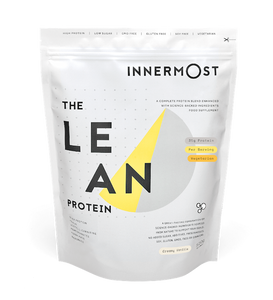
The Lean Protein
Whey protein powder for weight-loss.

The Complete Guide To Halal Protein Powder

1st July 2025

1st July 2025

By Josh Makin

When it comes to improving your fitness levels, lifestyle and nutrition are key. From the number of hours of sleep you get each night to your daily nutrition and everything in between, each is as important as the other.

This extends to finding the right pharotein powder to fuel your workout routine.

Yet today more than ever, what goes into that shaker bottle now goes beyond macros and muscle; more and more people are asking themselves – ‘how does this protein powder align with my religious values and beliefs?’

While we’ve spoken before about our clean, research based and ethically sourced ingredients here at Innermost, this time we want to get a little more specific with a focus on halal and halal protein powder. With so many voices and fluff information around, it can be difficult to know exactly what protein is and isn’t halal friendly.

That’s why we’ve put together this nifty guide. We’re going to break down all the myths and everything you need to know about halal protein. What you should be looking out for, what makes proteins like whey halal friendly as well as the benefits that halal friendly protein can offer to your body. 

Right, let’s get into it.

What is halal protein?

I’m sure most of you are already aware of halal, but for the 1% of you that might not be, let’s take a step back and ask: what is halal protein?

Halal – meaning ‘permissible’ in Arabic – refers to any food product that complies with Islamic dietary laws as stated within the Qur’an and Islamic jurisprudence. This makes it a core element of Islamic faith and a key cornerstone of their commitment to leading a pure and disciplined life under the guidance of Allah. Some of the key guidelines for halal foods include:

Halal friendly ingredients – certain ingredients are not permissible under a halal diet, including pork (and any byproducts), alcohol and blood. Other animal products can be halal as long as they are killed in accordance with the ethical treatment guidelines below.

Ethical treatment of animals – For non-pork meats to be considered halal, animals must be treated humanly and responsibly during their life. This includes:

  • Having access to clean water and nutritious food.
  • Being raised in a free-range and stress-free environment.
  • Not being subjected to cruelty, abuse, or unnecessary suffering.

The process of killing any animal must also be quick and humane to be considered halal, with any suffering kept to the complete minimum. Importantly, to be considered halal, the name of Allah must be pronounced during the humane killing to ensure the sanctity of life is recognised throughout the process.

No cross contamination - During the preparation process, halal foods must never come into contact with non halal foods. This means no cross contamination between preparation surfaces, equipment used, the handling of foods and storage. As such, ingredients such as milk can be halal however it depends on the production process and if additional non-halal additives (such as gelatin) are added.

So, what does this mean for protein? 

Essentially any animal protein is halal as long as it adheres to the guidelines we’ve mentioned. The best way to tell is that products – such as Innermost proteins - will be certified halal friendly on the packaging.

Is protein powder halal?

So, with that said you might be wondering: is my choice of protein powder halal?

The truth is that protein powder can absolutely be halal, however it entirely depends on the ingredients used as well as the overall production process. Common protein sources like whey, casein, egg white, and plant-based proteins (such as pea, soy, or rice) can all be halal if they are sourced and manufactured in compliance with halal standards.

While many of the larger brands do not meet these standards and cannot claim to offer halal protein, our range of Innermost protein powders and supplements are all certified halal, emphasising our dedication to ethical sourcing our use of clean sourcing without additives. From our pea protein fuelled (and vegan) The Health Protein, The Fit Protein, to our whey protein powered The Strong Protein and The Lean Protein, all our products are sourced in a halal-compliant manner.

Benefits of halal protein powder

You hear it all the time when it comes to ethical and dietary beliefs – ‘a vegan diet isn’t good for you’ or ‘a vegetarian mix can’t possibly have the nutrients you need. The reality is, that adhering to these sorts of values within your fitness routine and diet can have great benefits for the body.

Halal protein powders are no different; they offer a range of benefits for individuals who are conscious of both their health and dietary requirements. Just some of the benefits of halal protein powder are:

Clean ingredients: With halal protein powders, you can be confident that there will be no harmful or questionable ingredients/ additives such as silica. What does this mean? Your body has an easier job digesting and absorbing all the good stuff, ensuring you get the most out of your supplements.

Quality protein: Halal protein powders use complete protein sources, ensuring your body gets all the amino acids it needs for effective muscle repair and growth

Ethical production: We’ve mentioned plenty of times already, but that’s just how key ethical and clean production is to making protein halal. By avoiding things such as additional additives and cross contamination, your body is fuelled with a safer and more trustworthy supplement.

Supports fitness and wellness goals: Whatever your fitness goals; halal protein has you covered. From building muscle to losing weight, to halal collagen skincare, the absence of excess sugars or fillers ensures you are best placed to smash your targets.

Common misconceptions about halal protein powders

With so much noise and no real answers around halal proteins, we thought it would be helpful to list of some of the key misconceptions regarding the diet and what the actual truths are.

All vegan protein powders are halal

Given that so much of halal is driven by animals and their ethical treatment, you might just assume every vegan protein powder is halal because it is made of.. well, plants.

The reality however is that vegan proteins aren’t necessarily halal – it all comes down to the production process. While Innermost vegan proteins are proudly halal certified, other protein powders can be produced with alcohol-based flavourings, non-halal emulsifiers, or might be processed in facilities that handle haram products – leading to cross contamination – not good!

Is whey protein halal?

On the other side of the spectrum, whey protein – being a byproduct of milk – is generally considered to be haram. Again, the truth is that whey protein can be halal provided that the milk is taken from cows that were treated ethically and within halal principles. Today, there are many halal-certified whey protein powders that are safe and effective for Muslim consumers.

Halal certification doesn’t matter

There is often an assumption made that if the ingredients look clean then the protein must be halal – regardless of certification. The truth is that what makes something halal goes beyond ingredients. Production and sourcing our also key factors that many companies do not consider. With halal certification on your favourite protein powders, you can be sure that every step - from sourcing and production to packaging and distribution - has been reviewed and approved according to strict halal standards. 

Is Innermost protein powder halal?

In short, yes.

We at Innermost make it our mission to not only aid in muscle growth and recovery, but also to create protein supplements that are ethically sourced and rigorously tested to ensure individuals of any faith can smash their fitness goals. 

Unlike competitors, our proteins are clean and built with the highest quality of ingredients and free from unnecessary additives and artificial ingredients.  

We are proud to say that all our products are officially halal certified making them a suitable choice for those following the halal beliefs. This certification ensures that all ingredients and manufacturing processes meet Islamic dietary laws, with no use of haram substances such as pork derivatives or alcohol.

With this in mind, why not check out our range of Innermost halal-certified protein powders to find out more about our halal proteins?


Product Spotlight

Need Expert Advice?

Other Insights

The Glow Blend: A Confession
I need to tell you something I've never said publicly, and it's not flattering. When our product team first brought me a plan for a collagen supplement, my honest reaction was no. Not "let me think about it." A flat no. And if I'm being fully honest about why, it wasn't the science. It was that collagen felt, in my head, like a beauty category. Something for someone else's brand. Not ours. I built Innermost around performance and evidence. Protein, creatine, mushrooms, electrolytes. Things I could point to a study for and feel comfortable talking about at a dinner table full of people who workout regularly. Collagen sat in a different mental folder. Skincare aisle. Jars with gold lids and brand sponsorship by one of the Kardashians. I'd absorbed a version of what "beauty" meant without ever examining it. The argument in the room So we had the argument internally. A proper one. A few people on the team pushed back hard, and rightly so. One of them put it to me plainly: we started Innermost to follow the evidence wherever it goes, not to follow it everywhere except the places that feel awkward. That line stuck with me. Here's what changed my mind, and it wasn't a feeling. It was the research. What the evidence actually says Collagen is the most abundant protein in your body. It's structural, it's in your skin, your joints, your gut lining, and production declines steadily from your mid-twenties onward. That's not a marketing claim, that's basic physiology. The question was never whether collagen matters. It was whether supplementing it actually does anything, and that's where most of the category falls apart. Most collagen products on the market use whole collagen molecules, which are too large to be absorbed effectively when you drink them. The ones that do use hydrolysed peptides, which are broken down into smaller chains your body can actually take up, still run into a second problem: dose. A lot of labels list collagen content that sits well below the 2 to 10 grams used in the trials that show measurable effects on skin elasticity and hydration. You're paying for a placebo with good branding. The ingredient most brands leave out The third problem is the one that convinced me completely. Vitamin C isn't a nice-to-have alongside collagen. It's a required co-factor for your body to actually synthesise collagen at the cellular level. Without adequate vitamin C, the enzymes responsible for stabilising collagen structure don't function properly. You can take a perfectly dosed hydrolysed peptide and still get a fraction of the benefit if the product doesn't include enough vitamin C alongside it. Most don't. They sell you the raw material and leave out the one thing your body needs to use it. Once I saw the category clearly, laid out like that, the decision stopped being about how I felt and started being about what the evidence supported. That's the whole operating principle of Innermost. I couldn't defend saying no to a legitimate, well-evidenced product category. What we built So we built The Glow Blend properly. Hydrolysed collagen peptides at a dose that reflects the research, alongside vitamin C, hyaluronic acid for hydration, biotin and folic acid for hair and nail health. Nothing in it that doesn't earn its place. What surprised me after launch The part I didn't expect was the response once we launched it. A good number of the messages came from women, as you'd expect, and they were generous and specific about what they'd noticed. But a surprising number came from men. Customers writing in to say they'd felt exactly what I'd felt, that awkward little flinch at "collagen," and had quietly bought it anyway because the ingredient breakdown made sense to them. That response told me more about why this category needed an honest voice in it than any research paper did. I'm not going to pretend I have this fully figured out. I still catch myself, occasionally, hesitating slightly before I mention it in a room. Old habits sit deeper than good evidence sometimes. But I take it, and increasingly a lot of men I respect take it too, quietly, without needing to make a thing of it. If this sounds familiar If any part of this resonated, and you've felt that same small resistance to a category you assumed wasn't for you, hit reply and tell me. I'd genuinely like to know I'm not the only one who had to get over it. And if you know someone, a friend, a partner, who could use this exact reasoning rather than a tesimonial, forward it on. It might do more good coming from someone else's honesty. Read more
Marine Collagen Supplements: Benefits, Uses and What the Research Says
In the past few years, collagen has gone from a niche beauty buzzword to one of the most searched-for supplements available. Walk down any health aisle and you'll find it in powders, capsules, sachets and even coffee blends.  Marine collagen has become a particular favourite, often praised for its hydrolysed peptide format and its links to healthier-looking skin. But how much of that holds up once you look at the science? And is a marine collagen supplement worth adding to your routine? This guide covers what marine collagen is, the benefits, how it works, and what the research shows. No miracle promises. Just a clear, honest look at where collagen fits into your modern wellness routine. Let’s get into it! Key takeaways Marine collagen is a hydrolysed protein sourced from fish skin and scales, made up almost entirely of Type I collagen - the type most abundant in human skin. The strongest evidence supports gradual improvements in skin hydration and elasticity with daily marine collagen use over roughly 8 to 12 weeks. Evidence for hair, nails and joint support is more limited, so these benefits should be seen as promising but less established than the skin-related research. Marine collagen peptides are broken into smaller fragments, which research suggests are well absorbed into the body. Neither marine nor bovine collagen is automatically better; the right choice depends on your goals, diet and product quality. What is marine collagen? Marine collagen is simply collagen that is sourced from fish - usually the skin and scales that would otherwise be discarded. You can get some collagen from marine foods, although it is usually most concentrated in the skin, bones and connective tissues rather than the fillet itself. Foods that provide marine collagen include: Fish with the skin on, such as salmon, cod and haddock Fish skin, where eaten as part of a dish Small fish eaten with bones, such as sardines or anchovies Fish bone broth or fish stock Shellfish and seafood (though these are more useful for supporting nutrients than collagen itself) Most of the marine collagen supplements you find will be hydrolysed, meaning the long collagen chains have been broken down into smaller chains of amino acids called peptides. These smaller peptides are easier to dissolve, easier to mix into drinks, and easier for the body to digest than whole collagen you find in foods. Collagen is one of the most abundant proteins in your body. It aids in the structure of your skin, bones, tendons, ligaments and cartilage, and it is a big part of what keeps skin looking firm and springy. There are several types of collagen, but the body leans most heavily on Types I and III. Type I collagen is the most abundant type. It is found in skin, bones, tendons and ligaments. Type II collagen is mainly found in cartilage, which is why it is often discussed in relation to joint health. Type III collagen is found in skin, muscles and blood vessels. It often works alongside Type I collagen. Type IV collagen helps form part of the deeper structural layers of the skin. Type V collagen is found in areas such as the skin, hair and some connective tissues. Marine collagen is made up almost entirely of Type I, which happens to be the most common type found in skin. That overlap is a large part of why marine collagen is discussed in relation to skin health and nutrition. How do marine collagen supplements work? Before we jump into the potential benefits and what the research says, it’s useful to understand exactly how marine collagen supplements work when consumed. One common misunderstanding is that these supplements travel through the body and arrive in the skin as ready-made collagen. That’s not quite how it works. Hydrolysed marine collagen has already been broken down during processing into smaller collagen peptides. When you consume it, your digestive system breaks those peptides down further into amino acids and smaller fragments, including glycine, proline and hydroxyproline. Research suggests some collagen-derived peptides can be absorbed into the bloodstream, where they may travel to the skin and other connective tissues. From there, they are thought to support collagen-related processes in two main ways: by providing amino acids the body can use as raw materials, and by acting as signals that may encourage cells such as fibroblasts to produce more collagen. Marine collagen may work through two main mechanisms They top up the raw materials your body draws on to build its own collagen. Certain peptides act as a kind of signal, prompting the cells in your skin known as fibroblasts to step up their natural production. If you’re looking to increase your marine collagen intake, it’s also worth considering the role of vitamin C. Vitamin C contributes to normal collagen formation, which is why a collagen-supportive diet should include vitamin C-rich foods or, where appropriate, a well-formulated supplement. The benefits of marine collagen While it’s true that marine collagen works best alongside a well-balanced routine, (including enough protein, key micronutrients, good hydration, and sleep) it often gets linked to a long list of benefits, with some better supported by research than others. Here's what each one means for you, and how well the science supports it. Improved skin hydration and elasticity The promise of smoother, plumper-looking skin is one of the main reasons people turn to marine collagen in the first place. As the body’s natural collagen production declines with age, skin can gradually appear less firm, which is why collagen is so often discussed in relation to skin ageing and overall skin quality. The scientific research reinforces this benefit, particularly around gradual improvements in skin hydration and elasticity with consistent daily use. Several clinical trials have looked at oral collagen peptides and skin health, with a 2023 systematic review of 26 randomised controlled trials finding that hydrolysed collagen supplementation was associated with improvements in both areas.  Many of these collagen studies also assess results over several weeks, suggesting that 8 to 12 weeks is a sensible timeframe to keep in mind when judging whether marine collagen is making a noticeable difference to your skin. Hair and nail support The promise of stronger nails that split and chip less, and hair that feels healthier and more resilient, is a big part of marine collagen's appeal and a common reason people add it to their diet. The honest picture here is that the science of this benefit is less established.  Hair and nails are made mostly of keratin rather than collagen, so the link is more indirect. Some small studies suggest collagen peptides may help with nail strength, although they do not claim to prove that marine collagen is a guaranteed solution for hair growth or brittle nails. Some marine collagen formulas also include biotin, which has authorised EFSA health claims for contributing to the maintenance of normal hair and normal skin. That makes it a useful supporting ingredient in beauty-focused supplements, but marine collagen should not be treated as a guaranteed solution for hair growth or nail strength. Improved joints and connective tissue If you run, lift or train regularly, joint comfort may be one of the marine collagen benefits that matters most to you. Collagen is found in cartilage, tendons, ligaments and other connective tissues, which is why it is often discussed in relation to active lifestyles and long-term mobility. The research into marine collagen for joints is less developed than the research around skin, but there are some relevant findings. In a 2018 double-blind, placebo-controlled trial, a daily supplement containing hydrolysed fish collagen, vitamins and other active ingredients was associated with improvements in joint wellbeing over 90 days. The results should be interpreted carefully because the formula contained more than marine collagen alone, but they do support the wider interest in marine collagen as part of a balanced diet, sensible training plan and consistent recovery routine. Marine collagen vs bovine collagen Marine and bovine collagen are two of the most common forms of collagen supplements that you will hear about: Marine collagen is sourced from fish, usually the skin and scales Bovine collagen comes from cattle, most often the hide. Both are commonly hydrolysed into collagen peptides, which means they have been broken down into smaller fragments that are easier for the body to digest and use. The main difference is usually the collagen profile. Marine collagen is typically rich in Type I collagen, the type most strongly associated with skin, bones and connective tissue. Bovine collagen usually contains both Type I and Type III collagen, giving it a slightly broader collagen profile. That does not make one automatically better than the other. Marine collagen may be more appealing if your focus is skin support or you prefer a fish-derived source, while bovine collagen may suit those looking for a wider mix of collagen types. In both cases, the quality of the supplement matters more than the source alone. Look for hydrolysed peptides, a clear dose, transparent sourcing and a format you can use consistently. Feature Marine collagen Bovine collagen Source Fish or other marine sources, often skin, scales or bones Cattle, usually hides or bones Common collagen types Mainly Type I collagen Type I and Type III collagen Often chosen for Skin hydration, elasticity and beauty-focused routines General collagen support, including skin and connective tissue Digestibility Usually hydrolysed into collagen peptides for easier digestion and mixing Also commonly hydrolysed into collagen peptides Taste and texture Can have a mild marine taste if not well formulated Usually more neutral, though this depends on the product Dietary considerations Not suitable for fish allergies, vegans or vegetarians Not suitable for people avoiding beef, vegans or vegetarians Main thing to check Source, collagen dose, peptide format and taste Source, collagen dose, peptide format and quality Is marine collagen worth taking?  For most people interested in skin health, marine collagen is a reasonable, low-risk supplement to try, as long as your expectations are realistic. The evidence for gradual gains in skin hydration and elasticity is reasonably solid. The case for hair, nails and joints is softer, but it's building. It also works best as one piece of a bigger picture and should be consumed alongside a protein-rich, varied diet, decent sleep, sun protection and staying hydrated. If you do give it a go, choose a hydrolysed product with a sensible dose and supporting nutrients like vitamin C, commit to a consistent 8 to 12 weeks, and judge the results for yourself. Whatever source you land on, quality and consistency are what turn a supplement from a hopeful purchase into a habit worth keeping. That is the standard we hold every formula to at Innermost: science over hype, quality ingredients and nothing you do not need. Whether you are looking at collagen, protein or everyday wellness support, the same rule applies: choose what fits your body, your goals and the routine you can actually stick to. If you're not sure where to start, our free nutritionist consultation can help you work out what actually fits your goals. Frequently asked questions  Is marine collagen better than bovine collagen?  Neither is outright better. Marine is primarily Type I and may appeal to those looking for a fish-derived source, while bovine offers Types I and III and is often cheaper. Can vegans take marine collagen?  Marine collagen comes from fish, so it isn't suitable for vegans or vegetarians. Vegan "collagen support" products work differently, supplying nutrients such as vitamin C that contribute to normal collagen formation rather than collagen itself. Does marine collagen taste fishy?  A good-quality hydrolysed marine collagen should be virtually flavourless. A noticeable fishy taste is usually a sign of a lower-quality product. How much Marine Collagen should I take? Most research points to an effective daily intake of somewhere between 2.5g and 15g of collagen peptides, with many of the skin studies sitting in the middle of that range. References Czajka, A., Kania, E., Genovese, L., Corbo, A., Merone, G., Luci, C., Sibilla, S., Siciliano, C. (2018). Daily oral supplementation with collagen peptides combined with vitamins and other bioactive compounds improves skin elasticity and has a beneficial effect on joint and general wellbeing. Nutr Res. 57. Click here. Farooq, S., Ahmad, M., Zheng, S., Ali, U., Li, Y., Shixiu, C., Zhang, H. (2024). A review on marine collagen: sources, extraction methods, colloids properties, and food applications. Collagen Leather. 6(11). Click here. Myung, S., Kim, J., Lee, Y., Choi, Y. (2025). Effects of collagen supplements on skin aging. Am J Med. Click here. Pu, S., Huang, Y., Pu, C., Kang, Y., Hoang, K., Chen, K., Chen, C. (2023). Effects of oral collagen for skin anti-aging: a systematic review and meta-analysis. Nutrients. 15(9). Click here Evans, M., Lewis, E., Zakaria, N., Pelipyagina, T., Guthrie, N. (2021). A randomized, triple-blind, placebo-controlled, parallel study to evaluate the efficacy of a freshwater marine collagen on skin wrinkles and elasticity. J Cosmet Dermatol. 20(3), 825–834. Click here. Hexsel, D., Zague, V., Schunck, M., Siega, C., Camozzato, F., Oesser, S. (2017). Oral supplementation with specific bioactive collagen peptides improves nail growth and reduces symptoms of brittle nails. J Cosmet Dermatol. 16(4), 520–526. Click here. EFSA Panel on Dietetic Products, Nutrition and Allergies (NDA). (2010). Scientific Opinion on the substantiation of health claims related to biotin. EFSA Journal. 8(10), 1728. Click here. Read more