








icon-account icon-glass

Popular Products

The Lean Protein
Whey protein powder for weight-loss.
The Energy Booster
Pre/intra-workout powder with BCAAs.

Claire Fountain On Yoga, Lockdown And Getting Back To Basics

29th September 2020

29th September 2020

By Caitlin Bell

Claire Fountain is a yoga teacher, fitness instructor, therapist and writer. With over 170,000 followers on Instagram, Claire’s unique approach to wellness that emphasises the connection between mind and body has gained her fans from all over the world. We recently caught up with her to find out about how she slows down and resets, how she spent lockdown, and how yoga can help us all.

Hi Claire! Can you tell our readers a bit about yourself and what you do?

Sure! I'm a yoga teacher, fitness instructor and therapist, and I'm all about focusing on mind-body integration. I've taught yoga for over a decade, and I've also done personal training. All that very physical stuff. But it's always been connected to the mental side of things. 


This month we’ve been thinking about taking a step back, slowing down, and readjusting to the new normal. Why do you think it’s important to take a moment to pause every so often? 

Especially now, there’s so much uncertainty and chaos. There’s so many triggers for previous traumatic experiences. So I think resetting and giving ourselves a moment is the highest form of self-care. Not only does being present and resting and resetting feel good in the moment, but it also helps us long-term, allowing us to stop firing all those stress hormones constantly.

How do you personally unwind and reset after a busy day or week? Do you have any tips for us?

Solitude and silence! I’m more on the introverted side. Anyone who has Zoom fatigue these days knows - it’s important to step away from technology and get back into nature if you can. If you can do any sort of grounding that’s great. Anything I can do to come back to my body and be present. 


So how did you get started with yoga?

I started in high school - I knew it was something that could help me. I had a lot of stress as a teenager and I was quite depressed. I got into it as this thing that could possibly help me feel better. You don’t always want to be there but you show up anyway. It’s truly a discipline. After having quite an intense practice in college, I started teaching in 2009 and worked with a bunch of athletes and musicians. I wanted to break down stigmas and show that yoga doesn’t have to look one way or be targeted to one audience. It’s open to everybody. Wear what you want to wear, listen to the music you want to listen to, and just come as you are.

What is it about yoga that inspires you?

It teaches us lessons that go beyond just a physical practice. The physical practice is just one limb of yoga. It teaches you that you exist beyond your body and that your body is just this vessel that helps you move through the world. It brings an incredible sense of being present and being back in our bodies. 

How have you found the past few months? Did yoga help you at all, and how did you try and stay healthy, mentally and physically?

It’s been such an interesting ride. At first it was overwhelming. My body definitely responded and was like: you have to chill a bit. The body will tell you when it’s not happy, right? Breathing exercises have also helped and it’s something I’ve really had to return to. It also just reignited the need for constant movement. 


Yoga really gained popularity over lockdown. Why do you think it resonated with people so much at this time?

You can do it anytime, anywhere. You don’t need fancy equipment. Lockdown showed that yoga is actually so accessible, even if it hasn’t always looked that way. Also, we need a sense of consistency and predictability in our lives. So if you give yourself 20 minutes every Tuesday at 5pm to practise, you give yourself that predictability and security. Most importantly, it's created a sense of community. I started doing a live virtual class, and you end up with a great group of people who come every week and talk to each other and connect.

The yoga world has also expanded a lot recently on social media. What’s your relationship like with social media, and what do you think of the yoga space within it?

I was kind of on the first wave of Instagram yoga in 2013/2014. It was such a different place back then. But I flowed in and out (no pun intended) of being in the Instagram yoga world because it became so performative. It was all about beautiful, expensive clothing and really intense contortion levels. But for me, yoga isn’t about perfect poses, it’s an entire practice. On one hand, it was problematic for a while because I thought people would think it wasn’t accessible. But now there's so much more representation on social media, and so many individuals and communities doing yoga in their own way. I just want everyone to know that everybody is welcome to practise. We just need more visual representation online.

There’s definitely some misconceptions out there about yoga still. What do you wish people knew?

Just because we don’t see it doesn’t mean it’s not possible. Everyone should know they’re welcome as they are. Make it your own. You have the right to take up space and enjoy the practice. You can reap all the benefits that yoga can give you and your body as you are.

What's your proudest achievement with your yoga? Where has it taken you?

It's enabled me to connect with people around the world. As a professional helper, I’m touched that people trust me with their stories and their practice. It’s an honour.


Do you have any current goals, fitness or otherwise?

I had to completely rewrite my business plan the other day! I’ll be doing more stuff online that people can consume at their own pace, but also doing more of the mindfulness and mental health component of it. And using yoga as a tool for that. Things might get worse before they get better, but I have faith that people have the ability to care for themselves and each other. 

Have you read, watched or listened to anything lately that’s inspired you?

I love anything Bell Hooks writes. Her books, All About Love: New Visions and The Will to Change: Men, Masculinity and Love. Those have been great to revisit. Also Love and Rage: The Path of Liberation through Anger by Lama Rod Owens.

Best advice you’ve received? 

I went back to my own therapy recently. My therapist said: "You have a choice. You have the ability make decisions that work the best for you." I think sometimes we forget that when we’re in positions of serving others or helping others. We have the choice to decide what works for us. And that sounds so simplistic, but we do forget. 

Advice you’d give? 

Get back to being good to yourself.

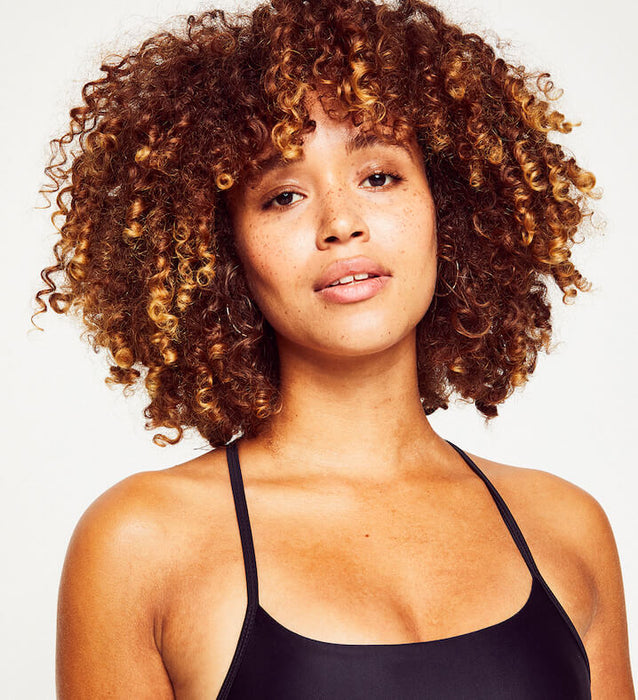
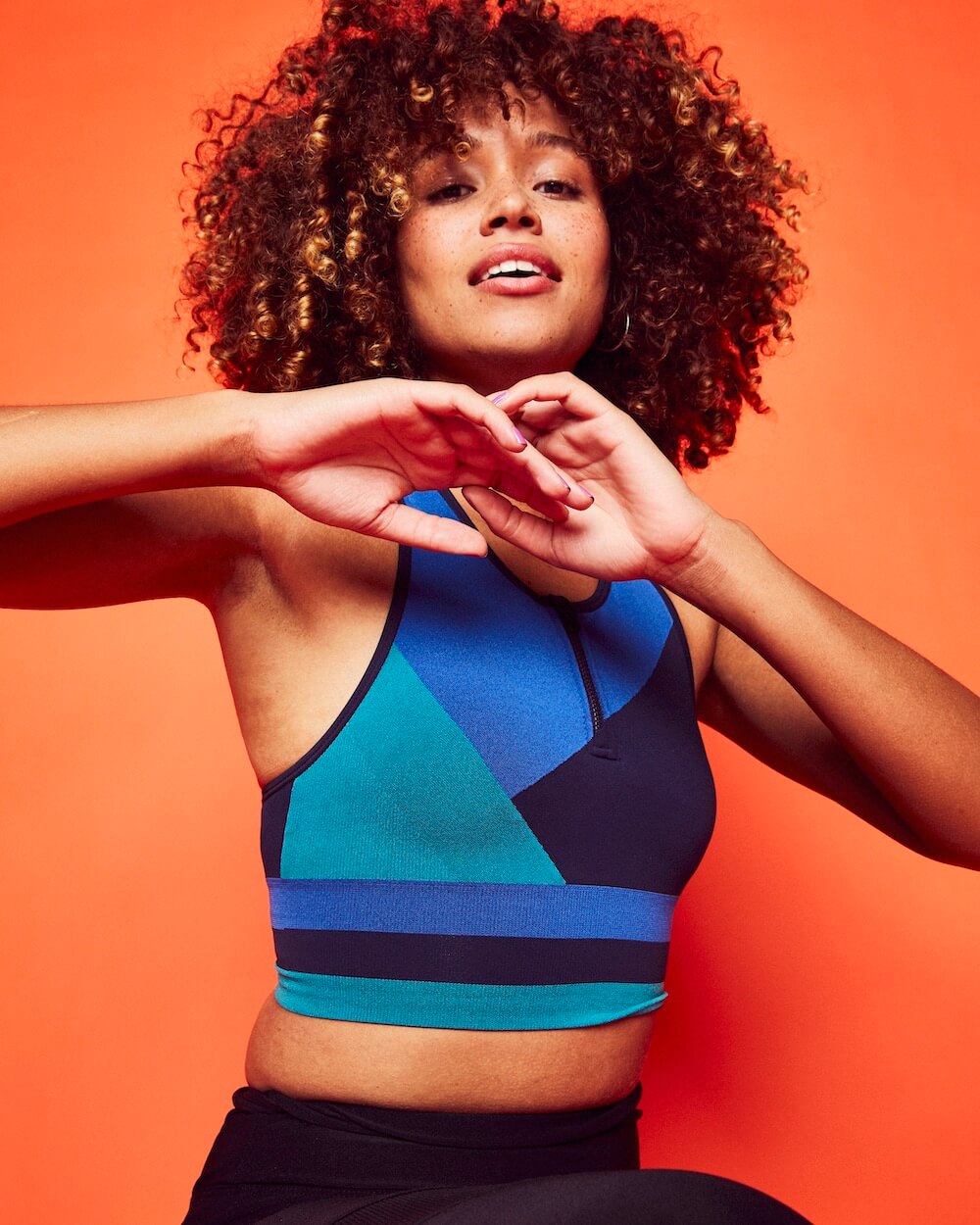
Claire Fountain posing for Innermost

Who or what motivates you and why?

Honestly, the people who follow me. But also hope and optimism. As someone who didn’t feel good for a lot of my life, it’s important to know there is hope and healing.

To see more from Claire, don't forget to follow her @cbquality, or find her at iamtrillyoga.com.

Product Spotlight

Need Expert Advice?

Other Insights

Creatine for women
The word ‘creatine’ might conjure up images of gym bros, but don’t fall into the trap of thinking it’s just for men. Creatine is one of the most widely researched supplements in the nutrition game, and one which can offer a host of benefits to many people.  Let’s dig into the topic of creatine for women – how it works, proven benefits, how it differs for women vs men, and how to start working it into your routine. What is creatine? To put it simply, creatine is a mineral our bodies naturally produce which helps to create Adenosine Triphosphate (ATP) – a very important energy-carrying molecule.  It has been extensively researched for its ability to help increase performance in high intensity exercise1, potentially leading to greater training results.  You can find out more in our complete guide to creatine.  Creatine for women: why interest is growing There are a lot of misconceptions around creatine – maybe you’ve heard it’s for ‘bulking’ or that it causes undesirable water retention. Either way, there have definitely been some ideas floating around which could understandably have put people off working it into their nutrition regime.  In reality, creatine can support performance, strength and recovery without changing your body composition in the way some might assume. It can be a great tool for not only strength training but also HIIT and functional fitness, as well as overall health and even ageing!1  With all this in mind and more research coming out all the time, it’s no surprise that interest is growing amongst women when it comes to making use of creatine.  Creatine for women vs men: is there a difference? Creatine works in the same biological way for both men and women, but there are some differences in terms of the results or impacts you may see.  In general, women tend to have significantly lower baseline creatine stores than men2, meaning creatine supplementation can be potentially even more beneficial for them. That being said, nutritional requirements and impacts can vary hugely based on each person’s individual hormone concentration, especially during different phases of the menstrual cycle3 – so results can differ. The benefits of creatine for women  Improved strength and performance Creatine helps regenerate and produce ATP4, which allows for better performance in short bursts of intense activity. As such, it can be a very valuable tool for supporting progressive overload in strength training, allowing you to lift heavier and see greater results from your workouts. Support for lean muscle and body composition Combing creatine supplementation with resistance training is a widely recognised method for increasing lean muscle mass5, which can make a significant difference to your overall body composition. One of the common misconceptions of creatine we spoke about earlier is water retention and subsequent weight gain. Whilst the water retention point isn’t untrue, the water is stored inside the muscle cells rather than under the skin6, which actually makes your muscles appear larger and more defined.  You could typically see an initial weight ‘gain’ when starting with creatine due to this, but this usually stabilises after a few weeks.  Cognitive and mental benefits Aside from the huge physical benefits, creatine can actually offer a helping hand when it comes to cognition and mood, too.  Some research has shown creatine has indicated positive effects by restoring brain energy levels, and it may even be more effective for females2. Other studies have even found evidence that creatine use can improve short term memory, reasoning and intelligence7.  Hormonal and life stage support The evidence is still emerging on this topic, but there are a host of potential creatine benefits for women when it comes to hormonal and life stage support. For example, it is suggested that post-menopausal females can see benefits in terms of skeletal muscle size and function when supplementing creatine, as well as favourable effects on bones themselves.  With hormone-related changes influencing the way creatine is produced in the body, supplementation can be particularly important during your period, as well as during and after pregnancy or menopause2.  Side effects of creatine for women When adding any new supplement into your regime, considering any possible side effects is a common part of the process. Thankfully, creatine side effects for women are very minimal!  We’ve discussed water retention already, but this can sometimes lead to a 1-2kg initial weight gain which will usually stabilise in a few weeks – and your extra-hydrated muscles can actually perform even better as a result.  The other commonly discussed side effect is gastrointestinal distress (stomach cramps, nausea etc). This is typically only an issue if you’re taking very high doses of more than 10g at any one time, so stick to the product’s recommended servings and you should be in the clear.  Overall, creatine is a safe supplement to take when used within regular dosing guidelines1.  How to start using creatine As with any new supplement you’re interested in taking advantage of, the best way to start is by making it as simple as possible to fit into your regular routine.  A typical daily dose of creatine sits between 3-5g, so look for a product which can give you that in an easy-to-use form. For example, Innermost’s The Power Booster contains 60x 5g servings – the perfect amount for a full eight week cycle if consuming daily. Just mix a serving with water or juice, or even throw it into a protein shake and you’re all set for the day. That’s not the only way to have creatine, though. Innermost’s The Strong Protein is a super powerful protein blend with 34g protein and 3g of creatine in every serving – giving you everything you need for a properly fuelled, powerful workout.   So, it’s a very effective supplement and it’s very easy to take. What’s not to love? Creatine for women – easy and effective Creatine is well-researched, easy to use and it can be super effective. If you’re interested in improving your performance, recovery and strength, it’s almost a no-brainer. Make it a part of your daily wellness routine, stay consistent with it and see the results - we think you’ll like them.  References Kreider RB, Kalman DS, Antonio J, Ziegenfuss TN, Wildman R, Collins R, Candow DG, Kleiner SM, Almada AL, Lopez HL. International Society of Sports Nutrition position stand: safety and efficacy of creatine supplementation in exercise, sport, and medicine. J Int Soc Sports Nutr. 2017 Jun 13;14:18. doi: 10.1186/s12970-017-0173-z. PMID: 28615996; PMCID: PMC5469049. Click here.   Smith-Ryan AE, Cabre HE, Eckerson JM, Candow DG. Creatine Supplementation in Women's Health: A Lifespan Perspective. Nutrients. 2021 Mar 8;13(3):877. doi: 10.3390/nu13030877. PMID: 33800439; PMCID: PMC7998865. Click here.  Wohlgemuth KJ, Arieta LR, Brewer GJ, Hoselton AL, Gould LM, Smith-Ryan AE. Sex differences and considerations for female specific nutritional strategies: a narrative review. J Int Soc Sports Nutr. 2021 Apr 1;18(1):27. doi: 10.1186/s12970-021-00422-8. PMID: 33794937; PMCID: PMC8015182. Click here.  Saito S, Cao DY, Okuno A, Li X, Peng Z, Kelel M, Tsuji NM. Creatine supplementation enhances immunological function of neutrophils by increasing cellular adenosine triphosphate. Biosci Microbiota Food Health. 2022;41(4):185-194. doi: 10.12938/bmfh.2022-018. Epub 2022 Jun 17. PMID: 36258765; PMCID: PMC9533032. Click here.  Mohammad Ali Izadi, Farhad Daryanoosh, The effect of creatine supplementation on muscle protein synthesis in athletes: A review. Nutrition Clinique et Métabolisme,Volume 39, Issue 4, 2025, Pages 273-281, ISSN 0985-0562. Click here.  Powers ME, Arnold BL, Weltman AL, Perrin DH, Mistry D, Kahler DM, Kraemer W, Volek J. Creatine Supplementation Increases Total Body Water Without Altering Fluid Distribution. J Athl Train. 2003 Mar;38(1):44-50. PMID: 12937471; PMCID: PMC155510. Click here.  Avgerinos KI, Spyrou N, Bougioukas KI, Kapogiannis D. Effects of creatine supplementation on cognitive function of healthy individuals: A systematic review of randomized controlled trials. Exp Gerontol. 2018 Jul 15;108:166-173. doi: 10.1016/j.exger.2018.04.013. Epub 2018 Apr 25. PMID: 29704637; PMCID: PMC6093191. Click here. Read more
I've Been Taking Creatine Every Day For Six Years
Something happens in March. The people who started strong in January, the ones with the new routine, the new kit, the renewed sense of purpose, are now splitting into two groups. The ones who've lost momentum. And the ones asking sharper questions. Not "what should I take?" but "what actually works?" Creatine keeps coming up. And every time it does, I notice the same pattern: people either swear by it without really understanding why, or they assume it's something bodybuilders use and leave it alone.I've been taking it every single day for six years. So let me tell you what I actually know. Why I started I didn't start taking creatine for the reasons most people assume. I wasn't trying to get bigger. I was training consistently, eating well, and hitting a wall. That frustrating place where effort stops translating into progress. A friend with a sports science background told me creatine was the most researched supplement in existence. More peer-reviewed studies than almost anything else on the market. That got my attention. So I started. And I kept going. What I noticed The first week, nothing dramatic. But over the following three to four weeks, something shifted. I could push a little harder. An extra rep. Slightly more on the bar. Training sessions that didn't end in the usual flat feeling of having nothing left. Those are marginal gains. They don't feel significant in the moment. But they compound. Over months, they're the difference between a plateau and real, measurable progression. The one time I stopped, about two years in, during a stretch of heavy travel where I got lazy about it, I felt the absence more than I expected. Not immediately. But within a few weeks, training felt duller. Less sharp. I put it back in and haven't looked back since. I also noticed something I hadn't anticipated: my thinking felt clearer on the days I trained hard. I assumed it was the exercise. I later learned creatine may have had something to do with that too. What creatine actually does Most people think of creatine as a muscle supplement. That's not quite right. What creatine does is help your body regenerate ATP, adenosine triphosphate, more efficiently. ATP is your cells' primary energy currency. It's what your muscles burn during intense effort. But it's also what your brain runs on. Here's the mechanism: during high-intensity exercise, your body depletes ATP rapidly. Creatine stored in muscle tissue, in the form of phosphocreatine, allows you to replenish that ATP faster. That's why creatine consistently improves performance in short, explosive efforts: weightlifting, sprinting, high-intensity intervals. But the same ATP recycling process happens in the brain. A growing body of research suggests creatine may support cognitive performance, particularly under conditions of stress or sleep deprivation. A 2021 study published in Scientific Reports found meaningful improvements in memory and cognitive function following supplementation. It's not a nootropic in the trending sense of the word. But the evidence is real, and it applies to more people than the gym crowd. The effective dose is well established: 3 to 5 grams per day, taken consistently. No loading phase required. No cycling. Just daily consistency, and that's where most people go wrong. What the industry does instead Creatine monohydrate has been around for decades. That's a problem for brands that need something new to sell. So new formats appear. Creatine HCL. Buffered creatine. Kre-Alkalyn. Creatine ethyl ester. Creatine gummies. Each one marketed as superior: faster absorbing, more bioavailable, easier on the stomach. The evidence doesn't support it. Multiple head-to-head comparisons, including a widely cited review in the Journal of the International Society of Sports Nutrition, found no meaningful performance advantage for alternative creatine forms over monohydrate. In some cases, the alternatives perform worse per gram of active compound. In the case of creatine gummies, several brands including some very large ones have been shown not to contain the creatine concentrations they claim on the label. What you actually want is simple: a clinically relevant dose of creatine monohydrate, taken every day. That's it. What I use The Power Booster is 100% pure creatine monohydrate, nothing added, nothing unnecessary. Five grams per serving, which sits right at the evidence-supported daily dose. It's not complicated because it doesn't need to be. The science on creatine monohydrate is already settled. The job is just to take it consistently. (If you have a friend still on the fence about creatine, forward this their way. It's one of those rare supplements where the evidence is clear enough to just recommend without caveats.) Read more