








icon-account icon-glass

Popular Products

The Lean Protein
Whey protein powder for weight-loss.
The Energy Booster
Pre/intra-workout powder with BCAAs.

What is Acetyl L-Carnitine? The Lowdown

9th June 2021

9th June 2021

By Beth Shelper

Sometimes referred to as ALCAR or ALC, Acetyl L-Carnitine is a popular daily dietary supplement due to its easy implementation and energy-boosting benefits. But… What actually is it?

What is Acetyl L-Carnitine?

Acetyl L-Carnitine is produced by the body by our liver and kidneys, by lysine and methionine (two very important amino acids). If you eat meat, chances are that your ALCAR levels are already pretty good, as this substance is found in meats such as chicken and beef.

Many people include ALCAR supplements in their diet to increase these levels or if they are vegan and feel that they would benefit from the enhancement of ALCAR in their diet.

Benefits of Acetyl L-Carnitine

The main benefit of Acetyl L-Carnitine is that the amino acid turns fat into energy. As well as improving your mood, this nootropic is a great source of nutrients that bring benefits such as:

  • Improvement of memory and general cognitive function

Studies have shown that following long-term use of ALCAR supplements, many people reported a positive effect on their memory recall and cognitive function. This then improved their focus and subsequently their performance.

  • Relieves symptoms of Alzheimer’s disease

One of the most impressive and ground-breaking benefits of carnitine supplementation is the evidence gathered to suggest that ALCAR has a great reduction effect on the symptoms of Alzheimer’s disease. One study even found that in just three months, people that suffered from Alzheimer’s disease experienced significant improvements in cognitive functioning, which improved with prolonged usage and supplementation, increasing over time.

Anything that can be done to reduce these effects are a huge win in the medical field, so this finding provides great evidence for the substance’s positive effects on brain regeneration.  

  • Helps declining testosterone levels in males

For males that are struggling with fertility issues, implementing an ALCAR supplement or increasing your meat consumption may have a positive effect, as ALCAR has been linked to an improvement in male testosterone levels.

  • Helps with fatigue

We all struggle with fatigue from time to time as a result of daily stressors, but if this issue is becoming a hugely prevalent one in your life, it might be a good idea to implement Acetyl L-Carnitine into your diet.

  • Boosts weight-loss

Is one of your fitness goals to lose weight and boost your metabolism? Acetyl L-Carnitine has been linked to having great assistive benefits in weight loss. These effects will only be seen if this supplement is taken in collaboration with a healthy, balanced diet and a good workout routine – so it's not a quick fix!

  • Enhances muscle recovery

Acetyl L-Carnitine has also been linked to the sped-up recovery of muscle tissue. Maintaining good muscle health is key if you are staying active (and even if you’re not) to ensure your body’s condition is maintained and to avoid injury.

Notable Benefits

ALCAR actually has some pretty fantastic benefits that are a bit more unusual, too. Amazingly, it has been found that supplementation of ALCAR can curb alcohol cravings in diagnosed alcoholics, as well as assisting in the management of symptoms of Polycystic Ovary Syndrome (PCOS) in women who suffer with the health condition.

The benefits of ALCAR supplementation will mean that due to a reduction in fatigue, an increase in carnitine will up your energy levels and thus your workout performance. As with all supplementations, it’s important to do your research and discover the best dietary supplementations to achieve your fitness goals, but we recommend vegetarians, vegans and those struggling with fatigue to definitely take a look into the healthy substance.

How can I take Acetyl L-Carnitine?

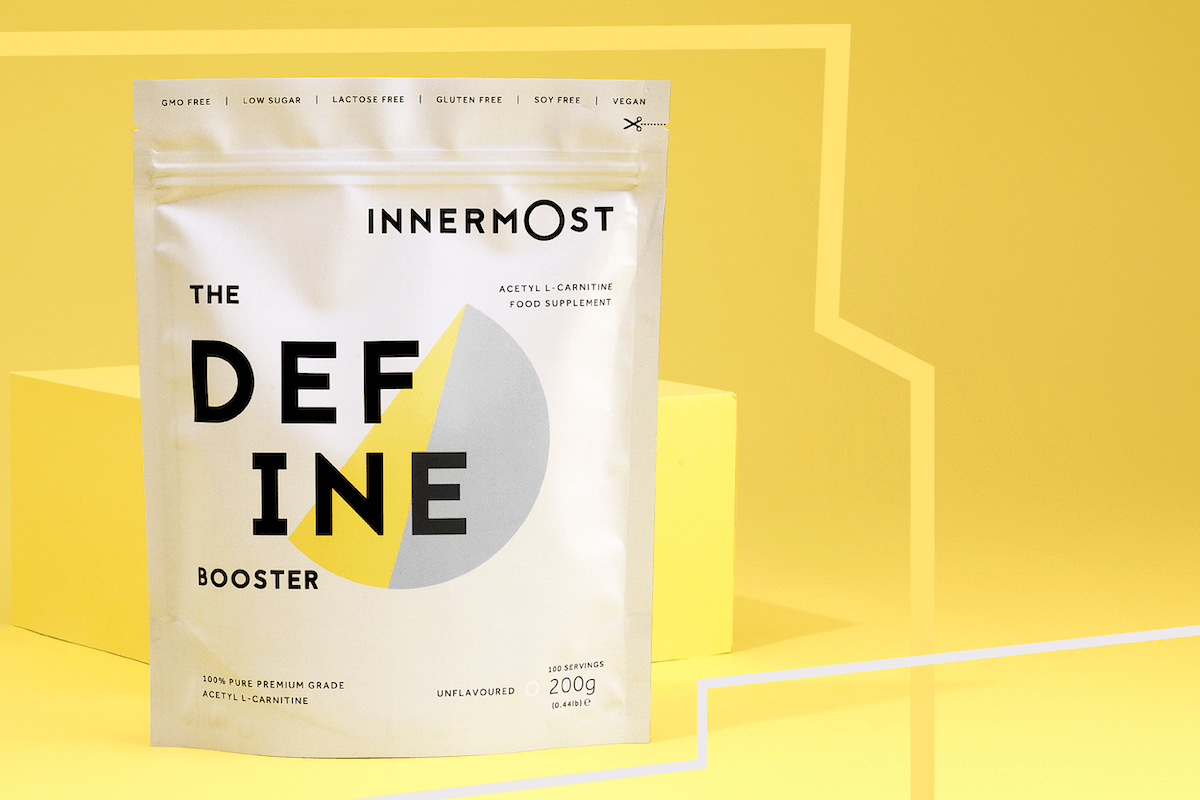
The most popular way to supplement ALCAR is through powdered supplements mixed with water or milk. If you’re looking for a simple way to increase your energy, our products such as The Energy Booster and The Define Booster (which contains the fabulous carnitine ingredient) will really up your energy levels.

References

  • Kyriazis, M. (2016). Challenging Aging The Anti-senescence Effects of Hormesis, Environmental Enrichment and Information Exposure (Vol. 1). Bentham Science Publishers. Click here.
  • Montgomery, S. A., Thal, L. J., & Amrein, R. (2003). Meta-analysis of double blind randomized controlled clinical trials of acetyl-L-carnitine versus placebo in the treatment of mild cognitive impairment and mild Alzheimer's disease. International Clinical Psychopharmacology, 18(2), 61-71. Click here.
  • Rai, G., Wright, G., Scott, L., Beston, B., Rest, J., & Exton-Smith, A. N. (1990). Double-blind, placebo controlled study of acetyl-l-carnitine in patients with Alzheimer's dementia. Current medical research and opinion, 11(10), 638-647. Click here.
  • The Basics of Alcohol Abuse. (2021).  Web MD. Click here.

Product Spotlight

Need Expert Advice?

Other Insights

Our Top Tips For Maintaining A Healthy Daily Wellness Routine
Muscle: The New Longevity Biomarker
A few years ago, muscle meant one thing - Aesthetics. Size. Definition. Abs in good lighting. But that framing is outdated. Today, muscle is being discussed in medical literature as something very different. Not vanity. Not ego. Not “gym culture.” Muscle is increasingly viewed as a longevity biomarker. And for those of us in our 30s and 40s who still train, still work hard, still want to feel capable as life gets busier, that matters. Because this isn’t about looking 22. It’s about moving well at 32, 42 or 52.   Muscle Is Metabolic Infrastructure Skeletal muscle is not just tissue that contracts. It is one of the body’s primary metabolic organs. It is the largest site of glucose disposal. It plays a critical role in insulin sensitivity. It acts as a reservoir of amino acids during stress. It influences inflammation, hormone balance, and even immune resilience. Multiple large cohort studies have shown that higher lean mass is associated with lower all-cause mortality. Loss of muscle with age, known as sarcopenia, predicts frailty, falls, metabolic dysfunction, and loss of independence. That’s not fitness industry hype. That’s epidemiology. At 22, muscle is impressive. At 42, muscle is protective. That shift in perspective changes everything.   The Reality of Ageing Physiology From our mid-30s onward, muscle protein synthesis becomes less responsive. We need a slightly stronger signal to stimulate growth and repair. Recovery slows. Sleep becomes lighter. Stress has a bigger physiological cost. None of this is dramatic. It is gradual. But gradual decline is still decline. Based on our customer surveys that you kindly complete from time to time, we see that many of us do not train because we’re insecure. We train because we want to stay capable. We want to keep progressing. We want to look athletic, yes, but more importantly, we want to feel strong in meetings, on long-haul flights, on weekend runs, and as we get older. Wellness, for you, is infrastructure. Not identity. Muscle is part of that infrastructure.   The Protein Signal Matters More Than Volume One of the most underappreciated realities of ageing physiology is that protein intake becomes more important, not less. Research suggests that as we age, we require a slightly higher per-meal dose of high-quality protein to maximally stimulate muscle protein synthesis. The amino acid leucine plays a key role in triggering this process. That means: Total daily protein matters Distribution across the day matters Quality and digestibility matter This is not about chasing extreme intake. It is about ensuring the signal is strong enough to maintain and build lean tissue in a body that is no longer 21. For many of you, that is exactly why The Strong Protein exists in your routine. Not because you want to “bulk,” but because you understand that maintaining muscle is a daily habit, not a seasonal goal. It is simple. Behaviour-light. Infrastructure.   Recovery Is Where Muscle Becomes Longevity Building muscle is not just about training stimulus. It is about the recovery environment that allows adaptation to occur. Sleep quality. Electrolyte balance. Stress management. Micronutrient sufficiency. Chronic under-recovery accelerates muscle breakdown. Elevated cortisol, inadequate protein intake, and high life stress create a net catabolic environment. That is where structure becomes powerful. For some of you, that structure includes: Prioritising protein post-training Supporting cellular energy production Managing oxidative stress and inflammation The Power Booster (pure creatine monohydrate) and The Recover Capsules (our unique science-backed recovery supplement) were built around that idea. Not to create dependency. Not to promise miracles. But to support the physiological processes that allow training to compound rather than break you down. Muscle is not built in the gym. It’s built in recovery. And recovery is increasingly what separates the 35-year-old who thrives from the 35-year-old who plateaus. This Is Not Gym Culture The supplement industry still markets protein like it is 2008. Aggressive language. Shredded physiques. Short-term transformations. But that narrative misses the real story. The real story is metabolic resilience. The real story is blood sugar stability during long workdays. The real story is maintaining lean mass during high-stress periods so you do not feel physically diminished when life demands more from you. You are not trying to become someone else. You are trying to sustain who you are becoming. That is a very different motivation. The Compounding Effect Muscle does not protect you overnight. It compounds. Every training session completed.Every protein target met.Every recovery cycle respected. The benefit accrues quietly. Five years from now, you either have more lean mass than you do today, or less. That difference will influence how you move, how you metabolise food, how you respond to stress, and how independent you remain later in life. It is subtle. But it is powerful. Many of us already understand something that trends often ignore. Health is not a six-week challenge. It is a decades-long investment. Muscle is not aesthetic. It’s insurance. Insurance against frailty. Insurance against metabolic dysfunction. Insurance against the quiet erosion of capability. And unlike most insurance policies, this one improves how you feel today while it protects you tomorrow. If you train, you are already sending the signal. The question is whether your nutrition and recovery support that signal strongly enough. Because the goal is not to look young. The goal is to stay capable. Read more