










We all know the stereotypes. Usually male, often found injecting chicken and brown rice into their veins and lifting twice their bodyweight in the gym morning and evening.
The popularity of weight lifting is on the rise, surging in popularity over the last few years. While the iron-pumping stereotype once affected a small sector of the fitness community, thanks to the growing popularity of the pursuit those who never dreamed they would come into contact with a barbell are rolling up their sleeves to admire their new muscles.
Weight lifting is highly beneficial if you’re looking to build muscle mass, but there are also a number of other health benefits, including improving your posture and bone density, increasing you metabolic rate, reducing inflammation and helping to prevent chronic illness.
An intense training session can deliver a rush of endorphins like nothing else. There’s even an element of mindfulness to weightlifting, as you focus on your mind-body connection and are present in the moment.

Whether you’ve caught the weight lifting bug for the first time or you’re easing your way back into it after taking a break, we’re here to give you our ultimate weight lifting guide to enable you to get the very most out of your training regime.
Establish your goal
Establishing a goal will be your key motivating factor, and will also determine the sorts of exercises you’ll be doing. For example, if you’re looking to build strength and muscle, you’ll be largely targeting a range of four-12 reps, whereas if your goal is to tone up you'll be looking at 12 reps or more.
Your goal could also determine your workout split. Which areas of your body are you looking to work on the most? You should be splitting your workout sessions into upper body days and lower body days to maximise and improve overall strength. Ever heard of 'Push, Pull, Legs'? We’d recommend looking more into this and then deciding which split best aligns with your objectives.
A great place to start is educating yourself on the science behind training for different goals (YouTube is an excellent resource for this) and then applying these learnings in the gym.
Whether it’s boosting strength, building up to a new personal best or altering your body shape, your goal will be the driving force which motivates you to step through those gym doors time and time again.
Don’t be intimidated
The gym can be overwhelming, filled with strange contraptions and bodies contorted in odd positions. But don’t let this put you off. Everyone has to start somewhere.
Once you get past the grunting noises (and sometimes the less-than-pleasant smells), it's time to turn on into your favourite playlist and focus on you. If you’re worried about people judging you, take our word for it: they’re only paying more attention to themselves and couldn't care less how many reps you managed today.

You should aim to enter the gym with a workout planned out, so you don’t find yourself aimlessly roaming around the weights section. Remember that you deserve to be there just as much as anyone else, so grab some dumbbells and take up space. Own it!
Start low and slow
A common mistake with weight lifting beginners is trying to do too much too soon. It’s easy to feel pressured into lifting as much as you can (or in some cases, can’t) in order to compete with other gym goers. This can be hugely detrimental to your progress and in some instances cause serious injury.
To find your feet, start with bodyweight exercises. This will allow your body to get used to new movements and find the perfect form, especially when it comes to compound lifts, which you should be incorporating into every strength training session. Compound lifts are exercises where you’re using more than one muscle group at the same time and include things like squats, deadlifts and pull-ups.
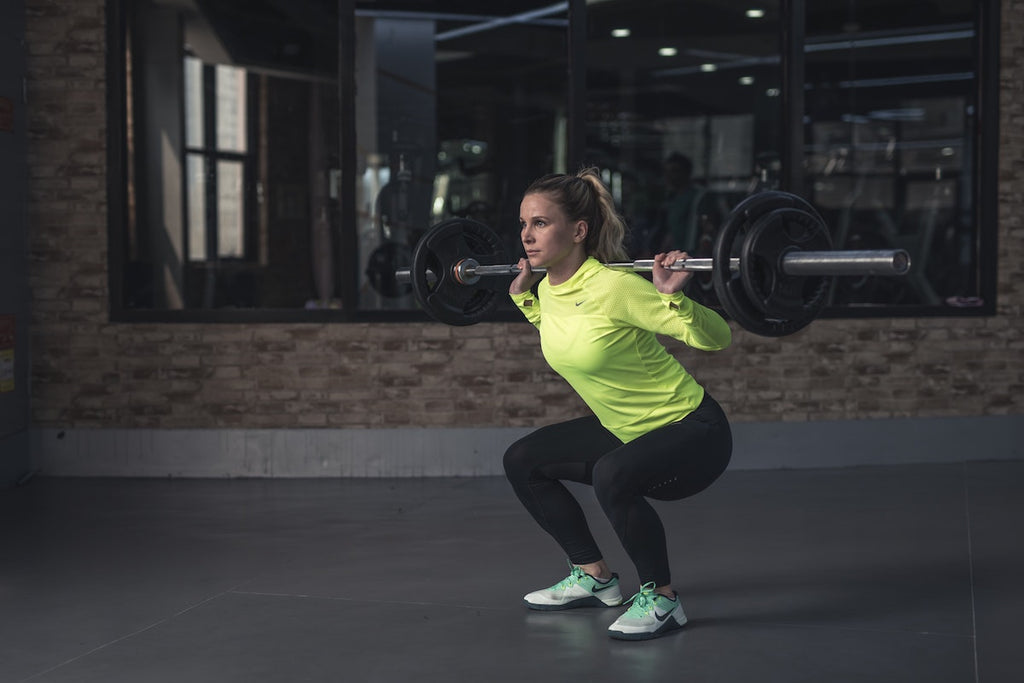
You’ll even find that an intense bodyweight workout can leave you just as sore as a session with heavy weights. Once you’ve got your squat or deadlift nailed with your bodyweight only, start adding small weights and build from there.
How will you know when to start adding more? As a general rule, do eight-12 reps of the same exercise for four sets, with a minute rest between each set, until it starts to feel easy. Then all you need to do is add a few more kilos of resistance to feel that burn again. Newbie gains are a real thing – so you’ll notice your strength skyrocket within a short space of time when you first get going.
Be sure to warm up and cool down to prevent injury and speed up the muscle repair process. Warming up can increase your range of motion and prepare your muscles for the intense workout to come, while cooling down drains the lactic acid build up that can cause agony when you try walk up stairs the next day.
Top tip:
Consider hiring a PT or purchasing a training plan for when you first get into weight training. Investing more into your fitness at the start can pay huge dividends later on. Getting great tips and pointers from experts in the field who can guide you through a workout has long-lasting positive effects. If a PT or training plan is out of budget, you can pick up equally valuable tips from YouTubers and Instagram fitness influencers.

Eat, sleep, rest, repeat
What you do outside of the gym is just as important (if not more so) than what you inside. Some rules we like to abide by are: hydrate, eat well, sleep, and the Innermost favourite, rest.
The essence of weight training is adding enough resistance to your body during a movement to tear your muscle fibres. You then have to rest so your muscles can repair themselves, and adapt and grow back stronger and bigger over time.
Although often overlooked, this recovery stage is just as vital as the workout itself. What do you need for a full recovery? Enough sleep each night, enough protein in your diet to repair your muscles (proteins are the building blocks of all your cells), enough water to stay hydrated, and plenty of rest until your bod repaired itself.
Consistency is key
Last but not least, the golden rule to weight lifting is consistency. This will be the key to progressing in your workout regime.
You should be resistance training three to five times a week to get the most out of yourself. And this doesn’t mean one maximum effort workout followed by two lacklustre sessions, but giving it your all every time.