








icon-account icon-glass

Popular Products

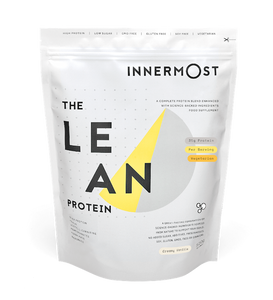
The Lean Protein
Whey protein powder for weight-loss.
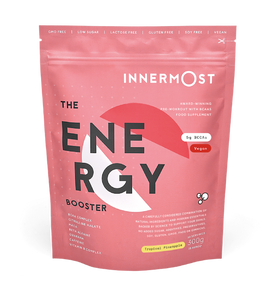
The Energy Booster
Pre/intra-workout powder with BCAAs.

The Myth of Optimal Health

2nd October 2025

2nd October 2025

We live in an age obsessed with the idea of “optimal.”

The optimal diet. The optimal supplement stack. The optimal training split.

Scroll through Instagram or YouTube for five minutes and you’ll find someone with a 17-step morning routine, a kitchen cupboard full of powders, and the confidence that they’ve cracked the code to human performance.

But here’s the truth:

Chasing “optimal” is one of the fastest ways to fall short in your health.

The Illusion of Optimal

Health culture has a way of dangling perfection in front of us.

Big food companies do it when they market the “perfect” meal replacement shake. Biohackers do it when they promise that cold plunges, red-light therapy, and nootropics are the missing links to peak performance.

But research paints a different picture. Studies on diet adherence consistently show that most people abandon strict or extreme health plans within weeks. 

Fad diets, whether keto, paleo, or juice cleanses have dropout rates as high as 50–70% in the first two months. That’s not because people are weak. It’s because perfection is unsustainable.

When you aim for “optimal,” you’re often aiming for something that doesn’t exist outside of a lab study or a heavily edited social feed.

Consistency beats Intensity

If you strip away the noise, the science is clear: the best plan is the one you can actually stick to.

A Stanford University study looked at exercise adherence and found that people who built moderate, consistent routines were far more successful over the long term than those who went all in with aggressive, “optimal” plans.

Think about it:

  • Walking 8,000 steps daily is far more powerful than hitting 20,000 steps once a week.
  • Sleeping 7–8 hours a night consistently beats the occasional marathon lie-in after a week of late nights.
  • Eating balanced meals most of the time will always outperform the perfect, but impossible, “clean eating” schedule.

Consistency doesn’t look flashy on social media. But it’s what drives lasting change in real life.

The Perfection Trap

The bigger danger of chasing “Optimal Health” isn’t just that it’s unrealistic. It’s that it creates guilt and paralysis.

Psychologists call this all-or-nothing thinking. If you miss your “perfect” 5am workout, you write the day off. If you slip up on your diet, you feel like you’ve failed. Over time, that mindset burns people out.

A review published in the Journal of Behavioural Medicine highlighted how rigid, perfectionist approaches to health goals were strongly linked to higher stress, lower motivation, and worse long-term outcomes.

In other words: aiming for perfect often leaves you worse off than if you’d just aimed for “good enough” consistently.

The Simplicity Advantage

At Innermost, this is the philosophy we’ve always stood behind: better health should be simple, not overwhelming.

We don’t believe in flashy shortcuts or marketing gimmicks. We believe in science-backed products designed to slot seamlessly into your life so you can actually stick with them.

A few examples:

The Hydrate Blend makes staying on top of electrolytes effortless — without the sugar, fillers, or artificial aftertaste you’ll find in the big sports drinks.

The Rise Blend gives you clean energy and focus, without adding another complicated ritual to your already busy day.

Our protein powders support your health and fitness goals with nutrients you and your body recognises, instead of pushing the latest overpriced fad ingredient.

The goal isn’t perfection. It’s progress.

Progress, not Perfection

So here’s the takeaway: you don’t need the “optimal” plan. You just need a plan you’ll actually follow.

If you focus on moving most days, eating whole foods when you can, sleeping properly, and staying hydrated, you’re already ahead of 90% of the population.

It’s not sexy. But it works. And it’s sustainable.

So the next time you feel the pressure to add another step to your routine, ask yourself: does this make my life simpler or more complicated? If it’s the latter, it probably isn’t worth it.

Health isn’t about chasing perfection. It’s about building momentum. An imperfect plan, done consistently, beats the “optimal” plan abandoned after a week.


Product Spotlight

Need Expert Advice?

Other Insights

Muscle: The New Longevity Biomarker
A few years ago, muscle meant one thing - Aesthetics. Size. Definition. Abs in good lighting. But that framing is outdated. Today, muscle is being discussed in medical literature as something very different. Not vanity. Not ego. Not “gym culture.” Muscle is increasingly viewed as a longevity biomarker. And for those of us in our 30s and 40s who still train, still work hard, still want to feel capable as life gets busier, that matters. Because this isn’t about looking 22. It’s about moving well at 32, 42 or 52.   Muscle Is Metabolic Infrastructure Skeletal muscle is not just tissue that contracts. It is one of the body’s primary metabolic organs. It is the largest site of glucose disposal. It plays a critical role in insulin sensitivity. It acts as a reservoir of amino acids during stress. It influences inflammation, hormone balance, and even immune resilience. Multiple large cohort studies have shown that higher lean mass is associated with lower all-cause mortality. Loss of muscle with age, known as sarcopenia, predicts frailty, falls, metabolic dysfunction, and loss of independence. That’s not fitness industry hype. That’s epidemiology. At 22, muscle is impressive. At 42, muscle is protective. That shift in perspective changes everything.   The Reality of Ageing Physiology From our mid-30s onward, muscle protein synthesis becomes less responsive. We need a slightly stronger signal to stimulate growth and repair. Recovery slows. Sleep becomes lighter. Stress has a bigger physiological cost. None of this is dramatic. It is gradual. But gradual decline is still decline. Based on our customer surveys that you kindly complete from time to time, we see that many of us do not train because we’re insecure. We train because we want to stay capable. We want to keep progressing. We want to look athletic, yes, but more importantly, we want to feel strong in meetings, on long-haul flights, on weekend runs, and as we get older. Wellness, for you, is infrastructure. Not identity. Muscle is part of that infrastructure.   The Protein Signal Matters More Than Volume One of the most underappreciated realities of ageing physiology is that protein intake becomes more important, not less. Research suggests that as we age, we require a slightly higher per-meal dose of high-quality protein to maximally stimulate muscle protein synthesis. The amino acid leucine plays a key role in triggering this process. That means: Total daily protein matters Distribution across the day matters Quality and digestibility matter This is not about chasing extreme intake. It is about ensuring the signal is strong enough to maintain and build lean tissue in a body that is no longer 21. For many of you, that is exactly why The Strong Protein exists in your routine. Not because you want to “bulk,” but because you understand that maintaining muscle is a daily habit, not a seasonal goal. It is simple. Behaviour-light. Infrastructure.   Recovery Is Where Muscle Becomes Longevity Building muscle is not just about training stimulus. It is about the recovery environment that allows adaptation to occur. Sleep quality. Electrolyte balance. Stress management. Micronutrient sufficiency. Chronic under-recovery accelerates muscle breakdown. Elevated cortisol, inadequate protein intake, and high life stress create a net catabolic environment. That is where structure becomes powerful. For some of you, that structure includes: Prioritising protein post-training Supporting cellular energy production Managing oxidative stress and inflammation The Power Booster (pure creatine monohydrate) and The Recover Capsules (our unique science-backed recovery supplement) were built around that idea. Not to create dependency. Not to promise miracles. But to support the physiological processes that allow training to compound rather than break you down. Muscle is not built in the gym. It’s built in recovery. And recovery is increasingly what separates the 35-year-old who thrives from the 35-year-old who plateaus. This Is Not Gym Culture The supplement industry still markets protein like it is 2008. Aggressive language. Shredded physiques. Short-term transformations. But that narrative misses the real story. The real story is metabolic resilience. The real story is blood sugar stability during long workdays. The real story is maintaining lean mass during high-stress periods so you do not feel physically diminished when life demands more from you. You are not trying to become someone else. You are trying to sustain who you are becoming. That is a very different motivation. The Compounding Effect Muscle does not protect you overnight. It compounds. Every training session completed.Every protein target met.Every recovery cycle respected. The benefit accrues quietly. Five years from now, you either have more lean mass than you do today, or less. That difference will influence how you move, how you metabolise food, how you respond to stress, and how independent you remain later in life. It is subtle. But it is powerful. Many of us already understand something that trends often ignore. Health is not a six-week challenge. It is a decades-long investment. Muscle is not aesthetic. It’s insurance. Insurance against frailty. Insurance against metabolic dysfunction. Insurance against the quiet erosion of capability. And unlike most insurance policies, this one improves how you feel today while it protects you tomorrow. If you train, you are already sending the signal. The question is whether your nutrition and recovery support that signal strongly enough. Because the goal is not to look young. The goal is to stay capable. Read more
Start Your Day Right; My Morning Routine
There’s one thing I do every morning before coffee, before training, before emails. It’s not a supplement stack or a ritual I’ve copied from someone else. It’s how I hydrate. Most of us have been told the same thing for years.Drink more water. Carry a bottle. Aim for eight glasses a day. And to be fair, that advice isn’t wrong. Being under-hydrated doesn’t help anyone. But here’s the part that rarely gets talked about. A lot of people are drinking plenty of water and still feeling flat. Low energy. Headaches. Muscle cramps. Poor recovery from training. That mid-afternoon slump that no amount of coffee seems to fix. The issue isn’t always how much water you’re drinking. It’s whether your body can actually use it.   Hydration isn’t just about water At a physiological level, hydration is about moving water into cells and keeping it there. That process depends on electrolytes. Sodium, potassium, magnesium and chloride help regulate fluid balance, nerve signalling and muscle contraction. They’re what allow water to be absorbed, distributed and retained where it matters. When those minerals are low, water tends to pass straight through you. You can drink glass after glass and still be functionally under-hydrated at a cellular level. That’s why “drink more water” sometimes feels like advice that never quite lands.   Why this is more common than people realise Modern life quietly stacks the odds against proper hydration. Most of us drink filtered water, which removes contaminants but also strips out naturally occurring minerals. We train hard. We sweat. We drink coffee. We travel. We live under fairly constant cognitive and emotional stress. None of that is a problem on its own. But together, it increases mineral turnover without most people ever consciously replacing what’s lost. The result isn’t dramatic dehydration. It’s low-grade depletion. It shows up subtly, not as thirst, but as things feeling harder than they should.   What this looks like in practice You might recognise some of this: Needing caffeine to feel switched on Headaches despite “hydrating” Tight calves or hamstrings during training Feeling flat or foggy in the afternoon Poor recovery between sessions None of these are red flags on their own. But together they often point to hydration that isn’t quite doing its job.   What I do personally Most mornings, the first thing I drink is water with electrolytes. Not because it’s trendy.Not because I’m trying to biohack anything. But because it works. Over time, I noticed more consistent energy, better training sessions, fewer headaches and improved recovery, especially in hot climates or high-stress periods. It became part of my baseline rather than something I reached for only after sweating buckets. That’s also why we created The Hydrate Blend. Not as a sugary sports drink. Not as something reserved for endurance athletes. But as a clean, balanced electrolyte designed for daily use. No artificial sweeteners. No excessive sugar. No synthetic ingredients. All the 6 electrolytes your body needs (not just magnesium, potassium and sodium), in ratios that make sense.   Hydration as Infrastructure I don’t think of hydration as a supplement. Think of it as infrastructure. Just like protein supports muscle, and sleep supports recovery, hydration underpins pretty much everything else you’re trying to do. Training quality. Focus at work. Mood. Recovery. When hydration is off, everything else feels like more effort. When it’s right, you don’t notice it. Things just run more smoothly. That’s usually the sign you’ve got the basics covered. This isn’t about overthinking things You don’t need to track electrolytes obsessively or turn hydration into another source of stress. For most people, it’s as simple as being intentional at the moments that matter most. First thing in the morning. Before training. After heavy sweating. During travel. Those are the points where supporting hydration tends to have the biggest return.   A Simple Experiment If what I’ve said resonates with, try a small change for a week. Start your day with water plus electrolytes.Then pay attention to your energy, training quality and recovery.Notice how you feel in the afternoon compared to usual. No need to force more water than feels natural. Just hydrate a little smarter. Habit hack: keep your box of The Hydrate Blend on your bedside table so it’s the first thing you reach for when you wake up. Read more