








icon-account icon-glass

Popular Products

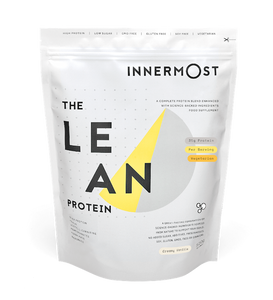
The Lean Protein
Whey protein powder for weight-loss.
The Energy Booster
Pre/intra-workout powder with BCAAs.

The Best Shoulder Exercises To Build Strong Shoulders

10th March 2022

10th March 2022

By Beth Shelper

If you’re on the hunt for the most effective shoulder exercises to build strength and power… you’re in the right place.

Muscle gain anywhere requires a carefully curated routine consisting of exercise, diet and discipline, but when it comes to shoulder workouts, arguably this area needs the most strategy of all. Our shoulders are built with multiple joints, and so a lack of this strategy will lead to results being very few, and very far between. Not to mention increase your risk of injury, too.

So, what we’re saying is. If shoulder gains are your goal, you’re going to want to read this article. Aimlessly shoulder pressing isn’t going to really get you anywhere. Not effectively, anyway. 

Here’s how to get strong shoulders

Before we launch into some of our favourite shoulder exercises (including a mix of shoulder workouts at home and shoulder workouts in the gym), let’s talk about your diet, as that’s just as important.

You will need to include a mix of the following in your diet, to really maximise your performance and enhance your muscle gaining results:

The ultimate full shoulder workout

Whilst the world is your oyster when it comes to shoulder exercises, we’ve widdled it down to our favourite three that we feel maximises your results, and will ensure you’re getting the most out of every single shoulder workout.

Okay, we’ll shut up now. Here’s how to build shoulders. Big, strong, powerful shoulders. That’s what you’re here for, anyway.

Three shoulder exercises to create the best shoulder workout

In no particular order…

  1. The dumbbell shoulder press

An absolute classic, the dumbbell shoulder press Is one of the most common (and effective) shoulder exercises with dumbbells, which means that not only does it deserve a spot on our list, but can be done at home or in the gym.

Winning.

Great for beginners, seasoned pros and shoulder training veterans alike, this is a great go-to shoulder exercise for all, and can be completed either seated or standing.

Here’s how:

  • Grab your dumbbells at a weight that is comfortable (remember, reps are more important than weight, so don’t over do it)
  • Take both up in the starting position, placed either side of your head next to your ears
  • Press upwards keeping your elbow straight, and then lower down back to starting position

Rest and repeat.

  1. Banded delt raises

If you don’t already own a resistance band (where have you been?) now’s the time to invest. Providing a great level of resistance with no heavy weights required, banded delt raises are a fantastic little shoulder exercise to add into your routine, again, wherever you are.

Here’s how:

  • Take your resistance band in one hand; rested down by your side, hooking the other end over the ball of your foot
  • Stand in a neutral position and gradually bring the band upwards towards your shoulder, outwards
  • Once your wrist is parallel with your shoulder, hold, and then slowly release and lower

Rest and repeat for desired amount of reps.

  1. Push presses

Great with added weights or just using the weight of the bar itself, push presses are great for placing maximum emphasis on the shoulders to drive results.

Here’s how:

  • Stand in front of the bar rack, positioning yourself by grabbing the barbell with a full grip and placing the barbell on the top of your shoulders
  • Maintain an upright torso and dip downwards with your knees (don’t rush, speed isn’t important here)
  • At the bottom of the dip, push your torso and chest upwards, thrusting your knees to drive the upward motion

Product Spotlight

Need Expert Advice?

Other Insights

Our Top Tips For Maintaining A Healthy Daily Wellness Routine
Start Your Day Right; My Morning Routine
There’s one thing I do every morning before coffee, before training, before emails. It’s not a supplement stack or a ritual I’ve copied from someone else. It’s how I hydrate. Most of us have been told the same thing for years.Drink more water. Carry a bottle. Aim for eight glasses a day. And to be fair, that advice isn’t wrong. Being under-hydrated doesn’t help anyone. But here’s the part that rarely gets talked about. A lot of people are drinking plenty of water and still feeling flat. Low energy. Headaches. Muscle cramps. Poor recovery from training. That mid-afternoon slump that no amount of coffee seems to fix. The issue isn’t always how much water you’re drinking. It’s whether your body can actually use it.   Hydration isn’t just about water At a physiological level, hydration is about moving water into cells and keeping it there. That process depends on electrolytes. Sodium, potassium, magnesium and chloride help regulate fluid balance, nerve signalling and muscle contraction. They’re what allow water to be absorbed, distributed and retained where it matters. When those minerals are low, water tends to pass straight through you. You can drink glass after glass and still be functionally under-hydrated at a cellular level. That’s why “drink more water” sometimes feels like advice that never quite lands.   Why this is more common than people realise Modern life quietly stacks the odds against proper hydration. Most of us drink filtered water, which removes contaminants but also strips out naturally occurring minerals. We train hard. We sweat. We drink coffee. We travel. We live under fairly constant cognitive and emotional stress. None of that is a problem on its own. But together, it increases mineral turnover without most people ever consciously replacing what’s lost. The result isn’t dramatic dehydration. It’s low-grade depletion. It shows up subtly, not as thirst, but as things feeling harder than they should.   What this looks like in practice You might recognise some of this: Needing caffeine to feel switched on Headaches despite “hydrating” Tight calves or hamstrings during training Feeling flat or foggy in the afternoon Poor recovery between sessions None of these are red flags on their own. But together they often point to hydration that isn’t quite doing its job.   What I do personally Most mornings, the first thing I drink is water with electrolytes. Not because it’s trendy.Not because I’m trying to biohack anything. But because it works. Over time, I noticed more consistent energy, better training sessions, fewer headaches and improved recovery, especially in hot climates or high-stress periods. It became part of my baseline rather than something I reached for only after sweating buckets. That’s also why we created The Hydrate Blend. Not as a sugary sports drink. Not as something reserved for endurance athletes. But as a clean, balanced electrolyte designed for daily use. No artificial sweeteners. No excessive sugar. No synthetic ingredients. All the 6 electrolytes your body needs (not just magnesium, potassium and sodium), in ratios that make sense.   Hydration as Infrastructure I don’t think of hydration as a supplement. Think of it as infrastructure. Just like protein supports muscle, and sleep supports recovery, hydration underpins pretty much everything else you’re trying to do. Training quality. Focus at work. Mood. Recovery. When hydration is off, everything else feels like more effort. When it’s right, you don’t notice it. Things just run more smoothly. That’s usually the sign you’ve got the basics covered. This isn’t about overthinking things You don’t need to track electrolytes obsessively or turn hydration into another source of stress. For most people, it’s as simple as being intentional at the moments that matter most. First thing in the morning. Before training. After heavy sweating. During travel. Those are the points where supporting hydration tends to have the biggest return.   A Simple Experiment If what I’ve said resonates with, try a small change for a week. Start your day with water plus electrolytes.Then pay attention to your energy, training quality and recovery.Notice how you feel in the afternoon compared to usual. No need to force more water than feels natural. Just hydrate a little smarter. Habit hack: keep your box of The Hydrate Blend on your bedside table so it’s the first thing you reach for when you wake up. Read more