








icon-account icon-glass

Popular Products

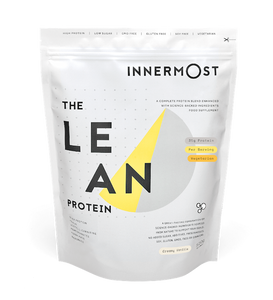
The Lean Protein
Whey protein powder for weight-loss.
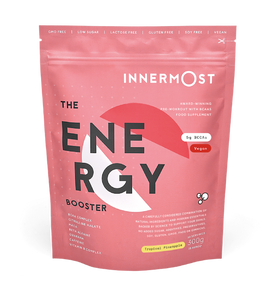
The Energy Booster
Pre/intra-workout powder with BCAAs.

This Study Shows Frequency Of Exercise Is More Important Than Volume

28th November 2022

28th November 2022

By Adele Webb

As you may be aware by now, here at Innermost we advocate for a healthy lifestyle and that includes keeping one’s body in check. Exercising can be a gruelling task for many – especially with these troublesome bleak winter months. We too emphasise with this mindset which means we are always searching far and wide for up-and-coming advice and tips to make your fitness journey a smoother ride. We all want to reap the most benefit possible during our daily and weekly fitness sessions, don't we? If there’s an alternative way to stay in shape, then we will be jumping on that bandwagon straight away (no shame here).

Well, today’s your lucky day…introducing the Edith Cowan University Study.

If you are someone that likes to go hard at the gym and spends hours on end pushing yourself in a 1, 2, maybe even 3 hours session fuelled by your favourite protein shake…um hello The Fit Protein – we see you. Then have you ever considered whether this way is the most beneficial approach? Sit back and relax (for once) as this study may just revolutionise your fitness journey forever.

The study low down

Without further ado, let’s dive straight into it. This latest exercise study dated the 15th of August of this year was implemented by Edith Cowan University (ECU) in collaboration with two Japanese universities: Niigata University and Nishi Kyushu University. The research took place over four weeks and involved three groups of participants – the experiment query was simple, is it better to exercise little but often, or put your all into a few sessions a week? The results were fascinating.

Across the four allocated weeks, the individuals performed arm resistance exercises with their muscle strength and thickness carefully monitored. Set up like your average weight session, the bicep contractions were taken out on a machine that measured muscle strength per contraction. The study was straightforward yet effective – two of the groups did 30 contractions per week, with the first across the five days only performing six contractions. The second group did all 30 contractions once a week, and the third final group only participated with six contractions once a week.

So, what were the results?

Once the allocated four weeks were up, it was time to conclude the study. Interestingly, the group of individuals that were doing all 30 of their bicep contractions in one day did not show enhanced muscle strength…but muscle thickness did increase by a small 5.8 percent. With no surprise, the group that did not show any change in both muscle strength and thickness was the cohort that was only exercising their arms once a week for 6 reps. However, last but no means least, we have the second group - the souls that had to do six muscle curls a day for five days. Astonishingly, once calculated, there was over 10% muscle strength enhancement with the same increase in thickness as the 30 reps a day group. Fascinating!

The findings

As the study revealed, firstly it is all about the frequency when it comes to exercising and not the volume. Small amounts of fitness each day can have a greater impact on someone’s strength – who would have thought huh? The avid gym enthusiast usually homes in on the prospect of a lengthy resistance training session, but now there’s proven evidence that little and often is more beneficial. Although this was only done to a select area of the body, it is stated that this will have the same effect on other muscles as well. The experiment goes on to say that exercising this way will in the long run help combat aging, as well as deter certain muscle-related illnesses like cancers, dementia, cardiovascular diseases, and type 2 diabetes.

Another key finding is that the body benefits from more rest than we thought. This study reiterated the importance of rest days and showed that our body muscles need a regular break during the week to improve their strength. So, for those of you who fret about taking time away from the gym, there’s no need to think this way. The next time you avoid the gym for a day or two, consider the benefits instead of the negatives. There are also other positives in smaller but frequent gym sessions too, and these include:

  • The risk of workout injuries can be minimised
  • Decreases the chances of burnout during a workout
  • Improves your focus – short but sweet
  • Better for those who have a love/hate relationship with exercise
  • Is it said to help lower blood sugars, especially exercising after a meal

Summary

Surprised? We are too! Who would have thought that your daily quick 30-minute session at the gym or an after-lunch walk with your work bestie, would actually be doing you a world of good? Of course, we are not telling you how to live your life, and if you prefer the high-intensity of a long endurance workout – then you do you. In contrast, for those newbies amongst you all, there’s now more of a means to embark on your own fitness endeavour – there’s no time like the present. Start small and slowly build your way up. After all, wasn’t it the tortoise that won the race? You’ve got this!

If you or anyone else you know has any inspirational ideas to share, just like this study, don’t hesitate to contact us over on our Instagram @liveinnermost

References

  • Edith Cowan University. (2022). Exercise answer: Research shows it's how often you do it, not how much: We all know exercise is important, but is it better to do a little every day, or a lot a few times a week? ScienceDaily. Click Here

Product Spotlight

Need Expert Advice?

Other Insights

Start Your Day Right; My Morning Routine
There’s one thing I do every morning before coffee, before training, before emails. It’s not a supplement stack or a ritual I’ve copied from someone else. It’s how I hydrate. Most of us have been told the same thing for years.Drink more water. Carry a bottle. Aim for eight glasses a day. And to be fair, that advice isn’t wrong. Being under-hydrated doesn’t help anyone. But here’s the part that rarely gets talked about. A lot of people are drinking plenty of water and still feeling flat. Low energy. Headaches. Muscle cramps. Poor recovery from training. That mid-afternoon slump that no amount of coffee seems to fix. The issue isn’t always how much water you’re drinking. It’s whether your body can actually use it.   Hydration isn’t just about water At a physiological level, hydration is about moving water into cells and keeping it there. That process depends on electrolytes. Sodium, potassium, magnesium and chloride help regulate fluid balance, nerve signalling and muscle contraction. They’re what allow water to be absorbed, distributed and retained where it matters. When those minerals are low, water tends to pass straight through you. You can drink glass after glass and still be functionally under-hydrated at a cellular level. That’s why “drink more water” sometimes feels like advice that never quite lands.   Why this is more common than people realise Modern life quietly stacks the odds against proper hydration. Most of us drink filtered water, which removes contaminants but also strips out naturally occurring minerals. We train hard. We sweat. We drink coffee. We travel. We live under fairly constant cognitive and emotional stress. None of that is a problem on its own. But together, it increases mineral turnover without most people ever consciously replacing what’s lost. The result isn’t dramatic dehydration. It’s low-grade depletion. It shows up subtly, not as thirst, but as things feeling harder than they should.   What this looks like in practice You might recognise some of this: Needing caffeine to feel switched on Headaches despite “hydrating” Tight calves or hamstrings during training Feeling flat or foggy in the afternoon Poor recovery between sessions None of these are red flags on their own. But together they often point to hydration that isn’t quite doing its job.   What I do personally Most mornings, the first thing I drink is water with electrolytes. Not because it’s trendy.Not because I’m trying to biohack anything. But because it works. Over time, I noticed more consistent energy, better training sessions, fewer headaches and improved recovery, especially in hot climates or high-stress periods. It became part of my baseline rather than something I reached for only after sweating buckets. That’s also why we created The Hydrate Blend. Not as a sugary sports drink. Not as something reserved for endurance athletes. But as a clean, balanced electrolyte designed for daily use. No artificial sweeteners. No excessive sugar. No synthetic ingredients. All the 6 electrolytes your body needs (not just magnesium, potassium and sodium), in ratios that make sense.   Hydration as Infrastructure I don’t think of hydration as a supplement. Think of it as infrastructure. Just like protein supports muscle, and sleep supports recovery, hydration underpins pretty much everything else you’re trying to do. Training quality. Focus at work. Mood. Recovery. When hydration is off, everything else feels like more effort. When it’s right, you don’t notice it. Things just run more smoothly. That’s usually the sign you’ve got the basics covered. This isn’t about overthinking things You don’t need to track electrolytes obsessively or turn hydration into another source of stress. For most people, it’s as simple as being intentional at the moments that matter most. First thing in the morning. Before training. After heavy sweating. During travel. Those are the points where supporting hydration tends to have the biggest return.   A Simple Experiment If what I’ve said resonates with, try a small change for a week. Start your day with water plus electrolytes.Then pay attention to your energy, training quality and recovery.Notice how you feel in the afternoon compared to usual. No need to force more water than feels natural. Just hydrate a little smarter. Habit hack: keep your box of The Hydrate Blend on your bedside table so it’s the first thing you reach for when you wake up. Read more
Soy Free Protein
Protein supplements have long been the star of the nutrition game and with the market size projected to more than double by 20331, there are more options available than ever before. Gone are the days of whey or the highway (sorry), with a wider range of protein sources than ever before to choose from on today’s shelves. For one reason or another, soy protein isn’t an option for many people - so what are the alternatives and what benefits do they offer? We’ll answer both of those questions, and more, in this blog. Why choose a soy free protein? There are several reasons someone might opt for a non-soy protein option, some of the most common include: Allergies and intolerances - soy is one of the major food allergens and many people choose to avoid it in their diet. Nutritional value - some studies have found soy protein to have less of an impact on body composition2 than some other protein sources. Digestibility - soy can be difficult to digest3, which can cause discomfort, bloating and other gut health issues. Hormones - whilst research doesn’t support these claims, some people have concerns about the possible hormonal effects of soy4 for both men and women. Dietary preferences - aside from allergies and intolerances, some people choose to avoid soy for reasons like taste or texture. Soy free protein powder & nutritional benefits If you’re one of the many people who abstain from soy, fret not. There are many non-soy protein options out there for you, and many of these offer comparable or better levels of nutrition.  Soy free protein amino acid profile Soy is a complete protein - meaning it provides all nine essential amino acids - but there are several other complete proteins out there for you to choose from. Whey, pea and egg white proteins also contain these essential amino acids, albeit in different densities. Digestibility As soy can be hard to digest for some, other ‘gentler’ vegan options such as pea or rice proteins are a popular choice. Micronutrient coverage Aside from the obvious protein content, a lot of soy free options offer a wide range of extra micronutrients which can be a nice bonus. For example, hemp protein offers omega-3s and fibre5, whilst pea protein is a great source of iron6.  Is soy protein gluten-free? Yes! Soy protein is naturally gluten free, but it is not the only GF protein source. Many whey proteins are gluten free, as are other vegan protein blends. Just make sure you check the specific nutritional information for any product you choose, if gluten is a no-go for you.  Comparing soy free protein powder options Whey protein Whey protein is by far the most commonly used protein source for supplements - and for good reason. Whey is a complete protein with a high concentration of protein7 per serving and is typically one of the more affordable options.  It’s so good, in fact, that we use it as the source for both The Strong Protein and The Lean Protein at Innermost - two protein supplements with a bunch of other nutritional goodies packed in.  Pea & brown rice protein Looking at non soy vegan protein options, pea protein and brown rice protein both offer good nutritional value but together they are even stronger. Pea protein is high in BCAAs (especially leucine) and brown rice protein has a little more methionine – together they fill any nutritional gaps the other has to offer a great complete protein option. Our vegan protein powders are powered by pea and brown rice protein, including The Health Protein and The Fit Protein. How to choose the right soy free protein powder Whichever brand or soy free protein product you decide to go with, there’s a few key things to keep in mind before you hit purchase. Check for soy free and allergen free labelling (you can never be too careful if allergies are at play) Look for complete amino acid profiles for best results Consider your goals vs what the product offers Choose transparent, minimal ingredients lists where possible Whichever one you choose, opting for a soy free protein is a great idea if you’re looking for better digestibility, fewer allergens and wider nutritional benefits. If you’re still unsure, take a look at our range of protein powders to find which one might suit you best – we’re confident you’ll find your perfect one. References 1. Grand View Research (2023) Protein supplements market size, share & trends analysis report. Click here. 2. Piri Damaghi M, Mirzababaei A, Moradi S, Daneshzad E, Tavakoli A, Clark CCT, Mirzaei K. Comparison of the effect of soya protein and whey protein on body composition: a meta-analysis of randomised clinical trials. Br J Nutr. 2022 Mar 28;127(6):885-895. doi: 10.1017/S0007114521001550. Epub 2021 May 11. PMID: 33971994. Click here. 3. Nutritional Weight & Wellness (2024) Is Soy Good For You? Click here. 4. Kurzer MS. Hormonal effects of soy in premenopausal women and men. J Nutr. 2002 Mar;132(3):570S-573S. doi: 10.1093/jn/132.3.570S. PMID: 11880595. Click here. 5. Julson E. Hemp Protein Powder: The Best Plant-Based Protein? Healthline. July 2023. Click here. 6. Chin K. Pea Protein Powder: Nutrition, Benefits and Side Effects. Healthline. March 2023. Click here.  7. Davidson K. Plant-Based Protein vs. Whey Protein: Which Is Better? Healthline. August 2024. Click here. Read more