








icon-account icon-glass

Popular Products

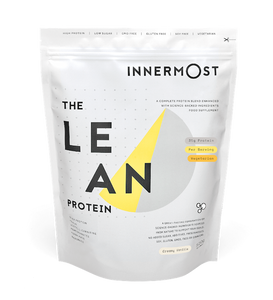
The Lean Protein
Whey protein powder for weight-loss.
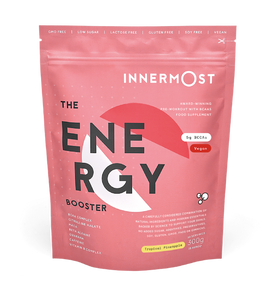
The Energy Booster
Pre/intra-workout powder with BCAAs.

How Is Whey Protein Made?

26th January 2023

26th January 2023

By Vikki Rich

If you’re new to the world of protein powder, you may notice an ingredient called whey. You might be wondering what is whey protein made of? Whey is a dairy product that you will find in a lot of foods. Some foods you might not even expect like stock cubes for example! However, today we’re here to talk about how our protein powder, such as the The Lean Protein is made, more specifically how the whey product that’s in it is made.

What is whey protein

Whey protein is a milk protein. It’s derived from milk and is actually a by-product from the process of manufacturing cheese. There are several steps in the whole process of making whey. Starting with the fields that the cows graze in, all the way to putting it in our Innermost Proteins. We are going to take you through all the steps so take a seat, make your selves comfy and let’s begin on our whey protein journey!

Step 1

Our journey begins in the countryside, with cattle that are grazing on fresh grass and are typically several hours away from a city and any pollution. Farms tend to rear thousands of cows, which produce excellent quality of milk. Before we can consume this milk, it must go through a process of pasteurisation to kill off any harmful bacteria. Once collected from the cows, the milk is transported in refrigerated tanks, to a cheese processing factory. The milk is kept at a temperature of about 4°C which will be cool enough to kill of a certain level of bacteria.

Step 2

Once the milk has arrived at the cheese processing factory, the pasteurisation can begin! This process enables the milk to be fit for human consumption, the milk is boiled to about 70-80°C, and then cooled down to 4°C. The bacteria cannot survive extreme temperatures, boiling then instantly cooling subjects the harmful bacteria to these extremes, and kills them off. Once the pasteurisation has occurred, it’s time for the next stage!

Step 3

The milk then has enzymes added to it to separate the casein from the whey. Casein is a product in milk that is found in yoghurt and cottage cheese (and The Strong Protein!). It’s dominant and not needed in our whey process. When the milk is subjected to the enzymes, it separates into solids and liquid. The liquid os the part we need in our whey making journey. As this liquid contains carbs, fats, minerals and water as well as they whey, it needs to be separated out. This is done by purification, our next step.

Step 4

In this stage of the process, the liquid we need is treated, so we can acquire whey protein concentrate. The liquid is loaded into several stainless-steel turbines, which have special filters made from ceramic, which allows a natural process of separation to occur, filtering out the lactose and fats from the liquid to leave us with a whey protein liquid. This liquid is then put into a commercial dryer, with cold and hot air that dries out the water from the whey and leaves us with a 90% whey powder. This process maintains the nutritional value of the whey.

Step 5

We now have whey powder, so now it’s time to send it off to our manufacturers, to test its purity and start our Innermost protein-making process. We add any extra flavours and ingredients to make you the perfect combination for the best results.

What is whey isolate vs. whey concentrate?

There are two ways in which whey can be purified, both of which have different outcomes: whey isolate and whey concentrate. The purification process which we described creates whey concentrate. However, if it’s purified through a cross-flow microfiltration, it will separate from the fat and lactose, thus creating whey isolate.

Each of these whey proteins have differences in their nutrition. The whey concentrate has 80% protein content, whereas the whey isolate has 90%. Isolate also has less fat due to the filtration process, perfect for those looking to lower the level of fat in their diet. With the isolate’s rigorous process of filtration, the lactose is also separated from it, making it more suitable for those that are lactose intolerant.

Which type of whey should you choose?

Depending on your goals, each type of whey can be suitable. If you are looking to use a high-quality protein with less fat, isolate is a great option. It is good to bare in mind that due to the added level of processing that this whey needs, it is usually a little more costly than other whey.

Whey concentrate is ideal for people looking to increase their daily protein intake quickly. It’s got a high level of protein and is a cheaper option to isolate.

Now you know how that unfamiliar, now not so unfamiliar product, whey is made. It’s great to not only know what your ingredients are but also how they are made, gaining a better understanding of what you are putting into your body. So which type of whey will you be choosing?

Product Spotlight

Need Expert Advice?

Other Insights

Creatine for women
The word ‘creatine’ might conjure up images of gym bros, but don’t fall into the trap of thinking it’s just for men. Creatine is one of the most widely researched supplements in the nutrition game, and one which can offer a host of benefits to many people.  Let’s dig into the topic of creatine for women – how it works, proven benefits, how it differs for women vs men, and how to start working it into your routine. What is creatine? To put it simply, creatine is a mineral our bodies naturally produce which helps to create Adenosine Triphosphate (ATP) – a very important energy-carrying molecule.  It has been extensively researched for its ability to help increase performance in high intensity exercise1, potentially leading to greater training results.  You can find out more in our complete guide to creatine.  Creatine for women: why interest is growing There are a lot of misconceptions around creatine – maybe you’ve heard it’s for ‘bulking’ or that it causes undesirable water retention. Either way, there have definitely been some ideas floating around which could understandably have put people off working it into their nutrition regime.  In reality, creatine can support performance, strength and recovery without changing your body composition in the way some might assume. It can be a great tool for not only strength training but also HIIT and functional fitness, as well as overall health and even ageing!1  With all this in mind and more research coming out all the time, it’s no surprise that interest is growing amongst women when it comes to making use of creatine.  Creatine for women vs men: is there a difference? Creatine works in the same biological way for both men and women, but there are some differences in terms of the results or impacts you may see.  In general, women tend to have significantly lower baseline creatine stores than men2, meaning creatine supplementation can be potentially even more beneficial for them. That being said, nutritional requirements and impacts can vary hugely based on each person’s individual hormone concentration, especially during different phases of the menstrual cycle3 – so results can differ. The benefits of creatine for women  Improved strength and performance Creatine helps regenerate and produce ATP4, which allows for better performance in short bursts of intense activity. As such, it can be a very valuable tool for supporting progressive overload in strength training, allowing you to lift heavier and see greater results from your workouts. Support for lean muscle and body composition Combing creatine supplementation with resistance training is a widely recognised method for increasing lean muscle mass5, which can make a significant difference to your overall body composition. One of the common misconceptions of creatine we spoke about earlier is water retention and subsequent weight gain. Whilst the water retention point isn’t untrue, the water is stored inside the muscle cells rather than under the skin6, which actually makes your muscles appear larger and more defined.  You could typically see an initial weight ‘gain’ when starting with creatine due to this, but this usually stabilises after a few weeks.  Cognitive and mental benefits Aside from the huge physical benefits, creatine can actually offer a helping hand when it comes to cognition and mood, too.  Some research has shown creatine has indicated positive effects by restoring brain energy levels, and it may even be more effective for females2. Other studies have even found evidence that creatine use can improve short term memory, reasoning and intelligence7.  Hormonal and life stage support The evidence is still emerging on this topic, but there are a host of potential creatine benefits for women when it comes to hormonal and life stage support. For example, it is suggested that post-menopausal females can see benefits in terms of skeletal muscle size and function when supplementing creatine, as well as favourable effects on bones themselves.  With hormone-related changes influencing the way creatine is produced in the body, supplementation can be particularly important during your period, as well as during and after pregnancy or menopause2.  Side effects of creatine for women When adding any new supplement into your regime, considering any possible side effects is a common part of the process. Thankfully, creatine side effects for women are very minimal!  We’ve discussed water retention already, but this can sometimes lead to a 1-2kg initial weight gain which will usually stabilise in a few weeks – and your extra-hydrated muscles can actually perform even better as a result.  The other commonly discussed side effect is gastrointestinal distress (stomach cramps, nausea etc). This is typically only an issue if you’re taking very high doses of more than 10g at any one time, so stick to the product’s recommended servings and you should be in the clear.  Overall, creatine is a safe supplement to take when used within regular dosing guidelines1.  How to start using creatine As with any new supplement you’re interested in taking advantage of, the best way to start is by making it as simple as possible to fit into your regular routine.  A typical daily dose of creatine sits between 3-5g, so look for a product which can give you that in an easy-to-use form. For example, Innermost’s The Power Booster contains 60x 5g servings – the perfect amount for a full eight week cycle if consuming daily. Just mix a serving with water or juice, or even throw it into a protein shake and you’re all set for the day. That’s not the only way to have creatine, though. Innermost’s The Strong Protein is a super powerful protein blend with 34g protein and 3g of creatine in every serving – giving you everything you need for a properly fuelled, powerful workout.   So, it’s a very effective supplement and it’s very easy to take. What’s not to love? Creatine for women – easy and effective Creatine is well-researched, easy to use and it can be super effective. If you’re interested in improving your performance, recovery and strength, it’s almost a no-brainer. Make it a part of your daily wellness routine, stay consistent with it and see the results - we think you’ll like them.  References Kreider RB, Kalman DS, Antonio J, Ziegenfuss TN, Wildman R, Collins R, Candow DG, Kleiner SM, Almada AL, Lopez HL. International Society of Sports Nutrition position stand: safety and efficacy of creatine supplementation in exercise, sport, and medicine. J Int Soc Sports Nutr. 2017 Jun 13;14:18. doi: 10.1186/s12970-017-0173-z. PMID: 28615996; PMCID: PMC5469049. Click here.   Smith-Ryan AE, Cabre HE, Eckerson JM, Candow DG. Creatine Supplementation in Women's Health: A Lifespan Perspective. Nutrients. 2021 Mar 8;13(3):877. doi: 10.3390/nu13030877. PMID: 33800439; PMCID: PMC7998865. Click here.  Wohlgemuth KJ, Arieta LR, Brewer GJ, Hoselton AL, Gould LM, Smith-Ryan AE. Sex differences and considerations for female specific nutritional strategies: a narrative review. J Int Soc Sports Nutr. 2021 Apr 1;18(1):27. doi: 10.1186/s12970-021-00422-8. PMID: 33794937; PMCID: PMC8015182. Click here.  Saito S, Cao DY, Okuno A, Li X, Peng Z, Kelel M, Tsuji NM. Creatine supplementation enhances immunological function of neutrophils by increasing cellular adenosine triphosphate. Biosci Microbiota Food Health. 2022;41(4):185-194. doi: 10.12938/bmfh.2022-018. Epub 2022 Jun 17. PMID: 36258765; PMCID: PMC9533032. Click here.  Mohammad Ali Izadi, Farhad Daryanoosh, The effect of creatine supplementation on muscle protein synthesis in athletes: A review. Nutrition Clinique et Métabolisme,Volume 39, Issue 4, 2025, Pages 273-281, ISSN 0985-0562. Click here.  Powers ME, Arnold BL, Weltman AL, Perrin DH, Mistry D, Kahler DM, Kraemer W, Volek J. Creatine Supplementation Increases Total Body Water Without Altering Fluid Distribution. J Athl Train. 2003 Mar;38(1):44-50. PMID: 12937471; PMCID: PMC155510. Click here.  Avgerinos KI, Spyrou N, Bougioukas KI, Kapogiannis D. Effects of creatine supplementation on cognitive function of healthy individuals: A systematic review of randomized controlled trials. Exp Gerontol. 2018 Jul 15;108:166-173. doi: 10.1016/j.exger.2018.04.013. Epub 2018 Apr 25. PMID: 29704637; PMCID: PMC6093191. Click here. Read more
Halal Collagen Cover Image
Collagen has become a staple in many modern wellness routines, used to support everything from skin health to recovery and joint function. But as its popularity has grown, so too has the need for greater clarity around what’s in these products - and how they’re made. Case in point - halal collagen. Unlike other supplement ingredients, collagen is typically derived from animal sources. This makes its suitability under halal dietary guidelines less straightforward. Two collagen powders may look almost identical on the surface, yet differ significantly in how they are sourced, processed, and certified, meaning that one might be halal compliant and the other not so much. For anyone looking to incorporate collagen supplements into their routine, understanding these differences matters. This guide breaks down what exactly makes collagen halal and non halal, where confusion often comes in, and how to choose a supplement that aligns with both your values and your expectations for quality. What is halal collagen? Halal collagen refers to collagen that has been produced in accordance with Islamic dietary laws. While the term “halal” is often associated with food, the same principles apply to supplements, including collagen powders and capsules. In practice, this means that halal collagen must meet specific criteria across its entire lifecycle - not just in its final ingredient form. What makes collagen halal certified? Determining whether collagen is halal goes far beyond scanning an ingredient label. Collagen itself is most sourced from bovine (cow) or marine (fish) origins. Whether either is considered halal depends not only on the source, but on how it has been handled from extraction through to final production. Halal sourcing The sourcing of collagen is the first step to halal certification. Firstly, for a collagen product to be halal it must be sourced from a halal permissible animal such as cattle (bovine collagen) or fish (marine collagen). For bovine collagen, animals must be raised and slaughtered according to halal principles and Islamic rites collectively known as Zabiha. This includes: Invocation of Allah's name (Tasmiyyah) at the moment of slaughter. A swift cut to the throat to ensure humane treatment. Slaughtering conducted by a sane adult Muslim. The animal must also be healthy at the time of slaughter. Without the above considerations, collagen supplements cannot be considered permissible, regardless of quality. Halal processing Processing is the next critical factor in halal collagen certification. Collagen extraction often involves enzymes or chemical treatments to isolate and refine the protein. This hydrolysis process often uses enzymes to break down collagen into peptides. These enzymes must be plant-based (e.g., papain) or sourced from halal-certified animals; porcine-derived enzymes (like porcine trypsin) are forbidden. If any of these substances are derived from non-halal sources, the integrity of the product is compromised. Any solvents or processing aids used during extraction must also be free from ethanol or other non-halal alcohols. Halal collagen certification also ensures that no prohibited additives, such as non-halal gelatine carriers or animal-based anti-caking agents, were introduced during the manufacturing process. Halal Manufacturing Manufacturing standards are also highly important in making collagen supplements halal certified. Even when ingredients are halal, shared facilities or inadequate controls can introduce cross-contamination. As such, the manufacturing of halal collagen must follow the below guidelines: Non cross contamination: certified products are produced under strict conditions that ensure separation from non-halal substances throughout production, storage, and packaging. Complete surface cleaning: If a facility handles both Halal and non-Halal products, a rigorous, religiously supervised deep cleaning (often called Samak or Taharah) must occur between runs. Auditors must verify that no "Najis" (unclean/prohibited) residues remain. Common Misconceptions About Halal Collagen As collagen has become more widely used, a number of assumptions have emerged around its suitability within a halal diet. These are some of the most common. Collagen is Halal be default: because collagen is a natural protein, it’s easy to assume it meets dietary requirements. In reality, its origin and processing determine whether it is permissible. Marine collagen is always halal: While often suitable, this still depends on how the collagen is produced and whether non-halal substances are introduced during processing. Hydrolysed collagen is always halal: As with other forms of collagen, halal permissibility depends entirely on its source and production. There is also a tendency to equate “clean” or “natural” products with halal compliance. While these qualities can overlap, they are not the same. A supplement may be free from additives and still not meet halal standards. Benefits of halal collagen When halal collagen is produced with quality and integrity in mind, it can support a range of wellness goals. While we’ve spoken about these before, however below are some of the key benefits of halal collagen: It plays a role in maintaining skin structure and elasticity. Supports joint function and contributes to recovery following physical activity. They form part of a broader approach to looking, feeling, and performing at their best. These benefits are closely linked to how the collagen is sourced and formulated. Products that prioritise transparency, clean processing, and effective formats - such as hydrolysed collagen peptides - are more likely to deliver consistent results. For those seeking halal collagen supplements, this alignment between quality and compliance becomes key. How to choose a halal collagen supplement? Choosing a halal collagen powder or supplement should feel straightforward, but in practice it often requires a closer look. Below are some of the key things you should look for when purchasing halal collagen supplements: Certification is the most reliable starting point. A recognised halal certification confirms that the product has been assessed across sourcing, processing, and manufacturing. Clear information about where the collagen is sourced and how it is produced can indicate a more considered approach to formulation. The type of collagen also matters. Hydrolysed collagen peptides are widely used because they integrate easily into daily routines and are readily utilised by the body. The overall experience of the product. Taste, mixability, and ease of use all contribute to whether a supplement becomes part of a consistent routine - which is ultimately where results are seen. Is Innermost halal? In short, yes. Innermost products are halal certified, meaning they meet strict standards across sourcing, processing, and production. This ensures that every stage of development aligns with halal requirements. Innermost’s The Glow Blend contains high quality halal certified hydrolysed bovine collagen peptides and is formulated to support your skin and overall wellbeing, with extra nutrients like hyaluronic acid, vitamin C, biotin and folate. Alongside certification, our Innermost proteins and supplements focuses on clean, effective formulations designed to support real results. We prioritise ingredient quality, avoid unnecessary additives, and create products that fit seamlessly into everyday routines. If you’re looking for a collagen supplement that aligns with both your nutritional goals and your values, explore the Innermost range to find a halal-certified option that fits seamlessly into your routine. References Permadi, S., Ujilestari, T., Hakim, L et al. Characteristics and Applications of Collagen from the Animal By-Product as a Potential Source for Food Ingredients. Permadi et al. Reviews in Agricultural Science. 2024, 327-346. Click here. Aslan., H. The influence of halal awareness, halal certificate, subjective norms, perceived behavioral control, attitude and trust on purchase intention of culinary products among Muslim costumers in Turkey. International Journal of Gastronomy and Food Science. 2023. Click here. Schmidt, M. M. et al. Collagen extraction process. International Food Research Journal. 2016. Click here. Read more