








icon-account icon-glass

Popular Products

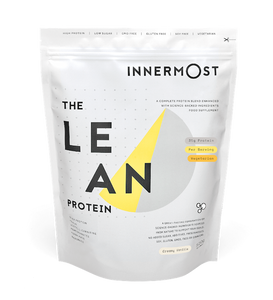
The Lean Protein
Whey protein powder for weight-loss.
The Energy Booster
Pre/intra-workout powder with BCAAs.

7 Expert Gym Tips to See Faster Results at the Gym

10th May 2024

10th May 2024

By Liz Connor

If you're someone who squeezes your workouts around a busy schedule, chances are, you’re looking to break a sweat in the most efficient and effective way possible.

Sure, you could stick to your current routine of blindly lifting and hoping for the best, or you could adopt a science-backed training approach that focusses on the fundamentals of building muscle, losing weight and gaining power.

Handily, you don’t need to rip up the rulebook to reap the benefits; a few subtle tweaks is all you need to maximise your gym workout efficiency.

From simple changes like upping your reps, to trying new disciplines, or even refining your gym playlist, use these expert gym tips to improve your fitness results.

1. Utilise the power of compound exercises

Time is precious, and you don’t always have hours to spend on a workout. When it comes to getting faster results from your lunchbreak sweat, compound exercises are the real deal.

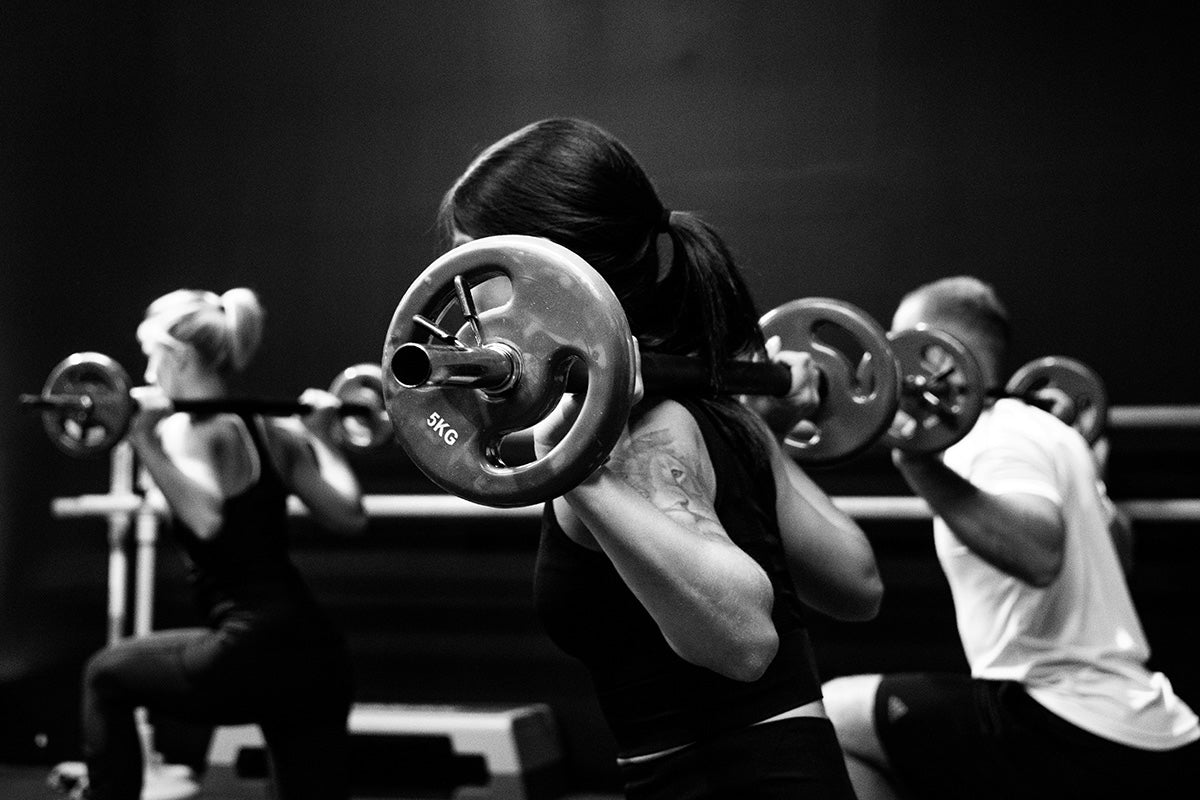
These multi-joint movements work multiple muscle groups at once, so you get more bang for your buck. Take the humble squat for example, which works the obvious legs and glute muscles, but also brings a fiery challenge to the core too.

While hopping on gym machines like the leg press and bicep curl are great for focussed work on a specific area, experts say that they typically don't recruit the same variety of muscles like compound exercises do - so you might need to spend more time at the gym to achieve similar fitness results.

Our gym tip solution? Rather than impatiently waiting in line for a busy machine, grab a mat and do some weighted lunges, pushups and pull-ups instead. It’s a full-body workout without the wait.

2. Cross-discipline train

When it comes to fitness, most of us are guilty of sticking within our comfort zones, doing the same type of exercise week-in-week-out.

While there’s merit to mastery, studies have found that supplementing your schedule with different training methods can build faster results in your primary discipline.

Known as cross-discipline training, a 2018 study found that swimming and running produce different beneficial effects on the heart’s ability to pump oxygenated blood around the body, suggesting that combining these two sports in your weekly routine can lead to better cardiovascular endurance overall.

And additional research suggests that cross-training weightlifting with activities like Pilates, boxing,or yoga can elicit greater power from your primary muscles, improve recovery, and even reduce the risk of injury too, creating a more well-rounded athlete profile.

3. Switch up your playlist

Listening to music when you’re working out doesn’t just kill boredom - studies have found that it can seriously help to improve the quality of your session. Consider this your easiest fitness improvement technique.

But when it comes to the type of tunes you choose, it’s the timing that matters. According to a study published in the journal Frontiers in Psychology, high-tempo music - the type that equates to about 170 heartbeats per minute - is the most effective at reducing perceived effort and increasing cardiovascular benefits.

The researchers found that along with boosting your enthusiasm for a 6am leg sesh, music can lessen perceptions of fatigue and inspire random bursts of effort. So, instead of tuning into the latest true crime podcast, plug into a playlist filled with clubland classics for a science-backed energy hit.

4. Get a gym frenemy

When you’re working out alone, it’s easy to slack off; a 10K run becomes a light sprint with a couple of half-hearted press ups, followed by an hour in the sauna as a reward for your hard work.

So when a serious case of gym lethargy strikes, working out with a friend can stoke up your fitness fire. Competition is a driver, and when it’s applied to a workout, it’s the potent fuel to add an extra weight to the barbell, push your speed up on the treadmill and get you to the edge of your fitness limits.

A study published in the journal Preventative Medicine Reports discovered that having access to a competitive leaderboard during workouts significantly increases people's motivation to exercise. Yup, a competitive friend might be all the inspiration you need to restore your waning gym commitment.

5. Take recovery seriously

Recovery is a big trend in fitness right now, and with good reason too. Taking regular rest days leads to greater gym workout efficiency, as it helps to repair damaged tissues, prevents overtraining, and avoids hitting a plateau.

But research suggests that optimal recovery includes both complete sofa-based rest and active recovery: low or no-impact exercise that complement the demands of your high-impact efforts.

A 2019 study looking at the impact on sprint interval training found active recovery can lead to greater endurance adaptions, meaning that just walking to the coffee shop on your rest day could actually help you to run faster overall.

Along with a gentle stroll, good examples of active recovery include yoga and swimming - gentle activities that speed up the process of repair and adaptation by increasing blood circulation around your body.

To dial up the fitness results, team your rest days with Innermost’s Recover capsules, which contain anti-inflammatory nootropic ingredients that support your body’s response to physical stress.

6. Switch stretching for mobility

Mobility often gets mislabeled as stretching, but this warm-up technique is more about improving the range of motion in your joints and muscles, rather than just straight-up touching your toes.

Unlike static stretches, complex mobility drills are about building the ability to move a joint, and its surrounding muscles, to the full range it was designed for.

This is particularly useful for maximising fitness efforts in strength training, as lifting weights can lead to tight myofascial tissue, which can hamper your ability to maintain the correct form in explosive moves like overhead presses.

Tapping into mobility usually involves cycling through a number of ‘drills’, like arm rotations with a resistance band, lateral lunges and hip openers. But if you’re keen to get started, we recommend speaking to a qualified PT who can assess your current range of motion and put together an effective training routine based on your specific goals.

7. Amp up the challenge

Progressive overload training is a smart strength-training approach that makes workouts more challenging over time.

Most of us know that the simplest way of achieving effective training results is to lift heavier weights month after month, but there are other ways to dial up your resistance beyond just upping your dumbbell number.

For example, you could increase volume by doing more reps, double the number of sets, or shorten your rest periods. Slowing down the speed at which you lift can also increase the time your muscles are under stress, yielding greater results.

Going into your next training session armed with a variety of ways to challenge your muscles doesn’t just help prevent plateaus, it can also keep your workouts engaging on days where your motivation is flagging.

More time, less boredom and faster results? Count us in. And be sure to check out our range of transparent, scientifically backed supplements that have been designed specifically to help you reach your goals more effectively.

Product Spotlight

Need Expert Advice?

Other Insights

Why Natural Protein Supplementation Matters
Walk into any health shop, or scroll any supplement site, and you often find that protein powders start to blur into one. Almost all of them make the same promises on the front: ‘high in protein’, ‘no added sugar’, ‘no additional additives’. The wording is so similar that telling a genuinely good product from a synthetically produced product is harder than it should be. Read past the figure on the front however and you'll usually find a protein that contains artificial sweeteners, synthetic flavourings and colours, and even fillers or bulking agents just to name a few. The reason they tend to do this is that costs of production are much cheaper as a result of the lower quality ingredients. A naturally formulated protein supplement works the other way around. The protein comes from a quality source, the flavour and sweetness come from ingredients you'd recognise rather than ones built in a lab, and anything that doesn't need to be there is left out. This piece is about that difference: what natural really means for a protein supplement, why it matters, and how to spot it for yourself. What "natural" actually means in protein supplements "Natural" is one of the most used and least understood words in wellness, printed on plenty of labels with very little behind it. There's no strict, regulated definition for it, so a brand can reach for the word fairly freely. This is why it pays to know what you're actually looking for. Used honestly, natural points to ingredients that come from recognisable sources and are processed as lightly as the format allows. For protein, that usually means a base derived from food such as: Whey Pea Hemp Brown rice Other plant-based proteins Just as telling is what gets left out, and how openly the packaging accounts for what stays in. A natural protein supplement has little to hide, so the label tends to be short and the reasoning easy to follow. The real test is whether the formula makes sense as a whole. Can you understand what's in it? Does each ingredient have a clear purpose? And does the brand explain the benefit plainly, rather than hiding behind vague wellness language? Why ingredient quality matters in protein supplements When people compare protein powders, the first thing they often look at is the amount of protein per serving. It matters, but this number doesn’t tell you everything about a supplement’s quality. A synthetically formulated powder may contain just as much protein per serving as a natural alternative, but it may also include more artificial additives that are bad for your health.  This is especially important as supplementation is usually taken regularly as part of a daily routine. If something becomes part of your breakfast, post-workout routine or afternoon shake, the quality of the overall formula may influence how well it fits into your daily routine. Natural protein powders are often separated by a few key criteria: Ingredient sourcing: Whey is highly bioavailable and naturally rich in essential amino acids that support muscle repair. A good plant-based blend can also be effective when it is built to provide a strong amino acid profile. What surrounds the protein: Sweeteners, thickeners and flavourings affect taste, texture and how a shake feels once you have taken it. Some formulas rely heavily on artificial sweeteners, gums or thickeners, which may contribute to bloating or digestive discomfort. Digestibility: A protein you absorb and tolerate comfortably is more useful than a bigger number on the label that does not sit well with your body. Purpose: A formula built around a specific goal, such as strength, performance, energy or satiety, is more useful than a generic powder with no clear reason behind the ingredients. The benefits of natural protein supplementation The real value of natural supplementation becomes clearer when you look beyond protein content alone. Below are some of the key benefits of choosing natural protein supplements over more artificial or heavily processed alternatives. Supporting strength and lean muscle Building strength and lean muscle is one of the main reasons people turn to natural protein supplements.  A good one supports muscle repair after training and helps maintain muscle over the longer term. That's especially useful if you train regularly and eat well but can't always put together a high-protein meal straight after a session. Helping with recovery after exercise After a workout, your body needs nutrients to repair and adapt, and protein is central to that process, particularly if you train several times a week. A natural protein supplement offers a convenient way to support recovery without making nutrition feel complicated, whether mixed into a shake, smoothie or simple post-workout snack. Supporting satiety and body composition goals Protein keeps you feeling fuller for longer, which makes balanced eating easier to stick to.  For anyone working towards fat loss, lean muscle or general body composition, natural protein supplementation helps steady your daily nutrition alongside whole foods, movement and rest, without relying on the added sugar that some cheaper formulas contain. Making daily nutrition easier Even with good intentions, it is not always easy to get enough protein through meals alone. Busy days, training schedules and travel can all make consistency harder.  A natural protein gives you a simple, repeatable way to keep your intake up on the days that get away from you, using ingredients you can actually recognise. Natural supplementation doesn't have to taste bland There's a common assumption that natural supplements have to taste bland, chalky or unpleasant. Plenty of people have met exactly that: a protein that sounds healthy on paper but turns out too earthy, too sweet or too gritty to enjoy. It gets used for a few days, then pushed to the back of the cupboard. The problem there is usually the formulation, not the missing additives. Chalky, overly sweet shakes come from corners being cut. Getting flavour and texture right without falling back on heavy sweeteners is genuinely hard, which is a good sign a brand has done the work. Taste matters for a practical reason as much as an enjoyable one. A protein you look forward to is one you'll keep using, and consistency is what actually delivers results. The best-formulated supplement on the shelf does nothing while it sits unopened. The innermost approach to natural protein Everything above is the standard we at Innermost hold ourselves to. Our proteins are built on clean and naturally-derived ingredients, formulated with the backing of nutritional science rather than guesswork. We leave out the fillers, bulking agents and needless extras that have no business being in a quality protein, and we're open about what goes in and why. We also happen to think clean and natural should taste good, because a protein you enjoy is a protein you'll actually use.  Explore our protein powders to find the formula that best fits your goals, routine and lifestyle. References Morton, W., Murphy, T., et al (2018). A systematic review, meta-analysis and meta-regression of the effect of protein supplementation on resistance training-induced gains in muscle mass and strength in healthy adults. Br J Sports Med. 52(6). Click here. Jäger, R., Kerksick, C., et al (2017). International Society of Sports Nutrition Position Stand: protein and exercise. J Int Soc Sports Nutr. Click here. Seijo, M., Naclerio, F. (2019). Whey Protein Supplementation and Muscle Mass: Current Perspectives. Click here. Read more
The Protein Mistake That's Holding Back Your Results
I've written at length about creatine. I've written about collagen, electrolytes, the GLP-1 moment, even the science of sleep. But I've never written a personal email about protein. That's a strange omission for someone who built a brand that makes some pretty ground-breaking protein powders. So let me explain why, and then actually say the thing I've been avoiding. Protein is the most foundational supplement in the Innermost range. It's also the hardest subject for me to write about personally, because there's nothing surprising about it. Creatine had a story. Collagen had a story. Protein is well... protein. Everyone knows you should eat more of it. The mechanism is not a secret. Muscle protein synthesis, leucine threshold, net nitrogen balance. If you've been in the fitness space for more than a couple of years, you've read this before. And I think that's the problem. The familiarity makes people stop paying attention. Here's what I actually think about protein, after a decade of working in this space. Most people in their thirties and forties are under-consuming protein and don't know it. Not by a small amount. The gap between what most people eat and what the research supports for muscle maintenance and body composition outcomes is significant. Studies looking at optimal intake for adults prioritising body composition consistently point to between 1.6 and 2.2 grams per kilogram of bodyweight per day. Most people are eating somewhere between 0.8 and 1.2. The difference is not cosmetic. Adequate protein intake directly affects your ability to preserve muscle tissue during a caloric deficit. It supports recovery between sessions. It has a measurable effect on satiety, which means it influences total caloric intake downstream, not just at the point you consume it. There's a subtler point too, and this is the one I've come to think matters most: protein is the nutrient where consistency compounds most directly. The benefits of creatine saturate over time in a relatively predictable way. Collagen has a timeline that research measures in months. But protein's effect on body composition is essentially continuous. Every day you hit your target, you preserve something. Every day you don't, you lose a small amount of ground. Over a summer, that adds up. This is what I've observed personally, and it's backed by the research on muscle protein turnover. The people who maintain their body composition through summer are not, in my experience, the people who train harder during that period. Most of them train less. Their routines are disrupted. They're travelling. Their eating is less structured. The people who come back in September looking broadly the same as they left in June are the ones who kept their protein intake consistent. That's it. That's the variable. Why I take The Lean Protein I’ve been taking The Lean Protein the past few months for a straightforward reason: the protein-to-calorie ratio. Much like our other protein blends, each serving delivers over 30 grams of protein. The calorie count is low relative to that protein yield. When my training is consistent and my eating is structured, I don't think about this very much. But in the periods when those things are less reliable, that ratio becomes the thing that holds the rest together. The formula also includes acetyl-L-carnitine, inulin, pomegranate extract, and yerba mate. These aren't afterthoughts. Acetyl-L-carnitine has a research base in fat metabolism. Inulin supports satiety and gut function. The pomegranate extract is included for its antioxidant contribution to recovery. This means that the formula does more work per serving than a standard whey and just what I need going into summer. The thing the industry gets wrong about protein Most protein marketing leads with taste and price per gram. Both matter. But neither tells you whether the formula will support body composition outcomes over time. The two questions I'd ask before buying any protein powder are: what is the actual protein-to-calorie ratio, and what is the leucine content per serving.  Leucine is the branched-chain amino acid most directly linked to triggering muscle protein synthesis, and there is a threshold dose, roughly 2.5 to 3 grams per serving, below which the anabolic response is blunted. Many protein powders do not disclose this. They just list total protein and move on. The Lean Protein does not have this problem. The formula is transparent. The dose is evidence-based. One thing I'd ask you to consider: if you've never actually checked whether you're hitting your protein targets, try tracking it for three days. Most people find the gap is larger than they expected. If you're not sure which Innermost product fits your specific goal, the quiz on our site is a good place to start. Find the right protein for your goal   Read more