








icon-account icon-glass

Popular Products

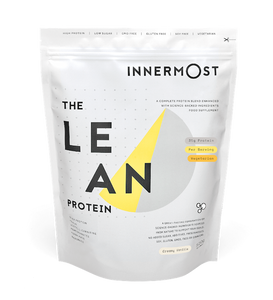
The Lean Protein
Whey protein powder for weight-loss.
The Energy Booster
Pre/intra-workout powder with BCAAs.

White Noise, Pink Noise, Brown Noise: How Can They Help You?

24th October 2022

24th October 2022

By Vikki Rich

There is nothing better than having a great night’s sleep and waking up to feel bright, fresh, and ready for the day. Sadly, that’s not the case for some people. So many factors can play into a bad night’s sleep. Perhaps your room is too hot, or your stressed and have a lot of things playing on your mind. Or outside noise is disturbing you. It can be hard to create that perfect sleeping environment. That’s why a lot of people tend to use white noise machines to help regulate outside noise and distract themselves for that ideal gateway into dreamland. But did you know that there are three types? White, pink, and brown, but what actually are they and how do they help you sleep?

White noise

White noise is a combination of sounds at different frequencies from across the spectrum, which are audible to human ears. It’s a broad spread of high, medium, and low frequencies. It can sound like TV static or radio static. The National Library of Medicine has conducted studies that show white noise has a positive effect on cognitive performance, from helping us concentrate to even calming babies down from crying. It's even proven to help with symptoms of ADHD (attention deficit hyperactivity disorder). White noise is most known to help people sleep, by calming you and drowning out any external noise or internal thoughts, aiding you switch off and fall asleep.

Pink noise

Pink noise is similar to white noise in the sense that it's from a range of different frequencies on the spectrum that are still audible to the human ear. However, pink noise is a higher decibel in the lower frequency and softer at the higher frequency end, resulting in much lower sound than white noise. An example of pink noise could be gentle waves, heavy rain, or leaves rustling.

There have been studies that prove listening to pink noise can help adults have a deeper sleep and even improve cognitive performance. Frontiers in Human Neuroscience have found that acoustic stimulation increases slow wave activity in young adults and help to improve the long-term memory as well as sleep.

Brown Noise

Brown noise is similar to pink noise as it is a collection of sounds from the spectrum, however its even louder in the lower frequencies resulting in a rougher sound. Something like thunder, heavy rain, or the roar of a river. Some people can struggle with sleeping because of a condition called Tinnitus which shows symptoms of hearing a ringing or humming sound all the time. Brown noise has been known to help tinnitus symptoms by drowning out the sound allowing people to relax and get to sleep.

How do these help you sleep?

White noise machines have existed since the 17th century, with researchers studying on a range of different ages and how it’s been utilised and adapted. It has been found that adults fell asleep 38% faster while listening to white noise. People from a range of backgrounds have been positively affected. Critically ill patients in a noisy hospital listened to white noise with headphones in and they found it much easier to get to sleep. New Yorkers found it helped to drown out the street noise.

You might find if you live in a city there can be sudden loud noises, or even quieter sounds that stand out from the silence when something sudden occurs it rases your heart-rate and disturbs your deep sleeping. White noises can mask those sudden sounds allowing a level of consistency that won’t disturb you. It also helps to distract you from stressful thoughts keeping you up, by listening to the noise you can concentrate on that one thing instead of the countless thoughts.

Pink and brown noise helps people who may be used to constant sounds. For example, if you are used to living in a city or by the sea and you stay away or move house, the silence can be too quiet. If you have background noise such as heavy rain or waves you are putting those familiar sounds back into your sleeping environment.

What you need to consider when using white noise

There are many ways you can incorporate white, pink, and brown noise into your environment, and there are a few things you need to consider before you start.

What you listen to the white noise on

The easiest way to get white noise is downloading an app for you phone or tablet. There are lots of apps you can get for different levels of white, pink, and brown noise. This is great for those who have a smaller budget or are travelling and need something portable. White noise machines are also available that are larger and a bit more expensive but provide better quality and are beneficial for people who don’t want to sleep next to their phone.

Volume

If you haven’t used white noise before you may find it strange at first. Start off with a quieter volume while you’re testing out what noises work best for you. Once you have got used to your noise you can turn up the noise to get the best results. This is something consider if you are buying a white noise machine as they may come in different levels of volume so make sure you research which machine will have the best volume for you.

Timers

White noise machines can also have timers; this is something you can adjust how you wish but every machine is different so before you buy make sure you know if you want the machine to switch off or stay on and how likely this is to affect you.

Type of sound

Make sure you test out different sounds before committing to a white noise machine. It may be that the pink noise and brown noise work best for you in which case an app would be beneficial.

What pairs well with white, pink, and brown noises

Listening to noises can help you sleep, pair them with other factors and you will certainly have that ticket to dreamland. Adding certain nutrients into your diet can really help with your routine and enhance your ability to sleep.

Sleep supplements are a great way to get extra nutrients to help relax and calm your body. The Relax Capsules are created with ingredients such as, Lions mane which reduces symptoms of anxiety and acts as an anti-inflammatory allowing your mind to settle down and switch off. L-Glycine is essential to the body’s synthesis, ashwagandha also relieves stress and anxiety. Valerian root and L-theanine increases your levels of gamma-aminobutyric acid which reduce unwanted nervous system activity therefore helping to you sleep better.

Along with enhancing your diet, exercise can help to unwind your mind and release those vital dopamine’s that encourage a healthier mindset and de-stress. You can stretch to combat stress and walk or run to clear your mind. But it is not just all about keeping fit, making sure you’re not endlessly scrolling through your phone and stimulating your mind with the blue light is also very important to allow you to settle down much quicker.

If you pair all of these things with your white, pink or brown noise, you are set for a great night’s sleep. With you body nourished and exercised, and your mind unwound and occupied with the gentle sound of leaves rusting or waves crashing your nights sleep will considerably improve.

Need Expert Advice?

Other Insights

Why Natural Protein Supplementation Matters
Walk into any health shop, or scroll any supplement site, and you often find that protein powders start to blur into one. Almost all of them make the same promises on the front: ‘high in protein’, ‘no added sugar’, ‘no additional additives’. The wording is so similar that telling a genuinely good product from a synthetically produced product is harder than it should be. Read past the figure on the front however and you'll usually find a protein that contains artificial sweeteners, synthetic flavourings and colours, and even fillers or bulking agents just to name a few. The reason they tend to do this is that costs of production are much cheaper as a result of the lower quality ingredients. A naturally formulated protein supplement works the other way around. The protein comes from a quality source, the flavour and sweetness come from ingredients you'd recognise rather than ones built in a lab, and anything that doesn't need to be there is left out. This piece is about that difference: what natural really means for a protein supplement, why it matters, and how to spot it for yourself. What "natural" actually means in protein supplements "Natural" is one of the most used and least understood words in wellness, printed on plenty of labels with very little behind it. There's no strict, regulated definition for it, so a brand can reach for the word fairly freely. This is why it pays to know what you're actually looking for. Used honestly, natural points to ingredients that come from recognisable sources and are processed as lightly as the format allows. For protein, that usually means a base derived from food such as: Whey Pea Hemp Brown rice Other plant-based proteins Just as telling is what gets left out, and how openly the packaging accounts for what stays in. A natural protein supplement has little to hide, so the label tends to be short and the reasoning easy to follow. The real test is whether the formula makes sense as a whole. Can you understand what's in it? Does each ingredient have a clear purpose? And does the brand explain the benefit plainly, rather than hiding behind vague wellness language? Why ingredient quality matters in protein supplements When people compare protein powders, the first thing they often look at is the amount of protein per serving. It matters, but this number doesn’t tell you everything about a supplement’s quality. A synthetically formulated powder may contain just as much protein per serving as a natural alternative, but it may also include more artificial additives that are bad for your health.  This is especially important as supplementation is usually taken regularly as part of a daily routine. If something becomes part of your breakfast, post-workout routine or afternoon shake, the quality of the overall formula may influence how well it fits into your daily routine. Natural protein powders are often separated by a few key criteria: Ingredient sourcing: Whey is highly bioavailable and naturally rich in essential amino acids that support muscle repair. A good plant-based blend can also be effective when it is built to provide a strong amino acid profile. What surrounds the protein: Sweeteners, thickeners and flavourings affect taste, texture and how a shake feels once you have taken it. Some formulas rely heavily on artificial sweeteners, gums or thickeners, which may contribute to bloating or digestive discomfort. Digestibility: A protein you absorb and tolerate comfortably is more useful than a bigger number on the label that does not sit well with your body. Purpose: A formula built around a specific goal, such as strength, performance, energy or satiety, is more useful than a generic powder with no clear reason behind the ingredients. The benefits of natural protein supplementation The real value of natural supplementation becomes clearer when you look beyond protein content alone. Below are some of the key benefits of choosing natural protein supplements over more artificial or heavily processed alternatives. Supporting strength and lean muscle Building strength and lean muscle is one of the main reasons people turn to natural protein supplements.  A good one supports muscle repair after training and helps maintain muscle over the longer term. That's especially useful if you train regularly and eat well but can't always put together a high-protein meal straight after a session. Helping with recovery after exercise After a workout, your body needs nutrients to repair and adapt, and protein is central to that process, particularly if you train several times a week. A natural protein supplement offers a convenient way to support recovery without making nutrition feel complicated, whether mixed into a shake, smoothie or simple post-workout snack. Supporting satiety and body composition goals Protein keeps you feeling fuller for longer, which makes balanced eating easier to stick to.  For anyone working towards fat loss, lean muscle or general body composition, natural protein supplementation helps steady your daily nutrition alongside whole foods, movement and rest, without relying on the added sugar that some cheaper formulas contain. Making daily nutrition easier Even with good intentions, it is not always easy to get enough protein through meals alone. Busy days, training schedules and travel can all make consistency harder.  A natural protein gives you a simple, repeatable way to keep your intake up on the days that get away from you, using ingredients you can actually recognise. Natural supplementation doesn't have to taste bland There's a common assumption that natural supplements have to taste bland, chalky or unpleasant. Plenty of people have met exactly that: a protein that sounds healthy on paper but turns out too earthy, too sweet or too gritty to enjoy. It gets used for a few days, then pushed to the back of the cupboard. The problem there is usually the formulation, not the missing additives. Chalky, overly sweet shakes come from corners being cut. Getting flavour and texture right without falling back on heavy sweeteners is genuinely hard, which is a good sign a brand has done the work. Taste matters for a practical reason as much as an enjoyable one. A protein you look forward to is one you'll keep using, and consistency is what actually delivers results. The best-formulated supplement on the shelf does nothing while it sits unopened. The innermost approach to natural protein Everything above is the standard we at Innermost hold ourselves to. Our proteins are built on clean and naturally-derived ingredients, formulated with the backing of nutritional science rather than guesswork. We leave out the fillers, bulking agents and needless extras that have no business being in a quality protein, and we're open about what goes in and why. We also happen to think clean and natural should taste good, because a protein you enjoy is a protein you'll actually use.  Explore our protein powders to find the formula that best fits your goals, routine and lifestyle. References Morton, W., Murphy, T., et al (2018). A systematic review, meta-analysis and meta-regression of the effect of protein supplementation on resistance training-induced gains in muscle mass and strength in healthy adults. Br J Sports Med. 52(6). Click here. Jäger, R., Kerksick, C., et al (2017). International Society of Sports Nutrition Position Stand: protein and exercise. J Int Soc Sports Nutr. Click here. Seijo, M., Naclerio, F. (2019). Whey Protein Supplementation and Muscle Mass: Current Perspectives. Click here. Read more
The Protein Mistake That's Holding Back Your Results
I've written at length about creatine. I've written about collagen, electrolytes, the GLP-1 moment, even the science of sleep. But I've never written a personal email about protein. That's a strange omission for someone who built a brand that makes some pretty ground-breaking protein powders. So let me explain why, and then actually say the thing I've been avoiding. Protein is the most foundational supplement in the Innermost range. It's also the hardest subject for me to write about personally, because there's nothing surprising about it. Creatine had a story. Collagen had a story. Protein is well... protein. Everyone knows you should eat more of it. The mechanism is not a secret. Muscle protein synthesis, leucine threshold, net nitrogen balance. If you've been in the fitness space for more than a couple of years, you've read this before. And I think that's the problem. The familiarity makes people stop paying attention. Here's what I actually think about protein, after a decade of working in this space. Most people in their thirties and forties are under-consuming protein and don't know it. Not by a small amount. The gap between what most people eat and what the research supports for muscle maintenance and body composition outcomes is significant. Studies looking at optimal intake for adults prioritising body composition consistently point to between 1.6 and 2.2 grams per kilogram of bodyweight per day. Most people are eating somewhere between 0.8 and 1.2. The difference is not cosmetic. Adequate protein intake directly affects your ability to preserve muscle tissue during a caloric deficit. It supports recovery between sessions. It has a measurable effect on satiety, which means it influences total caloric intake downstream, not just at the point you consume it. There's a subtler point too, and this is the one I've come to think matters most: protein is the nutrient where consistency compounds most directly. The benefits of creatine saturate over time in a relatively predictable way. Collagen has a timeline that research measures in months. But protein's effect on body composition is essentially continuous. Every day you hit your target, you preserve something. Every day you don't, you lose a small amount of ground. Over a summer, that adds up. This is what I've observed personally, and it's backed by the research on muscle protein turnover. The people who maintain their body composition through summer are not, in my experience, the people who train harder during that period. Most of them train less. Their routines are disrupted. They're travelling. Their eating is less structured. The people who come back in September looking broadly the same as they left in June are the ones who kept their protein intake consistent. That's it. That's the variable. Why I take The Lean Protein I’ve been taking The Lean Protein the past few months for a straightforward reason: the protein-to-calorie ratio. Much like our other protein blends, each serving delivers over 30 grams of protein. The calorie count is low relative to that protein yield. When my training is consistent and my eating is structured, I don't think about this very much. But in the periods when those things are less reliable, that ratio becomes the thing that holds the rest together. The formula also includes acetyl-L-carnitine, inulin, pomegranate extract, and yerba mate. These aren't afterthoughts. Acetyl-L-carnitine has a research base in fat metabolism. Inulin supports satiety and gut function. The pomegranate extract is included for its antioxidant contribution to recovery. This means that the formula does more work per serving than a standard whey and just what I need going into summer. The thing the industry gets wrong about protein Most protein marketing leads with taste and price per gram. Both matter. But neither tells you whether the formula will support body composition outcomes over time. The two questions I'd ask before buying any protein powder are: what is the actual protein-to-calorie ratio, and what is the leucine content per serving.  Leucine is the branched-chain amino acid most directly linked to triggering muscle protein synthesis, and there is a threshold dose, roughly 2.5 to 3 grams per serving, below which the anabolic response is blunted. Many protein powders do not disclose this. They just list total protein and move on. The Lean Protein does not have this problem. The formula is transparent. The dose is evidence-based. One thing I'd ask you to consider: if you've never actually checked whether you're hitting your protein targets, try tracking it for three days. Most people find the gap is larger than they expected. If you're not sure which Innermost product fits your specific goal, the quiz on our site is a good place to start. Find the right protein for your goal   Read more